

Choosing the Right Spark Plugs for Your 1975-1986 Chevrolet K10
Keep your classic square body running smoothly with the correct set of new aftermarket spark plugs for its specific engine.
- For most stock 1975-1986 K10s, standard copper core spark plugs from brands like ACDelco or NGK provide the best combination of performance and value.
- Always verify and set the spark plug gap before installation; do not assume they are correct out of the box.
- Symptoms of failure include rough idle, engine misfires, poor acceleration, and reduced fuel economy.
- Replacing spark plugs is a simple, DIY-friendly task that requires basic hand tools and can be done in about an hour.
Signs of Failing Spark Plugs
The simple engines in the 1975-1986 Chevrolet K10 rely on a good, consistent spark. When plugs start to wear out, you'll notice. Because these trucks don't have modern computer systems, you have to rely on what the engine is telling you. Common symptoms include a rough idle, engine misfires (which can feel like a jerking or stumbling), and sluggish acceleration. You may also find the truck is harder to start, especially on cold mornings, or that you're getting worse gas mileage than usual.
Don't Ignore Misfires
A consistent engine misfire can feel like a stumble or hesitation while driving. This means a cylinder isn't firing correctly. Ignoring this can lead to unburned fuel washing oil from cylinder walls or even damaging the exhaust system over time.
Choosing the Right Aftermarket Spark Plug
For a classic truck like the K10, you don't need to overspend on spark plugs. The original ignition systems were designed for standard copper core plugs, and they still work great. However, different brands offer various levels of quality and materials.
Brand Quality Tiers
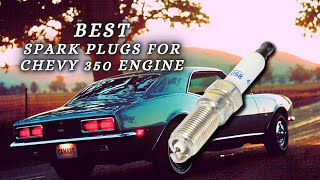
- OEM & Premium Aftermarket (Best Fit): ACDelco is the original equipment manufacturer for GM, making them a guaranteed fit and quality choice. Many owners also have great success with NGK and Denso, which are known for their reliability and consistent performance. These brands 🎬 Watch this guide to the best spark plugs for Chevy engines. often offer direct-fit copper and platinum options that are perfect for a stock K10.
- Quality Aftermarket (Good Value): Brands like Champion, Autolite, and Bosch offer dependable performance at a great price. They have been trusted names in ignition parts for decades and are a solid choice for daily drivers and work trucks.
- Performance-Focused (For Modified Engines): If your K10 has engine modifications like an upgraded ignition system, headers, or internal work, Accel is a popular choice. They offer plugs designed for higher performance, including "shorty" plugs that provide more clearance around aftermarket exhaust headers.
- Budget-Friendly: Skyward and other private-label brands offer a low-cost alternative. While functional, their long-term durability and performance consistency may not match the more established brands.
Copper vs. Platinum/Iridium
For a stock 1975-1986 K10, standard copper core spark plugs are often the best choice. They provide a strong spark, are very affordable, and work perfectly with the original HEI ignition system. Platinum and Iridium plugs last much longer but don't necessarily offer a performance benefit on these older, carbureted engines and can be more sensitive to any oil contamination from worn engine components. If your engine is in great shape and you want a longer service interval, platinum plugs are a reasonable upgrade.
Cost of New Aftermarket Spark Plugs (1975-1986 Chevrolet K10)
| Category | Price Range (Per Plug) | Notes |
|---|---|---|
| Budget Aftermarket (e.g., Skyward) | $2.52 - $4.00 | Basic functionality, suitable for getting a truck running on a tight budget. |
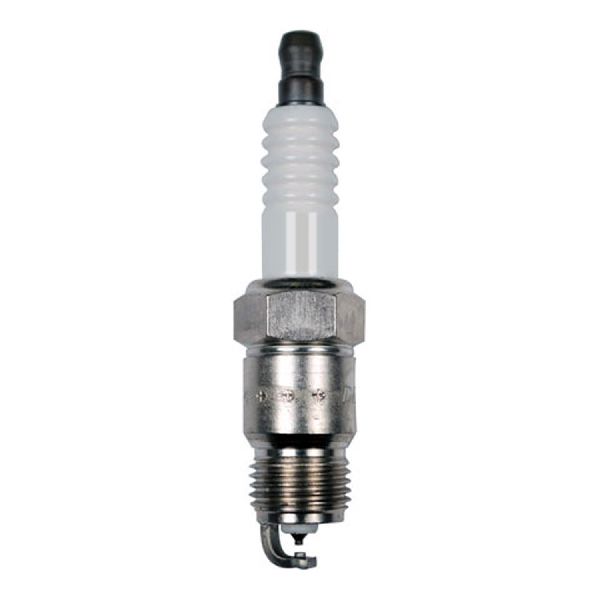
| Standard Copper (e.g., ACDelco, Autolite, Champion) | $3.00 - $6.00 | Excellent performance for stock engines. Recommended for most owners. |
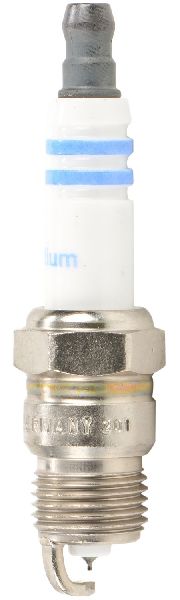
| Platinum/Double Platinum (e.g., Bosch, NGK) | $5.00 - $12.00 | Longer service life than copper, good for well-maintained engines. |
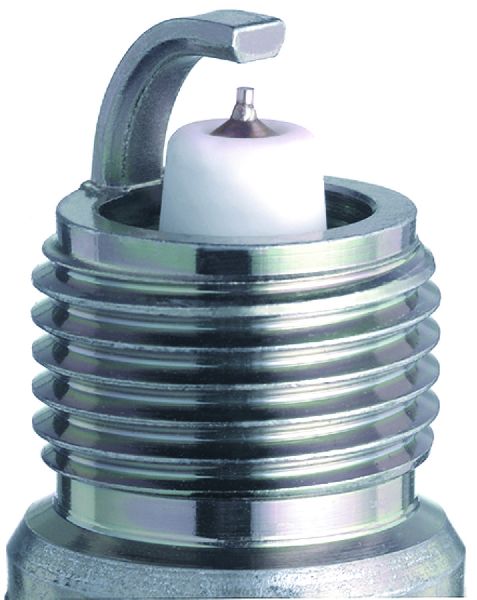
| Iridium/Performance (e.g., Accel, NGK Iridium) | $8.00 - $20.00+ | Best for modified engines or those seeking maximum longevity. May be overkill for a stock K10. |
Frequently Asked Questions (FAQ)
How often should I change the spark plugs on my K10?
For standard copper plugs, a good interval is every 20,000 to 30,000 miles. If you use platinum or iridium plugs, you can extend that interval significantly, but it's still wise to inspect them periodically, especially on a high-mileage engine.
What does the spark plug "gap" mean and why is it important?
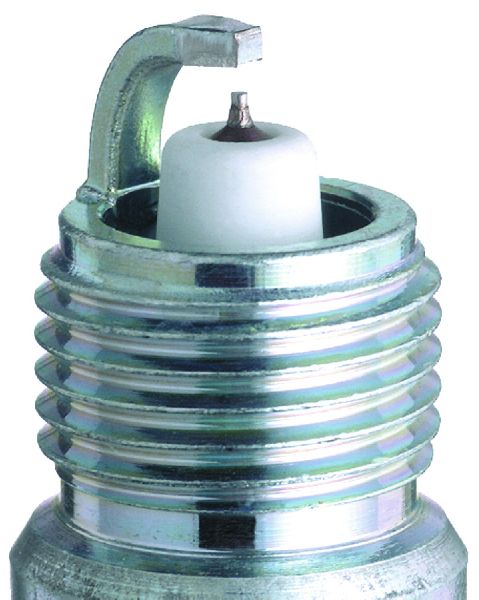
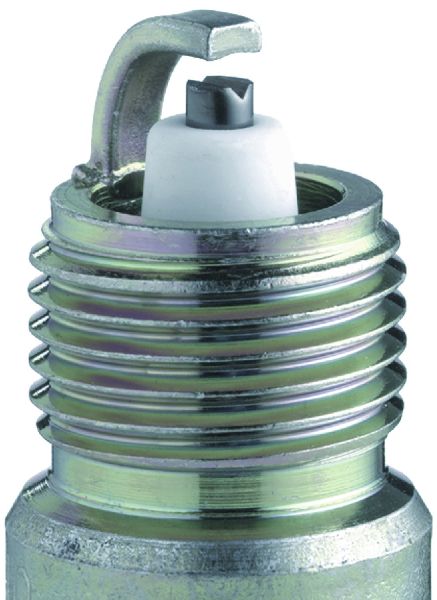
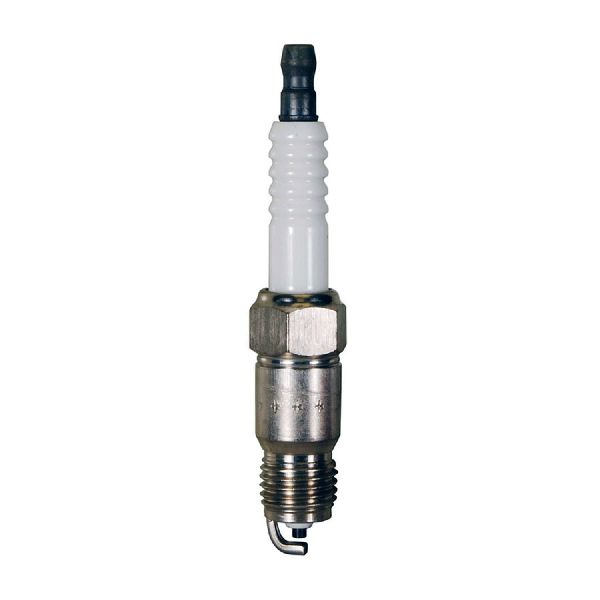
The gap is the small space between the center and ground electrodes at the tip of the plug. The spark has to jump this gap. The correct gap size ensures the most efficient spark for your K10's engine. For most V8 engines of this era with an HEI distributor, a gap of .045 inches is common, but you should always verify the specification for your specific engine and year. Always check and adjust the gap on new plugs before installation using a gapping tool.
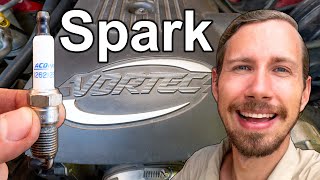
🎬 Follow this step-by-step tutorial for replacing your spark plugs.Do I need different plugs for my 250 L6, 305 V8, or 350 V8?
Yes, different engines often require different spark plugs with specific heat ranges and thread reaches. Always confirm the correct part number for your K10's exact engine. Using the wrong plug can cause poor performance or even engine damage.
Is it hard to change the spark plugs myself?
No, changing spark plugs on a 1975-1986 K10 is a great DIY job for beginners. Access is generally good, especially on the driver's side. The rearmost plug on the passenger side can be a bit tight, but basic tools like a ratchet, extensions, and a spark plug socket are all that's needed. Always work on a cool engine and change one plug at a time to avoid mixing up the spark plug wires.
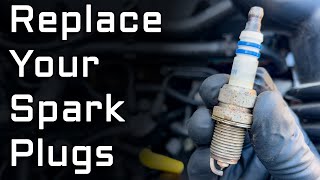
🎬 See how to remove and install spark plugs on Chevy trucks.Helpful Videos
Technical Specifications
OEM Part Numbers: R45TS R44T R44LTS6 CR43TS
The most common engines (305, 350 V8) with HEI ignition typically use a 14mm thread spark plug with a tapered seat. The recommended spark plug gap is often .045 inches, but this should be verified for your specific year and engine combination.
We Have This Part in Stock

The information in this article is provided for general reference and educational purposes only. Vehicle specifications, procedures, and part compatibility can vary by production date, trim level, and region. Always consult your vehicle's factory service manual and verify part numbers before purchasing or performing repairs. Safety-critical components such as airbags, seat belts, and braking systems should be installed by a qualified professional.