

Choosing the Right Spark Plugs for Your 1975-1986 Chevrolet K20
Keep your classic K20 running strong with the correct spark plugs for its simple and rugged engine.
- Stick with standard copper core spark plugs from reputable brands like ACDelco, NGK, or Denso for the best performance in your K20's stock engine.
- Always check and set the spark plug gap before installation; a common gap for these trucks is 0.035 inches, but confirm for your specific engine.
- Replacing spark plugs is a simple DIY job that requires basic tools, but some rear plugs can be tricky to access without extensions and a swivel socket.
- There are no recalls or specific Technical Service Bulletins (TSBs) related to spark plugs for the 1975-1986 Chevrolet K20.
Signs of Failing Spark Plugs
The spark plugs in your K20 work in a harsh environment and wear out over time. When they start to fail, you'll likely notice one or more of these symptoms:
- Rough Idling: The engine may shake or vibrate more than usual when stopped.
- Hard Starting: The truck may take longer to crank before the engine starts, or it may not start at all.
- Engine Misfires: You might feel a hesitation or stumble during acceleration. In some cases, you may hear a popping sound from the engine.
- Reduced Power and Fuel Economy: Worn plugs can't burn the fuel mixture efficiently, leading to a noticeable drop in power and more trips to the gas station.
- Black or Oily Plugs: When you remove the plugs, if they are black and sooty or covered in oil, it indicates a problem. Oil on the plugs can be a sign of worn piston rings or valve seals.
Choosing the Right Aftermarket Spark Plug
For a 1975-1986 Chevrolet K20, you don't need the most expensive, high-tech spark plugs. These engines were designed for simple, reliable copper core plugs. While platinum and iridium plugs are available, they often don't provide a noticeable benefit and are not worth the extra cost for these vintage engines. Sticking with the original equipment (OE) type is usually the best approach.
Aftermarket Brand Tiers
| Tier | Brands | General Assessment |
|---|---|---|
| OEM & Premium Aftermarket | ACDelco, NGK, Denso | ACDelco was the original equipment supplier for your K20. Using their standard copper plugs, like the R45TS, is a safe and reliable choice. NGK and Denso are also excellent Japanese brands known for high-quality manufacturing and consistent performance. Many owners find these brands run best in their trucks. |
| Quality Aftermarket | Autolite, Champion, Bosch | These are well-known brands that offer a good balance of quality and price. Autolite and Champion are popular choices that perform well in these classic Chevy engines. They are a solid option for regular maintenance. |
| Performance/Specialty | Accel | Accel is often seen as a performance-oriented brand. Some owners prefer them, but for a stock or lightly modified K20, they are generally not necessary. |
A Note on Modern Plugs
Avoid fancy, multi-electrode plugs like the E3 or overly expensive iridium plugs. The ignition systems in these older trucks are not designed for them, and they can sometimes cause more problems than they solve. A standard, properly gapped copper plug is the most reliable choice.
Frequently Asked Questions (FAQ)
How often should I change the spark plugs on my K20?
For standard copper plugs in these engines, a good rule of thumb is to inspect them every 10,000 to 15,000 miles and replace them every 20,000 to 30,000 miles, or sooner if you notice any of the failure symptoms. Some owners report plugs fouling in as little as 4,000-5,000 miles if the engine is not running perfectly.
What does 'spark plug gap' mean and why is it important?
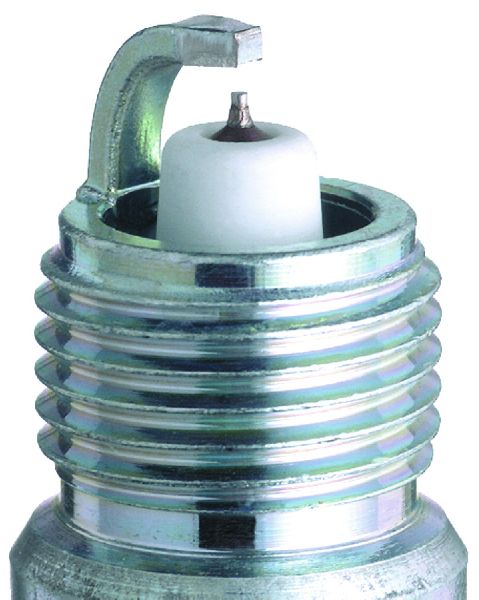
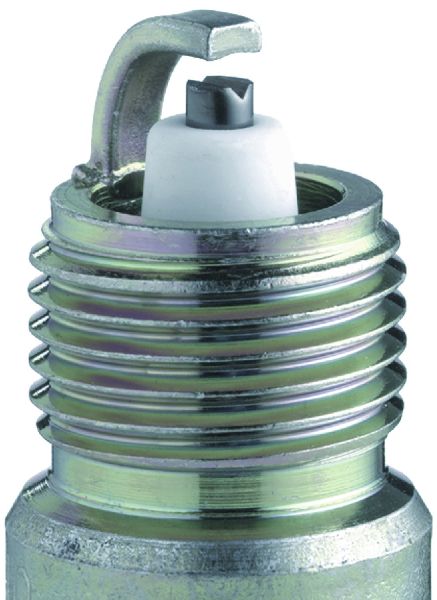
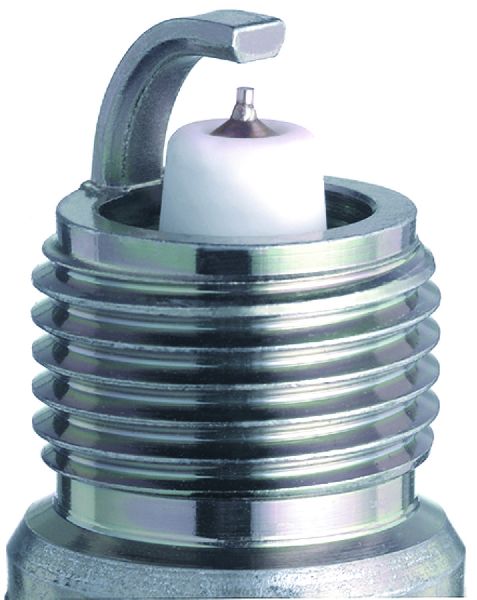
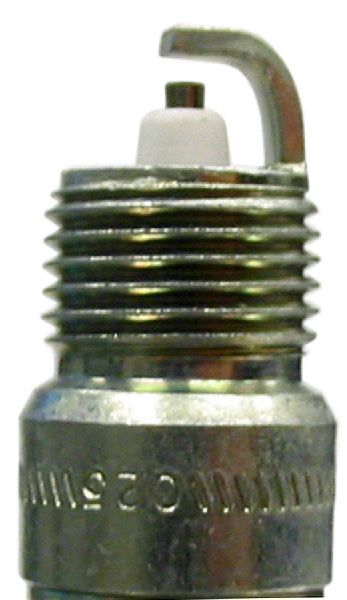
The 'gap' is the small space between the center and side electrodes at the tip of the plug. The spark has to jump this gap. The size of the gap is critical for proper ignition. For a V8 K20 of this era, a common gap setting is 0.035 inches, but you should always verify the correct specification for your specific engine and year. You'll need a feeler gauge or gapping tool to check and set the gap on your new plugs before installation.
Do I need special tools to change my spark plugs?
The job is straightforward and requires basic tools. You will need a ratchet, a few extensions of different lengths, and a specific spark plug socket (usually 5/8-inch for these trucks). A swivel adapter can be very helpful for reaching the rear plugs, especially on the passenger side. It's also a good idea to have a torque wrench to tighten the new plugs correctly.
Should I use anti-seize on the new spark plug threads?
This is a debated topic. Some mechanics apply a small amount of copper anti-seize to the threads to prevent them from getting stuck in the iron cylinder heads. However, many modern spark plugs have a special plating that provides the same benefit, and manufacturers like NGK advise against it. If you do use it, apply only a very small amount to the threads, avoiding the electrode, and reduce the tightening torque by about 10-15%.
Technical Specifications
OEM Part Numbers: R45TS
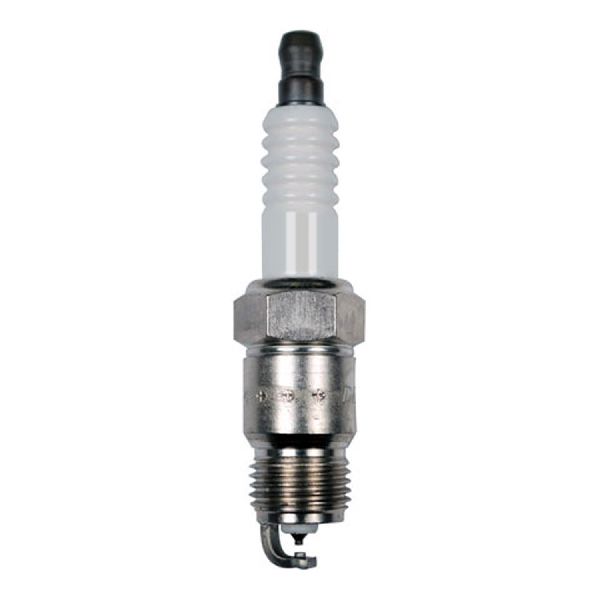
The most common spark plug for these trucks is a 14mm thread, tapered seat, resistor-type plug. The factory-recommended ACDelco R45TS is a copper core plug. The correct gap is crucial, with 0.035" being a common specification for V8 models. Always verify the spec for your specific engine (I6, Small-Block V8, Big-Block V8).
We Have This Part in Stock

The information in this article is provided for general reference and educational purposes only. Vehicle specifications, procedures, and part compatibility can vary by production date, trim level, and region. Always consult your vehicle's factory service manual and verify part numbers before purchasing or performing repairs. Safety-critical components such as airbags, seat belts, and braking systems should be installed by a qualified professional.