

Choosing the Right Spark Plugs for Your 1975-1989 Chevrolet P20
Get your classic step van running smoothly with the correct new aftermarket spark plugs for its engine.
- For stock 1975-1989 P20 engines, standard copper core plugs from ACDelco or NGK are the recommended choice for reliability and value.
- Always verify your engine type (V8 or I6) to order the correct number of plugs.
- Checking and setting the spark plug gap (usually 0.035") before installation is critical to prevent running issues.
- Symptoms like rough idle, misfiring, and poor acceleration are strong indicators that it's time for a spark plug change.
Is Your P20 Spark Plug Failing? Common Symptoms
When spark plugs wear out, they can't create a strong enough spark. This leads to noticeable problems that you can feel and hear. Because the 1975-1989 P20 uses a simpler engine design, the symptoms of bad plugs are often easy to spot.
- Rough Idle: Your van may shake or vibrate when stopped, and the engine will sound unsteady or like it's sputtering.
- Engine Misfires: You might hear a sputtering or popping sound from the engine, especially when accelerating. A misfire means the fuel and air in a cylinder failed to ignite properly.
- Hard Starting: Worn plugs have a harder time creating the initial spark needed to get the engine running, leading to longer cranking times.
- Poor Acceleration: The van may feel sluggish, hesitant, or unresponsive when you press the gas pedal.
- Reduced Fuel Economy: When combustion is inefficient due to a weak spark, your engine wastes fuel and you'll find yourself at the gas pump more often.
No Recalls or TSBs Found
Our research found no official recalls or Technical Service Bulletins (TSBs) from the NHTSA related to spark plugs for the 1975-1989 Chevrolet P20. Any running issues are almost always related to normal wear, incorrect parts, or improper installation.
Choosing the Right Aftermarket Spark Plug
For a stock 1975-1989 P20, the original spark plug technology is simple and effective. You do not need expensive, fancy plugs to get great performance. The most important factors are choosing a quality brand and ensuring the plug has the correct heat range and gap for your engine.
Tier 1: Standard Replacement (Recommended for Stock Engines)
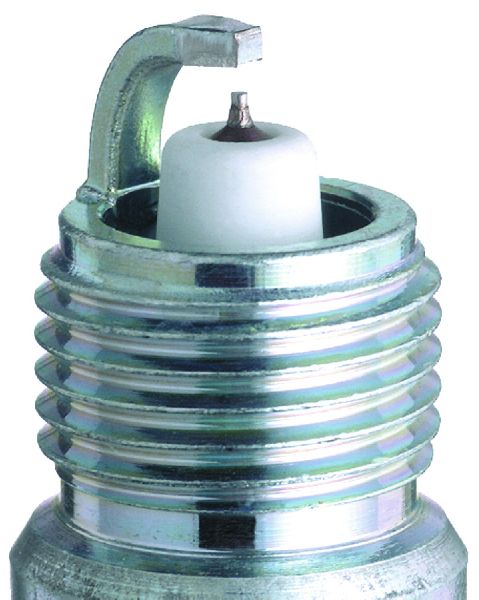
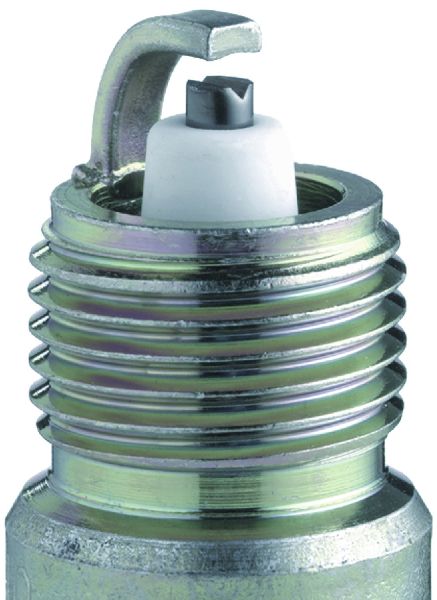
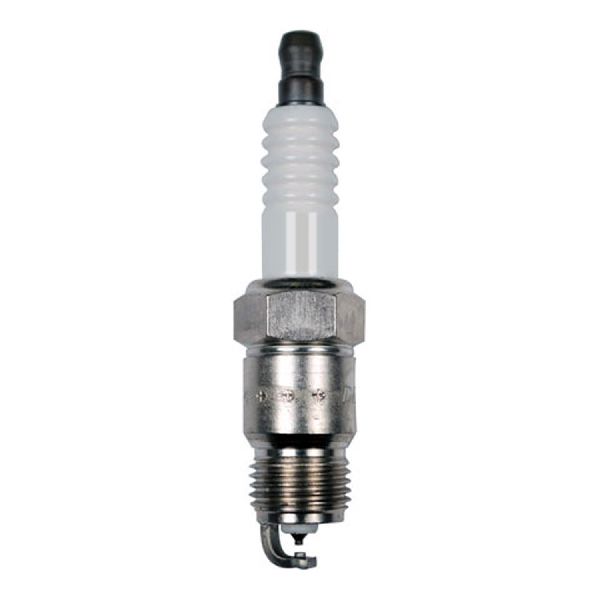
These are the plugs your P20's engine was designed for. They use a copper core, which is an excellent electrical conductor for the ignition systems of this era. They are inexpensive and provide reliable performance. Many experienced mechanics recommend sticking with the original style for these classic Chevy engines.
- ACDelco: As GM's original parts brand, ACDelco is a trusted choice for a direct, reliable replacement. The R45TS is a common part number for V8 models and serves as a reliable benchmark.
- NGK: NGK has a top-tier reputation for quality control and performance in all types of engines. Their standard copper plugs (like the V-Power line) are an excellent and often preferred alternative to OEM.
- Autolite: A long-standing American brand, Autolite provides good, reliable performance at a great value.
- Champion: A classic choice for American engines, Champion plugs are a suitable standard replacement. Some builders prefer them for classic Mopar engines, but they work well in these Chevys too.
Tier 2: Performance & Long-Life Plugs
These plugs use precious metals or special designs. While they will work in a P20, they may not be the most cost-effective choice for a stock vehicle.
- Accel & MSD: These brands specialize in high-performance ignition components. Their copper plugs are designed to provide the strongest spark in performance or racing applications, but are not necessary for a stock work van.
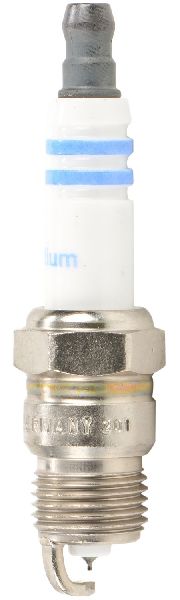
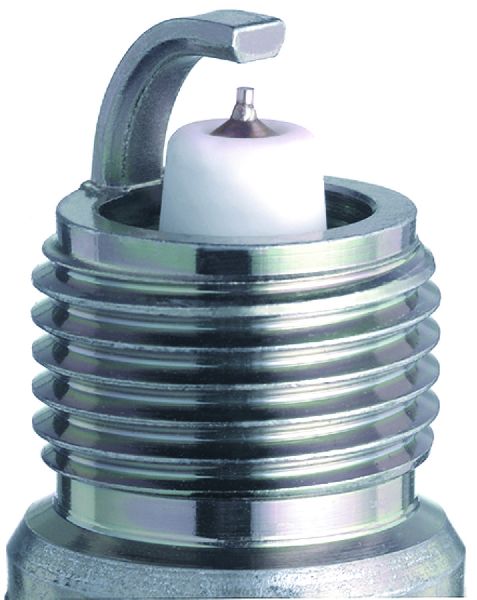
- Denso, Bosch, NGK (Iridium/Platinum): These plugs feature iridium or platinum tips designed for extremely long service life in modern cars. They will function correctly in a P20 and may provide a slightly smoother idle, but they will not increase horsepower on a stock engine and cost significantly more than standard copper plugs.
Pro Tip: Always Check the Gap!
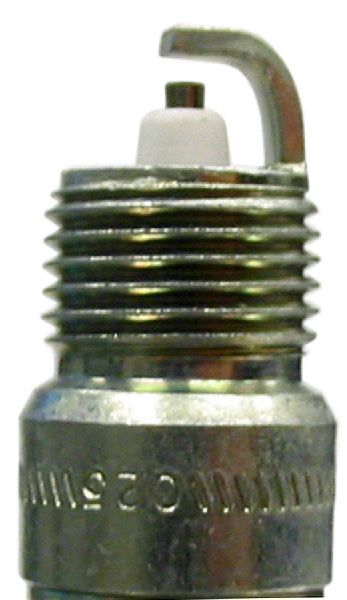
Never assume a new spark plug is gapped correctly out of the box. For these Chevy engines, the correct spark plug gap is critical for performance. An incorrect gap is a common cause of misfires and poor running. Most P20 engines from this era require a gap of 0.035 inches. Some later models with High Energy Ignition (HEI) may require 0.045 inches. Always verify the correct specification for your specific year and engine, and use a gapping tool to measure and adjust each plug before installation.
Aftermarket Spark Plug Cost for 1975-1989 Chevrolet P20
| Tier | Brands | Price Range (Per Plug) | Notes |
|---|---|---|---|
| Standard Copper | Autolite, Champion, Skyward | $3.53 - $8.00 | Best value for stock engines. |
| Premium Copper/Platinum | ACDelco, NGK, Bosch | $5.00 - $15.00 | Excellent quality and reliability. |
| Performance/Iridium | Accel, MSD, Denso, NGK Iridium | $10.00 - $90.21 | Long-life or high-performance applications. Overkill for most stock P20s. |
Frequently Asked Questions (FAQ)
Do I need expensive iridium plugs for my P20?
No. For a stock engine, standard copper-core plugs from a quality brand like ACDelco or NGK are the best choice for performance and value. Iridium plugs were designed for modern engines to have a very long service life, but they won't add power to your classic Chevy engine.
How do I know if I have a V8 or an inline-6?
The easiest way is to count the spark plug wires. An inline-6 (I6) engine will have 6 spark plugs and wires. A V8 engine will have 8. This is critical for ordering the correct number of plugs.
How often should I change the spark plugs on my P20?
For standard copper spark plugs used in these vehicles, a good service interval is every 20,000 to 30,000 miles, or whenever you notice symptoms like a rough idle or hard starting. Since these are often work vehicles, regular tune-ups are key to reliability.
What is a spark plug's "heat range"?
The heat range refers to how quickly the spark plug tip dissipates heat. It's important to use the heat range specified by the manufacturer. Using a plug that is too "hot" can cause engine damage, while a plug that is too "cold" can foul easily. Sticking to OEM recommendations (like the ACDelco R45TS) or their direct cross-references ensures you have the correct heat range.
Technical Specifications
OEM Part Numbers: 19354415
Common OEM Plug: ACDelco R45TS. Thread Size: 14mm. Seat Style: Tapered. Common Gap: 0.035 inches.
We Have This Part in Stock

The information in this article is provided for general reference and educational purposes only. Vehicle specifications, procedures, and part compatibility can vary by production date, trim level, and region. Always consult your vehicle's factory service manual and verify part numbers before purchasing or performing repairs. Safety-critical components such as airbags, seat belts, and braking systems should be installed by a qualified professional.
- 🛍️ Shop This Part
- Is Your P20 Spark Plug Failing? Common Symptoms
- No Recalls or TSBs Found
- Choosing the Right Aftermarket Spark Plug
- Tier 1: Standard Replacement (Recommended for Stock Engines)
- Tier 2: Performance & Long-Life Plugs
- Pro Tip: Always Check the Gap!
- Aftermarket Spark Plug Cost for 1975-1989 Chevrolet P20
- Frequently Asked Questions (FAQ)
- 🎟️ Get 5% Off