

A Guide to Choosing Spark Plugs for the 1977-1984 Pontiac Phoenix
Get your classic Phoenix running strong by picking the right spark plugs for your engine.
- You must know your engine size (2.5L I4 or 2.8L V6) to buy the correct spark plugs.
- Standard copper plugs from trusted brands like ACDelco, NGK, or Autolite are the best and most cost-effective choice for the Phoenix's original engine.
- Replacing spark plugs is a very easy and inexpensive DIY job that can be done in under an hour with basic tools.
- Always check and set the spark plug gap before installation; do not trust that they are correct out of the box.
Symptoms of Failing Spark Plugs
When your spark plugs get old, the metal electrodes wear down, creating a wider gap for the spark to jump. This weak spark can cause problems you'll notice while driving.
- Rough Idle: The engine may shake or shudder when you're stopped.
- Poor Acceleration: The car might feel sluggish or hesitate when you press the gas pedal.
- Lower Fuel Economy: You may find yourself filling up the gas tank more often than you used to.
- Hard Starting: The engine may take longer to crank and start, especially when cold.
- Engine Misfire: You might feel a stumbling or jerking from the engine, which is a classic sign of a plug not firing correctly.
Don't Ignore a Misfire
Continuously driving with a misfiring engine can cause unburnt fuel to enter the exhaust system, potentially damaging the catalytic converter—a much more expensive repair than replacing spark plugs.
Choosing the Right Aftermarket Spark Plug
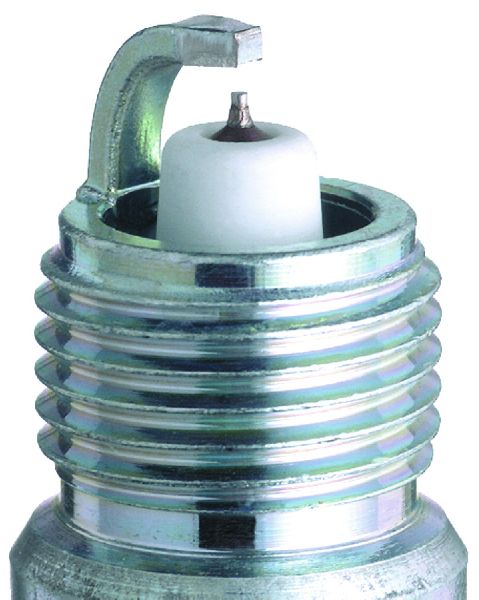
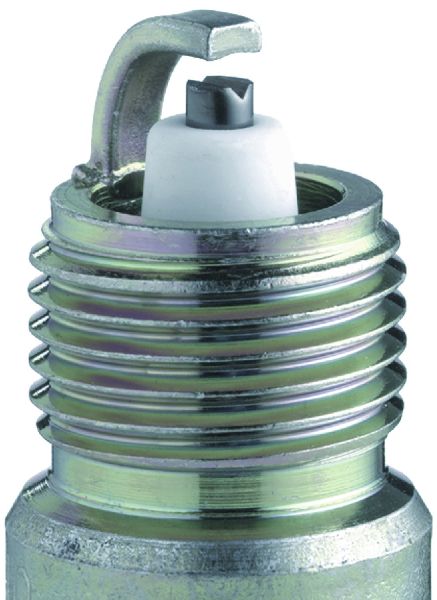
For a vehicle from this era, you don't need the most expensive, high-tech spark plugs. The ignition system was designed for standard copper or conventional plugs. Sticking with these proven types is often the best and most affordable choice. It is critical to buy plugs specified for your engine, as the 2.5L I4 and 2.8L V6 take different parts.
Brand Recommendations
Based on decades of owner experience with these GM engines, some brands are consistently recommended.
Tier 1: OEM Quality & Trusted Brands
- ACDelco: As the original factory part supplier for GM, ACDelco plugs are a guaranteed fit and will restore original performance. They are highly recommended for these engines.
- NGK: A top-quality brand known for reliability that meets or exceeds factory standards. Many mechanics and owners use NGK plugs as a preferred alternative.
- Autolite: A long-standing, reliable American brand that offers good performance and value. Many owners have used them with good results.
- Champion: Another classic brand that was original equipment on many vehicles of this era. They are a solid, affordable choice.
Tier 2: Performance & Long-Life Brands
- Denso: Often available in platinum or iridium, these are high-quality plugs that can offer a longer service life.
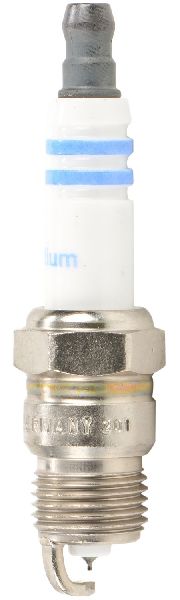
- Bosch: A well-known brand offering various plug types. While their standard plugs are fine, some older GM ignition systems can be sensitive to their platinum plugs.
- MSD & Accel: These brands are focused on high-performance ignition systems. For a stock Pontiac Phoenix engine, their plugs are generally not necessary but are of good quality.
Tier 3: Budget-Friendly
- Skyward: This is a value-oriented brand. While functional, for critical components like spark plugs, sticking with a more established brand from Tier 1 is recommended for long-term reliability.
A Note on Iridium and Platinum Plugs
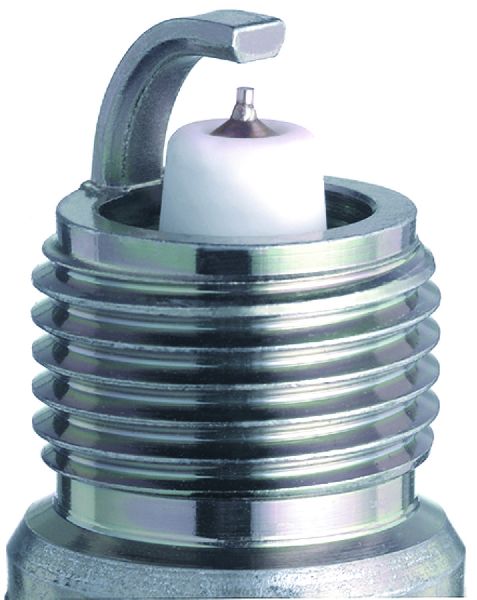
While modern plugs made from iridium or platinum last much longer, they don't necessarily provide better performance on an older engine like the one in your Phoenix. The original ignition system was not designed for them. A standard copper plug from a brand like ACDelco or NGK will provide a great spark and save you money.
New Aftermarket Spark Plug Cost (1977-1984 Pontiac Phoenix)
| Tier | Price Range (per plug) | Total for 4-Cyl (4) | Total for V6 (6) |
|---|---|---|---|
| Standard (Copper/Nickel) Autolite, Champion, NGK V-Power |
$2.39 - $5.00 | $10 - $20 | $15 - $30 |
| Premium (Platinum/Iridium) NGK IX, Denso TT, Bosch |
$6.00 - $15.00 | $24 - $60 | $36 - $90 |
| Performance MSD, Accel |
$15.00 - $25.00+ | $60 - $100+ | $90 - $150+ |
Frequently Asked Questions
How often should I change the spark plugs?
For standard copper spark plugs, a good rule of thumb is to replace them every 20,000 to 30,000 miles. This was a common interval for tune-ups on cars from this era. Since rust can be an issue on older engines, changing them regularly prevents them from seizing in the cylinder head.
What is the correct spark plug gap?
The correct gap is critical for performance. For many GM engines of this period, a gap of 0.060 inches was common, but this can vary by year and engine. Always verify the correct specification for your exact model and use a gap tool to check and adjust each new plug before installation. Do not assume they are gapped correctly out of the box.
Is this a difficult job to do myself?
No, this is a very easy job for a DIY mechanic. On both the 4-cylinder and V6 engines, the spark plugs are typically easy to access. You will need a ratchet, a spark plug socket, and an extension. The entire job should take less than an hour.
Should I use anti-seize on the new spark plugs?
This is a topic of debate. Some plug manufacturers, like NGK, advise against it because their plugs have a special plating that prevents seizing. Applying anti-seize can cause you to over-torque the plug. If you do use it, use only a very small amount on the threads, avoiding the electrode.
Known Issues, Recalls, and TSBs
Searches for recalls and Technical Service Bulletins (TSBs) specific to spark plugs on the 1977-1984 Pontiac Phoenix did not return any results. The NHTSA database shows recalls for this vehicle related to brakes, steering, and fuel systems, but none for the ignition system or spark plugs. Any issues with spark plugs on a vehicle of this age are typically due to normal wear and tear rather than a manufacturing defect.
Technical Specifications
Engine-specific. Common spark plug gap is 0.060", but always verify for your specific year and engine. The 2.5L engine uses 4 plugs, and the 2.8L V6 uses 6 plugs.
We Have This Part in Stock
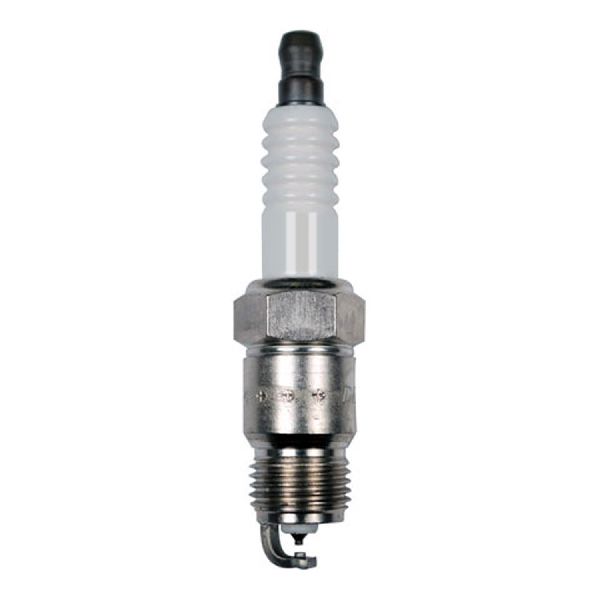
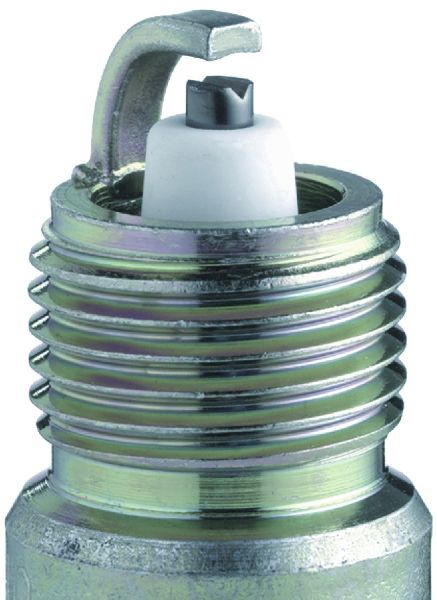

The information in this article is provided for general reference and educational purposes only. Vehicle specifications, procedures, and part compatibility can vary by production date, trim level, and region. Always consult your vehicle's factory service manual and verify part numbers before purchasing or performing repairs. Safety-critical components such as airbags, seat belts, and braking systems should be installed by a qualified professional.
- 🛍️ Shop This Part
- Symptoms of Failing Spark Plugs
- Don't Ignore a Misfire
- Choosing the Right Aftermarket Spark Plug
- Brand Recommendations
- A Note on Iridium and Platinum Plugs
- New Aftermarket Spark Plug Cost (1977-1984 Pontiac Phoenix)
- Frequently Asked Questions
- Known Issues, Recalls, and TSBs
- 🎟️ Get 5% Off