

A Guide to Spark Plugs for the 1979-1984 Ford Mustang
Keep your Fox Body running strong by choosing the right spark plugs for your specific engine.
- Always choose spark plugs based on your Mustang's specific engine (2.3L, 5.0L, etc.).
- For stock or near-stock engines, affordable copper plugs from Motorcraft or Autolite are an excellent choice.
- Always check and set the spark plug gap with a proper tool before installation.
- No recalls or major TSBs related to spark plugs were found for this vehicle generation.
Symptoms of Bad Spark Plugs
Worn-out or fouled spark plugs can cause noticeable problems in your Mustang. Because these cars have simpler engine systems than modern vehicles, the effects of a bad plug can be very obvious. Look out for these common signs:
- Rough Idling: The engine may sound shaky or uneven when you're stopped at a light. You might also feel vibrations through the car.
- Engine Misfires: You may feel a hesitation or stumble from the engine during acceleration. This happens when a plug fails to ignite the fuel in its cylinder.
- Poor Acceleration: If your Mustang feels sluggish and has lost its get-up-and-go, weak spark could be the cause.
- Reduced Fuel Economy: When plugs don't fire efficiently, your engine wastes fuel, and you'll find yourself at the gas station more often.
- Hard Starts: A car that is slow to turn over or won't start can be a symptom of worn spark plugs that can't create a strong enough spark.
Choosing the Right Aftermarket Spark Plug
The most important factor for your 1979-1984 Mustang is choosing a spark plug that is correct for your specific engine, whether it's the 2.3L four-cylinder, the 3.3L inline-six, or the 4.2L and 5.0L V8s. Using the wrong plug can lead to poor performance and even engine damage.
Pro Tip: Copper is King for Stock Engines
For a stock or lightly modified Mustang from this era, standard copper spark plugs are often the best choice. They are inexpensive, conduct electricity very well, and were the original technology for these vehicles. While platinum and iridium plugs last longer, they won't necessarily provide better performance on these older ignition systems and may be a waste of money.
Brand Tiers for Your Mustang
Tier 1: OEM & Direct Equivalents
These brands provide factory-level quality and are a safe bet for any stock engine. They are designed to meet Ford's original specifications.
- Motorcraft: This is Ford's own brand and was the original equipment in your Mustang. You cannot go wrong with a direct Motorcraft replacement for your engine.
- Autolite: A very popular and affordable alternative to Motorcraft. Many Mustang owners use Autolite copper plugs with great results.
Tier 2: High-Quality Aftermarket & Performance
These brands are well-respected and offer excellent performance, sometimes exceeding OEM standards. They are a great choice for daily drivers and performance-oriented builds.
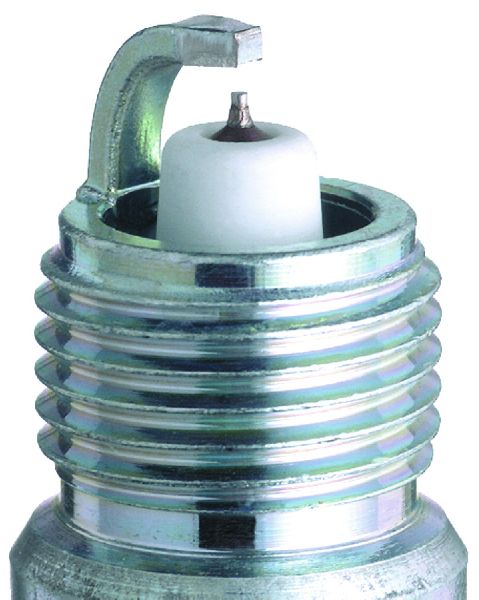
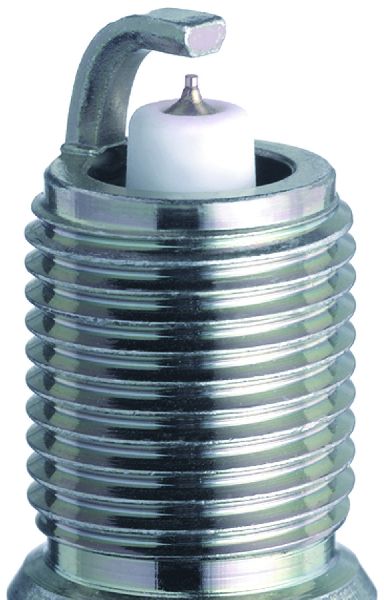
- NGK: A top choice among enthusiasts, NGK offers standard copper (V-Power) and long-life iridium (Iridium IX) plugs that are known for their quality and reliability.
- Denso: Another high-quality Japanese brand, Denso provides reliable plugs that are a popular upgrade for many vehicles.
- Bosch: A long-standing German brand offering a range of plugs from standard copper to double iridium.
Tier 3: Performance & Racing Focused
If your Mustang is modified for higher performance, these brands specialize in ignition components that can handle the extra demands.
- Accel & MSD: These brands are well-known in the racing and hot-rodding communities for providing a hotter, more powerful spark needed for modified engines.
Aftermarket Spark Plug Cost (1979-1984 Ford Mustang)
| Plug Material | Typical Price Range (Per Plug) | Best For |
|---|---|---|
| Copper | $2.50 - $8.00 | Stock engines, frequent tune-ups, best performance value. |
| Platinum / Double Platinum | $5.00 - $25.00 | Longer service life than copper. |
| Iridium | $9.00 - $30.00+ | Maximum longevity and consistent spark in performance applications. |
Note: Prices are estimates and can vary based on brand and specific part number. V8 engines require 8 plugs, while 4-cylinder engines require 4.
Frequently Asked Questions
How often should I change the spark plugs on my Mustang?
For a 1979-1984 Mustang using standard copper plugs, it's a good practice to inspect them every oil change and replace them every 15,000 to 30,000 miles, or during a routine tune-up. Platinum or iridium plugs can last much longer, but on these older engines, frequent checks are still wise.
Do I need to gap my new spark plugs?
Yes. Even if the plugs claim to be "pre-gapped," you should always verify the gap with a spark plug gap tool before installation. The correct gap is critical for performance and varies by engine and year. An incorrect gap can cause misfires and poor running.
What is a spark plug 'heat range'?
The heat range refers to how quickly the spark plug tip dissipates heat. A "hotter" plug retains more heat, while a "colder" plug transfers heat away more quickly. Stock engines use a specific heat range recommended by Ford. If you have modified your engine (e.g., added a turbocharger, supercharger, or nitrous), you will likely need a colder plug to prevent detonation.
Should I use anti-seize on the spark plug threads?
This is a topic of debate. Traditionally, a small amount of anti-seize was recommended to prevent plugs from getting stuck in the cylinder head. However, some modern plug manufacturers like NGK advise against it because their plugs have a special plating that prevents seizing. If you do use it, apply only a very small amount to the threads, avoiding the electrode, and reduce your torque setting slightly.
Technical Specifications
OEM Part Numbers: ASF42C AWSF42C AWSF32C SP-493
Spark plug selection is highly dependent on the engine type (2.3L I4, 2.3L Turbo, 3.3L I6, 4.2L V8, 5.0L V8) and any performance modifications. The most common wrench size is 5/8 inch. The material can be copper, platinum, or iridium. Always verify the correct part number and gap specification for your specific application.
We Have This Part in Stock

The information in this article is provided for general reference and educational purposes only. Vehicle specifications, procedures, and part compatibility can vary by production date, trim level, and region. Always consult your vehicle's factory service manual and verify part numbers before purchasing or performing repairs. Safety-critical components such as airbags, seat belts, and braking systems should be installed by a qualified professional.