

Choosing the Best Spark Plugs for Your 1979-1987 GMC C1500
Keep your classic GMC's engine firing on all cylinders with the right set of new spark plugs.
- For stock engines, standard ACDelco or NGK copper plugs offer the best value and performance.
- Always check and adjust the spark plug gap to your engine's specification (typically .035"-.045") before installation.
- Replacing spark plugs is a simple, DIY-friendly task on these trucks that requires basic tools.
- Consider replacing the spark plug wires at the same time to ensure a strong, reliable spark.
Signs of Failing Spark Plugs
When your spark plugs are worn out, they'll give you clear signs. Because these trucks have simpler, pre-computerized engine systems, you'll often feel the problems directly. Look out for these symptoms:
- Rough Idle: The engine may shake or sound uneven when you're stopped. This is often caused by an inconsistent spark in one or more cylinders.
- Engine Misfires: You might feel the truck hesitate or jerk while driving. This happens when a plug fails to fire, interrupting the engine's rhythm.
- Poor Acceleration: If your truck feels sluggish and slow to respond, weak spark could be the cause.
- Reduced Fuel Economy: Making more trips to the gas station? Worn plugs can lead to incomplete fuel combustion, wasting gas.
- Hard Starting: Trouble getting the engine to turn over, especially in the cold, can be a sign of weak spark.
A Note on Known Issues
No specific recalls or Technical Service Bulletins (TSBs) related to spark plugs were found for the 1979-1987 GMC C1500. Problems are typically due to normal wear and tear. However, on these older engines, issues like oil fouling from worn piston rings or a carburetor running too rich can cause new spark plugs to fail prematurely. If you repeatedly foul plugs on one cylinder, it's a sign of a deeper engine issue.
Choosing the Right Aftermarket Spark Plugs
For a classic truck like the C1500, you have several good options. The original plugs were basic copper core, but modern materials offer longer life. Here’s how to choose:
Tier 1: OEM-Style & Reliable Copper Core
These are the workhorses. They provide excellent performance for a stock or lightly modified engine at a great price. They just need to be changed more often, typically every 12,000-30,000 miles.
- ACDelco: As the original equipment supplier for GM, standard ACDelco copper plugs (like the R45TS) are a go-to choice that you can't go wrong with. They are known to perform reliably in these engines.
- NGK V-Power: A very popular and high-quality alternative. Many owners and mechanics trust NGK for their consistent performance and quality construction.
- Champion Copper Plus: Another classic brand that offers reliable performance for daily driving. Some owners have good experiences, though brand preference often comes down to personal experience.
Tier 2: Long-Life Platinum & Iridium
If you want to extend the time between changes, platinum and iridium plugs are a great upgrade. They offer a long service life and a consistent spark, though they come at a higher initial cost.
- NGK Iridium IX: A top-tier choice for longevity and performance. They provide a strong spark and are highly durable.
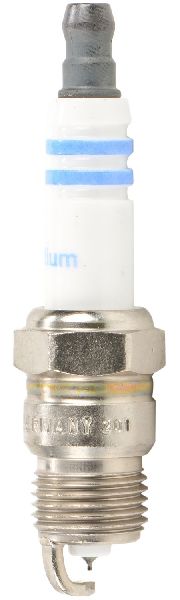
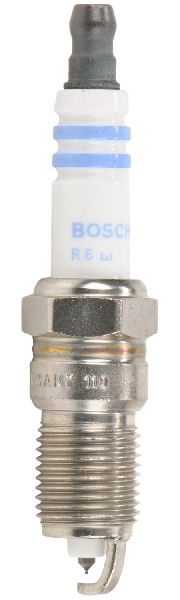
- Bosch Platinum / Double Iridium: Bosch offers fine-wire platinum and iridium plugs that are considered a performance life upgrade over standard copper plugs.
- Denso: A major Japanese OEM supplier known for high-quality plugs, offering both standard and long-life iridium options that are a solid choice for any engine.
Pro Tip: Check The Gap!
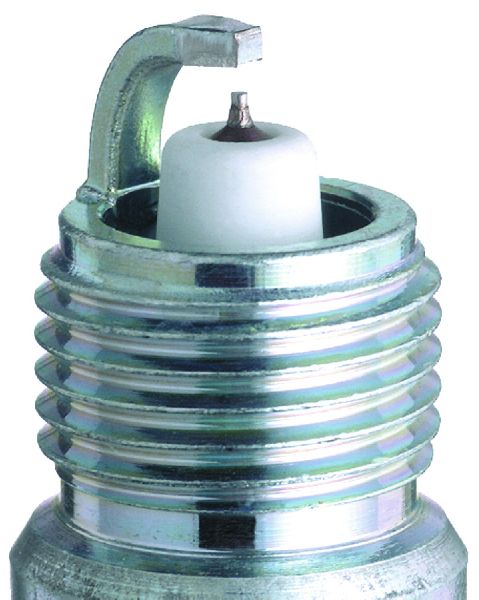
Always check the spark plug gap before installation, even if the box says they are "pre-gapped." The correct gap for most V8 engines in this era with an HEI (High Energy Ignition) system is typically between .035" and .045". An incorrect gap can lead to poor performance and misfires. Use a feeler gauge or gap tool to be sure.
Estimated Costs
| Part Type | Cost Range |
|---|---|
| New Aftermarket Spark Plugs (per set of 6 or 8) | $20 - $120 |
| Shop Labor for Installation | $100 - $250 |
Frequently Asked Questions
How often should I change the spark plugs on my C1500?
For standard copper plugs, a good interval is every 12,000 to 30,000 miles. If you upgrade to platinum or iridium plugs, you can often go 60,000 miles or more. Given the age of these trucks, regular inspection is always a good idea.
Is it difficult to change the spark plugs myself?
No, this is a very DIY-friendly job on a 1979-1987 C1500. The engine bay has plenty of room to work. You'll need a ratchet, a spark plug socket, and an extension. Access to some plugs, especially on the driver's side, might be tight due to the steering column and brake booster, but it's manageable.
Should I use anti-seize on the new spark plug threads?
This is a debated topic. Some plug manufacturers like NGK advise against it because their plugs have a special plating that prevents seizing. If you do use it, apply only a very small amount to the threads, avoiding the electrode, and reduce the final torque by about 10-15% to avoid over-tightening.
Should I replace the spark plug wires at the same time?
It's a great idea. Spark plug wires degrade over time and can cause a weak spark or misfires even with new plugs. Replacing them as a set ensures your entire ignition system is in top shape.
Technical Specifications
OEM Part Numbers: R45TS CR43TS
Spark plug gap varies by engine and ignition system. For HEI systems common in this era, the gap is typically between 0.035 inches and 0.045 inches. Always verify the specification for your specific engine.
We Have This Part in Stock


The information in this article is provided for general reference and educational purposes only. Vehicle specifications, procedures, and part compatibility can vary by production date, trim level, and region. Always consult your vehicle's factory service manual and verify part numbers before purchasing or performing repairs. Safety-critical components such as airbags, seat belts, and braking systems should be installed by a qualified professional.