

Choosing the Right Spark Plugs for Your 1979-1989 GMC G1500 Van
Getting the right spark plugs for your classic G-series van is about more than just brand names; it's about understanding your engine's needs.
- Access is the main difficulty; be prepared to remove the interior engine cover ('doghouse') and use swivels and extensions.
- Standard copper plugs from ACDelco or NGK are excellent, affordable choices for a stock engine.
- Upgrading to platinum or iridium plugs costs more but can double or triple the replacement interval, which is a major benefit given the difficult installation.
- Always check and adjust the spark plug gap before installation, even if the plugs are advertised as pre-gapped.
The Biggest Challenge: Access
Before we talk about parts, let's talk about the job itself. The most difficult part of changing the spark plugs on a 1979-1989 GMC G1500 isn't the technical skill, it's the tight space. Because the engine sits between and behind the front seats, you'll need to remove the interior engine cover, often called the "doghouse," to get to most of the plugs. Even with the cover off, the rearmost plugs can be very difficult to reach, often requiring a combination of socket extensions and swivels. Some of the front plugs may be easier to access by going through the front wheel wells. This difficult access is a key reason to choose a quality, long-lasting spark plug to maximize the time between changes.
Choosing the Right Aftermarket Spark Plug
For a vehicle like the G1500, aftermarket spark plugs are not a step-down in quality. Many of the brands available were original equipment suppliers for GM and other automakers. The key is to choose the right type of plug for your van's engine and how you use it.
Tier 1: OEM-Style & Standard Replacement
These are the workhorses. They are typically copper-core plugs, just like the ones your van came with from the factory. They provide excellent performance for a stock engine at a great price. Their main downside is a shorter lifespan compared to platinum or iridium plugs.
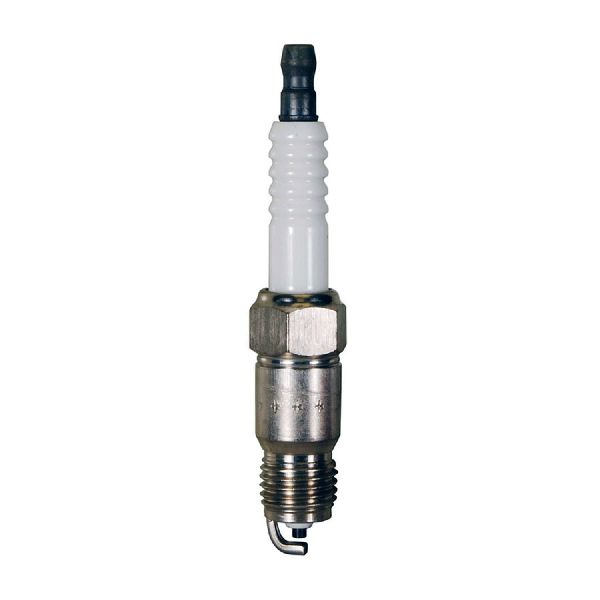
- ACDelco: Often the original equipment brand for GM, ACDelco plugs are a reliable, no-nonsense choice. The ACDelco R45TS is a commonly cited part for these engines and is considered a safe bet.
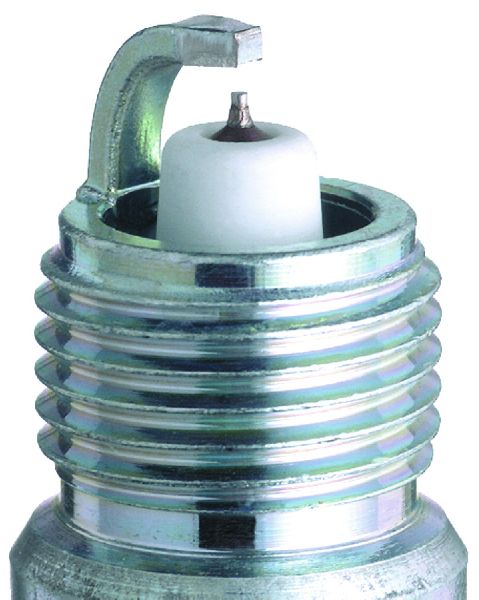
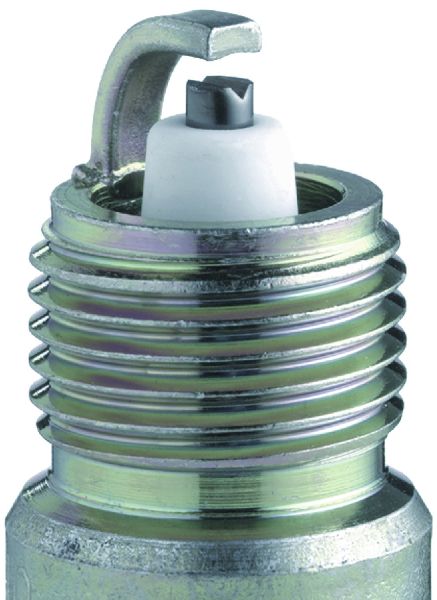
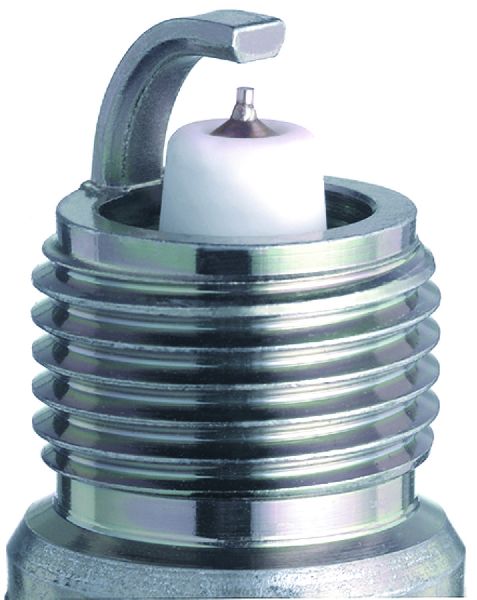
- NGK: Highly recommended by mechanics and enthusiasts. Their V-Power series (like the UR4) is a very popular and trusted option for the Chevy 350 V8 engine common in these vans.
- Autolite: A solid, dependable brand that offers good performance and value.
Tier 2: Long-Life & Performance Upgrade
If you want to extend the time between the difficult job of changing plugs, or if you have a modified engine, these are good options. They use more exotic materials like platinum or iridium on the electrode to resist wear.
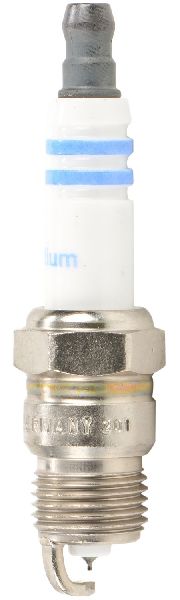
- Bosch: Offers a range of plugs, including double iridium and platinum options that provide a long service life and consistent spark.
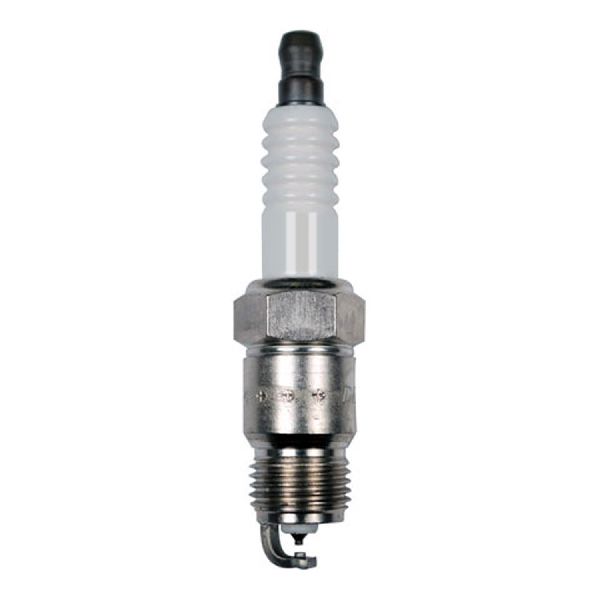
- Denso: Known for quality and innovation, Denso's Platinum TT and Iridium plugs are excellent choices for improved performance and longevity.
- NGK (Iridium/Platinum): NGK's premium plugs, like the G-Power Platinum or Iridium IX series, offer the brand's renowned quality with a much longer lifespan than standard copper plugs.
A Note on Champion and Accel
Champion plugs have mixed reviews in the community; while some see them as a standard option, many experienced owners advise against using them, citing quality concerns. Accel plugs are geared towards performance engines and are known for their "shorty" plugs, which can provide extra clearance for aftermarket exhaust headers—something most stock vans won't need.
| Tier | Average Price (per plug) | Brands |
|---|---|---|
| Standard Copper | $3.50 - $6.00 | ACDelco, Autolite, NGK V-Power |
| Platinum / Double Platinum | $6.00 - $15.00 | Bosch, Denso, NGK G-Power |
| Iridium | $9.00 - $25.00+ | NGK Iridium IX, Bosch, Denso |
Frequently Asked Questions (FAQ)
Should I use copper, platinum, or iridium plugs?
For a stock 1979-1989 G1500, standard copper plugs (like ACDelco or NGK) work perfectly well and are what the ignition system was designed for. However, because changing the plugs is so difficult, many owners choose platinum or iridium plugs. They cost more upfront but can last two to three times longer, saving you from having to do the job again for many years.
Do I need to gap the spark plugs?
Yes. Gapping is the process of setting the correct distance between the two electrodes on the plug. Even if plugs are advertised as "pre-gapped," you should always check them with a gap tool before installation. The correct gap for a G1500 with an HEI distributor is typically between .035 and .045 inches, but you should always confirm the specification for your specific engine and ignition system.
Are there any recalls or TSBs for G1500 spark plugs?
No. Due to the age of the vehicle, there are no active recalls or Technical Service Bulletins (TSBs) from NHTSA or GM specifically concerning spark plugs for the 1979-1989 model years.
What tools do I need to change the spark plugs?
You will need a ratchet, a dedicated spark plug socket (usually 5/8" or 16mm), various lengths of socket extensions, a universal swivel joint, a spark plug gap tool, and dielectric grease for the plug boots. A pair of spark plug wire pliers can also be very helpful for removing the wires without damaging them.
Technical Specifications
Engine configurations and ignition systems vary. The most common engines are the 4.3L V6, 5.0L (305) V8, and 5.7L (350) V8. Most will use a 14mm thread spark plug with a 5/8" hex. The recommended spark plug gap is typically between .035" and .045" for HEI ignition systems. Always verify the correct part number and gap for your specific engine.
We Have This Part in Stock

The information in this article is provided for general reference and educational purposes only. Vehicle specifications, procedures, and part compatibility can vary by production date, trim level, and region. Always consult your vehicle's factory service manual and verify part numbers before purchasing or performing repairs. Safety-critical components such as airbags, seat belts, and braking systems should be installed by a qualified professional.