

Mazda RX-7 A/C Receiver Drier Guide for 1979-1995 Models
Keep your RX-7's A/C blowing cold by understanding this critical, often-overlooked part.
- Always replace the receiver drier whenever the A/C system is opened for any repair.
- Replacement requires special equipment to evacuate and recharge the refrigerant, making it a job for a professional shop.
- For 1993-1995 (FD) models, you must identify if you have a MANA or Denso system before ordering, as they are not interchangeable.
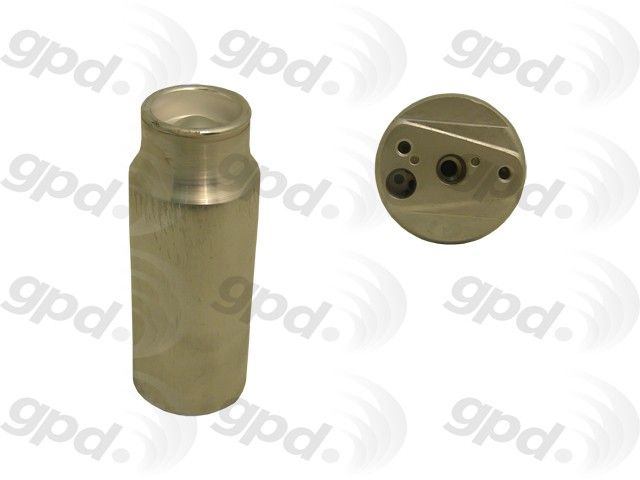
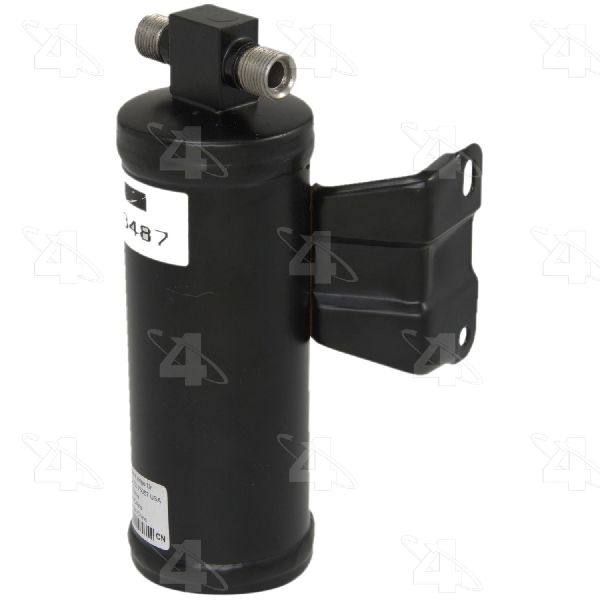
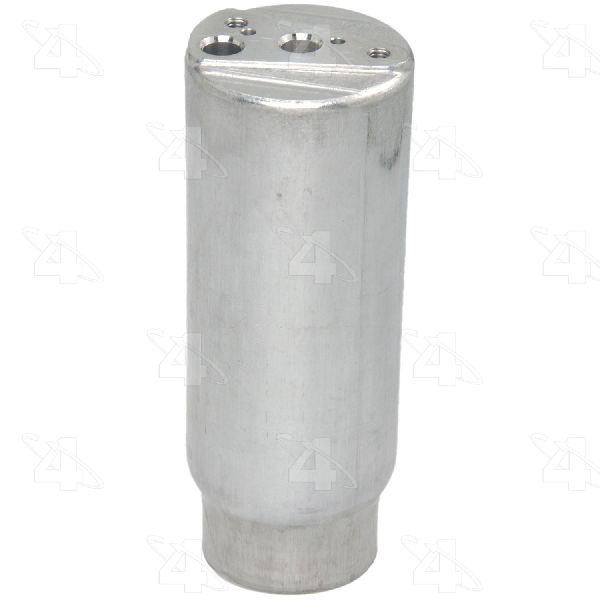
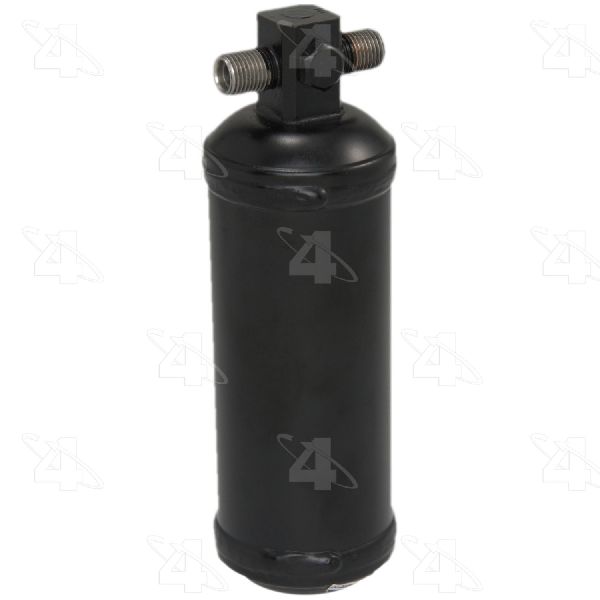
- Aftermarket brands like Four Seasons and Global Parts are affordable and reliable options for FB and FC models.
Signs of a Failing A/C Receiver Drier
A bad receiver drier can cause several problems with your RX-7's air conditioning. Because it rarely fails on its own, these symptoms often point to a larger issue, like a leak elsewhere in the system or a failing compressor.
- Poor Cooling: The most common symptom is an A/C system that doesn't blow cold air or is much weaker than it used to be. This happens when the drier is clogged and restricts refrigerant flow.
- Musty Smell: A moldy or musty odor coming from the vents when you turn on the A/C can mean the drier's desiccant is saturated and can no longer remove moisture, allowing mold to grow in the system.
- Rattling Noises: If you hear rattling from the engine bay with the A/C on, it could be due to internal damage within the drier.
- Visible Leaks: Oily residue or drips near the drier or its fittings indicate a refrigerant leak.
Choosing the Right Aftermarket Drier for Your RX-7
For a vehicle as old as the 1979-1995 RX-7, aftermarket parts are the most common and affordable option. OEM parts, especially for the third generation (FD), can be difficult to find or discontinued. When choosing an aftermarket drier from brands like Four Seasons or Global Parts, quality is key.
| Brand Tier | Brands | Quality & Notes |
|---|---|---|
| Standard Aftermarket | Four Seasons, Global Parts (GPD) | Both are established brands that produce parts in ISO-certified facilities. They use quality desiccant and welds designed to meet or exceed original specifications. For most FB and FC RX-7s, these brands offer a reliable, direct-fit replacement. Four Seasons is a very common choice in the aftermarket climate control industry. |
| OEM | Mazda | Original parts for these cars are increasingly rare and expensive. For the FD RX-7 (1993-1995), Mazda used two different A/C systems (MANA and Denso) that are not interchangeable, making it crucial to identify which system your car has. Many owners report that the original MANA driers are no longer available. |
Attention 3rd Gen (FD) RX-7 Owners (1993-1995)
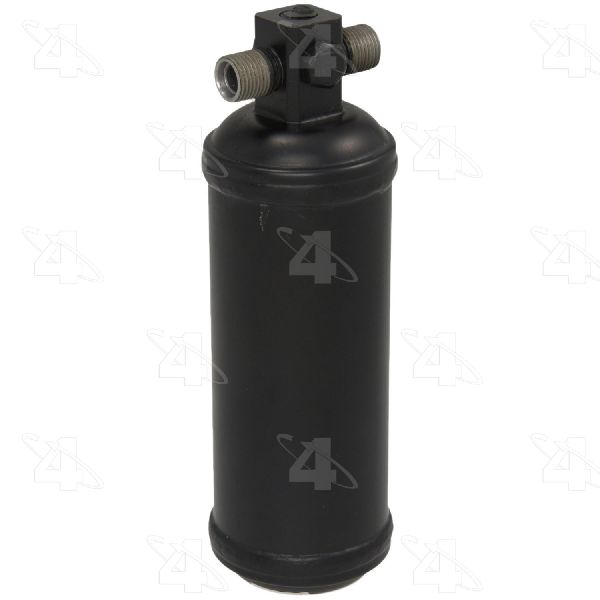
Your vehicle could have one of two A/C systems: MANA or Denso. They use different fittings, and the receiver driers are not interchangeable. The MANA drier is typically black, while the Denso is silver. Aftermarket driers for the FD have a reputation for poor fitment, so check your system type carefully before ordering. Some owners choose to reuse their original drier if the system was not contaminated, but this is only effective if a deep, professional vacuum is pulled on the system to boil out any trapped moisture.
Frequently Asked Questions (FAQ)
When should I replace the A/C receiver drier?
You MUST replace the receiver drier any time the A/C system is opened to the air. This includes repairs like replacing the compressor, condenser, or a leaking hose. The desiccant inside absorbs moisture from the atmosphere very quickly and becomes saturated, making the new drier useless if left open. For this reason, it is also a required step to validate the warranty on a new A/C compressor.
Can I replace the receiver drier myself?
This is not a recommended DIY job for most home mechanics. While unbolting the old drier and installing the new one is physically easy, the A/C system must be professionally evacuated *before* you open the system and then vacuum-tested and recharged *after* the new part is installed. This requires expensive, specialized equipment to handle the refrigerant safely and correctly. The new drier should only be unsealed and installed moments before the system is vacuumed down.
What is desiccant?
Desiccant is a material that absorbs water. The receiver drier is filled with a bag of desiccant, usually silica gel, to pull any moisture out of the refrigerant. If moisture is left in the system, it can mix with refrigerant to form corrosive acids that can destroy expensive components like the compressor and condenser from the inside out.
Do I need to add oil when replacing the drier?
Typically, no extra oil is needed when only replacing the receiver drier. However, if you are replacing other components like the compressor, you must follow the manufacturer's instructions for adding the correct type and amount of PAG oil to the system. An incorrect oil level can damage the compressor.
Technical Specifications
Varies significantly by year and A/C system type (Factory vs. Dealer installed for FB/FC, and MANA vs. Denso for FD). Always verify fitment using your vehicle's specific details. Aftermarket parts for 1979-1991 are often steel, while later models may be aluminum.
We Have This Part in Stock

The information in this article is provided for general reference and educational purposes only. Vehicle specifications, procedures, and part compatibility can vary by production date, trim level, and region. Always consult your vehicle's factory service manual and verify part numbers before purchasing or performing repairs. Safety-critical components such as airbags, seat belts, and braking systems should be installed by a qualified professional.