

Chevrolet C60 Disc Brake Caliper Guide: 1983-1990
Everything you need to know before replacing the disc brake calipers on your 1983-1990 Chevy C60 medium-duty truck.
- Brake issues on a C60 are often complex; rule out the master cylinder and air in the lines before replacing calipers.
- Always replace calipers in pairs (both fronts or both rears) to ensure even, safe braking.
- Choose an aftermarket caliper with a protective coating to prevent rust and extend its service life.
- Properly bleeding the entire brake system after installation is critical for a firm pedal and safe operation on these trucks.
Is Your C60's Brake Caliper Failing?
On an older, hard-working truck like the 1983-1990 Chevrolet C60, the entire brake system works together. While symptoms like a soft or spongy brake pedal often point to issues with the master cylinder or air in the brake lines on these specific trucks, a faulty caliper has its own distinct warning signs. A bad caliper can be a serious safety hazard.
Key Symptoms of a Bad Disc Brake Caliper:
- Vehicle Pulling to One Side: 🎬 Watch this guide on diagnosing a locked up or dragging caliper. If a caliper piston is stuck, it can cause the brakes on one wheel to drag constantly or not apply at all. This will make the truck pull to the left or right when braking or even while driving.
- Uneven Brake Pad Wear: A sticking caliper slide pin or piston will cause the inner and outer brake pads to wear at different rates. When you inspect your pads, one may be worn down to the metal while the other looks nearly new.
- Brake Fluid Leaks: The seals around the caliper pistons can wear out over time, leading to visible brake fluid leaks around the wheel. A fluid leak will reduce stopping power and is a critical safety issue.
- Spongy or Soft Brake Pedal: While often caused by air in the lines or a bad master cylinder, a leaking caliper can also introduce air into the system, resulting in a pedal that feels soft or goes down further than usual.
- Grinding or Squealing Noises: A seized caliper can cause the brake pads to stay in contact with the rotor, leading to overheating and a constant grinding or squealing sound.
Choosing the Right Aftermarket Caliper for Your C60
Since new Original Equipment (OEM) calipers for a vehicle of this age are often unavailable or extremely expensive, the aftermarket is the go-to source. The brands available offer a range of quality and price points. For a medium-duty truck, choosing a quality component is essential for safety and durability.
🎬 See a maintenance and rear brake walkthrough on a similar truck.| Brand Tier | Brands | Key Features & Quality Assessment |
|---|---|---|
| Premium / OE-Style | ACDelco (Professional Series) | As GM's own parts division, ACDelco Professional parts are designed to meet or exceed original specifications. They are a top-tier choice for fit and performance, often featuring protective coatings. |
| Mid-Grade / Quality Aftermarket | Centric, Dynamic Friction, Cardone (New) | These brands offer a good balance of price and quality. Centric is a well-known manufacturer; choosing their coated calipers is recommended to prevent rust. Dynamic Friction (DFC) is regarded as a solid value brand with decent performance. Cardone's new calipers (not remanufactured) are a reliable standard replacement option. |
| Standard / Economy | BBB Industries, ACDelco (Advantage Series) | These brands provide a functional, budget-friendly solution. BBB Industries is a major remanufacturer that also offers new parts, typically with a standard warranty. ACDelco's Advantage line is their economy option, offering a lower price point than their Professional series. |
Frequently Asked Questions (FAQ)
Do I need to replace my C60 brake calipers in pairs?
Yes, it is highly recommended. Calipers should always be replaced in pairs (both front wheels or both rear wheels) to ensure even braking performance. Replacing only one can cause the truck to pull to one side, as the new caliper will function differently than the old one on the other side.
What is the difference between phenolic and steel caliper pistons?
Your C60 may have come with phenolic (a type of composite resin) pistons. Phenolic pistons are lighter and do not transfer heat as much as steel, which helps prevent the brake fluid from boiling. Steel pistons are stronger and less prone to cracking under extreme use. Both are suitable, but phenolic is often preferred for daily use to maintain brake fluid integrity.
Why is bleeding the brakes so important on these trucks?
The hydraulic brake systems on these older medium-duty trucks are long and can be difficult to bleed completely. Any air trapped in the lines, master cylinder, or new caliper will result in a spongy pedal and poor braking. It is critical to follow a proper bleeding procedure, starting from the wheel furthest from the master cylinder, to ensure all air is removed 🎬 Watch a pro demonstrate bleeding and adjusting brakes on these systems. for a firm pedal and safe operation.
Are there any recalls for 1983-1990 C60 brake calipers?
No specific recalls or Technical Service Bulletins (TSBs) were found for the disc brake calipers on the 1983-1990 Chevrolet C60 during our research. Most documented brake issues for trucks of this era relate to the master cylinder or overall hydraulic system.
Helpful Videos
Technical Specifications
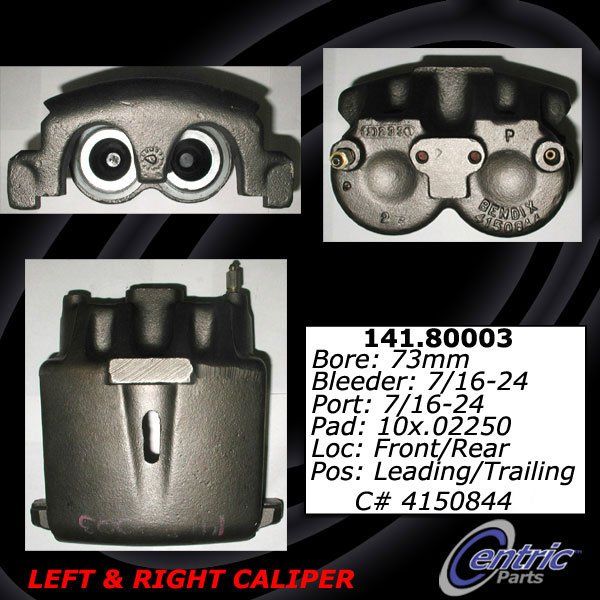
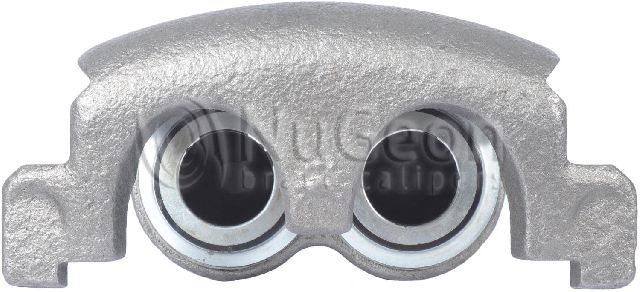
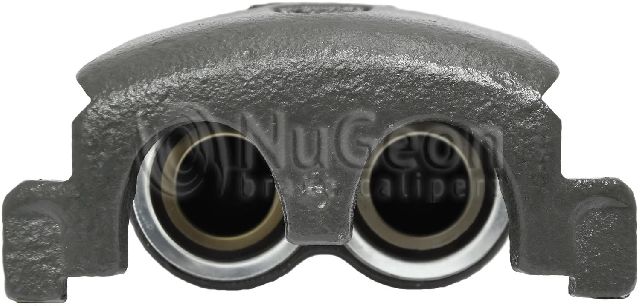
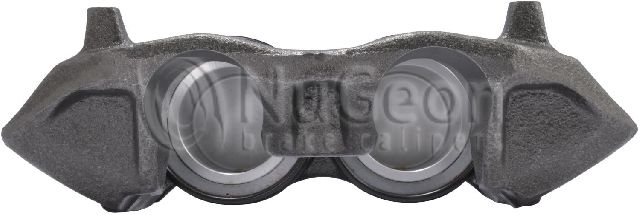
Piston Count: 2, Piston Material: Phenolic
We Have This Part in Stock

The information in this article is provided for general reference and educational purposes only. Vehicle specifications, procedures, and part compatibility can vary by production date, trim level, and region. Always consult your vehicle's factory service manual and verify part numbers before purchasing or performing repairs. Safety-critical components such as airbags, seat belts, and braking systems should be installed by a qualified professional.
- Chevrolet C60: