

A Guide to Replacing Disc Brake Calipers on a 1983-1990 GMC C6000
Address common sticking, leaking, and dragging brake problems on your medium-duty truck with the right replacement calipers.
- Sticking or seizing is the most common failure for C6000 calipers, often due to rust from moisture or long periods of inactivity.
- Always inspect the flexible rubber brake hose; an internal collapse can mimic a seized caliper and is a common point of failure on older trucks.
- Calipers should always be replaced in pairs on an axle to ensure safe, balanced braking.
- When replacing a caliper, it is best practice to also install new pads and rotors, as the old ones were likely damaged by the failing part.
Signs of a Failing GMC C6000 Brake Caliper
On a heavy truck like the C6000, caliper failure is a serious safety issue. The most common problem is a seized or sticking caliper. This happens when rust and corrosion build up on the caliper pistons or the slide pins, often from moisture in the brake fluid or from the truck sitting for extended periods. A sticking caliper can either fail to apply pressure, reducing stopping power, or fail to release, causing the brakes to drag.
- Vehicle Pulling: The truck pulls to one side when you brake. This often means one caliper is working harder than the other.
- Brakes Dragging: A caliper that doesn't release properly will cause the brake pads to constantly rub against the rotor. This can lead to a burning smell, smoking from the wheel area, and extreme heat.
- Brake Fluid Leaks: You may see fluid, which can be yellowish to dark brown, on the inside of your wheel or on the ground. This is often due to a failed piston seal.
- Spongy or Soft Brake Pedal: If a caliper is leaking, air can get into the hydraulic system, making the pedal feel soft or sink towards the floor.
- Uneven Brake Pad Wear: When inspecting your brakes, if one pad is significantly more worn than the other, it's a classic sign of a sticking caliper or seized slide pins.
Pro-Tip: Check the Brake Hose First
A dragging brake is often blamed on a bad caliper, but an old, internally collapsed rubber brake hose can cause the exact same symptom. The hose can act like a one-way valve, trapping hydraulic pressure and keeping the caliper engaged. Before replacing the caliper, it's wise to inspect the flexible brake hoses, especially on a vehicle of this age. If they are original, consider replacing them at the same time as the calipers.
Choosing the Right Aftermarket Caliper
For a 1983-1990 GMC C6000, finding new Original Equipment Manufacturer (OEM) calipers is highly unlikely. The market consists almost entirely of new aftermarket and remanufactured aftermarket parts. It is always recommended to replace calipers in pairs (both front or both rear) to ensure even braking performance.
Remanufactured vs. New Aftermarket:
- Remanufactured Calipers: These are original caliper cores that have been disassembled, cleaned, and rebuilt with new seals, boots, and pistons. Brands like Cardone and BBB Industries are major suppliers of remanufactured calipers. The quality can be excellent, but it depends on the rebuilder's process. Occasionally, issues like poorly machined sealing surfaces for the brake hose connection can cause leaks.
- New Aftermarket Calipers: These are built from scratch. Brands like Centric, Dynamic Friction, and some lines from ACDelco offer new calipers. These parts eliminate the risk of a worn-out core but should still be inspected for quality upon arrival.
Brand Tiers (General Assessment):
- Premium Quality (ACDelco Gold, Centric, Dynamic Friction): These brands often focus on meeting or exceeding original specifications. ACDelco is GM's own parts brand, and their professional-grade lines are generally well-regarded for fit and function on GM trucks. Centric is also a respected name in aftermarket brakes.
- Standard Quality (Cardone, BBB Industries, ACDelco Silver): These are reliable, budget-friendly options, often remanufactured. They provide good value and are widely available. For a work truck like the C6000, these are a very common and practical choice.
Estimated Replacement Costs
The cost to replace a disc brake caliper on your C6000 will vary based on your location and the parts you choose. Labor rates for medium-duty trucks are typically higher than for passenger cars.
| Item | Estimated Cost (per caliper) |
|---|---|
| New Aftermarket Caliper | $38.38 - $217.04 |
| Shop Labor | $150 - $375 |
| Total per Caliper | $188.38 - $592.04 |
Note: Costs are estimates and do not include taxes, shop supplies, brake fluid, or the cost of replacing pads, rotors, or hoses, which is highly recommended.
Frequently Asked Questions (FAQ)
Should I replace my brake calipers in pairs?
Yes. It is always recommended to replace calipers on the same axle at the same time. This ensures balanced braking force and prevents the vehicle from pulling to one side. An old caliper may not apply the same pressure as a new one, leading to unsafe conditions.
What is the difference between a loaded and a semi-loaded caliper?
A "loaded" caliper comes complete with new brake pads and all necessary mounting hardware already installed. A "semi-loaded" caliper typically includes the hardware kit and bracket but does not include brake pads. A "bare" caliper is just the caliper body itself.
Do I need to replace my rotors and pads with the caliper?
It is highly recommended. A failing caliper, especially one that was dragging, has likely caused extreme heat and damage to both the brake pads and the rotor. Installing a new caliper with a warped rotor or worn pads will lead to poor performance and premature failure of the new part.
What is a "core charge"?
Many remanufactured calipers have a core charge. This is a deposit you pay when you buy the part. You get the deposit back when you return your old, worn-out caliper to the store. This allows the manufacturer to rebuild your old part for a future customer.
Technical Specifications
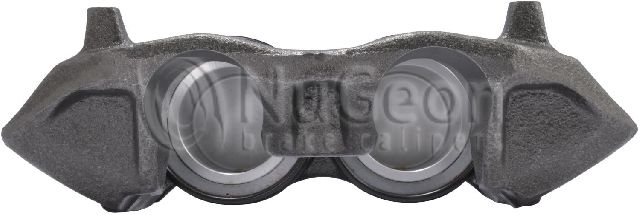
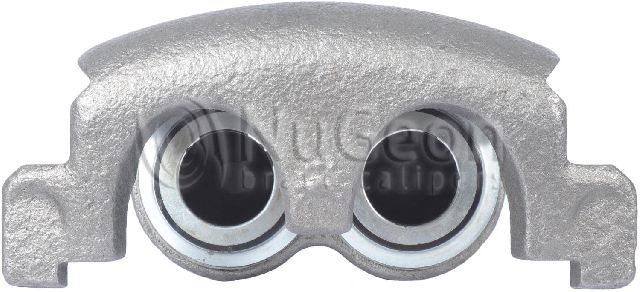
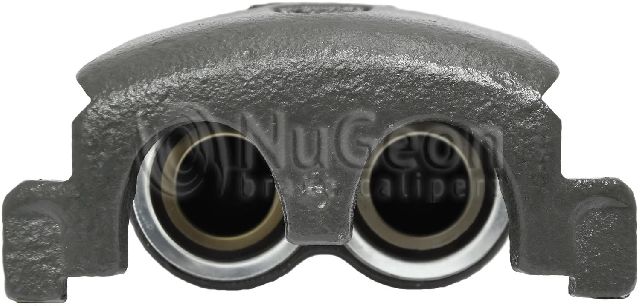
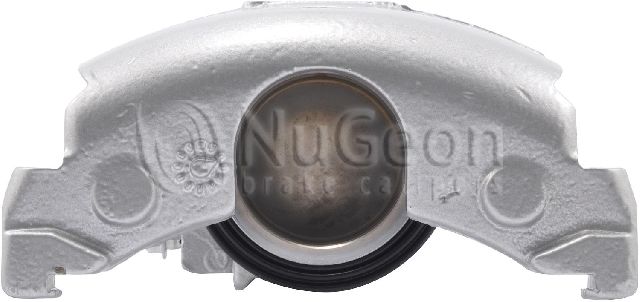
Typically equipped with 2-piston (twin piston) floating calipers. Piston material can be phenolic or steel. Ensure correct fitment for front or rear, and left or right side as they are often not interchangeable.
We Have This Part in Stock


The information in this article is provided for general reference and educational purposes only. Vehicle specifications, procedures, and part compatibility can vary by production date, trim level, and region. Always consult your vehicle's factory service manual and verify part numbers before purchasing or performing repairs. Safety-critical components such as airbags, seat belts, and braking systems should be installed by a qualified professional.
- GMC C6000: