

A Guide to Spark Plugs for the 1984-1992 Ford F-150
Keep your classic F-150's engine firing on all cylinders with the right set of new spark plugs.
- For the 1984-1992 F-150, standard copper spark plugs from Motorcraft or Autolite are the recommended choice for stock engines.
- Always check and adjust the spark plug gap to 0.044 inches before installation, as this is a common point of error.
- Replacing spark plugs is a straightforward DIY job on these trucks, with easy access for most cylinders.
- There are no major recalls or TSBs for spark plug issues on this specific generation of F-150.
Signs of Failing Spark Plugs

The simple design of the spark plugs in this generation of F-150 means they are generally reliable, but they do wear out. When they start to fail, you'll notice. Keep an eye out for these common symptoms:
- Rough Idling: The engine may shake or vibrate more than usual when stopped.
- Difficulty Starting: A weak spark makes it harder for the engine to turn over, especially in the cold.
- Engine Misfires: You might feel a jerking or stumbling sensation while driving as a cylinder fails to fire properly.
- Reduced Fuel Economy: When the engine isn't burning fuel efficiently, you'll be stopping for gas more often.
- Poor Acceleration: A truck that feels sluggish or weak when you press the gas pedal can be a sign of worn plugs.
- Black Soot on Plugs: If you pull a plug and it's covered in black, sooty deposits, it's a sign of an overly rich fuel mixture or incomplete combustion. 🎬 Watch this guide to spotting and fixing Ford spark plug problems.
Don't Ignore Misfires
Continuously driving with a misfire can cause unburned fuel to enter the exhaust system. This can damage your catalytic converter, leading to a much more expensive repair down the road.
🎬 See what happens when you ignore failing spark plugs for too long.Choosing the Right Aftermarket Spark Plugs

For the 1984-1992 F-150, you don't need the most expensive, high-tech spark plugs to get great performance. The ignition systems on these trucks were designed for simple, reliable copper plugs. While more modern platinum or iridium plugs are available, they often don't provide a noticeable benefit for these specific engines and can sometimes cause issues if the rest of the ignition system isn't upgraded to match.
Brand Tiers for Your F-150
Here’s a breakdown of common aftermarket brands and how they generally stack up for this generation of Ford trucks:
- OEM Equivalent / Highly Recommended: Motorcraft is Ford's own brand and the original equipment manufacturer (OEM). Autolite is widely considered to be the same manufacturer as Motorcraft for many applications and offers equivalent performance at a good price. For these trucks, standard copper plugs from either brand are a reliable, no-nonsense choice.
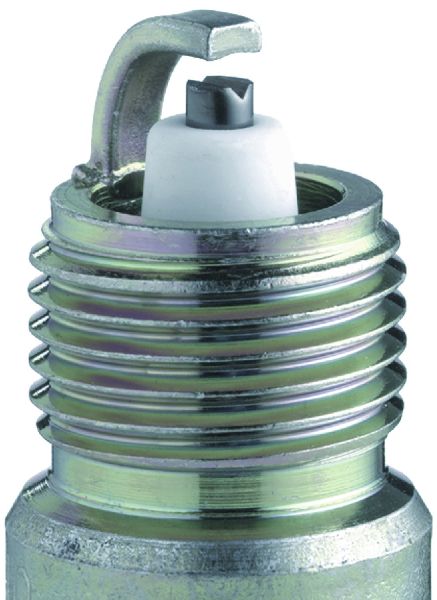
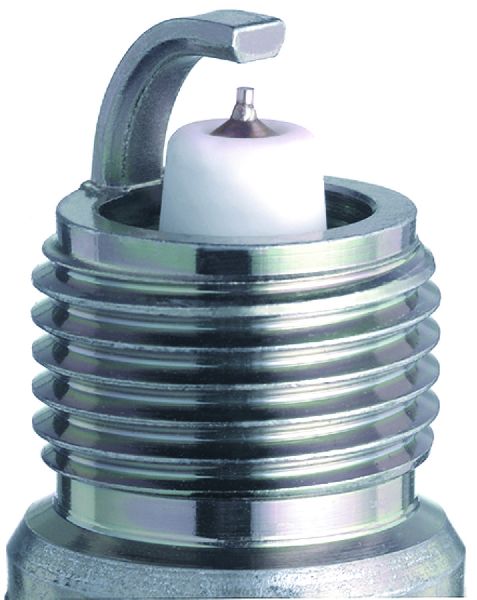
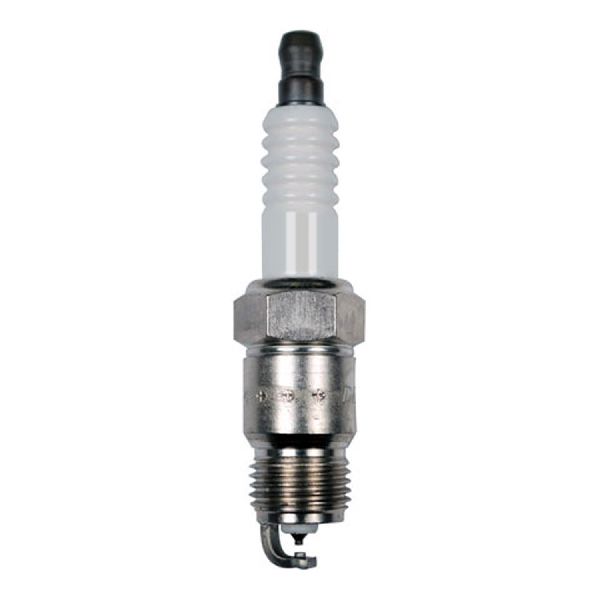
- Quality Aftermarket: NGK and Denso are well-respected Japanese brands that make excellent quality spark plugs. Their standard copper or V-Power plugs are a great alternative to Motorcraft/Autolite and are preferred by many mechanics.
- Performance Brands: MSD and Accel are geared more towards performance and racing applications. They are a good choice if you have other ignition upgrades like a high-output coil or performance distributor, but are likely overkill for a stock engine.
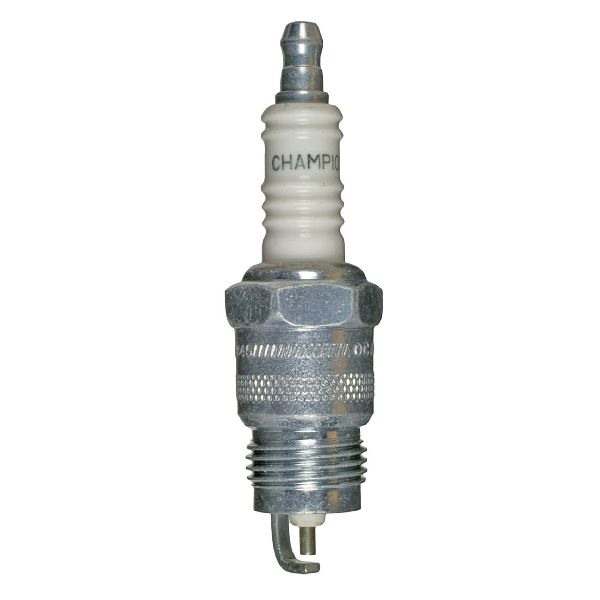
- Standard Replacement: Champion and Bosch offer a wide range of plugs. While they are major brands, some owners and mechanics report mixed results with them in older Ford engines compared to NGK or Autolite. It's often best to stick with the brands known to work well with your truck's specific ignition system.
Check The Gap!
Always check the spark plug gap before installation, even if the box says they are "pre-gapped." The correct gap for most of these engines is 0.044 inches, but you should always verify with the emissions sticker under your hood. An incorrect gap is a common cause of rough running after a tune-up.
Known Issues, Recalls, and TSBs

The 1984-1992 F-150 is not affected by the well-known spark plug issues (plugs breaking or blowing out) that plagued later Ford modular engines. The design of the cylinder heads on the 4.9L, 5.0L, and 5.8L engines is robust and straightforward. Searches for NHTSA recalls and Technical Service Bulletins (TSBs) related to spark plugs for this specific year range did not find any relevant results. The most common issues are related to normal wear, incorrect installation, or problems elsewhere in the ignition or fuel system causing the plugs to foul.
Frequently Asked Questions (FAQ)

How often should I replace the spark plugs on my 1984-1992 F-150?
For standard copper plugs, a good interval is every 30,000 miles or every 2-3 years. This ensures your engine is always running at its peak efficiency.
Do I need to use anti-seize on the new spark plugs?
Using a small amount of anti-seize compound on the threads is a good practice to make future removal easier. However, be careful not to use too much, as it can affect how the plug is grounded and torqued. Also, avoid getting any on the electrode.
What is the torque specification for the spark plugs?
The generally accepted torque specification for these engines is between 10-15 ft-lbs. It's important not to overtighten them, as this can damage the threads in the cylinder head. If you don't have a torque wrench, a common guideline is to tighten them finger-tight and then another 1/8 to 1/4 turn with a wrench.
Should I replace the spark plug wires at the same time?
Yes, it's highly recommended. Spark plug wires degrade over time and can be a source of misfires. Replacing the plugs, wires, distributor cap, and rotor all at once is a complete tune-up that will ensure your ignition system is in top shape.
🎬 Follow this step-by-step video to replace your F-150 spark plugs.Helpful Videos

Technical Specifications
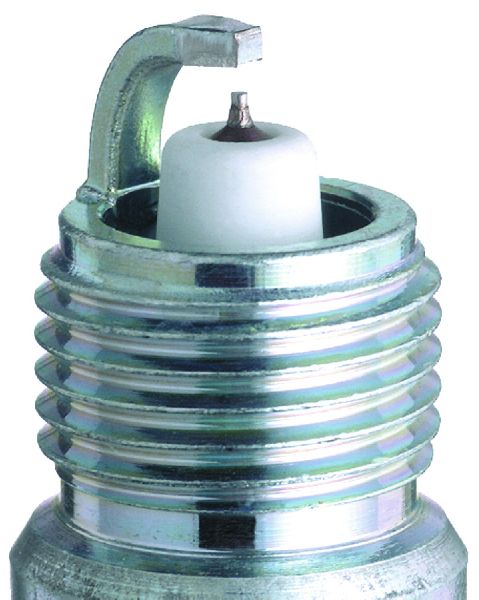
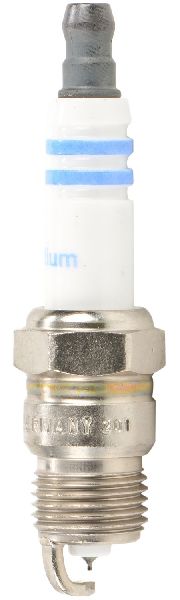
OEM Part Numbers: SP-415-AX AGSF-32P-M AGSF-22F-M
Spark Plug Gap: 0.044 in (verify on vehicle's VECI label) Thread Size: 14mm Seat Type: Tapered
We Have This Part in Stock

The information in this article is provided for general reference and educational purposes only. Vehicle specifications, procedures, and part compatibility can vary by production date, trim level, and region. Always consult your vehicle's factory service manual and verify part numbers before purchasing or performing repairs. Safety-critical components such as airbags, seat belts, and braking systems should be installed by a qualified professional.
- Ford F-150: