

A Comprehensive Guide to Spark Plugs for the 1985-1991 Chevrolet Astro
Keep your Astro's engine running strong by understanding how to choose and replace your spark plugs.
- The biggest challenge is accessing the driver's side spark plugs; removing the front wheel and inner fender liner is often necessary.
- For reliable, OEM-quality performance, choose ACDelco or NGK spark plugs.
- Double platinum plugs offer the best balance of longevity and cost for this vehicle's engine.
- Always verify the spark plug gap (often 0.060") before installation, even if the plugs are advertised as pre-gapped.
Symptoms of Failing Spark Plugs in a Chevy Astro
When your spark plugs are worn out, your van's engine won't run as it should. The signs can be subtle at first but will get worse over time. Common symptoms include a rough or shaky idle, difficulty starting the engine, a noticeable loss of power and acceleration, and worse fuel economy. You might also experience engine misfires, which can feel like a hesitation or stumble while driving. These issues occur because a worn plug can't efficiently ignite the fuel in the cylinder.
A Word of Warning: The Driver's Side Plugs
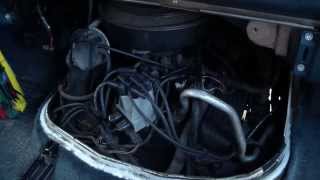
Replacing spark plugs on the 1985-1991 Astro, particularly with the 4.3L V6, is known for being a difficult job. The passenger side plugs are relatively easy to access. However, the driver's side plugs are extremely hard to reach due to the tight space in the engine bay. Many owners find it necessary to jack up the van, remove the driver's side front wheel, and take out the inner fender splash guard to get enough room to work. For the rearmost plug on the driver's side, you may also need to remove the interior engine cover, often called the "doghouse." Be prepared with a variety of socket extensions and a swivel/wobble joint.
🎬 Watch: Step-by-step guide to changing Astro spark plugs and wires.Choosing the Right Aftermarket Spark Plug
You don't need to buy parts from a dealership to get great performance. For a vehicle like the 1985-1991 Astro, aftermarket parts often meet or exceed original equipment (OE) quality. Here’s a breakdown of trusted brands.
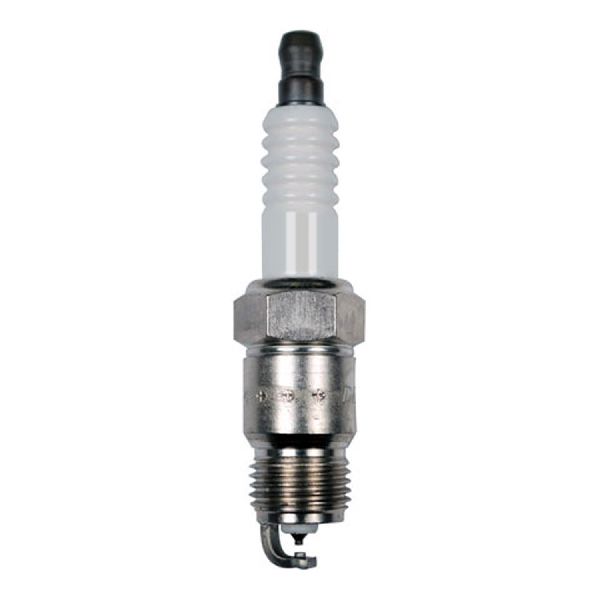
- Top Tier (OEM-Equivalent): ACDelco is the original GM parts brand and is a guaranteed fit and quality choice. Many owners and mechanics strongly recommend sticking with ACDelco parts for reliability. NGK and Denso are also premium Japanese brands known for making original parts for many automakers; in some cases, the ACDelco plug in the box is actually made by NGK. You can't go wrong with any of these three.
- Reliable Aftermarket: Brands like Bosch, Champion, and Autolite have been making spark plugs for decades. They are dependable, widely available, and offer a great balance of performance and price for the Astro's engine.
- Performance Brands: MSD and Accel are known for ignition components aimed at high-performance applications. While they are quality parts, they are likely unnecessary for a stock 4.3L V6 engine.
Spark Plug Materials: Copper vs. Platinum vs. Iridium
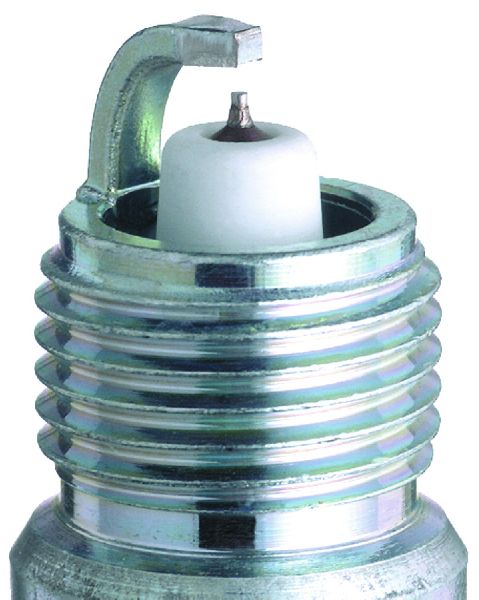
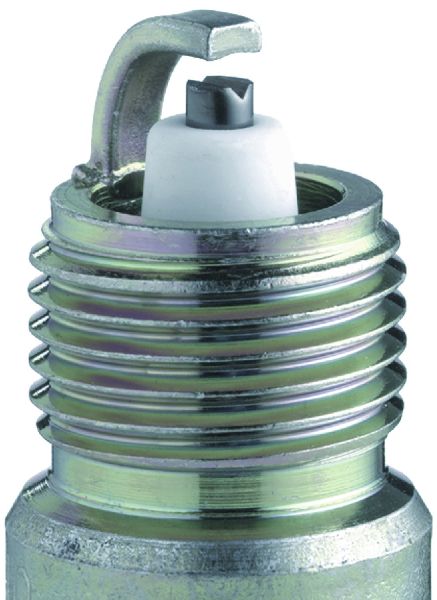
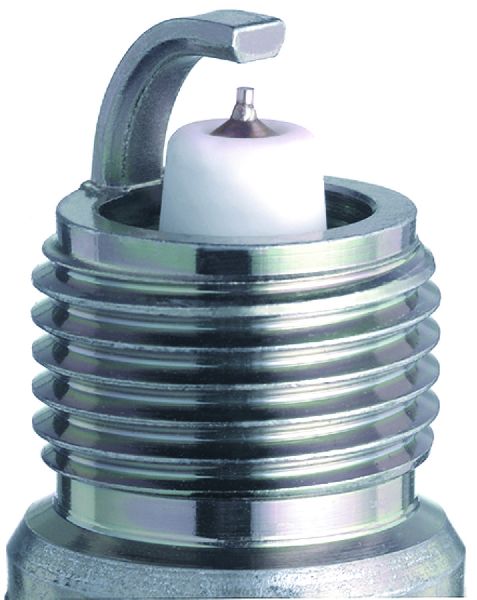
The original spark plugs for this generation of Astro were likely standard copper/nickel plugs. While modern platinum and iridium plugs last much longer, some owners of older vehicles prefer the strong spark of a fresh set of copper plugs, even if they need to be changed more often. For most owners, a quality set of Double Platinum plugs offers the best combination of longevity and value.
| Plug Material | Typical Price Per Plug | General Lifespan | Best For |
|---|---|---|---|
| Copper | $2.50 - $5.00 | ~20,000-30,000 miles | Stock performance, budget-conscious owners |
| Double Platinum | $5.00 - $12.00 | ~60,000 miles | Long-term reliability and value |
| Iridium | $8.00 - $17.00 | ~100,000 miles | Maximum lifespan, though may be overkill for this engine |
Pro Tip: Check the Gap
The correct spark plug gap for many 4.3L V6 Astros is 0.060 inches. While many modern plugs come "pre-gapped," it's crucial to check each one with a feeler gauge before installation. An incorrect gap can cause misfires and poor performance. Also, apply a small amount of dielectric grease to the inside of the spark plug boot to make future removal easier and prevent misfires.
Frequently Asked Questions
How often should I change the spark plugs on my Astro?
It depends on the type of plug. Standard copper plugs should be changed every 20,000 to 30,000 miles. Platinum and Iridium plugs can last much longer, from 60,000 to 100,000 miles. However, given the age of the vehicle, inspecting them more frequently is a good idea.
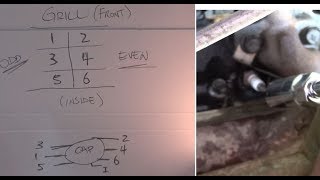
🎬 See how to perform a full engine tune-up on your van.Is it really that hard to change the plugs myself?
Yes, the driver's side can be very challenging due to poor access. While it is a feasible DIY job for someone with patience and the right tools (especially long extensions and a swivel socket), a first-timer may find it very frustrating. The passenger side is much more straightforward.
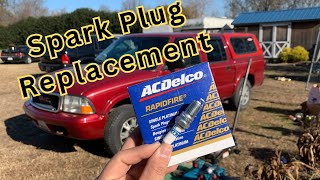
🎬 Watch this walkthrough for replacing plugs on 1988-2005 models.Should I use Iridium plugs in my old Astro?
You can, and they will last a very long time. However, the 1980s-era engine was not designed for them, and you are unlikely to see a performance benefit over a quality platinum or even a standard copper plug. For this vehicle, Double Platinum plugs from a reputable brand like ACDelco or NGK offer the best blend of price and longevity.
Do I need to put anti-seize on the new spark plugs?
This is a topic of debate. Some plug manufacturers, like NGK, advise against it because their plugs have a special plating that prevents seizing. Adding anti-seize can cause you to over-tighten the plug. However, many mechanics still use it as a precaution. If you do use it, apply only a very small amount to the threads, avoiding the electrode.
Helpful Videos

Technical Specifications
OEM Part Numbers: 5614046 19300382 19302741 19301811 12681665
For the common 4.3L V6 engine, the specified spark plug gap is typically 0.060 inches. The required socket size is 5/8". The original equipment material was a copper/nickel core.
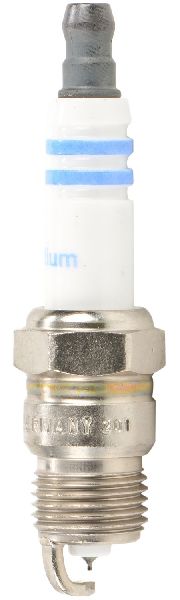
We Have This Part in Stock


The information in this article is provided for general reference and educational purposes only. Vehicle specifications, procedures, and part compatibility can vary by production date, trim level, and region. Always consult your vehicle's factory service manual and verify part numbers before purchasing or performing repairs. Safety-critical components such as airbags, seat belts, and braking systems should be installed by a qualified professional.
- Chevrolet Astro: