

Toyota Tercel A/C Receiver Drier Guide (1987-1994)
Keep your classic Tercel's A/C blowing cold by understanding this critical, often-overlooked part.
- The receiver drier MUST be replaced whenever the A/C system is opened for service.
- This is not a DIY job; it requires specialized equipment to handle refrigerant legally and safely.
- For this Tercel, Denso is the top-tier aftermarket choice, reflecting its OEM heritage.
- If converting from R12 to R134a refrigerant, replacing the drier is a mandatory step.
Is Your Tercel's A/C Not What It Used to Be?
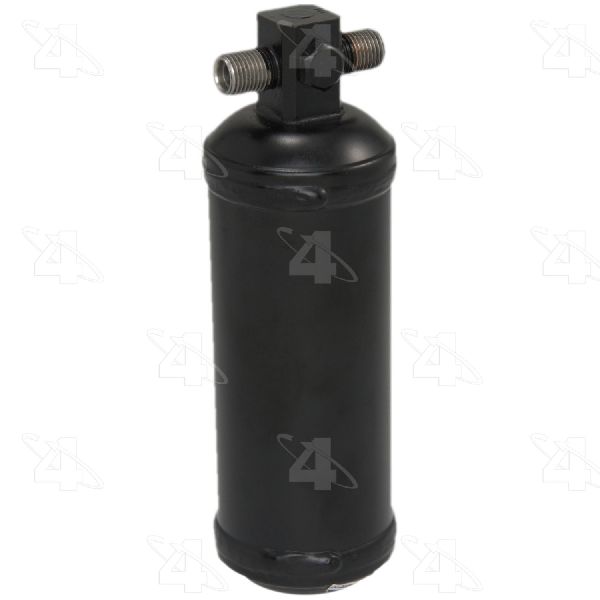
If your 1987-1994 Toyota Tercel's air conditioning isn't blowing cold, a failing A/C receiver drier could be the problem. This part is a filter and a sponge for moisture in your A/C system. It's a normal wear-and-tear item that must be replaced any time the A/C system is opened for a major repair, like a compressor or condenser replacement. For a vehicle of this age, it's also a critical part to replace when converting the system from the original R12 refrigerant to the more modern R134a.
Symptoms of a Failing A/C Receiver Drier
- Poor Cooling: The most common symptom is weak or inconsistent cooling from your vents. A clogged drier restricts refrigerant flow, so the system can't cool the air properly.
- Moldy Smell: A musty or moldy odor coming from the vents when you turn on the A/C can mean the drier is saturated and can no longer absorb moisture, allowing mold to grow.
- Frost on A/C Parts: Visible frost or ice on the drier canister or A/C lines is a sign of a serious internal clog causing a rapid pressure drop.
- Rattling Noises: If the desiccant bag inside breaks apart, you might hear rattling sounds from the engine bay. This is serious, as the loose particles can travel through and damage the entire A/C system.
- Oily Film on Windows: In some cases, a failing system can cause a foggy or oily film to appear on the inside of your car windows.
R12 vs. R134a: A Critical Note for Tercel Owners
Your 1987-1994 Tercel was built to use R12 refrigerant. Most have likely been converted to the newer R134a. This is important because the oils used with each refrigerant are different and do not mix. When converting, replacing the receiver drier is mandatory to remove old oil and ensure compatibility. Using the wrong oil can destroy your A/C compressor.
Choosing the Right Aftermarket Receiver Drier
For a vehicle like the 1987-1994 Tercel, finding a new OEM receiver drier from Toyota is unlikely. The aftermarket is your best and most affordable option. Here’s a breakdown of the common brands available:
- Denso: Denso is a well-known original equipment manufacturer (OEM) for Toyota. Choosing a Denso aftermarket part is the closest you can get to the original factory quality. They are known for excellent fit and long-term reliability. If the price is close, Denso is usually the safest bet.
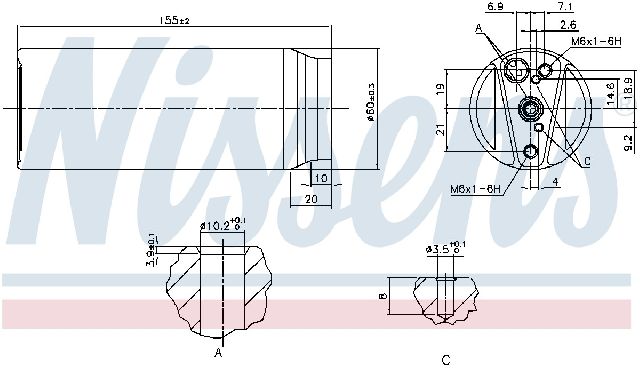
- Nissens: Nissens is another reputable brand that produces quality A/C components. They are a solid choice and often meet or exceed OE specifications.
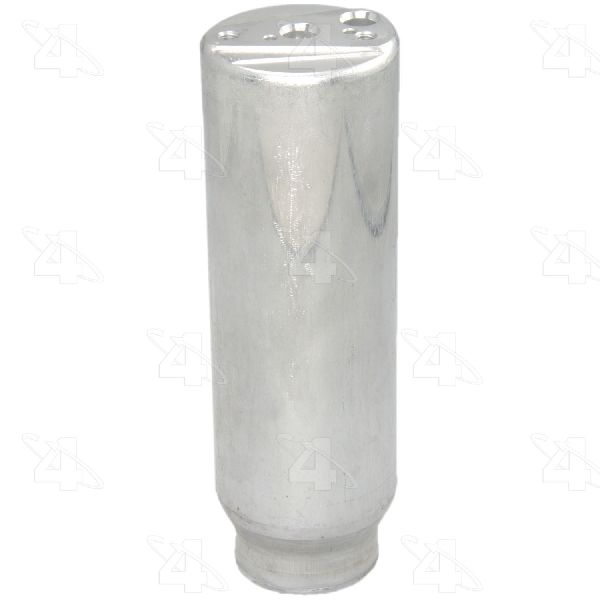
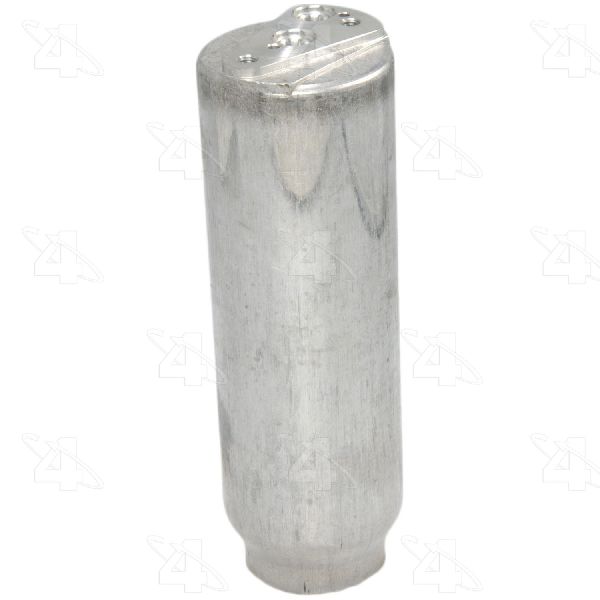
- Four Seasons: Four Seasons is a very common aftermarket brand. While generally considered a budget-friendly option, their quality can be inconsistent compared to an OEM supplier like Denso. However, for an older vehicle, they are a viable and widely available choice.
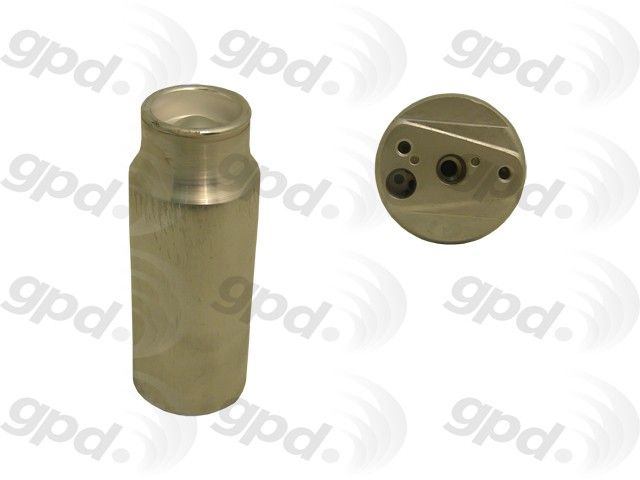
- Global Parts (GPD) / UAC: These brands are typically the most affordable. They are designed to be direct-fit replacements and often come in kits with new O-rings. While they may not have the same long-term durability reputation as Denso, they are a cost-effective solution to get an A/C system working again.
| Part Type | Estimated Cost | Notes |
|---|---|---|
| New Aftermarket | $18 - $57 | This is the most common and recommended option. Price varies by brand. |
| New OEM | $100+ (if available) | Very difficult to find for this model year. May be discontinued. |
| Shop Labor | $150 - $300 | Includes system evacuation, part replacement, vacuum test, and refrigerant recharge. |
This is Not a Simple DIY Job
Replacing a receiver drier requires special equipment to safely recover the old refrigerant and then vacuum and recharge the system. It is illegal and harmful to the environment to release refrigerant into the atmosphere. This job is best left to a qualified A/C technician.
Frequently Asked Questions
When should I replace the receiver drier?
You must replace the receiver drier any time the A/C system is opened for a repair, such as replacing the compressor or a leaking hose. It's also recommended to replace it every 2-3 years as preventative maintenance, or if you are converting from R12 to R134a refrigerant.
Can I just add more refrigerant if my A/C is weak?
If your A/C is not cooling well, it's likely due to a leak. Simply adding more refrigerant without fixing the leak is a temporary solution at best. A professional should inspect the system for leaks; a clogged receiver drier can also cause poor cooling even with a full charge.
Are there any recalls for the Tercel's A/C system?
No, there are no open recalls from the NHTSA for the A/C system on the 1987-1994 Toyota Tercel.
What else should I replace with the receiver drier?
When replacing the receiver drier, it is essential to also replace the system's O-rings and seals to prevent leaks. Many aftermarket driers come in a kit with these included. If you are replacing a failed compressor, you must also replace the receiver drier and expansion valve to ensure all debris is removed from the system.
Technical Specifications
OEM Part Numbers: 88471-20050
The A/C system in the 1987-1994 Toyota Tercel uses an expansion valve, and therefore requires a receiver drier (not an accumulator). The original system was designed for R12 refrigerant and mineral oil. Converted systems use R134a and PAG or Ester oil.
We Have This Part in Stock

The information in this article is provided for general reference and educational purposes only. Vehicle specifications, procedures, and part compatibility can vary by production date, trim level, and region. Always consult your vehicle's factory service manual and verify part numbers before purchasing or performing repairs. Safety-critical components such as airbags, seat belts, and braking systems should be installed by a qualified professional.
- Toyota Tercel: