

A/C Receiver Drier Replacement Guide for the 1989-1998 Mazda MPV
Keep your first-generation MPV's air conditioning blowing cold by understanding this critical but simple part.
- The A/C receiver drier must be replaced any time the A/C system is opened for service.
- Proper evacuation and recharge by a professional is more critical to A/C performance than the specific brand of drier.
- Denso is an OEM-quality choice, while Four Seasons and Global Parts offer reliable and budget-friendly aftermarket alternatives.
- Symptoms of a bad drier include poor cooling, rattling noises, and foggy windows.
Symptoms of a Failing A/C Receiver Drier
A bad receiver drier usually doesn't fail on its own; its failure is often a sign of a larger problem or just old age. When the desiccant material inside becomes saturated with moisture, it can no longer protect your A/C system. Here are the most common symptoms:
- Poor Cooling Performance: If the drier is clogged, it can restrict refrigerant flow, leading to weak or no cold air from the vents.
- Foggy Windows: A failing drier can allow moisture to circulate in the system, which can sometimes appear as fog on the inside of your windows that's hard to clear.
- Rattling Noises: Internal damage to the drier or loose mounting can cause rattling sounds when the A/C is on.
- Visible Refrigerant Leaks: While rare for the drier itself to leak, oily residue or drips around the drier's fittings can indicate a leak.
- Moldy Smell: Excess moisture in the system due to a saturated drier can lead to mold or mildew growth, causing a bad smell from the vents.
A Critical Replacement Rule
The receiver drier must be replaced any time the A/C system is opened for another repair, like replacing a compressor or a hose. The desiccant inside absorbs moisture from the air very quickly, and once the system is open, the drier is considered contaminated and can no longer do its job effectively. Most A/C compressor warranties require you to replace the drier for the warranty to be valid.
Choosing the Right Aftermarket Drier for Your MPV
For a vehicle like the 1989-1998 Mazda MPV, using a new aftermarket receiver drier is a smart and cost-effective choice. The original OEM parts can be expensive or hard to find. The most important factors are that the part is new, fits correctly, and is installed properly into a clean A/C system. Here’s a look at the available brands:
- Tier 1: Denso: Denso is often the original equipment (OE) manufacturer for many Japanese vehicles. Choosing a Denso drier is the closest you can get to original quality, and it's a top choice among mechanics for reliability.
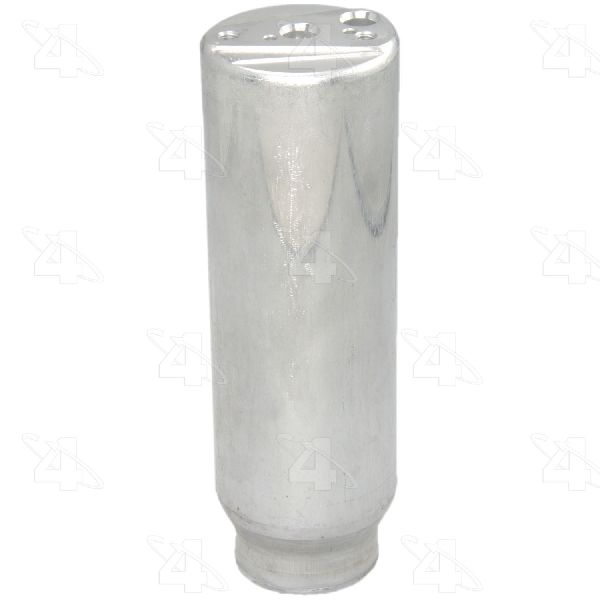
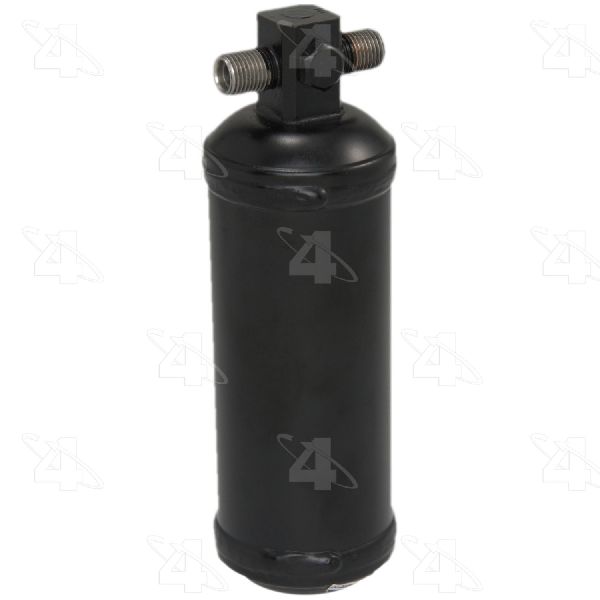
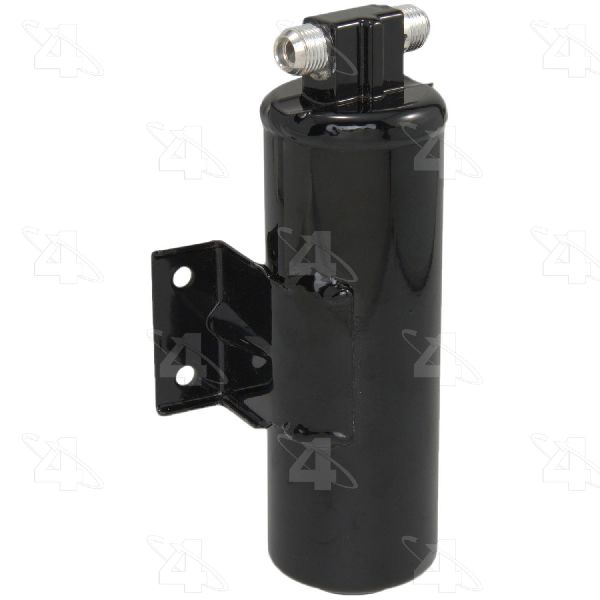
- Tier 2: Four Seasons: Four Seasons is a well-known and respected aftermarket brand for climate control parts. They offer a good balance of quality and price and are a reliable choice for most repairs.
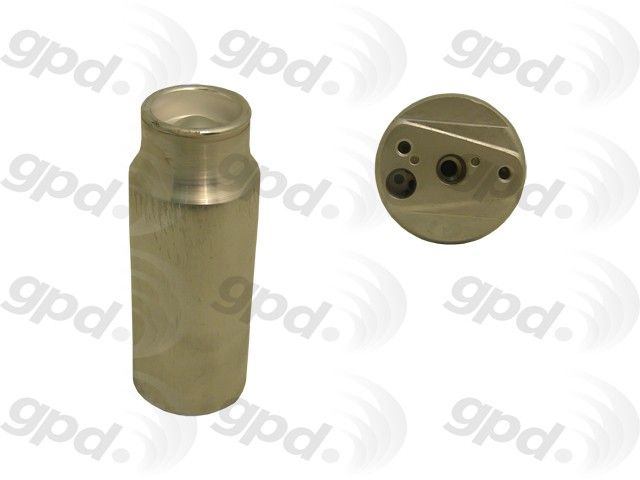
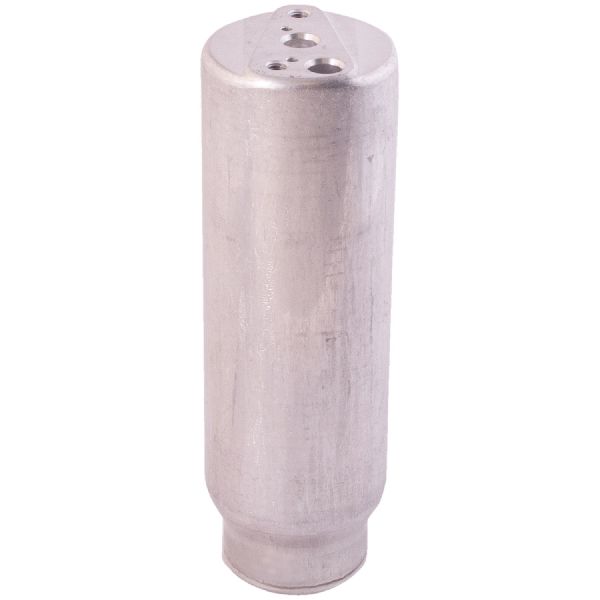
- Tier 3: Global Parts Distributors (GPD): GPD offers budget-friendly options that meet OE fit and form specifications. For a part like a receiver drier, which is a routine replacement item, a GPD unit is often sufficient as long as it's installed correctly.
Pro Tip: The quality of the installation is more critical than the brand of the drier. The A/C system must be properly evacuated to remove all air and moisture, and then recharged with the correct amount of refrigerant and oil. An improper charge will cause poor performance and can damage parts, regardless of the brand you choose.
Cost to Replace the A/C Receiver Drier
The cost is broken down into the part itself and the labor, which includes specialized A/C service equipment.
| Item | Estimated Cost |
|---|---|
| New Aftermarket A/C Receiver Drier | $18 - $51 |
| New OEM A/C Receiver Drier | $200+ (if available) |
| Shop Labor & A/C Service | $150 - $300 |
| Total Estimated Cost (Aftermarket) | $168 - $351 |
Frequently Asked Questions (FAQ)
Do I really have to replace the drier every time the system is opened?
Yes, absolutely. The material inside, called desiccant, acts like a sponge for moisture. Once exposed to outside air, it becomes saturated within hours and can't protect the system anymore. Failing to replace it will void most warranties on new compressors and can lead to premature failure of the A/C system.
Can I replace the A/C receiver drier myself?
While physically replacing the part is straightforward for someone with mechanical skill, it is not recommended for beginners. The A/C system is highly pressurized and contains refrigerant that is regulated by law. The system must be professionally evacuated before opening it and then properly vacuumed and recharged after the repair. This requires specialized and expensive equipment.
What is desiccant?
Desiccant is a material, often silica gel, that has a high ability to absorb and hold moisture. In your MPV's A/C drier, it's usually in a small bag or container inside the metal canister. Its only job is to keep the refrigerant completely dry.
My MPV has front and rear A/C. Does that change anything?
The first-generation Mazda MPV was available with an optional rear A/C system. While this makes the overall system more complex with more lines, it typically still uses a single receiver drier located in the engine bay. The replacement principle remains the same. Always confirm the part location for your specific vehicle.
Are there any recalls for the A/C system on my 1989-1998 MPV?
Searches of the NHTSA database did not show any recalls specifically for the A/C receiver drier on the 1989-1998 Mazda MPV. There were several unrelated recalls for this vehicle, most notably for airbags.
Technical Specifications
OEM Part Numbers: LC29-61-500A
The A/C Receiver Drier for the 1989-1998 Mazda MPV is a canister-style filter located on the high-pressure side of the A/C system. It contains a desiccant material to absorb moisture and filters to trap debris. It is a wear item that must be replaced when the system is serviced.
We Have This Part in Stock

The information in this article is provided for general reference and educational purposes only. Vehicle specifications, procedures, and part compatibility can vary by production date, trim level, and region. Always consult your vehicle's factory service manual and verify part numbers before purchasing or performing repairs. Safety-critical components such as airbags, seat belts, and braking systems should be installed by a qualified professional.
- Mazda MPV: