

Dodge Viper A/C Receiver Drier Replacement Guide (1992-2003)
Learn about this essential A/C part to keep your Viper's cabin cool and protect your A/C system.
- On Gen 2 Vipers (1996-2002), check the compressor O-rings for leaks before assuming another part has failed.
- The receiver drier MUST be replaced with a new unit any time the A/C system is opened for repairs.
- New aftermarket brands like Four Seasons and ACDelco are reliable and cost-effective choices for this part.
- Replacement requires professional equipment to recover and recharge the refrigerant, making it unsuitable for most DIY mechanics.
Is Your Viper's A/C Leaking? Check This First
Pro Tip for Gen 2 (1996-2002) Viper Owners: Before suspecting your receiver drier, check the O-rings on the A/C compressor lines. It is a very common and well-documented issue for these O-rings to dry out and crack from engine heat, causing a slow refrigerant leak. Many owners have fixed their A/C problems for just a few dollars by replacing these two seals.
Symptoms of a Failing A/C Receiver Drier
A receiver drier doesn't fail often on its own, but when it does, or when it becomes saturated, it can cause several problems. A failure is usually due to a clog from debris, often after another part like the compressor has failed.
- Poor Cooling: The most common symptom is weak or inconsistent cooling from your vents. A clogged drier restricts the flow of refrigerant, so the system can't cool the air effectively.
- Musty Smell: If the desiccant (the drying material) inside is saturated, it can't absorb any more moisture. This allows mold and mildew to grow in the dark, damp A/C system, causing a foul smell from the vents.
- Frost on A/C Parts: A severe clog inside the drier can cause a rapid pressure drop, making the outside of the canister or its lines cold enough to freeze moisture from the air. You might see visible frost or ice on the part itself.
- Rattling Noises: If the internal components or the desiccant bag have broken apart, you might hear a rattling sound from the engine bay when the A/C is on.
Choosing the Right Aftermarket Receiver Drier
For a part like the A/C receiver drier, a new aftermarket unit is a perfectly reliable choice. The key is to always install a new part whenever the A/C system is opened. Re-using an old drier or installing a used one will introduce moisture and contaminants, likely leading to a much more expensive failure down the road.
Based on owner feedback and general brand reputation for A/C components, here is a breakdown of the available brands:
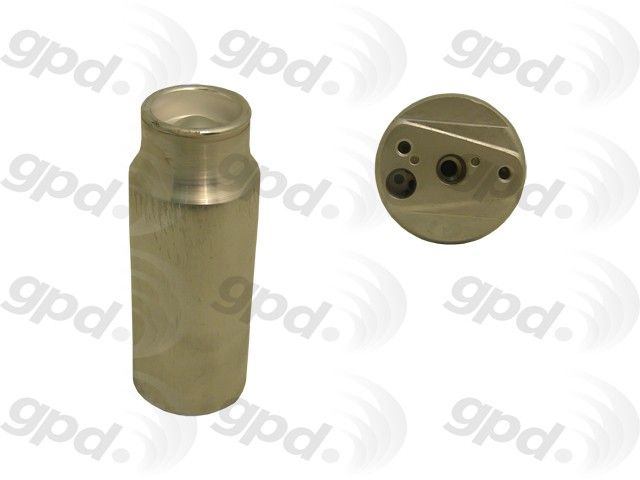
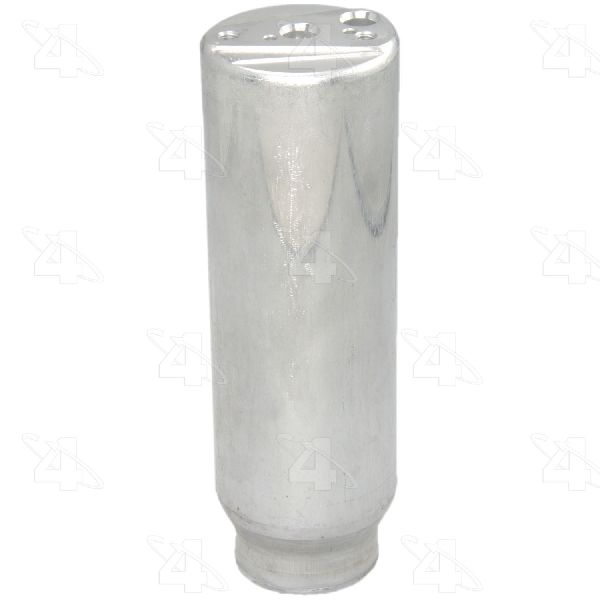
- ACDelco & Four Seasons: Both are considered trusted, quality aftermarket brands by mechanics and DIYers. They offer a good balance of quality and price. Many have used Four Seasons A/C parts for years with good results. When prices are similar, ACDelco is also a solid choice.
- Global Parts (GPD): This is often a more budget-friendly option. Feedback is mixed; some users have had success, while others have reported parts failing prematurely. It can be a viable choice if cost is the primary concern, but it may carry more risk than the other brands.
Typical Replacement Costs for a 1992-2003 Dodge Viper
You must replace the receiver drier any time you replace the compressor or have the system open for any major repair. The cost of the part itself is low, but the job requires special equipment to handle the refrigerant. Prices are estimates.
| Part/Service | Estimated Cost |
|---|---|
| New Aftermarket Receiver Drier | $18.25 - $35.16 |
| New OEM Mopar Receiver Drier | $190 - $210 |
| Shop Labor (Evacuate & Recharge) | $150 - $250 |
| Total Estimated Cost | $170 - $285 |
Frequently Asked Questions
Why do I have to replace the drier every time the A/C system is opened?
The material inside the drier, called desiccant, acts like a sponge for moisture. The moment you open the system, it's exposed to humidity in the air and immediately soaks it up, becoming saturated. If you reuse the old drier, it will be unable to protect your A/C system from any new moisture, leading to corrosion and potential failure of the new parts you just installed. Most part warranties for compressors require a new drier to be installed at the same time.
Can I replace the A/C receiver drier myself?
This is not a recommended DIY job. It is illegal to release A/C refrigerant into the atmosphere. A professional shop must use a special machine to safely recover the refrigerant before the system can be opened. After the part is replaced, the system must be put into a deep vacuum to boil off any moisture before being recharged with the precise amount of refrigerant and oil.
Is there a recall on the Dodge Viper A/C system?
No, there are no known recalls or technical service bulletins (TSBs) from Dodge or the NHTSA for the A/C receiver drier on 1992-2003 Dodge Vipers.
My A/C is just weak. Could it just be low on refrigerant?
Yes, but refrigerant doesn't get "used up." If it's low, there is a leak. On Gen 2 Vipers, the most common leak points are the O-rings at the compressor connections. Simply adding more refrigerant without fixing the leak is a temporary solution at best. A shop can add a UV dye to the system to pinpoint the exact source of the leak.
Technical Specifications
Contains desiccant for moisture absorption. Filters particles from refrigerant. Located on the high-pressure side of the A/C system.
We Have This Part in Stock


The information in this article is provided for general reference and educational purposes only. Vehicle specifications, procedures, and part compatibility can vary by production date, trim level, and region. Always consult your vehicle's factory service manual and verify part numbers before purchasing or performing repairs. Safety-critical components such as airbags, seat belts, and braking systems should be installed by a qualified professional.
- Dodge Viper: