

A/C Receiver Drier Guide for the 1995-2000 Mitsubishi Eclipse
Keep your Eclipse A/C blowing cold by understanding when and why to replace your A/C receiver drier.
- Always replace the receiver drier whenever the A/C system is opened for repairs, such as a compressor replacement.
- Replacement is not a DIY job; it requires specialized equipment to safely recover and recharge the refrigerant.
- Symptoms of failure include weak cooling, a moldy smell from the vents, and rattling noises.
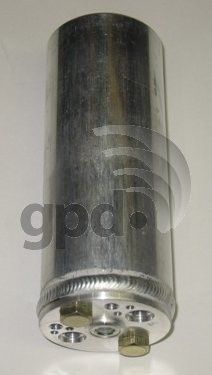
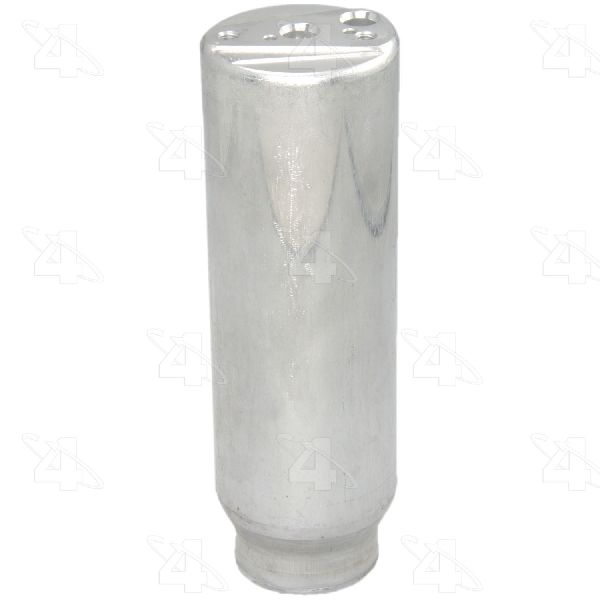
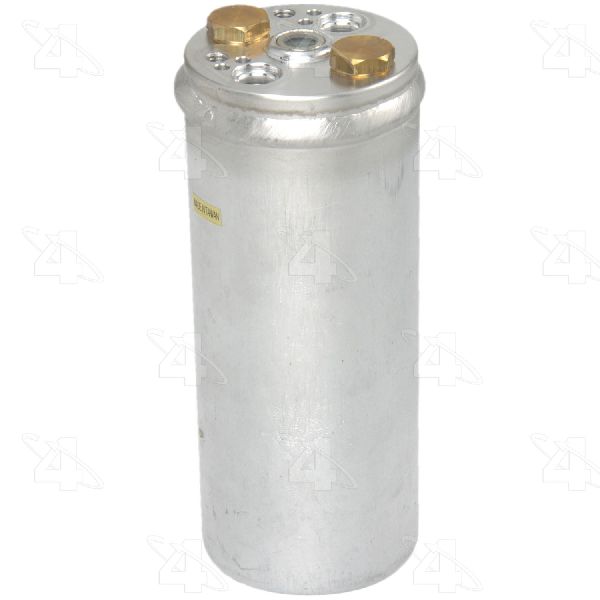
- Aftermarket brands like Denso, Four Seasons, ACDelco, and GPD offer reliable, cost-effective options for the Eclipse.
Is Your Eclipse A/C Not as Cold as It Used to Be?
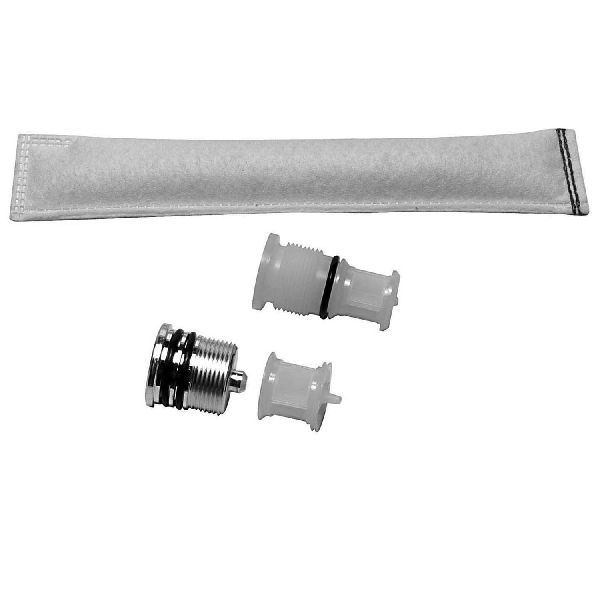
If the air conditioning in your 1995-2000 Mitsubishi Eclipse isn't performing well, a failing A/C receiver drier could be the problem. This component is essential for protecting your A/C system from moisture and contamination. Over time, the material inside, called desiccant, becomes saturated and can no longer absorb moisture, leading to poor cooling and potential damage to other parts.
Symptoms of a Bad A/C Receiver Drier
A failing receiver drier can cause several issues. Recognizing them early can save you from more expensive repairs down the road.
- Poor Cooling: The most common symptom is an A/C system that doesn't blow cold air. This can happen if the drier is clogged, restricting refrigerant flow.
- Moldy Smell: If the desiccant is saturated, it can't remove moisture, which may lead to mold or mildew growth in the system, causing a bad odor from the vents.
- Refrigerant Leaks: While leaks can happen anywhere, a faulty receiver drier can develop cracks or have bad seals, leading to refrigerant leaks. You might see a greasy residue near the component or its fittings.
- Rattling Noises: If internal parts of the drier have broken or come loose, you might hear a rattling sound from the engine bay when the A/C is on.
When to Replace Your Receiver Drier
It is a non-negotiable industry standard to replace the A/C receiver drier anytime the A/C system is opened 🎬 See how to replace the compressor and drier during a service. for service. This includes replacing the compressor, condenser, or hoses. The desiccant inside becomes saturated within hours of being exposed to the atmosphere, making it ineffective.
Choosing the Right Aftermarket Receiver Drier
For a vehicle like the 1995-2000 Eclipse, aftermarket parts offer a great balance of quality and value. The original parts may be hard to find or expensive. Here’s a look at the available brands:
- Denso: Often an Original Equipment (OE) supplier for many Japanese vehicles, Denso parts are known for their high quality and precise fit. If you want as close to original quality as possible, Denso is a top choice.
- Four Seasons: A well-known aftermarket brand that produces a wide range of A/C components. They are generally considered a reliable and cost-effective option.
- ACDelco: While strongly associated with GM vehicles, ACDelco offers parts for many makes and models. They are known for providing dependable, professional-grade aftermarket parts.
- Global Parts Distributors (GPD): GPD is a national brand specializing in aftermarket A/C system products. They offer a complete line of parts and are a common choice for repair shops. 🎬 Learn more about GPD and their aftermarket A/C system products.
Pro Tip: Since all these brands are reputable, your choice can be based on price and availability. Denso often has a slight edge in perceived quality due to its OE background, but any of these brands will be a significant improvement over a saturated, old drier.
A/C Receiver Drier Cost for 1995-2000 Mitsubishi Eclipse
| Part Type | Estimated Cost |
|---|---|
| New Aftermarket | $18.25 - $49.47 |
| Shop Labor | $150 - $250 |
Note: Labor costs are estimates and can vary by location and shop. The total job cost will also include refrigerant and potentially other small parts like O-rings.
Frequently Asked Questions
Can I replace the A/C receiver drier myself?
This is not recommended for a DIY project unless you have the proper equipment. Replacing any A/C component requires recovering the refrigerant from the system before opening it, and then pulling a vacuum and recharging the system afterward. This work must be done by a certified professional with an A/C service machine to comply with environmental regulations and ensure the system works correctly.
Are there any recalls for the A/C system on my Eclipse?
Searches of the National Highway Traffic Safety Administration (NHTSA) database did not find any specific recalls for the A/C receiver drier on the 1995-2000 Mitsubishi Eclipse. Recalls for other Mitsubishi models and years exist but do not apply to this specific part and vehicle.
Do I need to add oil when replacing the receiver drier?
Yes. When you remove the old drier, you should pour out the oil inside and measure how much there was. You should add the same amount of new, correct-type PAG oil to the new receiver drier before installation. If the system had a leak, you might need to add a bit more based on manufacturer specifications.
🎬 Watch this step-by-step guide on how to replace a receiver drier.What's the difference between a receiver drier and an accumulator?
They perform similar functions but are used in different types of A/C systems. A receiver drier is used in systems with an expansion valve, like your Eclipse, and is on the high-pressure side. An accumulator is used in systems with an orifice tube and is on the low-pressure side.
Helpful Videos
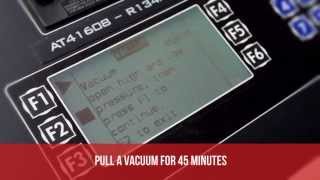
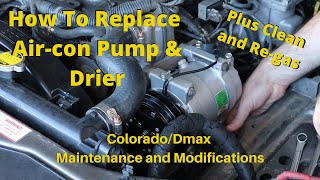
Technical Specifications
OEM Part Numbers: MR146825
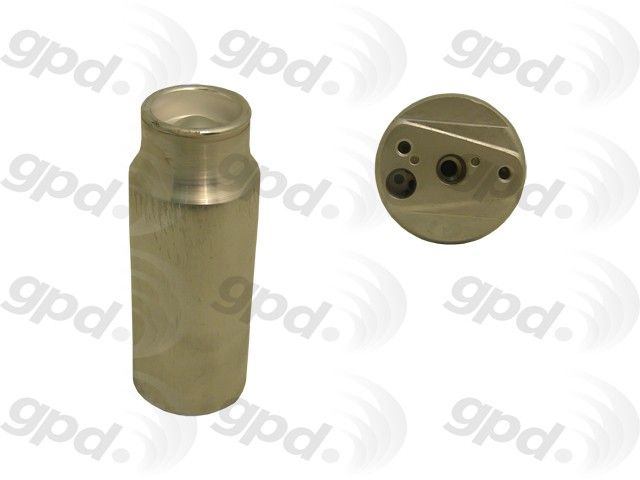
This is a filter drier with a pad mount design, used in A/C systems equipped with an expansion valve.
We Have This Part in Stock


The information in this article is provided for general reference and educational purposes only. Vehicle specifications, procedures, and part compatibility can vary by production date, trim level, and region. Always consult your vehicle's factory service manual and verify part numbers before purchasing or performing repairs. Safety-critical components such as airbags, seat belts, and braking systems should be installed by a qualified professional.
- Mitsubishi Eclipse:
- 🎬 Helpful Videos
- 🛍️ Shop This Part
- Is Your Eclipse A/C Not as Cold as It Used to Be?
- Symptoms of a Bad A/C Receiver Drier
- When to Replace Your Receiver Drier
- Choosing the Right Aftermarket Receiver Drier
- A/C Receiver Drier Cost for 1995-2000 Mitsubishi Eclipse
- Frequently Asked Questions
- 🎟️ Get 5% Off