

Spark Plug Guide for the 1995-2002 Kawasaki KX250
Keep your two-stroke running strong by choosing the right spark plug and avoiding common fouling issues.
- NGK is the most recommended brand for the KX250, with the BR8EG being a popular standard choice and the BR8EIX being a premium iridium upgrade.
- Spark plug fouling is a common issue; it can be caused by the plug itself but is often a symptom of incorrect carburetor jetting or fuel/oil mix.
- Replacing the spark plug is a very easy and fast maintenance task that any owner can do with basic tools.
- There are no recalls or TSBs from Kawasaki or the NHTSA regarding spark plugs for the 1995-2002 KX250.
Signs of a Failing Spark Plug on Your KX250

A bad spark plug on a two-stroke dirt bike makes itself known quickly. Because these engines are sensitive to spark quality, you'll notice performance problems right away. Keep an eye out for these common symptoms.
- Hard Starting: A weak or inconsistent spark makes it difficult for the engine to fire up, whether kicking it over cold or hot.
- Engine Misfires or Bogs: You may feel the engine hesitate or stumble, especially when you open the throttle quickly. This is often due to a fouled or worn-out plug that can't produce a reliable spark under load.
- Fouling: This is the most common issue for KX250 owners. A fouled plug is one that's covered in black, oily, or sooty deposits. This can be caused by incorrect jetting, a rich fuel-to-oil ratio, or a plug that is too 'cold' for your riding style. A fouled plug will cause misfires and eventually prevent the bike from running at all.
- Reduced Power: If your bike feels sluggish and doesn't have its usual snap, a worn spark plug could be the cause. Over time, the electrodes wear down, increasing the gap and weakening the spark.
Choosing the Right Aftermarket Spark Plug

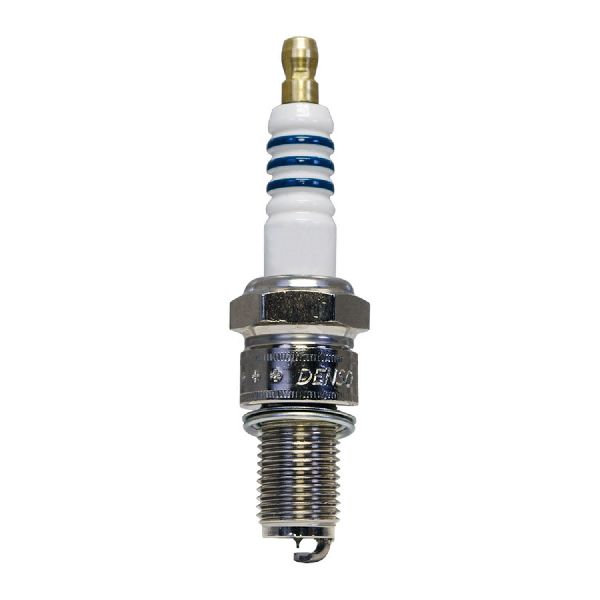
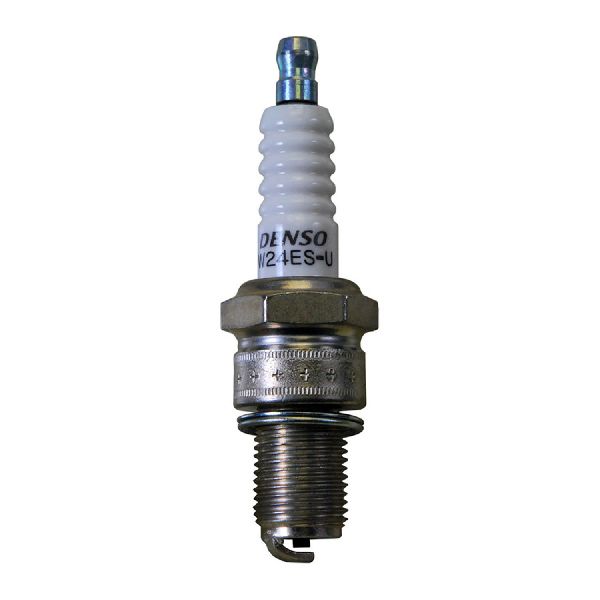
For the 1995-2002 KX250, NGK is the original equipment manufacturer (OEM) and the most recommended brand by owners and mechanics. Denso is a high-quality alternative, while Champion is another available option. Aftermarket plugs are not a step down in quality; in fact, brands like NGK and Denso are often the OEM suppliers.
Brand Tiers & Materials
Tier 1: Premium (Iridium)
- Brands: NGK Iridium IX, Denso Iridium
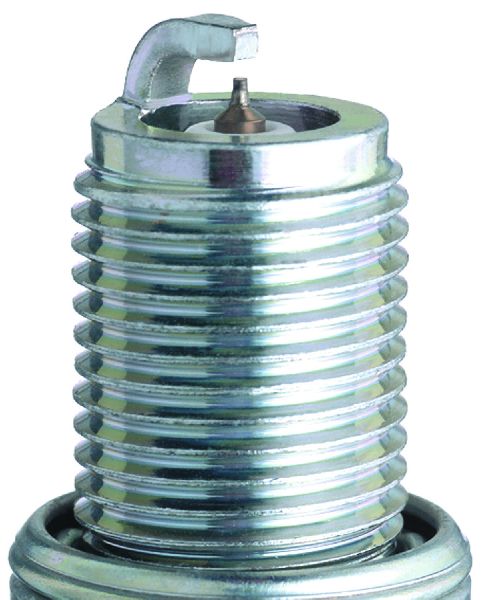
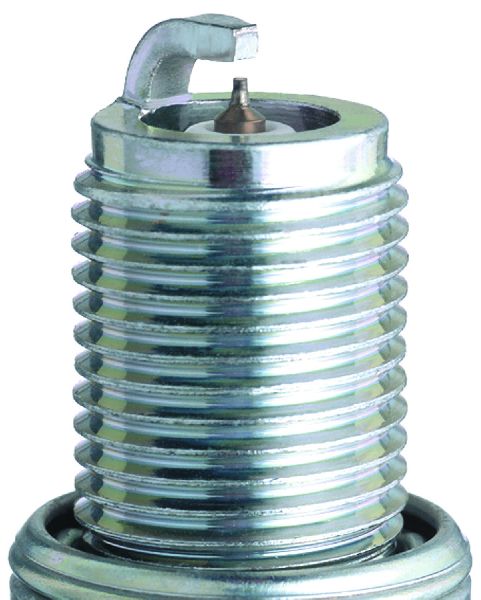
- Details: Iridium plugs like the NGK BR8EIX feature a fine-wire center electrode that provides a more focused and consistent spark. This leads to better throttle response, improved starting, and a longer service life because the material is extremely hard and resistant to wear. They are more expensive but are a popular upgrade for riders looking for maximum performance and durability.
Pro Tip: Many riders carry a spare standard plug in their toolkit, even if they run an iridium plug. A severely fouled plug can happen on the trail, and having a cheap, reliable backup can save your ride.
Tier 2: Standard (Nickel/Copper)
- Brands: NGK Standard (BR8EG or BR8ES), Denso Standard
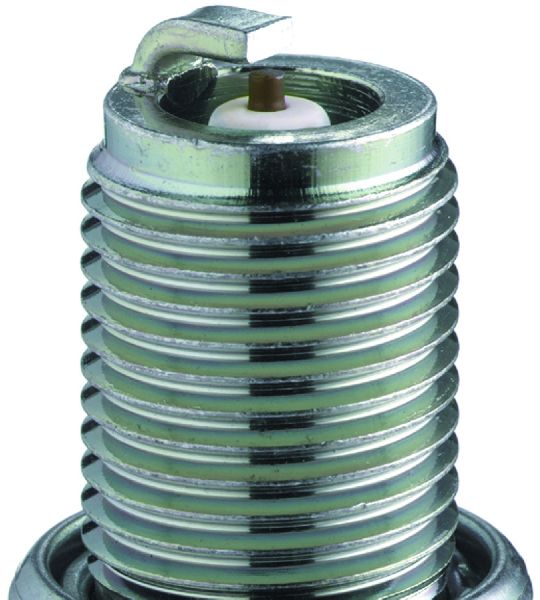
- Details: These are the workhorses. The NGK BR8EG is a widely recommended plug for these bikes. Standard plugs use a larger nickel-alloy electrode. They provide excellent performance at a very low cost but will wear out faster than iridium plugs. Because two-strokes can be hard on plugs, many owners prefer to use standard plugs and simply replace them more frequently as part of regular maintenance.
Tier 3: Economy
- Brands: Champion
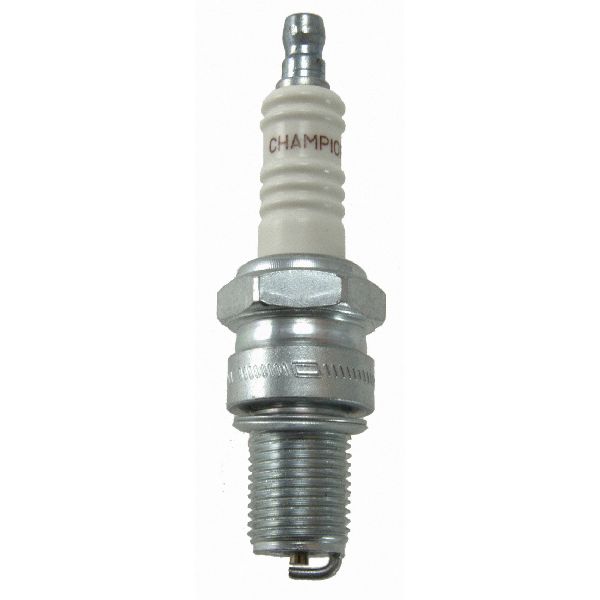
- Details: Champion offers compatible spark plugs that meet basic requirements. While they will function, most KX250 owners and forum discussions point towards NGK as the preferred, most reliable choice for this specific engine. Using a generic or off-brand plug can sometimes lead to a noticeable drop in performance.
| Part Type | Price Range | Notes |
|---|---|---|
| New Aftermarket (Standard) | $3.85 - $10.00 | Includes standard nickel/copper plugs like the NGK BR8EG. Excellent value. |
| New Aftermarket (Iridium) | $10.00 - $55.77 | Includes premium fine-wire iridium plugs like the NGK BR8EIX. Offers longer life and enhanced performance. |
| Shop Labor | $15 - $40 | This is a very quick job for any motorcycle shop. |
Frequently Asked Questions (FAQ)

What's the difference between an NGK BR8EG and BR8ES?
The main difference is the electrode design. The 'EG' has a finer, grooved electrode for a slightly better spark, while the 'ES' is a standard, solid electrode. Both will work well, but the BR8EG is often preferred for a slight performance edge and is commonly recommended for the KX250.
What does the '8' in the spark plug number mean?
The number in an NGK plug (like the '8' in BR8EG) indicates the heat range. This is a measure of how quickly the plug transfers heat away from its tip. A lower number is a 'hotter' plug (dissipates heat slower), while a higher number is a 'colder' plug (dissipates heat faster). The stock heat range is usually correct, but riders with modified engines or who ride exclusively at high RPM might use a colder plug (e.g., a BR9EIX) to prevent overheating.
Do I need to gap my new spark plug?
Most premium plugs like the NGK Iridium IX come pre-gapped and the manufacturer advises against changing it. For standard plugs, it is always a good practice to check the gap with a feeler gauge and adjust it to the manufacturer's specification found in your owner's manual. The gap for a BR8EIX is typically 0.8mm.
Are there any recalls for the 1995-2002 KX250 spark plug?
No, there are no specific recalls or Technical Service Bulletins (TSBs) related to spark plugs for the 1995-2002 Kawasaki KX250. Recalls found for Kawasaki spark plugs were for much newer street motorcycle models and were related to damage during factory installation, not a defect in the plugs themselves.
Helpful Videos
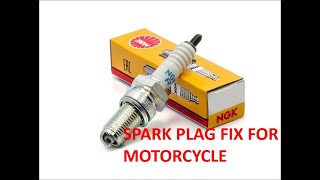

![How To Tell If Spark Plug Is BAD In A Dirt Bike [3 Surefire Signs]](https://img.youtube.com/vi/aj9QrJPzDi4/mqdefault.jpg)
![The 4 Ways Dirt Bikes EAT Spark Plugs [Why Did It Foul?]](https://img.youtube.com/vi/0HsdViNKD8Q/mqdefault.jpg)
Technical Specifications
OEM Part Numbers: BR8EG BR8ES BR8EIX
Thread Size: 14mm, Wrench Size: 20.8mm (13/16"), Heat Range: 8.
We Have This Part in Stock

The information in this article is provided for general reference and educational purposes only. Vehicle specifications, procedures, and part compatibility can vary by production date, trim level, and region. Always consult your vehicle's factory service manual and verify part numbers before purchasing or performing repairs. Safety-critical components such as airbags, seat belts, and braking systems should be installed by a qualified professional.
- Kawasaki KX250: