

A/C Receiver Drier Guide for 1996-2003 Toyota 4Runner
Keep your 3rd Gen 4Runner's A/C blowing cold by understanding this critical, often-overlooked part.
- Always replace the receiver drier whenever the A/C system is opened for any repair.
- Denso is the OEM supplier for Toyota, making it a top-tier choice for aftermarket replacement.
- Replacement requires special tools to evacuate and recharge the system, so it's not a typical DIY job.
- Failure to replace a saturated or failed drier can lead to very expensive A/C compressor damage.
Is Your 4Runner's A/C Not as Cold as It Used to Be?
If the air conditioning in your 1996-2003 4Runner is struggling, a failing A/C receiver drier could be part of the problem. This component is a normal wear-and-tear item that is critical for the health and longevity of your entire A/C system. It's not just about cooling; it's about protecting your investment in other A/C parts.
Symptoms of a Failing A/C Receiver Drier
A bad receiver drier can cause several issues. Look out for these common signs:
- Poor Cooling Performance: If the drier becomes clogged with debris or the internal desiccant is saturated, it can restrict refrigerant flow, leading to weak or no cooling from your vents.
- Rattling Noises: Internal damage to the drier can cause rattling sounds when the A/C is running. This could mean the desiccant material has broken apart and is circulating in the system, which can cause major damage.
- Moldy Smell: If the drier can no longer absorb moisture, mold and mildew can grow in the A/C system, causing a musty smell from the vents.
- Refrigerant Leaks: While leaks can happen anywhere, a failing drier can leak refrigerant from its seals or fittings. You might see a greasy film on the part itself.
- Frost on A/C Parts: A significant clog in the drier can cause a rapid pressure drop, leading to frost or ice forming on A/C lines or components.
When to Replace the Receiver Drier
The number one rule for A/C repair is to always replace the receiver drier whenever the system is opened to the atmosphere. This includes repairs like replacing the compressor, condenser, or hoses. The desiccant inside becomes saturated with moisture from the air almost immediately, making the old drier useless. It is a cheap part that protects very expensive ones.
Choosing the Right Aftermarket Drier for Your 4Runner
For the 3rd generation 4Runner, you have several good aftermarket options. Since Denso is the original equipment (OE) supplier for Toyota, it's a top choice for guaranteed fit and quality.
- Tier 1 (OE Quality): Denso is the original part manufacturer for your 4Runner. Choosing a Denso aftermarket drier is the closest you can get to buying the part from a Toyota dealership, ensuring excellent quality and fit.
- Tier 2 (Quality Aftermarket): Brands like Four Seasons and Nissens are well-known in the aftermarket. Forum users have reported good experiences with Four Seasons parts on Toyota vehicles. Nissens is also a reputable brand, though some users across different car models have occasionally noted minor fitment issues requiring small modifications.
- Tier 3 (Economy): Brands like Global Parts or other store-brands offer a budget-friendly option. While they can work, their long-term durability and the quality of the desiccant material may not match the higher-tier brands.
Pro Tip: Check for Included O-Rings
When you buy a new receiver drier, check if it comes with new O-rings for the line connections. Always replace the old O-rings and lubricate the new ones with the correct 🎬 See a professional guide on how to replace a receiver drier. type of A/C oil (PAG oil for your 4Runner) before installation to ensure a proper seal.
Cost to Replace the A/C Receiver Drier
The cost varies depending on whether you do it yourself or have a shop perform the work. The job requires special tools to safely evacuate and recharge the refrigerant.
| Part/Service | Estimated Cost |
|---|---|
| New Aftermarket Part | $18 - $44 |
| New OEM Part | $34 - $79 |
| Shop Labor & Recharge | $321 - $470 |
| Total Professional Replacement | $456 - $666 |
Frequently Asked Questions
Do I have to replace the drier if I'm just recharging my A/C?
No. If your system is just low on refrigerant and has no major leaks, you don't need to replace the drier for a simple top-off. However, if the system was opened for any repair, replacement is mandatory.
Can I replace the A/C receiver drier myself?
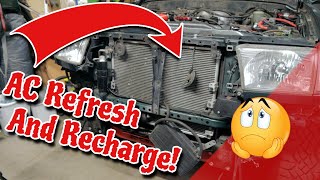
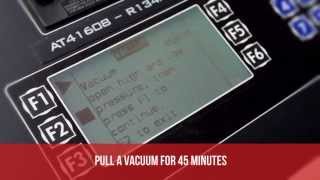
While unbolting the drier is straightforward, the A/C system must be legally and safely evacuated of all refrigerant before you start and then properly vacuumed and recharged after. 🎬 Watch a full 4Runner A/C system refresh and recharge process. This requires specialized equipment like a refrigerant recovery machine, manifold gauges, and a vacuum pump, making it a difficult job for most DIYers.
Are there any recalls for the A/C system on my 1996-2003 4Runner?
No, there are no specific recalls for the A/C receiver drier or other major A/C components on this generation of 4Runner. There was a significant recall for the rear suspension on 1996-1998 models (Recall SSC 20A), but it is unrelated to the A/C system.
What is desiccant?
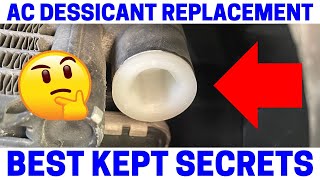
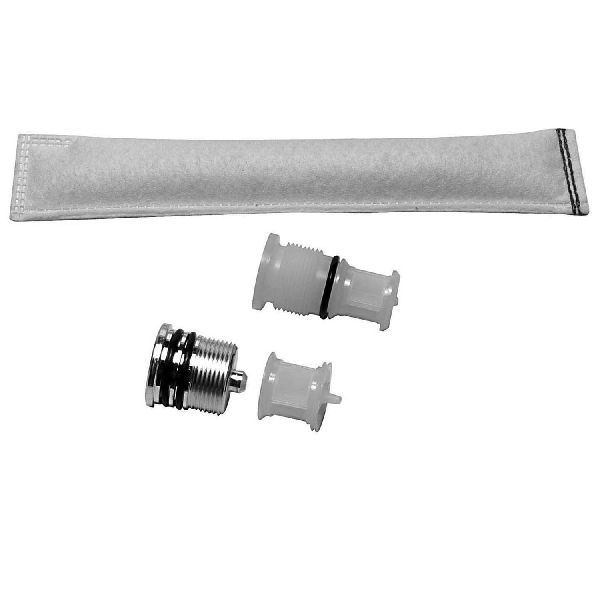
Desiccant is a substance that absorbs moisture. The receiver drier is filled with desiccant beads or a bag 🎬 Learn more about replacing the desiccant in your A/C system. to pull any water out of the refrigerant. Once it's exposed to the open air, it becomes saturated and can no longer do its job, which is why the drier must be replaced any time the system is opened.
Helpful Videos
Technical Specifications
OEM Part Numbers: 88471-34010 88471-20050
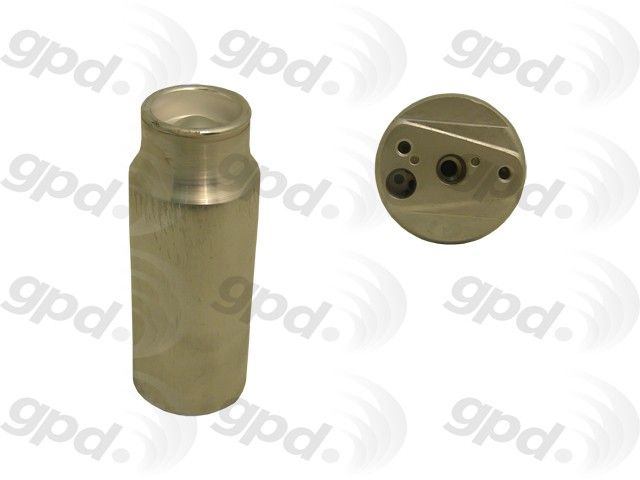
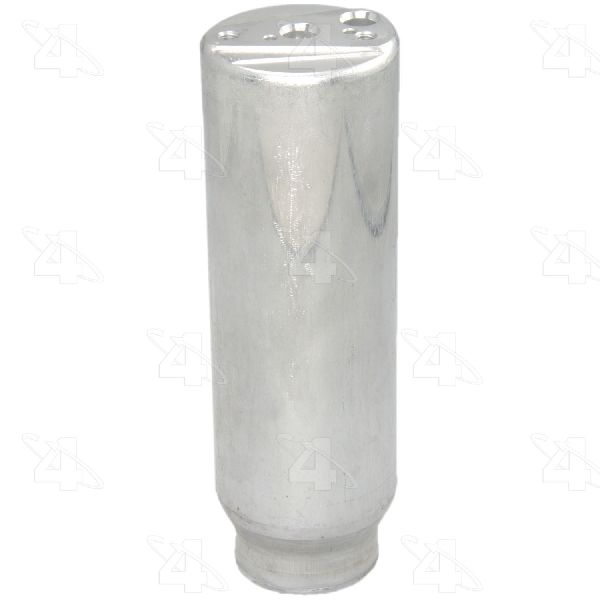
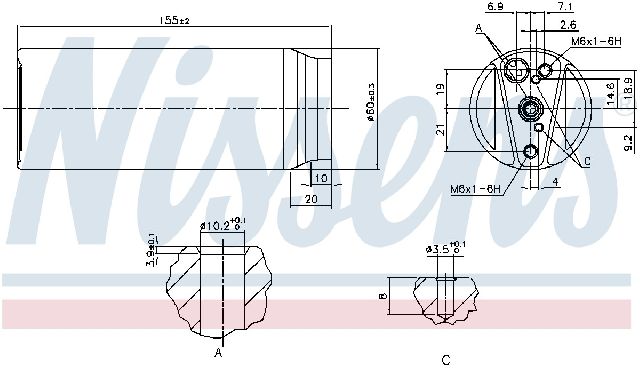
The receiver drier for the 1996-2003 4Runner is a canister-style filter, typically made of aluminum or steel, with pad mount fittings. It contains a desiccant material to absorb moisture.
We Have This Part in Stock

The information in this article is provided for general reference and educational purposes only. Vehicle specifications, procedures, and part compatibility can vary by production date, trim level, and region. Always consult your vehicle's factory service manual and verify part numbers before purchasing or performing repairs. Safety-critical components such as airbags, seat belts, and braking systems should be installed by a qualified professional.
- Toyota 4Runner:
- 🎬 Helpful Videos
- 🛍️ Shop This Part
- Is Your 4Runner's A/C Not as Cold as It Used to Be?
- Symptoms of a Failing A/C Receiver Drier
- When to Replace the Receiver Drier
- Choosing the Right Aftermarket Drier for Your 4Runner
- Pro Tip: Check for Included O-Rings
- Cost to Replace the A/C Receiver Drier
- Frequently Asked Questions
- 🎟️ Get 5% Off