

Choosing the Right Disc Brake Pad Set for Your 2003-2015 Volvo XC90
Stop the guesswork when it comes to replacing the brake pads on your first-generation Volvo XC90.
- The heavy Volvo XC90 is known for accelerated brake wear; inspect your pads regularly.
- Always replace brake rotors and pads together for the best and safest performance.
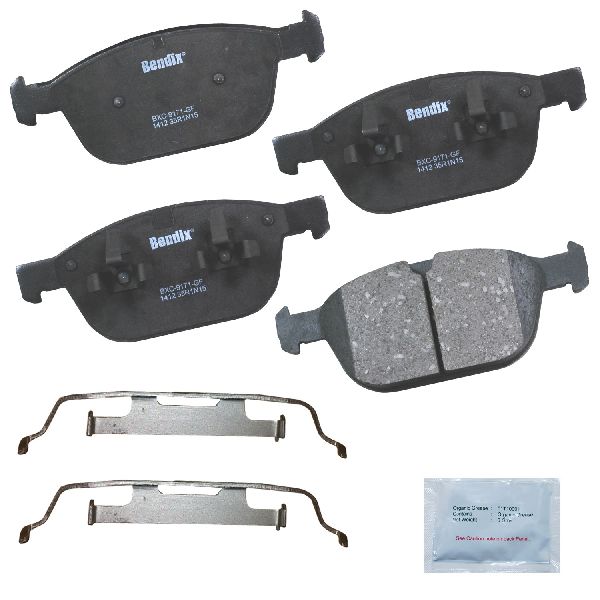
- For low dust and quiet operation, choose quality ceramic pads from brands like Akebono or Bosch.
- For original factory braking feel, use OEM-equivalent semi-metallic pads from ATE or Textar.
Signs Your XC90 Needs New Brake Pads
Your Volvo is designed to let you know when its brake pads are getting low. Ignoring these signs can lead to reduced stopping power and more expensive repairs down the road.
- Squealing or Screeching Noises: A high-pitched squeal when you apply the brakes is often the first sign. This is caused by a small metal wear indicator built into the brake pad making contact with the rotor.
- Grinding Sounds: If you hear a grinding or growling noise, it's a serious warning. This means the pad material has completely worn away, and the metal backing plate is grinding against the rotor, which can cause significant damage.
- Vibrations: A pulsing or vibrating feeling in the brake pedal or steering wheel when braking can indicate warped rotors, which often happens when worn pads are not replaced in time.
- Longer Stopping Distances: If you notice your XC90 is taking longer to stop than it used to, your brake pads are likely worn out and can't create enough friction.
- Brake Warning Light: While the 2003-2014 XC90 models typically do not have electronic brake pad wear sensors, a general brake system warning light on your dashboard should never be ignored.
Known Issue: Premature Wear
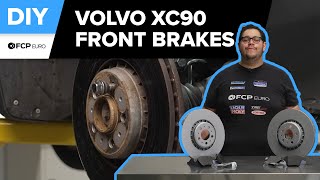
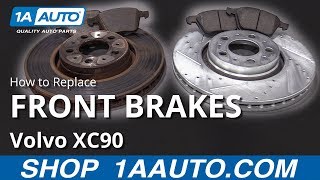
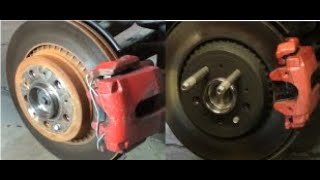
The first-generation Volvo XC90 is a heavy vehicle, and owners have frequently reported faster-than-expected brake wear. It is not uncommon to need to replace pads and rotors more often than on a lighter sedan. Some owners report needing replacements as early as 17,000-30,000 miles, 🎬 Watch: Step-by-step front brake pad and rotor replacement guide. depending on driving habits.
Choosing the Right Aftermarket Brake Pads
You don't have to go to the dealer for quality brake pads. Many aftermarket brands offer excellent performance, often exceeding the original parts in certain aspects like dust production or lifespan. Aftermarket pads for your XC90 fall into a few main categories.
Tier 1: OEM-Equivalent & Premium Brands
These brands are often the original equipment (OE) manufacturers for Volvo or produce pads to the same high standards. They are your best bet for factory-like performance, quiet operation, and consistent feel.
- ATE: Often an OE supplier for European cars, ATE pads provide a factory-like feel and performance.
- Textar: Another premium OE supplier known for excellent stopping power and quality. They are a popular choice for maintaining the original braking characteristics.
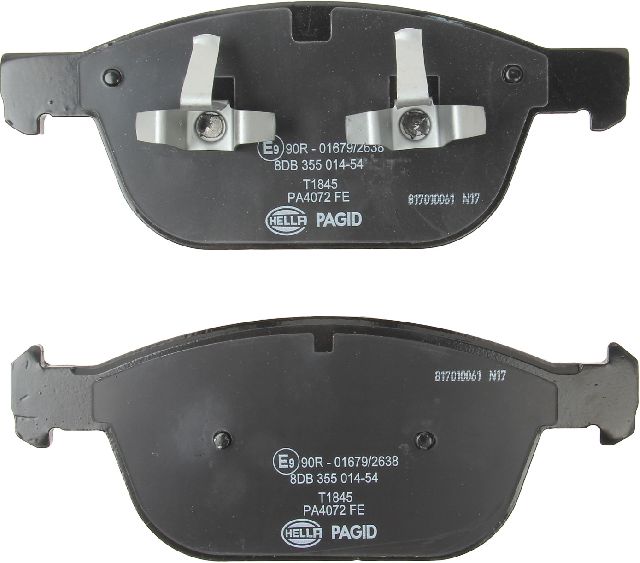
- Pagid: A well-respected OE brand that provides reliable, quiet performance.
- Akebono: Known for their high-quality ceramic pads, which offer great stopping power with significantly less brake dust than semi-metallic pads, keeping your wheels cleaner.
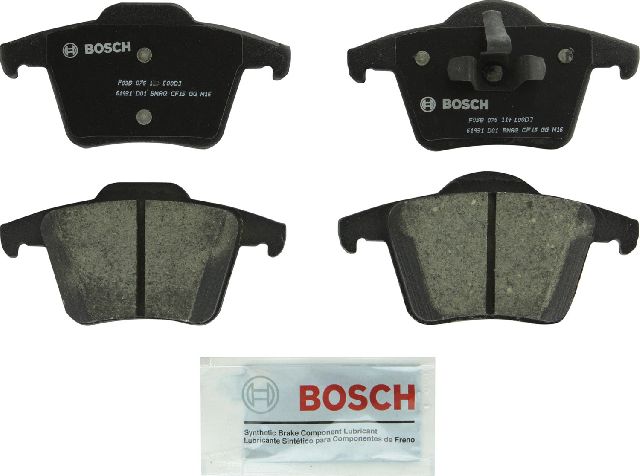
- Bosch: Bosch QuietCast pads are a popular ceramic option, valued for their quiet operation and low dust.
Tier 2: Performance & Heavy-Duty Brands
If you tow with your XC90 or simply want more braking power, these brands offer upgraded compounds. The trade-off can sometimes be more dust or noise.
- EBC Brakes: EBC offers different compounds like their Yellowstuff pads for improved braking performance, which some owners notice as a significant upgrade.
- Powerstop: Known for their complete brake kits (pads and rotors), Powerstop offers options like the Z23 for improved stopping power with less dust than many stock pads.
- Brembo: While famous for high-performance brake systems, Brembo also makes excellent replacement pads that are a reliable upgrade over stock.
Tier 3: Daily Driver & Value Brands
These brands provide safe, reliable stopping power for everyday driving at an affordable price point. They are a solid choice for budget-conscious owners.
- Centric/StopTech: Offers a wide range of pads, including the popular Posi-Quiet line, which balances performance and low noise.
- Raybestos: A long-standing brand offering dependable and affordable brake pads for daily use.
- Dynamic Friction: A popular choice offering reliable quality and performance for everyday driving situations.
- Wagner Brakes: Known for their OEX line, which provides good performance for SUVs and trucks.
Pro Tip: Ceramic vs. Semi-Metallic
Most European cars, including your Volvo, originally came with semi-metallic brake pads. They offer excellent performance across a wide range of temperatures but produce noticeable brake dust. Ceramic pads are a popular aftermarket choice because they produce very little dust and are very quiet. For most daily driving, a quality ceramic pad from a brand like Akebono or Bosch is an excellent, clean-running choice. If you prefer the strong initial bite of the factory pads, stick with a premium semi-metallic from ATE or Textar.
Frequently Asked Questions (FAQ)
Do I need to replace my rotors at the same time as my pads?
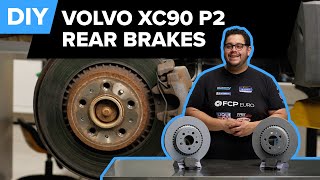
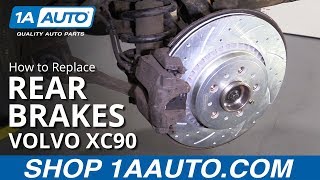
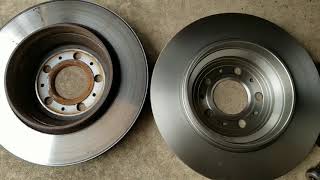
It is highly recommended. To ensure the best braking performance and prevent noise, pads and rotors should be replaced together. Installing new pads on old, worn rotors can cause uneven pad wear, noise, and reduced performance. A visible lip on the outer edge of the rotor is a clear sign 🎬 See this walkthrough for replacing your rear pads and rotors. it needs replacement.
What is the "bedding-in" process and is it important?
Yes, it's very important. Bedding-in is a procedure of several controlled stops used to transfer an even layer of friction material from the new pads to the rotors. This process ensures smooth, quiet braking and prevents issues like vibration or judder. Always follow the manufacturer's specific bedding-in procedure included with your new pads.
Why are my new brakes squeaking?
Squeaking after a brake job can be caused by a few things. It could be that the pads haven't been bedded-in properly. It can also be caused by brake dust accumulation or a lack of anti-squeal lubricant on the contact points of the pad backing plate and caliper. Ensure all hardware, like anti-rattle clips, were installed correctly.
🎬 Learn how to bleed your brakes and refresh your calipers.Are there any recalls for the 2003-2015 XC90 brakes?
Searches for the first-generation XC90 (2003-2015) did not show any major, widespread recalls specifically for brake pads or calipers. Most recent Volvo brake recalls apply to newer generation (2016+) models and are related to software issues with the electronic brake systems. However, there is a Technical Service Bulletin (TSB) related to vibration or shuddering while braking, which may be addressed by a technician.
Helpful Videos
Technical Specifications
OEM Part Numbers: 31262705 32373161
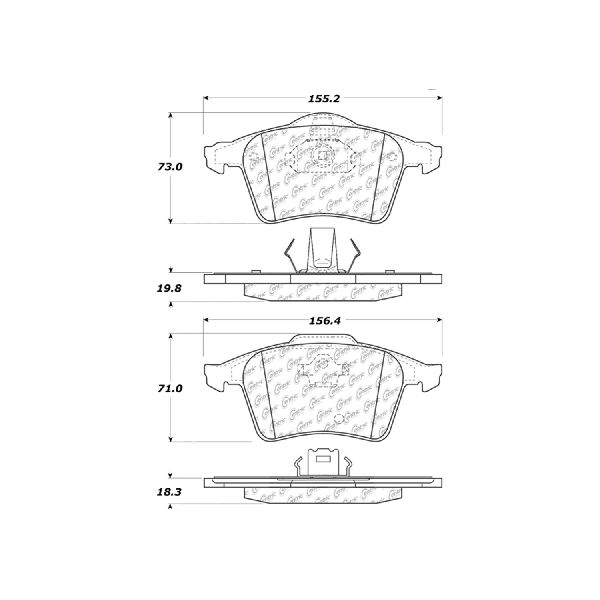
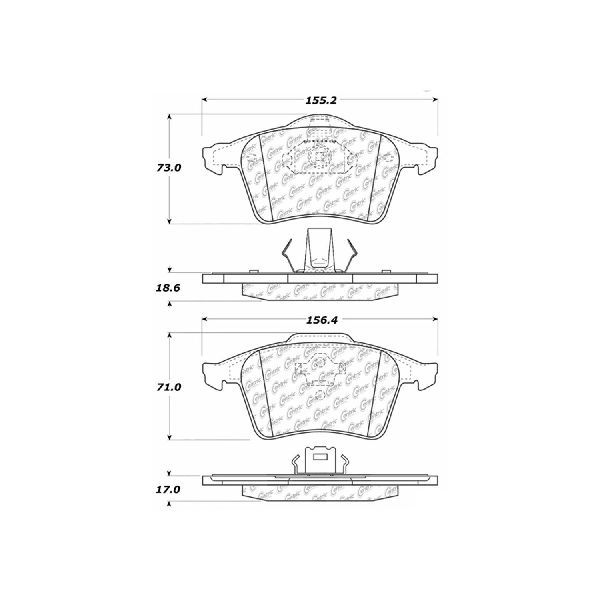
The 2003-2015 XC90 used different brake sizes depending on the engine and model year. The most common front rotor sizes are 316mm, 328mm, and 336mm. It is critical to verify your vehicle's specific brake package before ordering parts.
We Have This Part in Stock

The information in this article is provided for general reference and educational purposes only. Vehicle specifications, procedures, and part compatibility can vary by production date, trim level, and region. Always consult your vehicle's factory service manual and verify part numbers before purchasing or performing repairs. Safety-critical components such as airbags, seat belts, and braking systems should be installed by a qualified professional.
- Volvo XC90:
- 🎬 Helpful Videos
- 🛍️ Shop This Part
- Signs Your XC90 Needs New Brake Pads
- Known Issue: Premature Wear
- Choosing the Right Aftermarket Brake Pads
- Tier 1: OEM-Equivalent & Premium Brands
- Tier 2: Performance & Heavy-Duty Brands
- Tier 3: Daily Driver & Value Brands
- Pro Tip: Ceramic vs. Semi-Metallic
- Frequently Asked Questions (FAQ)
- 🎟️ Get 5% Off