

Volkswagen Jetta Engine Crankcase Vent Valve Guide (2006-2013)
Solving your Jetta's rough idle, whistling noises, or check engine light might be simpler than you think.
- First, identify your engine (2.5L or 2.0T) as the replacement part is completely different.
- Use the 'oil cap test' for a quick and reliable diagnosis; strong suction means the valve has failed.
- Do not delay this repair. A failed PCV valve can cause an expensive rear main seal leak.
- Since the OEM part commonly fails, a high-quality aftermarket brand is a smart and cost-effective choice.
Is It the Valve or the Whole Cover? Know Your Jetta Engine
Before you buy a part, you need to know which engine is in your 2006-2013 Jetta. The design of the crankcase vent valve system is very different between the two most common engines.
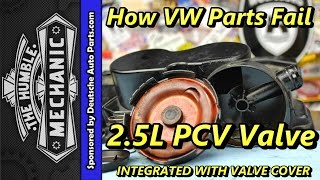
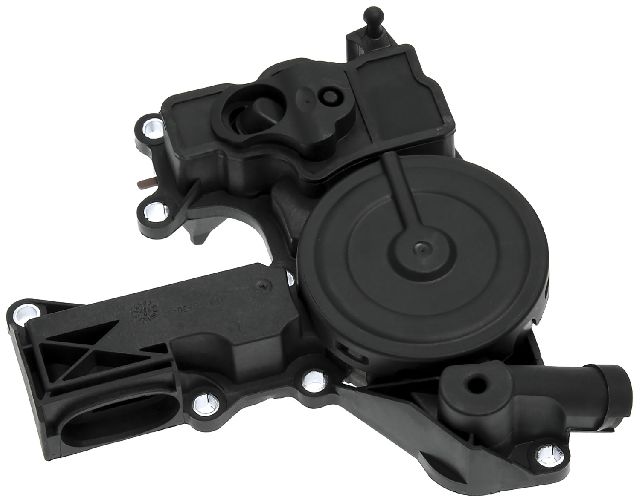
- For the 2.5L 5-Cylinder Engine: The PCV valve is built directly into the valve cover. If the internal diaphragm fails, you cannot replace just the valve. You must replace the entire valve cover assembly. This is a very common failure on this engine. 🎬 See why the 2.5L valve cover fails and how it's built
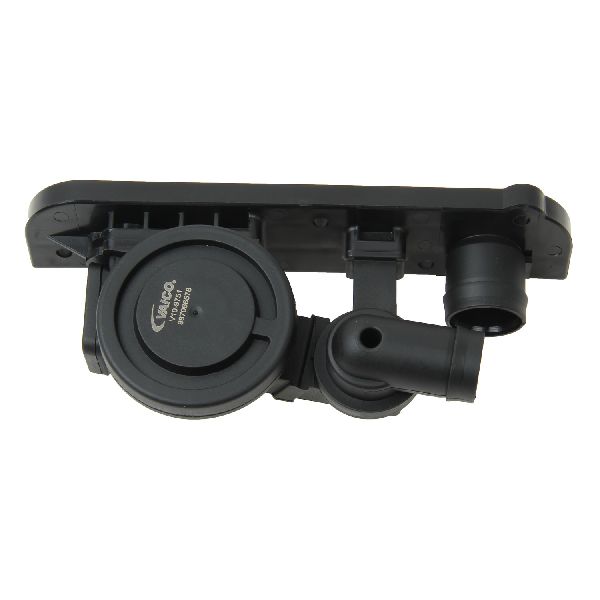
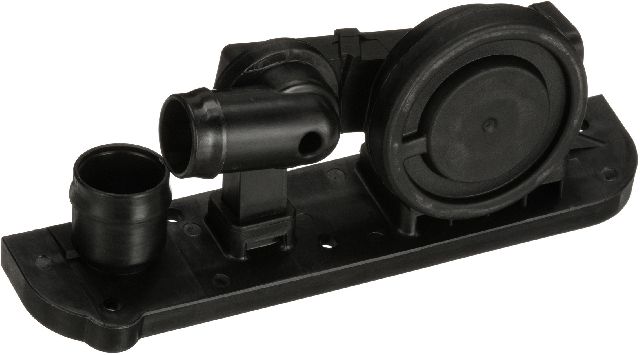
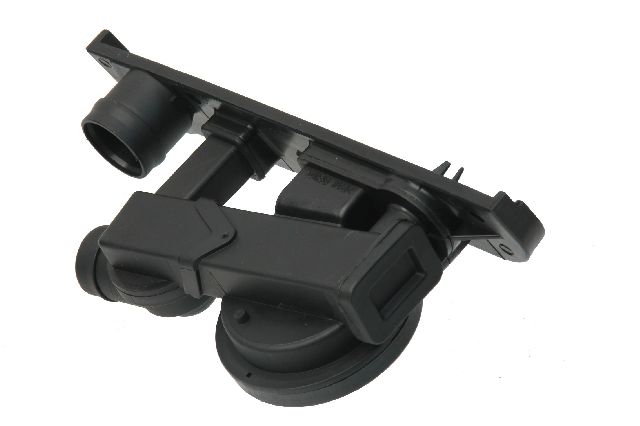
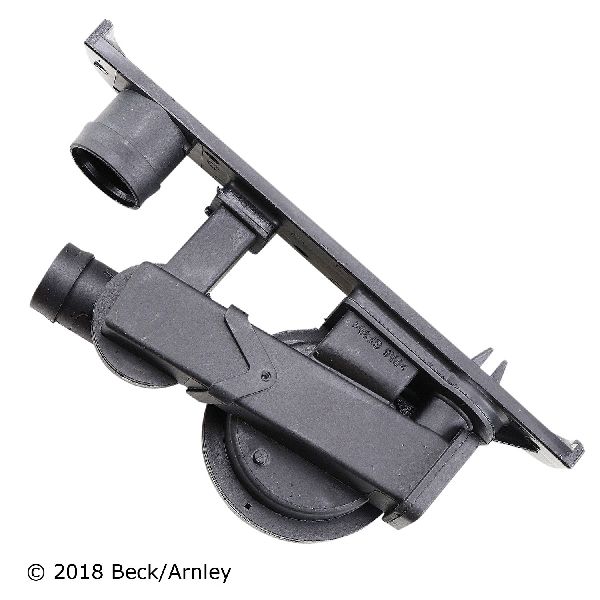
- For the 2.0T (TSI/FSI) Turbo Engine: The PCV is a separate module, often called an oil separator, that bolts to the top of the engine. It is a distinct part that can be replaced on its own. This part is also known for a high failure rate.
Symptoms of a Failing Crankcase Vent Valve
A bad PCV valve creates a vacuum leak, leading to several obvious symptoms. Here’s what to look and listen for:
- Loud Whistling or Screeching: This is one of the most common and obvious signs. A high-pitched whistle or screeching sound from the engine bay at idle often points directly to a torn diaphragm in the PCV valve.
- Rough or High Idle: Your engine's idle might become irregular, choppy, or faster than normal because the computer is trying to compensate for the extra, unmetered air.
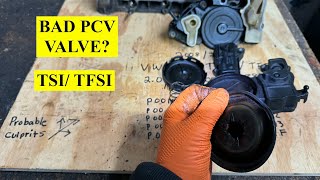
- Check Engine Light: A vacuum leak will almost always trigger a check engine light. Common codes include P0171 (System Too Lean), P2279 (Intake Air System Leak), and P0507 (Idle Control System RPM Higher Than Expected). 🎬 Watch this breakdown of TSI PCV symptoms and fault codes You may also see misfire codes (P0300-P0304).
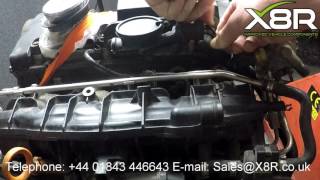
- Failed "Oil Cap Test": This is a simple, definitive test. With the engine running, try to remove the oil filler cap. If you feel a very strong suction holding the cap down, the PCV diaphragm has almost certainly failed. The engine may stumble or stall when you remove the cap. 🎬 Watch: How to perform a PCV diagnosis on your VW
- Oil Leaks: A clogged or failed PCV system can cause pressure to build in the crankcase, forcing oil out of gaskets and seals. A catastrophic failure of the rear main seal is a known, and very expensive, consequence of ignoring a bad PCV valve.
- Increased Oil Consumption: A faulty valve can cause your engine to suck oil from the crankcase and burn it, leading to higher oil consumption.
Don't Ignore the Signs: A Small Problem Can Become a Big One
While a failing PCV valve won't stop your car from running immediately, driving with it for too long is a bad idea. The poor performance and fuel economy are just the start. The real danger is the risk of blowing out engine seals, especially the rear main seal. Replacing a $50-$150 PCV assembly is much cheaper than a $1000+ rear main seal repair.
Choosing the Right Aftermarket Part
The original factory PCV systems on these Jetta engines are known to fail, so you don't necessarily need to buy a genuine VW part. A high-quality aftermarket part can offer the same performance, often at a better price. However, quality varies greatly.
- Premium Aftermarket (Beck Arnley, Vaico): Brands like Beck Arnley and Vaico have a strong reputation in the European car community. They are often Original Equipment (OE) suppliers, meaning they make the part for VW. You may even find the VW logo ground off the part. These are your safest bet for a reliable, long-lasting replacement.
- Standard Aftermarket (Gates, Dorman): These brands are well-known and generally produce reliable parts. A Dorman part was reviewed positively by a Jetta 2.5L owner. They offer a good balance of price and quality.
- Budget Aftermarket (URO Parts, others): While the low price is tempting, be cautious. Some very cheap aftermarket PCV valves are known to fail quickly. For a part this critical to preventing major oil leaks, spending a little more for a quality brand is wise.
| Part / Service | Estimated Cost |
|---|---|
| New Aftermarket Part | $38 - $199 |
| New OEM Part | $140 - $250 |
| Shop Labor | $95 - $300 |
| Total (Shop Repair) | $133 - $499 |
Related Issues to Check: PCV Heater Recall
Some VW models were involved in recalls for a faulty PCV *heater*, a separate component designed to prevent the system from freezing. This issue could pose a fire risk. While recalls found were primarily for BMWs using a similar system, VW has issued TSBs for PCV issues. It is always a good idea to check for open recalls on your vehicle by entering your VIN on the NHTSA website.
Frequently Asked Questions (FAQ)
Is this a difficult DIY job?
No, this is considered a relatively easy DIY project for both the 2.5L and 2.0T engines. It requires basic hand tools, including a T30 Torx bit, and can typically be completed in about an hour or two. Many step-by-step videos are available online.
How do I know for sure if my PCV valve is bad?
The oil cap test is the most definitive. If the engine is running and you feel strong suction holding the oil cap on, the internal diaphragm has torn. This, combined with a whistling noise and lean codes from a code scanner, is a near-certain diagnosis.
My Jetta has the 2.5L engine. Do I really need to replace the whole valve cover?
Yes. On the 2.5L engine, the PCV system's diaphragm is integrated into the valve cover and is not sold as a separate, serviceable part. Some "repair kits" exist online, but they are not a reliable fix. The only proper repair is to replace the entire valve cover assembly.
What happens if I don't replace a bad PCV valve?
You will continue to have a rough running engine and poor fuel economy. More importantly, the unregulated crankcase pressure can force oil past seals. This can lead to a catastrophic failure of the rear main seal, turning a sub-$200 repair into one that costs over $1,000.
Helpful Videos

Technical Specifications
OEM Part Numbers: 07K-103-469-L 07K-103-469-M 07K-103-469-F
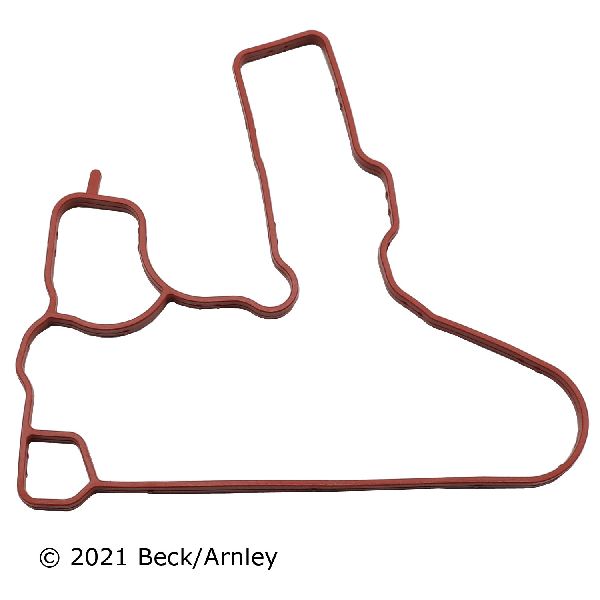
For 2.5L engines, the part is a complete valve cover assembly with an integrated PCV. For 2.0T engines, it is a separate oil separator module.
We Have This Part in Stock

The information in this article is provided for general reference and educational purposes only. Vehicle specifications, procedures, and part compatibility can vary by production date, trim level, and region. Always consult your vehicle's factory service manual and verify part numbers before purchasing or performing repairs. Safety-critical components such as airbags, seat belts, and braking systems should be installed by a qualified professional.
- Volkswagen Jetta:
- 🎬 Helpful Videos
- 🛍️ Shop This Part
- Is It the Valve or the Whole Cover? Know Your Jetta Engine
- Symptoms of a Failing Crankcase Vent Valve
- Don't Ignore the Signs: A Small Problem Can Become a Big One
- Choosing the Right Aftermarket Part
- Related Issues to Check: PCV Heater Recall
- Frequently Asked Questions (FAQ)
- 🎟️ Get 5% Off