

A Toyota Mechanic's Guide to the 2007-2011 4Runner Air/Fuel Ratio Sensor
Don't let a bad sensor hurt your 4Runner's performance; here's what you need to know before you buy a replacement.
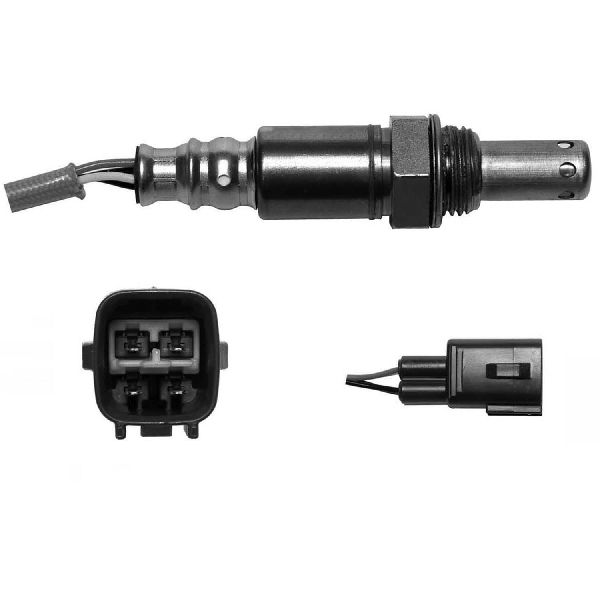
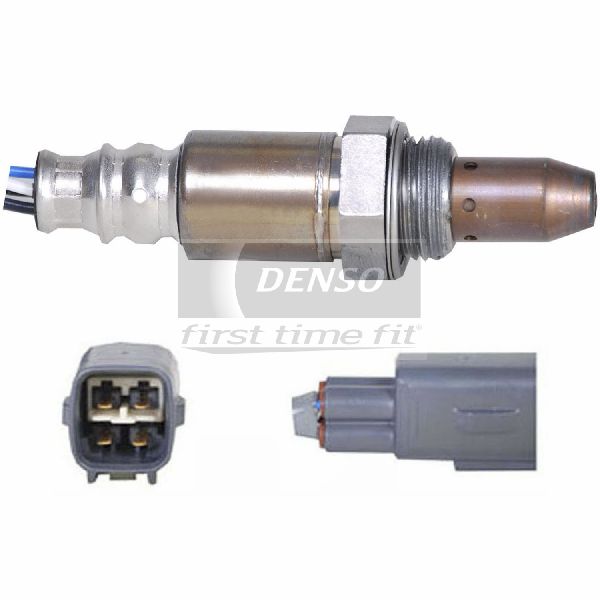
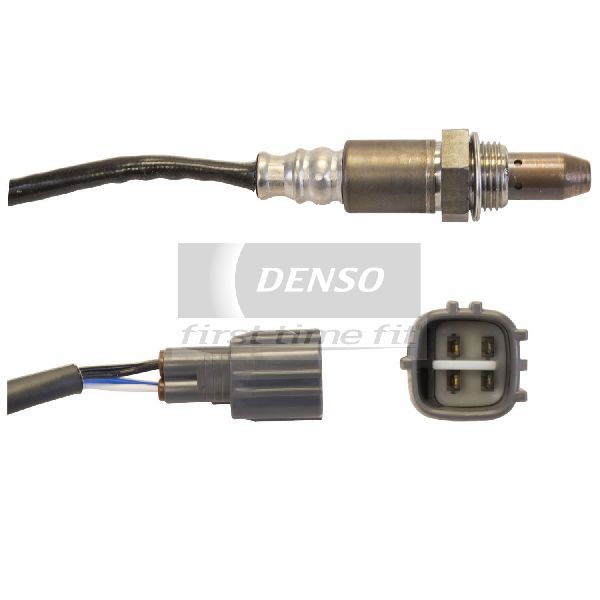
- For this part, brand matters. Use a Denso sensor for guaranteed compatibility, as it is the original factory part.
- Your 4Runner has two upstream Air/Fuel Ratio sensors and two downstream Oxygen sensors; they are not interchangeable.
- A failing sensor will trigger a Check Engine Light and hurt your gas mileage; don't ignore it.
- Replacement is a manageable DIY job, but seized sensors are common. Use plenty of penetrating oil before you start.
Understanding A/F Sensors vs. Oxygen Sensors
Your 4Runner has four sensors in the exhaust: two upstream and two downstream. It's critical to know the difference. The upstream sensors, located before the catalytic converters, are Air/Fuel Ratio Sensors. These are sophisticated, wide-band sensors that the engine computer uses for real-time fuel adjustments. The downstream sensors, located after the catalytic converters, are standard Oxygen (O2) Sensors. Their only job is to monitor the health of the catalytic converter. This guide is for the upstream Air/Fuel Ratio sensors only.
Symptoms of a Failing A/F Sensor
When an A/F sensor starts to fail, it sends incorrect information to your engine's computer. This can cause the computer to deliver too much or too little fuel. You will almost certainly get a Check Engine Light, and often the VSC and TRAC lights will come on as well. Other common symptoms include:
- Noticeably worse gas mileage
- A rough or uneven idle
- Sluggish acceleration or a drop in engine power
- A strong smell of gasoline or a rich-running condition
- Failing an emissions test
Common trouble codes include P2195, P0031, P0051, and P1135, often pointing to a specific sensor (e.g., Bank 1 Sensor 1) or a failure in the sensor's internal heating circuit.
Don't Ignore the Check Engine Light
Driving for an extended time with a bad A/F sensor can lead to more expensive problems. A consistently rich fuel mixture can overwhelm and destroy your catalytic converters, a much costlier repair.
Choosing the Right Aftermarket A/F Sensor
For many parts, aftermarket brands are a great way to save money. For this specific part on your Toyota 4Runner, brand choice is extremely important. The vehicle's computer is sensitive and calibrated to work with a specific type of sensor.
Tier 1: Denso
Denso is the Original Equipment Manufacturer (OEM) for Toyota's A/F sensors. This means the Denso sensor you buy from an auto parts store is the exact same part that came in your 4Runner from the factory, just in a different box. For trouble-free performance and guaranteed compatibility, Denso is the number one choice. Real-world owner experiences overwhelmingly confirm that using Denso parts prevents the common issues, like recurring check engine lights, that can happen with other brands.
Tier 2: NGK / NTK
NGK (which sells sensors under the NTK brand name) is another top-tier Japanese manufacturer that supplies OEM parts to many carmakers. They are a reputable brand with high-quality products. While Denso is the original supplier for your 4Runner, an NTK sensor is a reliable and acceptable alternative if a Denso part is not available.
Pro Tip: Avoid generic, no-name brands or suspiciously cheap sensors found on sites like eBay or Amazon. Many 4Runner owners report that these parts often fail quickly or are not compatible with the Toyota engine computer, causing the check engine light to return. It's worth paying for a quality part to do the job only once.
Cost of Replacing an A/F Sensor on a 2007-2011 4Runner
| Item | Estimated Cost |
|---|---|
| New OEM (Toyota Branded) | $250 - $375 (per sensor) |
| New Aftermarket (Denso/NGK) | $120 - $180 (per sensor) |
| Shop Labor | $120 - $250 |
| Total Professional Replacement | $240 - $430 (using aftermarket part) |
Frequently Asked Questions
Can I replace this myself?
Yes, this is a DIY-friendly job for someone with basic tools and experience. The main challenge is that the sensors can be seized in the exhaust pipe from years of heat and rust. It is highly recommended to spray the sensor with a quality penetrating oil (like PB Blaster) for a day or two before attempting removal. You will also need a special slotted socket designed for oxygen sensors to do the job correctly.
How many A/F sensors does my 4Runner have?
Your 2007-2011 4Runner (both V6 and V8 models) has two upstream Air/Fuel Ratio sensors and two downstream oxygen sensors. Bank 1 is on the passenger side and Bank 2 is on the driver's side. The upstream sensor is known as 'Sensor 1'.
Should I replace both A/F sensors at the same time?
It's not required. A/F sensors are wear items, but they don't always fail together. To save money, you can use an OBD-II scanner to identify the specific sensor that has failed (e.g., 'Bank 2, Sensor 1') and replace only that one. However, if your vehicle has high mileage (over 100,000 miles) and one has failed, the other may not be far behind.
Are there any recalls for this part?
No. There are no active recalls from Toyota or NHTSA for the air/fuel ratio sensors on the 2007-2011 Toyota 4Runner. Failures are due to normal wear and tear. While there have been recalls for fuel pumps on some 4Runner models, which can cause some similar symptoms, this is a completely different part and issue.
Technical Specifications
OEM Part Numbers: 89467-35110 89467-71020
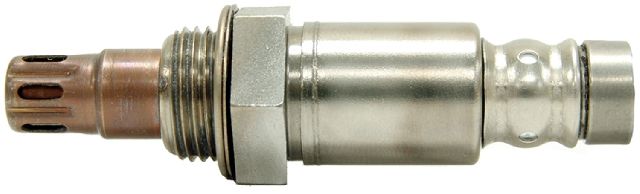
Your 2007-2011 4Runner uses two heated, 4-wire, wide-band Air/Fuel Ratio sensors. Part numbers differ for Bank 1 (passenger side) and Bank 2 (driver side). Always confirm the correct part for the specific location before purchasing.
We Have This Part in Stock

The information in this article is provided for general reference and educational purposes only. Vehicle specifications, procedures, and part compatibility can vary by production date, trim level, and region. Always consult your vehicle's factory service manual and verify part numbers before purchasing or performing repairs. Safety-critical components such as airbags, seat belts, and braking systems should be installed by a qualified professional.
- Toyota 4Runner: