

Air/Fuel Ratio Sensor Guide for the 2008-2012 Toyota Highlander
Keep your Highlander's engine running smoothly and efficiently by understanding when and how to replace a faulty Air/Fuel Ratio sensor.
- A bad Air/Fuel Ratio sensor will cause poor gas mileage, rough idle, and a check engine light with codes like P0171/P0174.
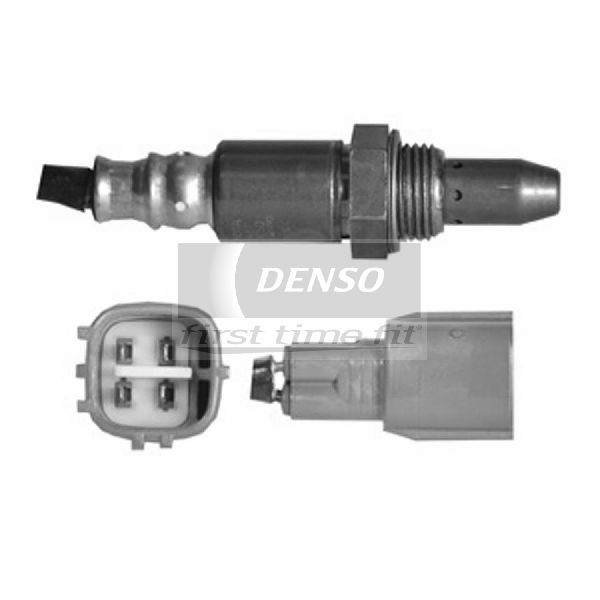
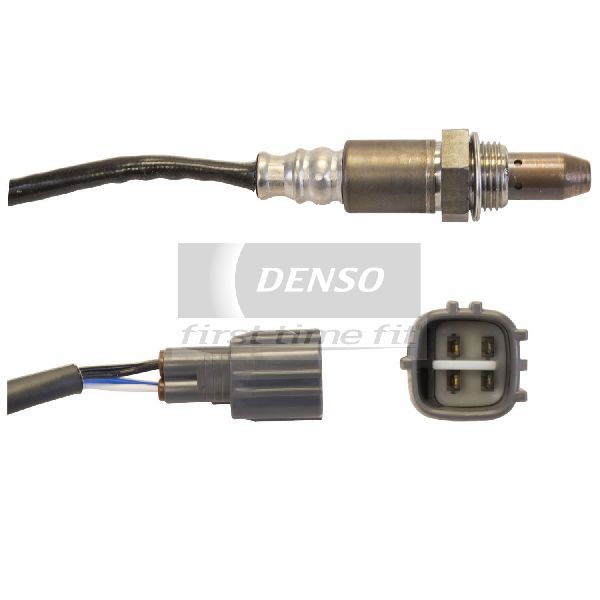
- For best results, use an OEM Toyota or a Denso/NGK aftermarket sensor; Denso is the original manufacturer for Toyota.
- V6 models have two A/F sensors (Bank 1 near firewall, Bank 2 near radiator); 4-cylinder models have one.
- Do not confuse the upstream A/F sensor with the downstream O2 sensor; they have different functions and part numbers.
Is Your Highlander Running Rough? It Could Be the Air/Fuel Sensor.
When an Air/Fuel Ratio (A/F) sensor starts to fail, it sends incorrect or slow information to your Highlander's computer. This can throw off the delicate balance of air and fuel your engine needs, leading to noticeable problems. Because the sensor plays such a direct role in engine tuning, a failure can cause everything from a drop in gas mileage to a rough idle. In many cases, a failing A/F sensor will also trigger the Check Engine Light and the Vehicle Stability Control (VSC) light on your dashboard.
Choosing the Right Aftermarket A/F Sensor
For Toyota vehicles, the choice in aftermarket A/F sensors is straightforward. Toyota's original equipment (OEM) sensors are manufactured by Denso. This means when you buy a Denso-branded A/F sensor, you are often getting the exact same part that came in your Highlander from the factory, just in a different box and at a lower price point. NGK is another top-tier brand that produces high-quality sensors known for their reliability and performance. For a critical component like an A/F sensor, it is highly recommended to stick with either the OEM Toyota part or a top-tier aftermarket brand like Denso or NGK to ensure compatibility and long-term performance. Cheaper, unbranded options can fail prematurely or provide inaccurate readings, leading to the same problems you were trying to fix.
Cost of Replacing a 2008-2012 Toyota Highlander A/F Sensor
| Part Type | Estimated Cost |
|---|---|
| New Aftermarket (Denso, NGK) | $119.95 - $244.97 |
| New OEM (Toyota) | $160 - $287 |
| Shop Labor | $100 - $200 |
Known Issues, Recalls, and TSBs
The 2008-2012 Toyota Highlander has no specific recalls or Technical Service Bulletins (TSBs) directly related to the Air/Fuel Ratio sensors. However, searches show several safety recalls for this generation, including issues with airbags, seat occupant sensors, and incorrect vehicle weight labels. While not directly related to the A/F sensor, it is always a good practice to check if your vehicle has any open recalls by entering your VIN on the NHTSA website.
Pro Tip: A/F Sensor vs. Oxygen Sensor
It's important to know the difference between an Air/Fuel Ratio sensor and a standard Oxygen (O2) sensor. Your Highlander has both. The A/F sensor is the "upstream" sensor, located before the catalytic converter, and is a more precise, wideband sensor. The Oxygen sensor is the "downstream" sensor, located after the catalytic converter, and its main job is to monitor the converter's efficiency. The A/F sensor is the one that does the heavy lifting for fuel mixture adjustments. Always make sure you are ordering the correct sensor for the correct location.
Frequently Asked Questions (FAQ)
How many A/F sensors does my 2008-2012 Highlander have?
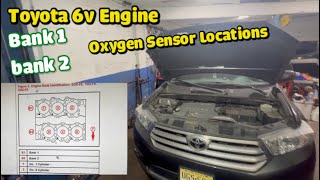
The number of sensors depends on your engine. The V6 engine (2GR-FE) has two Air/Fuel Ratio sensors (upstream), one for each cylinder bank (Bank 1 and Bank 2). 🎬 Watch this guide to identify Bank 1 and Bank 2 locations. The 4-cylinder engine (1AR-FE) has only one Air/Fuel Ratio sensor. Both engines also have downstream oxygen sensors.
What are the common diagnostic codes for a bad A/F sensor?
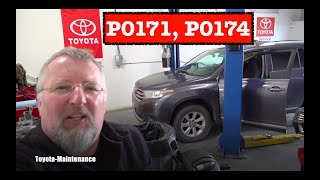
Common codes include P2195 (A/F Sensor Signal Stuck Lean), P2197 (Stuck Lean Bank 2), P0051 (Heater Control Circuit Low), P0171 (System Too Lean Bank 1), and P0174 (System Too Lean Bank 2). 🎬 See how to diagnose P0171 and P0174 lean codes. Often, a heater circuit failure code (like P0051) is the root cause of other lean codes.
Where are the A/F sensors located?
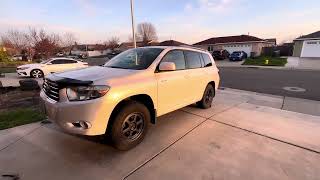
On the V6 engine, Bank 1 is the cylinder bank closer to the firewall (rear), and Bank 2 is closer to the radiator (front). The Bank 2, Sensor 1 (B2S1) A/F sensor is relatively easy to access from the engine bay. 🎬 Watch this walkthrough for replacing the Bank 2 Sensor 1. The Bank 1, Sensor 1 (B1S1) A/F sensor is on the rear exhaust manifold and is more difficult to reach.
What happens if I don't replace a bad A/F sensor?
Driving with a bad A/F sensor will cause poor engine performance, terrible fuel economy, and increased harmful emissions. Over time, running a consistently rich or lean fuel mixture can cause damage to other expensive components, most notably the catalytic converter.
Helpful Videos

Technical Specifications
OEM Part Numbers: 89467-0E080 89467-48180 89467-04020 89467-0E180
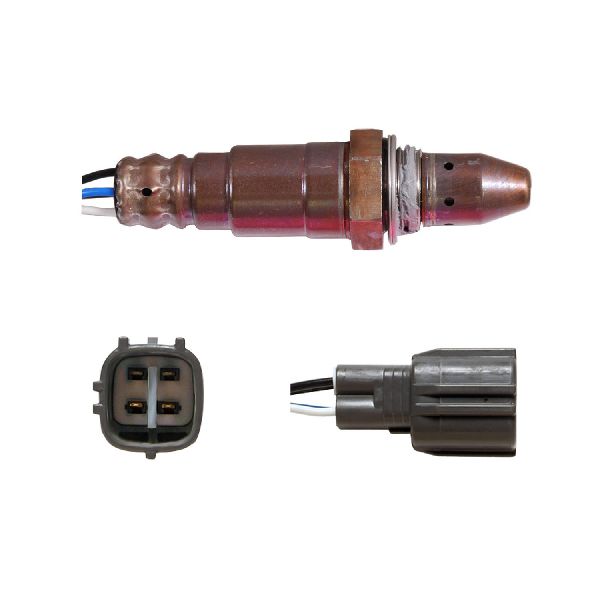
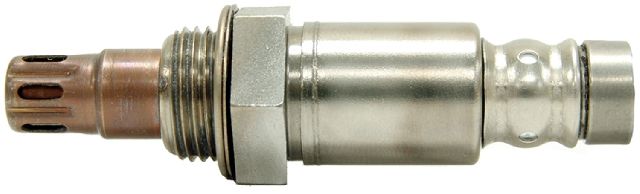
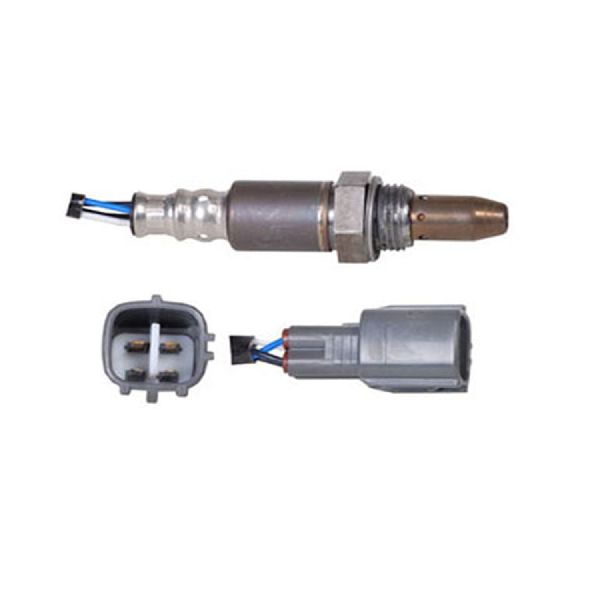
The Air/Fuel Ratio sensor is a wideband, heated sensor located in the exhaust manifold(s) before the catalytic converter. V6 engines use two sensors, while 4-cylinder engines use one. The sensor's primary function is to provide real-time air-to-fuel mixture data to the ECU.
We Have This Part in Stock

The information in this article is provided for general reference and educational purposes only. Vehicle specifications, procedures, and part compatibility can vary by production date, trim level, and region. Always consult your vehicle's factory service manual and verify part numbers before purchasing or performing repairs. Safety-critical components such as airbags, seat belts, and braking systems should be installed by a qualified professional.
- Toyota Highlander:
- 🎬 Helpful Videos
- 🛍️ Shop This Part
- Is Your Highlander Running Rough? It Could Be the Air/Fuel Sensor.
- Choosing the Right Aftermarket A/F Sensor
- Cost of Replacing a 2008-2012 Toyota Highlander A/F Sensor
- Known Issues, Recalls, and TSBs
- Pro Tip: A/F Sensor vs. Oxygen Sensor
- Frequently Asked Questions (FAQ)
- 🎟️ Get 5% Off