

C0035 on 2005-2010 Buick Allure: Left Front Wheel Speed Sensor Fault Causes and Fixes
On a 2005-2010 Buick Allure, code C0035 indicates a problem with the left front wheel speed sensor circuit. This is most often caused by a broken wire inside the harness leading to the sensor, typically within inches of the connector. The second most common cause is a failed sensor, which is integrated into the wheel hub assembly. Always inspect the wiring first, then consider replacing the entire left front wheel hub.
- C0035 on your Buick Allure means the left front wheel speed sensor circuit has a fault, disabling your ABS and stability control.
- Before buying any parts, meticulously inspect the wiring harness going to the sensor for breaks or damage, as this is a very common and cheap fix.
- If the wiring is good, the most likely fix is replacing the entire left front wheel hub assembly, as the sensor is built into it.
- If possible, use a scan tool to check for specific sub-codes (symptom bytes); this may point to simple debris on the sensor ring that can be cleaned off.
What's Unique About the 2005-2010 Buick Allure
On the Buick Allure and its GM W-body platform mates (like the Chevy Impala and Pontiac Grand Prix), the C0035 code is exceptionally common and points to two well-documented failure points. First, the wiring harness that runs to the wheel speed sensor is known to fatigue and break internally from the constant flexing caused by steering and suspension movement, often with no visible damage to the insulation. Second, the wheel speed sensor itself is not a separate part but is integrated into the wheel bearing and hub assembly, meaning a sensor failure requires replacing the entire hub.
Symptoms You May Notice
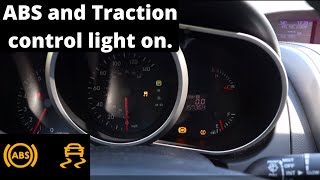
- ABS warning light is on
- Traction Control System (TCS) or StabiliTrak warning light is on
- "Service Traction Control" or "Service StabiliTrak" message on the driver information center
- ABS and traction control systems are disabled
- Cruise control may be inoperative
- In some cases, a grinding or pulsing sensation from the brakes at low speeds before the system disables itself
- A "Service Steering" message may appear on some models as the power steering module can use this data.
- Replacing the wheel hub assembly when the actual problem is a simple broken wire in the harness. Always inspect the wiring thoroughly by pulling on it before purchasing a new hub.
Most Likely Causes
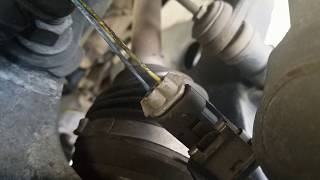
- Damaged Wheel Speed Sensor Wiring Harness or Connector 🔴 High Probability → Shop ABS Wheel Speed Sensor The harness is routed along the control arm and flexes every time the wheels are turned or the suspension moves. This leads to internal wire fatigue and breakage, often within 6-8 inches of the connector, even when the outer insulation appears intact. 🎬 Watch: This quick tip shows how to find broken internal wires. Corrosion can also develop in the connector pins.
How to confirm: Visually inspect the harness. A key diagnostic technique is to gently pull on each wire individually near the connector; a broken internal wire will cause the insulation to stretch like a rubber band. Use a multimeter to check for continuity through the harness from the EBCM connector to the sensor connector.
Typical fix: Repair the broken wire(s) using solder and heat shrink tubing, or replace the pigtail connector if it is corroded or damaged. A replacement pigtail is the preferred, more durable repair.
Est. part cost: $20-$50 for a pigtail connector - Failed Left Front Wheel Hub Bearing Assembly 🔴 High Probability → Shop Hub Assembly The wheel speed sensor is integrated into the hub assembly. Internal failure of the sensor electronics or damage to the magnetic encoder ring from a failing bearing will trigger the code. Manufacturer Bulletin #16-NA-248 notes that sensors can become internally shorted due to moisture, leading to disabled Stabilitrak and Traction control messages. The entire unit must be replaced. 🎬 See this step-by-step wheel speed sensor repair on a Buick.
How to confirm: After confirming the wiring is intact, use a scan tool to monitor the left front wheel speed sensor data while driving. If the signal is erratic, drops out, or reads 0 MPH while other wheels read correctly, the hub assembly is likely faulty. You can also check for play in the wheel bearing by trying to wiggle the tire at the 12 and 6 o'clock positions. A multimeter can be used to check for AC voltage from the sensor while spinning the wheel; a reading of around 450mV or higher is expected.
Typical fix: Replace the entire left front wheel hub and bearing assembly.
Est. part cost: $80-$250 - Debris on Magnetic Encoder Ring ⚪ Low Probability The magnetic encoder ring on the inboard side of the hub can attract ferrous metallic debris (rust or metal shavings). This debris disrupts the magnetic field read by the sensor, causing an erratic signal.
How to confirm: This is often indicated by specific symptom bytes (18, 5A, 0F) on a professional scan tool, per GM service information bulletin PIC5428G and its successors. Visually inspect the magnetic ring on the back of the hub for any attached debris. This requires removing the hub or having a clear view of its backside.
Typical fix: Carefully clean the debris off the magnetic encoder ring with a non-magnetic tool like a brush or compressed air. This can often resolve the code without replacing any parts.
Est. part cost: $0
Rare But Worth Checking
- Faulty Electronic Brake Control Module (EBCM): → Shop ABS Control Module This is very rare. Before condemning the EBCM, all other possibilities, especially wiring and the hub assembly, must be exhaustively ruled out. A vehicle in one documented case had two wheel bearings and a wiring repair before the EBCM was (incorrectly) replaced, with the final fault still being the wiring.
Diagnosis Steps
- Connect a scan tool capable of reading ABS/chassis codes to confirm C0035 is the active code. Note any symptom bytes like 0F or 18.
- Use the scan tool's live data function to monitor the speeds of all four wheels while driving slowly. Confirm that the Left Front wheel speed sensor reads 0 or has an erratic signal compared to the others.
- Raise and secure the front of the vehicle. Remove the left front wheel.
- Thoroughly inspect the wiring harness for the wheel speed sensor. Look for chafing or obvious breaks. Gently but firmly pull on the individual wires within 6-8 inches of the connector to check for internal breaks where the insulation might stretch.
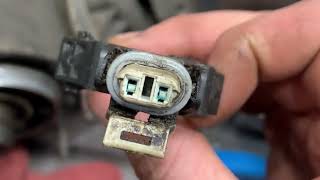
- Disconnect the sensor. Inspect the connector pins on both the harness side and the hub side for corrosion or damage.
- With the connector unplugged, use a multimeter set to Ohms to check for continuity on each of the two wires from the sensor connector back to the EBCM connector to rule out an open circuit.
- If wiring and connector look good, inspect the magnetic encoder ring on the back of the hub for any metallic debris. Clean if necessary, using a non-magnetic tool. 🎬 Watch: A helpful breakdown of common causes and fixes for C0035.
- If the wiring is confirmed to be good and the encoder ring is clean, the wheel hub assembly itself is the most likely culprit and should be replaced.
- After any repair, clear the codes and perform a test drive, including some slow turns, to ensure the warning lights do not return.
Parts You'll Likely Need
- ABS Wheel Speed Sensor Connector (Pigtail)
(OEM #ACDelco PT2298 (GM #88862217))— If the wiring is broken or the connector is corroded at the hub, replacing this pigtail is the proper repair. This is a very common failure point.
Trusted brands: ACDelco, Dorman (e.g., 970-040)
OEM price range: $30-$50
Aftermarket price range: $20-$40 - Front Wheel Hub and Bearing Assembly
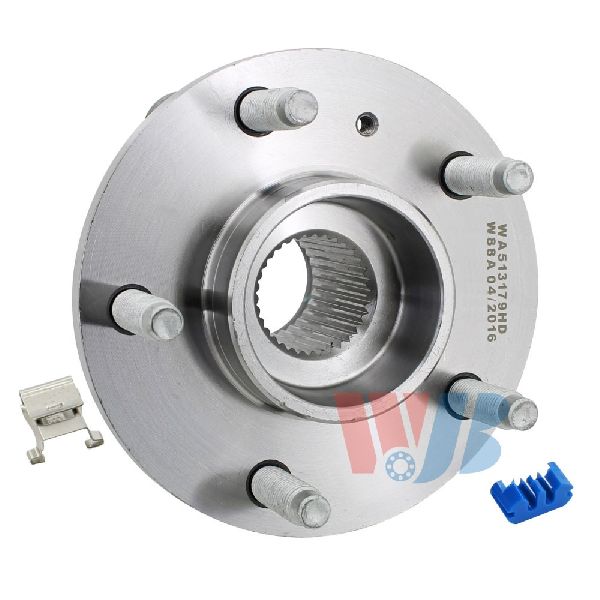
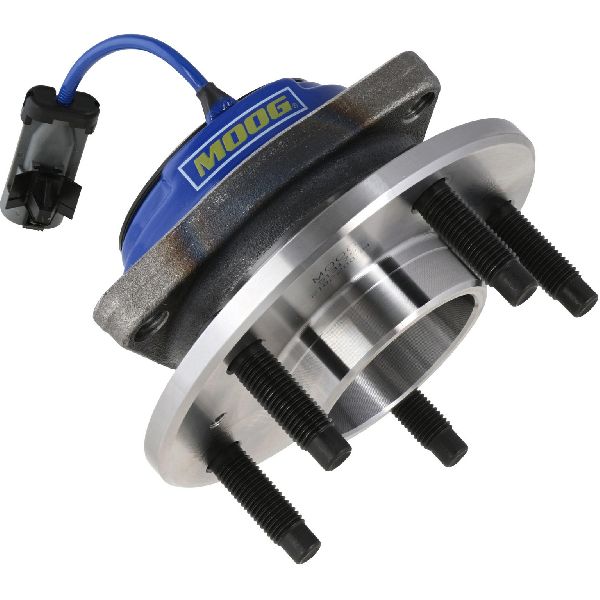
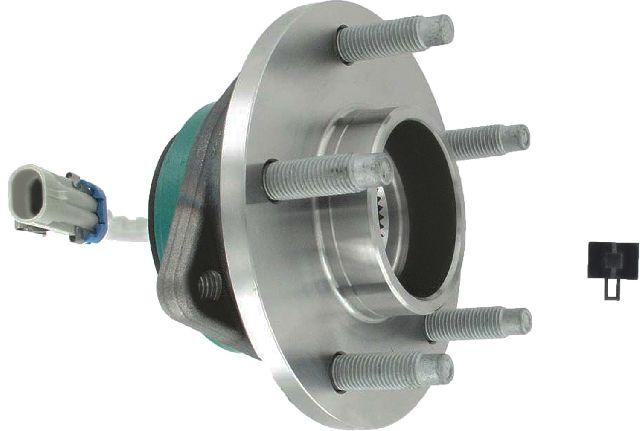
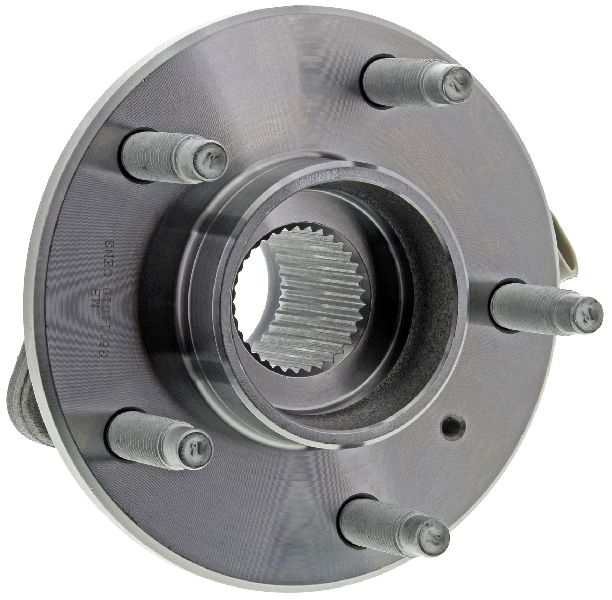
(OEM #e.g., ACDelco FW410, FW301 (Varies by specific year/submodel))— The wheel speed sensor is integrated into this assembly. When the sensor fails internally, the entire hub must be replaced. This is the most common parts-based fix after wiring issues are ruled out.
Trusted brands: ACDelco, Timken, MOOG, SKF
OEM price range: $200-$300
Aftermarket price range: $80-$200
Related Codes That Often Appear With This One
- C0040 — This is the code for the Right Front Wheel Speed Sensor. It may appear alongside C0035 if there is a systemic issue like a bad EBCM or if both front wheel hubs/wiring are failing around the same time due to age and similar wear.
- U0415 — On vehicles with electric power steering, the loss of a wheel speed sensor signal can cause the Power Steering Control Module to set this code, resulting in a 'Service Steering' message and increased steering effort at low speeds. This is a normal default action.
Technical Service Bulletins (TSBs) & Recalls
- GM PI PIC5428G (Supersedes PIC5428F, E, etc.) - Notes that DTCs C0035-C0050 with symptom bytes 18, 5A, or 0F can often be fixed by cleaning metallic debris from the magnetic encoder ring on the hub. Warns against using magnetic tools for cleaning.
- GM TSB 17-NA-235 - While not for C0035 directly, it addresses clicking noises from the front axle area and instructs technicians to apply a specific lubricant (Molykote M77) to the hub bearing surface, which may be relevant during a hub replacement.
- Bulletin #16-NA-248 - Provides a procedure to correct conditions where Stabilitrak, Traction, and AWD are disabled due to wheel speed sensors becoming internally shorted from moisture.
Platform-Specific Known Issues
- Common Wire Breakage Point: On the GM W-Body platform, the wires for the front wheel speed sensors frequently break inside the insulation, about 2-8 inches from the connector that plugs into the hub. The constant flexing from steering and suspension travel causes the copper strands to fatigue and fail over time. A physical pull test on the wire is often the only way to confirm this break, as there may be no external visual signs of damage.
Mechanic-Grade Diagnostic Values
- Wheel Speed Sensor Internal Resistance — expected: 850 to 1350 Ohms across the two pins of the sensor connector.. Failure: An open circuit (infinite resistance) or a short (near zero resistance) indicates a failed sensor.
- Wheel Speed Sensor AC Voltage Output — expected: At least 200 mV (0.2 VAC) when spinning the wheel by hand at approximately one revolution every two seconds.. Failure: A reading significantly below 200 mV, or no voltage at all, points to a weak or dead sensor.
- Sensor Supply Voltage (at harness connector) — expected: 4.5 - 5.5 Volts DC with the key on, engine off.. Failure: Voltage below 4.0V indicates a problem with the wiring from the EBCM or the EBCM itself.
Hidden / Shadow Codes Worth Checking
- C0035 0F: Indicates an 'Erratic Signal' was detected by the EBCM. This often points to a failing wheel bearing causing wobble, or debris on the magnetic encoder ring. (see via Professional scan tool (like a GM Tech2 or GDS2) capable of reading ABS module symptom codes.)
- C0035 18: Indicates 'Low Signal Amplitude' or an open/shorted circuit. This points directly to a broken wire, corroded connector, or an internally failed sensor. (see via Professional scan tool (like a GM Tech2 or GDS2) capable of reading ABS module symptom codes.)
- C0035 5A: Indicates the signal is 'Not Plausible'. The EBCM receives a signal, but it doesn't make sense compared to the other wheels. This strongly suggests a damaged magnetic encoder ring or a loose bearing. (see via Professional scan tool (like a GM Tech2 or GDS2) capable of reading ABS module symptom codes.)
Scan Tool Commands That Help
- GM Tech2 / GDS2 or equivalent: Live Data - Wheel Speed Sensors — This is the primary diagnostic function. Use it during a test drive to monitor the signal from all four wheels simultaneously. A faulty left front sensor will read 0 MPH or show an erratic/inconsistent speed compared to the other three wheels, confirming the location of the fault.
Wiring & Ground Locations
- EBCM Ground (G104) — Likely located on a stud on top of the transaxle housing in the engine bay.. The Electronic Brake Control Module (EBCM) relies on this ground for a stable power supply and reference. A loose or corroded G104 can cause erratic EBCM behavior and trigger various ABS codes, including C0035, even if the sensor and wiring are good.
- EBCM Connector — The main multi-pin connector at the Electronic Brake Control Module, typically mounted to the ABS hydraulic unit in the engine bay.. This is the termination point for the wheel speed sensor harness. Testing for continuity, shorts, or voltage from this connector to the wheel hub connector can definitively rule out wiring issues.
- Main Chassis Ground (G103) — Often located on the left frame rail in the engine compartment, sometimes near the EBCM or under the battery tray area.. While G104 may be the direct EBCM ground, a poor main chassis ground can create floating voltages and unpredictable electrical problems throughout the ABS system.
Real Owner Repair Stories
- YouTube channel 'XLR8 AUTO' (2005 Buick LaCrosse (mechanically identical W-Body platform)) — ABS and Traction Control lights were on with a hard code for the front wheel speed sensor.
❌ Tried (didn't work) The owner diagnosed the issue and went directly to the final fix without replacing other parts first.
✅ What actually fixed it The wiring harness to the wheel speed sensor was visibly in poor condition. The owner cut out the old connector and spliced in a new wiring pigtail. This immediately cleared the hard code and turned off the warning lights.
Diagnostic Flowchart
Used vs. New Parts: Buying Guide for This Vehicle
When a used part is the smart pick: A used wiring harness pigtail from a junkyard is a viable and cost-effective repair, as long as it is in good physical condition. Buying a used wheel hub assembly is NOT recommended.
Donor-vehicle mileage cap: roughly under 150000 miles for the part to have meaningful remaining life.
What to inspect on the donor part:
- For a pigtail, inspect the connector pins for any signs of green or white corrosion.
- Gently bend the wires; the insulation should be flexible, not brittle, hard, or cracked.
- Ensure there are no signs of previous, poorly-done splice repairs on the donor harness.
Aftermarket brands forum-validated for this vehicle:
- ACDelco (OEM supplier)
- Timken
- SKF
Brands owners have reported issues with on this vehicle:
- Unbranded 'white box' parts from online marketplaces are frequently reported to have high failure rates.
- While MOOG is a known brand, for wheel bearings on this platform, forum consensus generally prefers Timken or SKF for longevity.
Real Owner Stories
Aggregated from forums and TSBs cited above. Mileages and costs reflect what owners reported in those sources.
2007 Buick Allure
Symptoms: ABS and traction control lights came on, and the brake pedal was pulsing. A scan tool showed a 'wheel speed sensor malfunction' and live data confirmed no signal from the left front wheel.
What fixed it: Replaced the faulty ABS wheel speed sensor wiring harness pigtail on the left front. The mechanic noted both wires were broken internally from the stress of turning.
Source hint: youtube_comment from 'Tech28'
Pontiac Aztek
Symptoms: Vehicle had a C0035 code (wheel speed sensor circuit malfunction).
What fixed it: The issue was resolved with an 'abs repair kit (new wire and connector),' confirming the wiring harness was the failure point.
Source hint: Reddit r/pontiacaztek - Thread 'Fixing a C0035 code (wheel speed sensor circuit malfunction)'
Related OBD-II Codes
Frequently Asked Questions
My scan tool shows C0035 with symptom byte 18 on my Allure. Does this mean I need a new hub?
I checked the wheel speed sensor wiring on my Buick Allure and it looks fine, but the C0035 code persists. What should I check next?
My ABS and 'Service Traction Control' lights are on. Could this also be why my cruise control stopped working?
I have a 2008 Chevy Impala with this same code. Is the information for the Buick Allure relevant to my car?
What is the very first diagnostic step I should take after reading code C0035 with a scan tool?
I'm about to replace the front hub assembly on my Allure. Is there anything special I should be aware of?
Helpful Videos
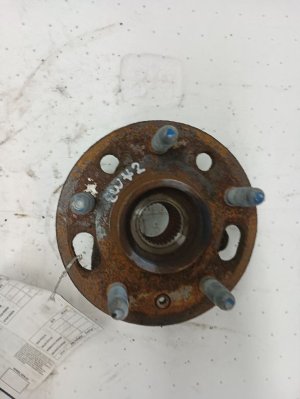
Used OEM Parts in Stock
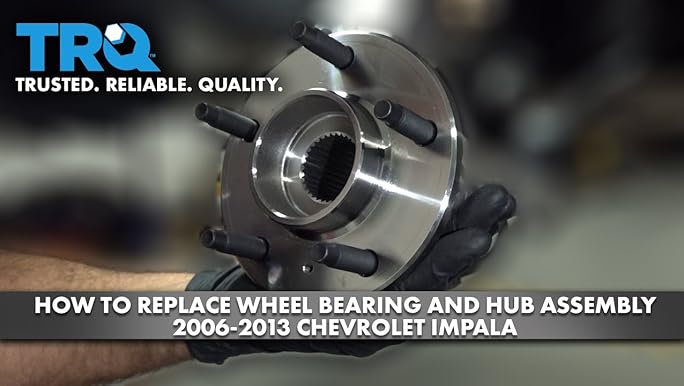
New Aftermarket Parts Available
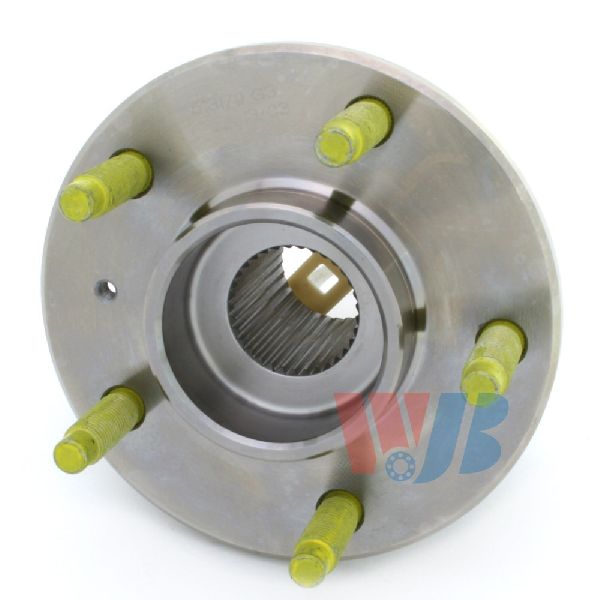


The information in this article is provided for general reference and educational purposes only. Vehicle specifications, procedures, and part compatibility can vary by production date, trim level, and region. Always consult your vehicle's factory service manual and verify part numbers before purchasing or performing repairs. Safety-critical components such as airbags, seat belts, and braking systems should be installed by a qualified professional.
- Buick Allure:
- 🧭 Diagnostic Flowchart
- 🎬 Helpful Videos
- 🛍️ Shop This Part
- What's Unique About the 2005-2010 Buick Allure
- Symptoms You May Notice
- Most Likely Causes
- Rare But Worth Checking
- Diagnosis Steps
- Parts You'll Likely Need
- Related Codes That Often Appear With This One
- Technical Service Bulletins (TSBs) & Recalls
- Platform-Specific Known Issues
- Mechanic-Grade Diagnostic Values
- Hidden / Shadow Codes Worth Checking
- Scan Tool Commands That Help
- Wiring & Ground Locations
- Real Owner Repair Stories
- Used vs. New Parts: Buying Guide for This Vehicle
- Real Owner Stories
- 2007 Buick Allure
- Pontiac Aztek
- Related OBD-II Codes
- Frequently Asked Questions
- 🎟️ Get 5% Off