

C0035 on 2011-2023 Dodge Charger: Wheel Speed Sensor Fault Causes and Fixes
Code C0035 means a front wheel speed sensor circuit is failing on your Dodge Charger, disabling the ABS and traction control. The most common fix is replacing the faulty wheel speed sensor and its integrated wiring harness. Use a scan tool to confirm which side (left or right) is at fault before buying parts. Expect to pay $30-$80 for an aftermarket part and around 1 hour of labor.
- C0035 disables your Charger's ABS and stability control systems, making it a serious safety issue.
- You MUST use a scan tool with live data to confirm if the fault is on the LEFT or RIGHT front wheel before buying parts.
- The most likely cause is a failed wheel speed sensor, which is a relatively inexpensive part and a manageable DIY repair.
- Thoroughly inspect the wiring harness for damage, as this is another common cause that can be misdiagnosed as a bad sensor.
- Driving with this fault is not recommended as your vehicle's emergency handling capabilities are significantly compromised.
What's Unique About the 2011-2023 Dodge Charger
While generic definitions for C0035 often point specifically to the 'Left Front Wheel Speed Sensor', on many FCA/Stellantis products, including the Dodge Charger, this code can be set for either the left OR right front wheel. Some scan tools may provide a more specific description, but many will not. It is absolutely critical to use an ABS-capable scan tool to view live data from both front wheel speed sensors to confirm which side is reporting the fault before purchasing any parts. Guessing can lead to replacing the wrong sensor.
Generation note: This covers the second generation (LD) of the Dodge Charger. While the system is fundamentally the same, the 2015 model year received a major facelift. Part numbers for the front wheel speed sensors are different between the 2011-2014 and 2015-2023 model years. Always verify the part number for your specific year before ordering a replacement sensor.
Symptoms You May Notice
- ABS warning light is on
- Traction Control (TC) or Electronic Stability Control (ESC) warning light is on 🎬 Watch: Why your ABS and traction control lights are on
- ABS, TC, and ESC systems are disabled
- Cruise control may be inoperative
- Replacing the wrong side wheel speed sensor. This is the most common mistake due to the code's ambiguity on FCA platforms. Always use a scan tool to check live data first.
- Replacing the ABS module when the actual fault is simple wiring damage.
Most Likely Causes
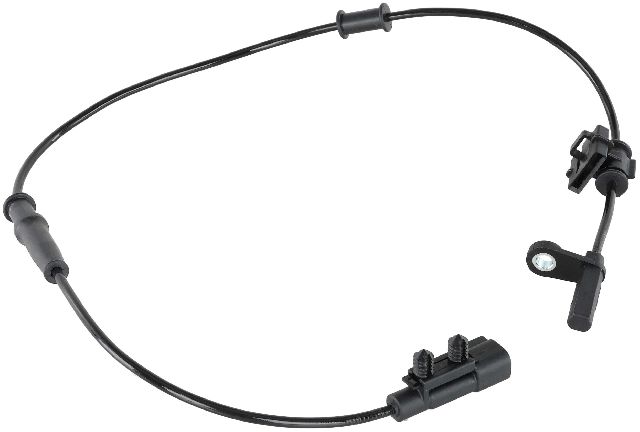
- Faulty Wheel Speed Sensor 🔴 High Probability → Shop ABS Wheel Speed Sensor The sensor is exposed to harsh conditions (water, road salt, debris, heat from the brakes) which can cause it to fail internally over time. The internal coil can break, leading to an open circuit. Corrosion can also build up between the sensor and the knuckle, pushing the sensor away from the tone ring and weakening the signal.
How to confirm: After identifying the faulty wheel with a scan tool, you can test the sensor's internal resistance with a multimeter (if specifications are known). An open circuit (infinite resistance) indicates a failed sensor. A simpler method is to swap the sensor with the one from the opposite side; if the fault code follows the sensor (e.g., changes to C0031 for the other side), the sensor is bad.
Typical fix: Replace the wheel speed sensor. The sensor is sold as a complete unit with an integrated wiring harness that plugs in behind the fender liner. 🎬 See this walkthrough on replacing the front wheel speed sensor
Est. part cost: $30-$80 - Damaged Wiring Harness or Connector 🟡 Medium Probability The wiring runs along the suspension and is subject to constant movement, vibration, and exposure. Wires can chafe against suspension components, break internally (sometimes with no visible damage to the insulation), or the connector pins can corrode from moisture intrusion.
How to confirm: Visually inspect the entire length of the wiring harness from the sensor to its connection point in the wheel well. Pay close attention to where the harness is clipped to the control arms. Check for chafed insulation, breaks, or green corrosion inside the connector. Perform a 'wiggle test' on the harness while watching live data on a scan tool to see if the signal cuts out.
Typical fix: Repair the broken section of wire with solder and heat-shrink tubing or replace the entire sensor and harness assembly. In some cases, only the connector pigtail needs replacement.
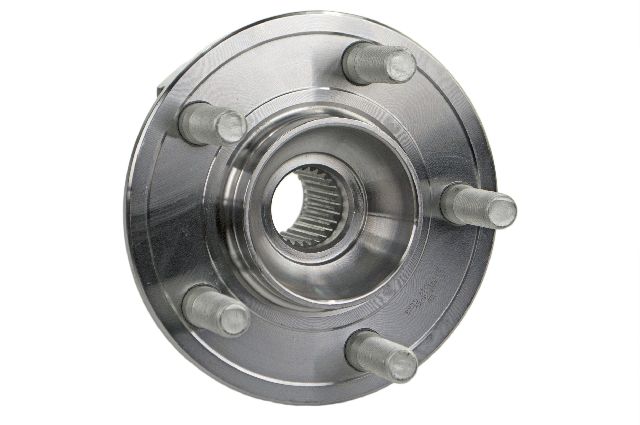
Est. part cost: $0-$80 - Damaged or Debris-Covered Magnetic Encoder Ring ⚪ Low Probability The magnetic encoder is integrated into the seal of the wheel hub bearing. While protected, a failing bearing can shed metallic debris that contaminates the encoder, or severe rust can damage it, disrupting the sensor's reading.
How to confirm: After removing the wheel speed sensor, visually inspect the surface of the wheel hub that the sensor reads. Look for heavy rust, metallic shavings, or physical damage to the hub's encoder ring. A damaged or excessively worn wheel bearing (causing wobble) can also create an incorrect air gap.
Typical fix: The wheel hub bearing assembly must be replaced. The encoder ring is not serviced separately. 🎬 Watch: How to replace the front wheel hub bearing assembly
Est. part cost: $100-$250
Rare But Worth Checking
- Faulty ABS Control Module: → Shop ABS Control Module This is the least likely cause. The module itself can fail, but this should only be considered after definitively ruling out the sensor, wiring, and wheel hub. A module failure will often present with multiple wheel speed sensor codes simultaneously. On the Charger, the module is difficult to access, located behind the driver-side fender liner and obstructed by the windshield washer reservoir.
Diagnosis Steps
- Connect an ABS-capable OBD-II scanner to the vehicle.
- Read the fault codes to confirm C0035 is present and check for any other related codes.
- Access the live data stream for all four wheel speed sensors.
- Safely drive the vehicle or raise the front wheels and spin them by hand, observing the MPH readings from each sensor.
- Identify which front sensor is reading 0 MPH, has an erratic signal, or reads differently from the others. This is the faulty circuit.
- Raise and safely support the vehicle. Remove the wheel on the affected side.
- Visually inspect the wheel speed sensor (bolted to the steering knuckle) and its wiring harness for any signs of physical damage, chafing, or corrosion at the connector.
- If visual inspection is inconclusive, disconnect the sensor and test its resistance with a multimeter (if specs are available). An open circuit (OL) indicates a failed sensor.
- If the sensor tests good, inspect the wheel hub's encoder ring for debris or damage. Check for any play in the wheel bearing.
- If the sensor and hub appear good, the fault is likely in the wiring harness between the sensor and the ABS module, or, rarely, the ABS module itself.
Parts You'll Likely Need
- Front Wheel Speed Sensor
(OEM #2011-2014 RWD: ALS2248T (Standard Motor Products equivalent), 2011-2014 AWD: XP67T1 (Aftermarket). 2015-2023: Mopar 1BP02182AA or 68199987AD.)— This is the most common component to fail, causing the C0035 code. It is a complete unit including the sensor and its integrated wiring harness.
Trusted brands: Mopar, Dorman, NTK, Standard Motor Products
OEM price range: $60-$120
Aftermarket price range: $30-$80 - Front Wheel Hub Bearing Assembly
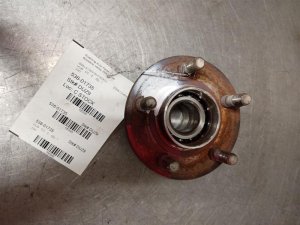
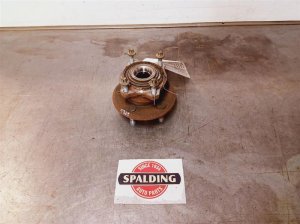
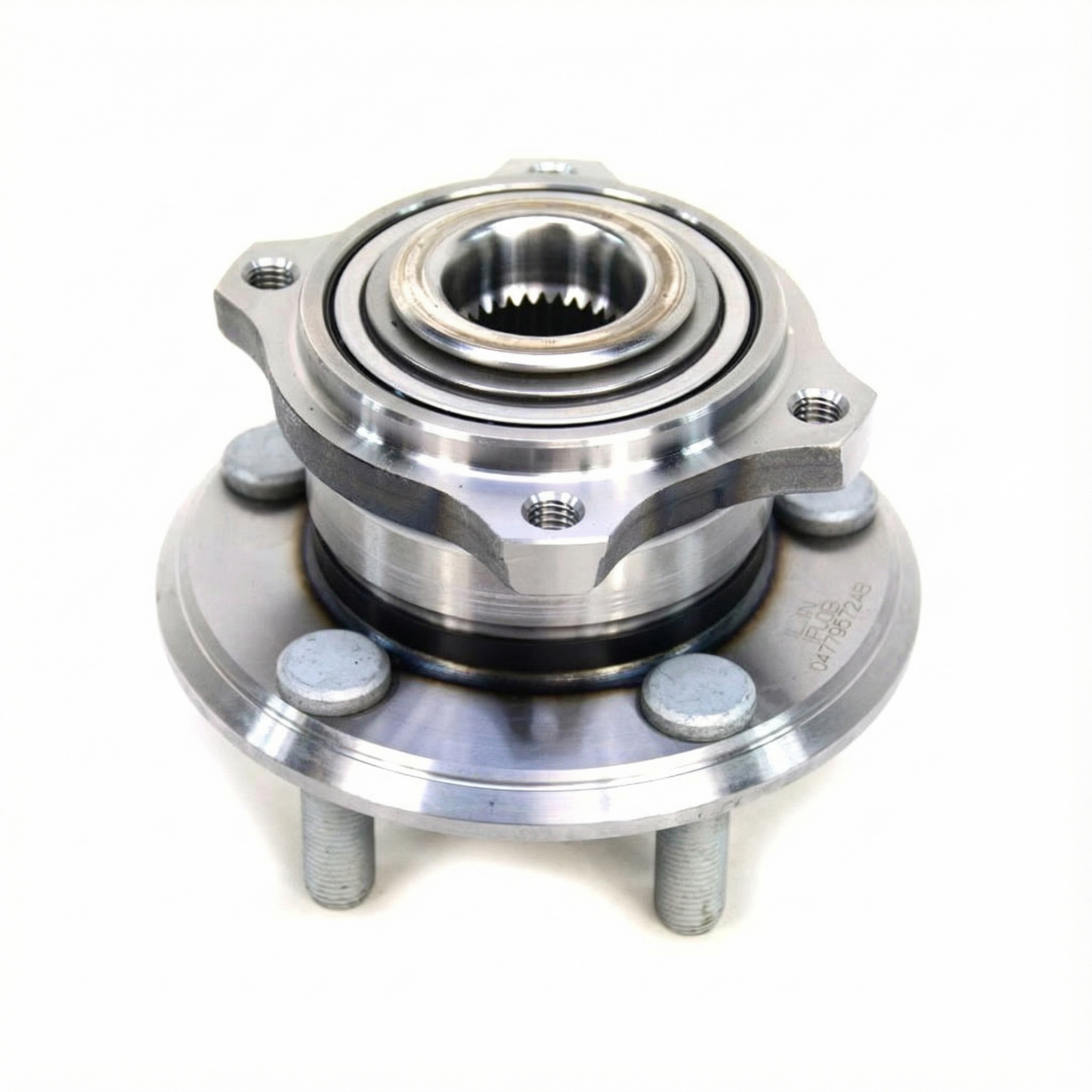
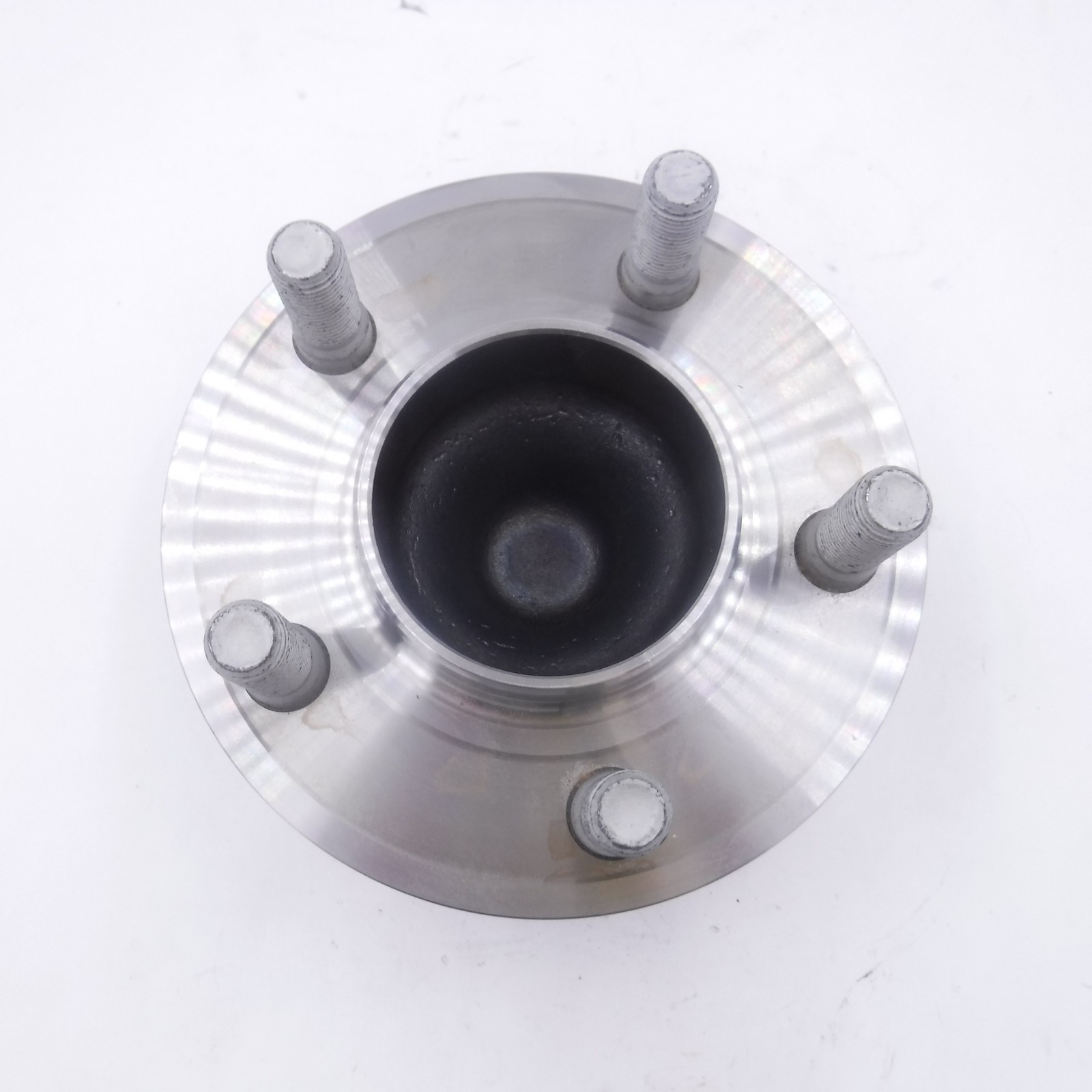
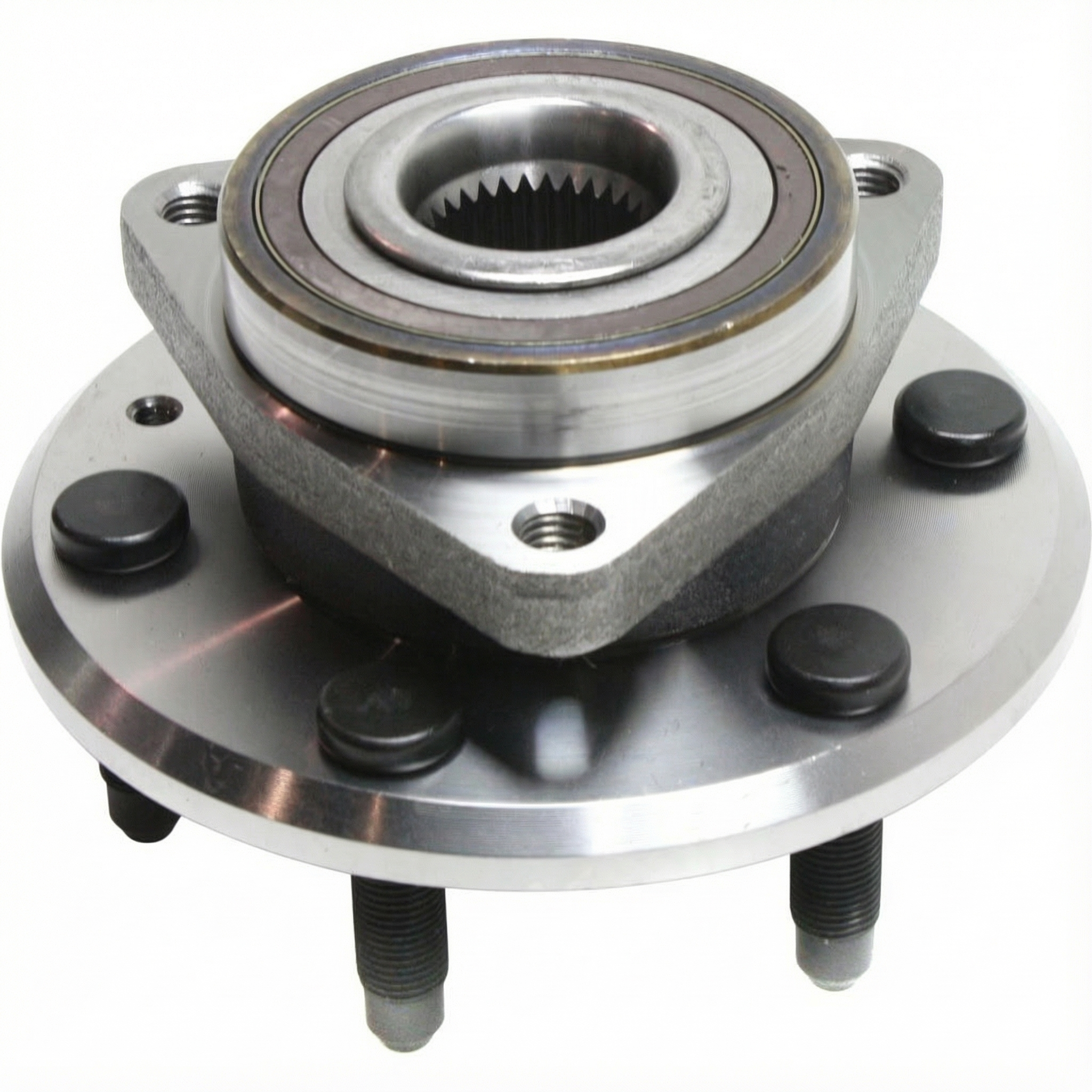
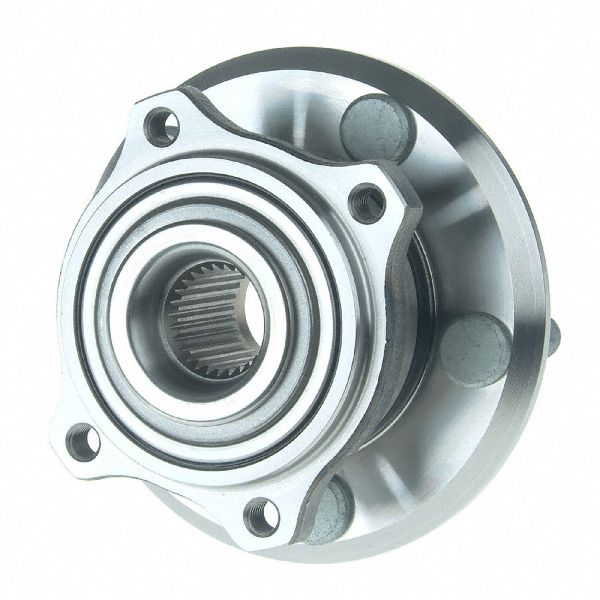
(OEM #2011-2014: Mopar HA590030 (Timken equivalent).)— Replaced if the integrated magnetic encoder ring is damaged or if the bearing itself has failed and contaminated the sensor area.
Trusted brands: Mopar, Timken, MOOG, SKF
OEM price range: $200-$350
Aftermarket price range: $100-$250
Related Codes That Often Appear With This One
- C0031 — C0031 is the corresponding code for the other front wheel speed sensor. Seeing both may indicate a common wiring issue or a problem with the ABS module itself.
- C0034 — C0034 is a similar code for the Right Front Wheel Speed Sensor Circuit. The presence of both C0034 and C0035 would strongly point towards a wiring or module issue rather than a single failed sensor.
Platform-Specific Known Issues
- Forum chatter suggests that the wiring harness is susceptible to chafing where it is routed along the suspension components. A thorough visual inspection is highly recommended before replacing the sensor itself.
Mechanic-Grade Diagnostic Values
- Wheel Speed Sensor Resistance (Passive Sensor) — expected: 800 - 2,000 Ohms (Ω). Failure: An open circuit (infinite resistance / 'OL') or a reading significantly outside the expected range indicates a failed sensor coil.
- Wheel Speed Sensor Supply Voltage (Active Sensor) — expected: 4.5 - 5.5 Volts DC at the sensor connector with key on, engine off.. Failure: Voltage below 4.0V points to a problem with the wiring or the ABS module's internal voltage regulator.
- Wheel Speed Sensor Signal (Passive Sensor, AC Voltage) — expected: Generates an AC voltage that increases with wheel speed, typically 0.1–1.5 Vrms at low speed.. Failure: No voltage or an erratic, inconsistent waveform while spinning the wheel indicates a fault with the sensor or tone ring.
Scan Tool Commands That Help
- wiTECH, Autel, AlfaOBD, X-Tools: ABS Initialization / ABS Service Bleed — This routine is required after replacing the ABS control module to program the module to the vehicle and calibrate its sensors. It may also be used to cycle the ABS pump and valves for brake fluid bleeding.
- AlfaOBD: VIN Reset — When installing a used ABS module, this function may be needed before running the 'ABS Initialization'. The module will then learn the correct VIN from the vehicle's CAN bus after a few key cycles.
- wiTECH: Reprogram ABS Module — Used to flash the ABS module with updated software from the manufacturer, which can resolve certain software-related faults. A stable power supply (13.2-13.5V) is critical during this process.
Wiring & Ground Locations
- ABS Control Module — Located in the driver's side front wheel well, mounted to the ABS hydraulic block. Access is difficult as it is obstructed by the windshield washer fluid reservoir, which must be at least partially removed.. This is the computer that receives and interprets the wheel speed sensor signal. A fault in the module or its connector can cause this code.
- ABS Fuses (Front Power Distribution Center) — In the fuse box under the hood. Check fuses F5, F6 (ABS Pump/Valves), F36, and F39 (ABS/ESC Module Power).. A blown fuse will cut power to the ABS module or pump, causing a loss of function and setting codes.
- ABS Module Ground (Likely G105) — While not definitively mapped for the Charger in search results, a common Chrysler ground point for the ABS module is G105, located on the frame rail in the engine bay or near the front body mounts. Corroded grounds are a known issue on Dodge vehicles and can cause various sensor codes.. A poor ground connection for the ABS module can cause erratic behavior, voltage drops, and communication errors, leading to false sensor codes.
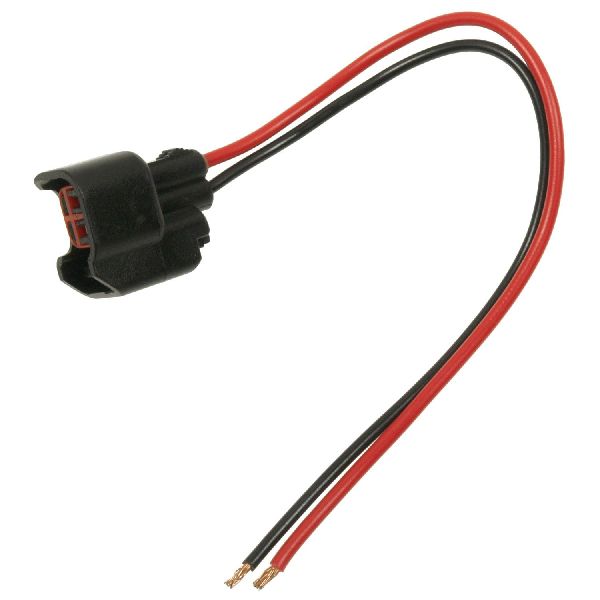
- Wheel Speed Sensor Connector — The harness-side connector is typically clipped to the fender liner behind the wheel. The sensor itself has a 2-pin male connector.. This is a common point for corrosion or damage. The two pins are for the sensor signal and its supply/ground.
OEM Part Supersession History
68199987AA, 68199987AB, 68199987AC→68199987AD— Standard part revision and improvement by the manufacturer.
Heads up: These part numbers are for the 2015+ facelift models and are not compatible with 2011-2014 models.
Model Year Variations Within This Range
- 2011-2023 AWD Models: AWD models have a completely different front suspension setup to accommodate the front axles. They use a one-piece forged lower control arm and taller shock forks, altering the geometry and wiring harness routing points compared to RWD models. This can introduce unique chafe points for the sensor wiring.
- 2015-2023: The front wheel speed sensor part number changed for the 2015 model year refresh. The later part is 68199987AD.
- 2011-2014: The front wheel speed sensor part number is different from the 2015+ models. An aftermarket equivalent is Standard Motor Products ALS2248T for RWD.
Diagnostic Flowchart
Other Known Issues on This Vehicle
Issues unrelated to this code that are worth knowing about as an owner of this generation:
- Cracked 3.6L Pentastar Oil Filter/Cooler Housing 🔴 High — Extremely common on 2011-2015 models. The plastic housing, located in the engine valley, becomes brittle and cracks, causing significant oil and/or coolant leaks. (Ref: No recall, but it is a widely known design flaw. Aftermarket aluminum housings are a popular and permanent fix.)
- 5.7L HEMI MDS Lifter/Camshaft Failure 🔴 High — A known issue, often referred to as 'Hemi tick,' where the roller on a lifter for the Multi-Displacement System (MDS) fails, damaging the camshaft. Can occur at various mileages, often preceded by a ticking noise. (Ref: No specific recall, but numerous technical discussions and class-action lawsuits exist regarding the problem.)
- Uconnect 8.4-inch Screen Delamination & Ghost Touch 🟠 Medium — Very common on 2017 and newer models. The adhesive behind the touchscreen fails, causing bubbling ('delamination') and phantom screen presses ('ghost touch'), making the radio, climate, and phone controls unusable. (Ref: No recall, but FCA has been known to cover repairs out of warranty on a case-by-case basis.)
- Alternator Failure (2011-2014 Models) 🔴 High — Common on 2011-2014 models, particularly those with the 3.6L engine and 160-amp alternator. The alternator can fail suddenly, causing the vehicle to stall without warning. (Ref: Yes, multiple recalls were issued, including NHTSA recall 14V-634 (Chrysler P60) and 17V-435 (Chrysler T36).)
- Transmission Shifting Issues 🟠 Medium — Complaints of hard shifts, hesitation, or gear slippage have been noted, particularly in earlier years of the 8-speed transmission. (Ref: Software updates for the Transmission Control Module (TCM) have been released by Chrysler to address many of these shifting complaints.)
Used vs. New Parts: Buying Guide for This Vehicle
When a used part is the smart pick: A used wheel speed sensor is not recommended as it is an inexpensive wear item. A used ABS module can be a cost-effective option, but ONLY if you have access to advanced scan tools (like AlfaOBD or the dealer wiTECH) and the knowledge to perform the 'VIN Reset' and 'ABS Initialization' procedures.
Donor-vehicle mileage cap: roughly under 80000 miles for the part to have meaningful remaining life.
What to inspect on the donor part:
- For a used ABS module, ensure the part number matches exactly.
- Verify the donor vehicle was not in a flood.
- Inspect the main electrical connector for any signs of corrosion, bent pins, or heat damage.
OEM-only on this vehicle (don't cheap out):
- ABS Control Module: While not strictly 'OEM-only', using a junkyard module is high-risk due to programming needs. A professionally remanufactured and pre-programmed module from a specialist is a much safer alternative to a raw used part.
Aftermarket brands forum-validated for this vehicle:
- NTK
- Dorman
- Standard Motor Products (SMP)
- WVE
Brands owners have reported issues with on this vehicle:
- No-name, unbranded sensors from online marketplaces are frequently cited as having poor quality control and a high failure rate shortly after installation.
Real Owner Stories
Aggregated from forums and TSBs cited above. Mileages and costs reflect what owners reported in those sources.
2014 Dodge Charger 3.6L V6
Symptoms: ABS light came on permanently during snowfall.
What fixed it: Replacement of the front wheel speed sensor with part OE 68199987AC. No coding or adaptation was needed after installation.
Source hint: owner_reports
Related OBD-II Codes
Frequently Asked Questions
What specific part number do I need for a 2014 Dodge Charger 3.6L front wheel speed sensor?
Is there a recall for the alternator on my 2011-2014 Dodge Charger that might be related to electrical codes?
My 2017 Charger's screen is acting possessed and clicking things on its own; is this related to the ABS code?
Could a bad wheel bearing cause the C0035 code on my Charger?
Why did my cruise control stop working at the same time the ABS light came on?
Is the C0035 code common on other vehicles similar to the Charger?
Helpful Videos
Used OEM Parts in Stock
New Aftermarket Parts Available


The information in this article is provided for general reference and educational purposes only. Vehicle specifications, procedures, and part compatibility can vary by production date, trim level, and region. Always consult your vehicle's factory service manual and verify part numbers before purchasing or performing repairs. Safety-critical components such as airbags, seat belts, and braking systems should be installed by a qualified professional.
- Dodge Charger:
- 🧭 Diagnostic Flowchart
- 🎬 Helpful Videos
- 🛍️ Shop This Part
- What's Unique About the 2011-2023 Dodge Charger
- Symptoms You May Notice
- Most Likely Causes
- Rare But Worth Checking
- Diagnosis Steps
- Parts You'll Likely Need
- Related Codes That Often Appear With This One
- Platform-Specific Known Issues
- Mechanic-Grade Diagnostic Values
- Scan Tool Commands That Help
- Wiring & Ground Locations
- OEM Part Supersession History
- Model Year Variations Within This Range
- Other Known Issues on This Vehicle
- Used vs. New Parts: Buying Guide for This Vehicle
- Real Owner Stories
- 2014 Dodge Charger 3.6L V6
- Related OBD-II Codes
- Frequently Asked Questions
- 🎟️ Get 5% Off