

C0035 on 2008-2013 Subaru Forester: Front Wheel Speed Sensor Fault Causes and Fixes
Code C0035 on a 2008-2013 Forester means a fault in a front wheel speed sensor circuit. This will disable your ABS and VDC systems. The most likely fix is replacing a failed sensor or its damaged wiring, but you MUST use a scan tool to confirm if the fault is on the left or right side before buying parts.
- C0035 means a front wheel speed sensor circuit is faulty, which disables your ABS and VDC safety systems.
- You MUST use an ABS-capable scan tool to determine if the problem is on the left or right side before buying parts, as the code's definition is ambiguous for Subaru.
- The most common fix is replacing the failed wheel speed sensor or repairing its damaged wiring harness in the wheel well.
- Driving is possible but risky; your vehicle's ability to prevent wheel lock-up and skids is compromised.
- Check for a damaged wiring harness by performing a continuity test, as breaks can occur internally without visible damage.
What's Unique About the 2008-2013 Subaru Forester
On many Subaru models, including this generation of Forester, a single fault in the ABS system will trigger a 'Christmas tree' effect on the dashboard, illuminating the ABS, VDC (Vehicle Dynamics Control), and sometimes other warning lights simultaneously. This is normal behavior designed to alert the driver that multiple safety systems are offline because they all depend on accurate wheel speed data. The wiring for the front sensors is also susceptible to damage from road debris and constant suspension movement, with breaks often occurring inside the insulation near the sensor pigtail.
Symptoms You May Notice
- ABS warning light is on
- VDC (Vehicle Dynamics Control) or Traction Control warning light is on
- Cruise control is disabled
- A 'Christmas tree' effect of multiple warning lights on the dashboard
- Replacing the wrong side wheel speed sensor due to not using a proper scan tool to confirm the fault location.
- Mistaking the issue for a faulty brake light switch, which can cause similar ABS/VDC warning lights on Subarus but will set different codes.
- Replacing the sensor when the actual fault is a broken wire hidden inside the wiring harness insulation.
Most Likely Causes
- Failed Front Wheel Speed Sensor 🔴 High Probability → Shop ABS Wheel Speed Sensor Sensors are exposed to harsh conditions (water, salt, heat) and can fail internally over time. Corrosion can also cause the sensor to seize within the steering knuckle, complicating removal.
How to confirm: Use an ABS-capable scan tool to identify the specific failing sensor. Test the sensor's resistance with a multimeter; an open circuit or a reading outside of the manufacturer's specification indicates failure. A new aftermarket sensor is not guaranteed to be good.
Typical fix: Replace the faulty wheel speed sensor. The sensor is often sold as an assembly with its wiring pigtail. 🎬 Watch: How to replace a wheel speed sensor
Est. part cost: $60-$180 - Damaged or Corroded Wiring Harness 🟡 Medium Probability The harness runs down the suspension strut and is subject to constant flexing and exposure to water, salt, and road debris. Wires can break internally inside the insulation, showing no visible damage.
How to confirm: Visually inspect the entire length of the wiring from the sensor to its connection point in the engine bay. Check for chafing, breaks, or green corrosion at the connector. Perform a continuity test on the wires with a multimeter while flexing the harness to check for intermittent breaks.
Typical fix: Repair the broken wire(s) with solder and heat shrink or replace the sensor harness pigtail.
Est. part cost: $25-$75 - Damaged or Contaminated Tone Ring ⚪ Low Probability The tone ring is integrated into the wheel hub/bearing assembly. A failing wheel bearing can cause excessive play, damaging the ring or causing an erratic signal. Heavy rust and metallic debris can also accumulate on the ring, interfering with the sensor's reading.
How to confirm: After removing the sensor, visually inspect the tone ring through the sensor mounting hole. Look for broken teeth, heavy rust, or metallic debris. Check for any play in the wheel bearing by shaking the tire at the 12 and 6 o'clock positions.
Typical fix: If the tone ring is damaged, the entire wheel hub and bearing assembly must be replaced.
Est. part cost: $150-$300
Rare But Worth Checking
- Faulty ABS Control Module: → Shop ABS Control Module While rare, the ABS module itself can fail, sometimes due to an internal voltage regulator issue. This is usually suspected only after the sensor, wiring, and tone ring have all been confirmed to be in good condition. This may be accompanied by other codes like U0121 (Lost Communication with ABS Module).
Diagnosis Steps
- Connect an ABS-capable scan tool to the OBD-II port.
- Read the fault codes from the ABS module. Confirm C0035 is present and check the code description to identify the specific wheel (e.g., 'Front Left' or 'Front Right'). Do not trust a generic definition.
- Use the scan tool's live data function to monitor the speed of all four wheels while driving. The faulty sensor will likely show an erratic or zero mph reading compared to the others.
- Raise and safely support the vehicle. Remove the identified wheel.
- Visually inspect the wheel speed sensor and its wiring harness for any obvious signs of damage, such as cracks, chafing, or corrosion. Pay close attention to the area where the harness clips to the strut.
- Disconnect the sensor and inspect the connector pins for corrosion or damage. With the ignition on, carefully check for a 5V reference voltage at the harness-side connector.
- If no visual damage is found, use a digital multimeter to test the resistance of the sensor and compare it to the manufacturer's specifications (if available). Also, test the wiring harness for continuity and check for shorts to power or ground.
- Inspect the tone ring on the wheel hub for damage, debris, or excessive rust.
- If the sensor, wiring, and tone ring are good, the issue may lie with the ABS control module, which requires more advanced diagnostics.
Parts You'll Likely Need
- Front Wheel Speed Sensor (Right)
(OEM #27540SC001 (replaces 27540SC000))— This is the most common component to fail. The right and left sensors are often different parts.
Trusted brands: Subaru (OEM), NTK, Bosch, Standard Motor Products (SMP)
OEM price range: $130-$200
Aftermarket price range: $60-$120 - Front Wheel Speed Sensor (Left)
(OEM #27540SC011 (replaces 27540SC010))— This is the corresponding part for the other side. It's crucial to confirm which side is faulty before ordering.
Trusted brands: Subaru (OEM), NTK, Bosch, Standard Motor Products (SMP)
OEM price range: $130-$200
Aftermarket price range: $60-$120 - Front Wheel Hub and Bearing Assembly
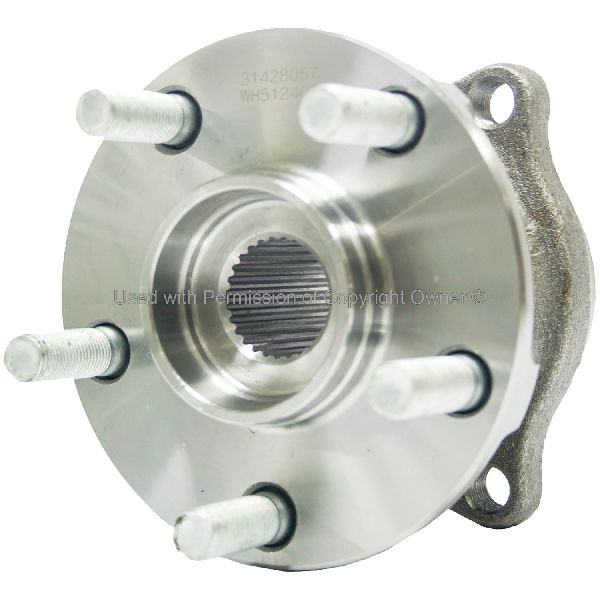
(OEM #28373FG000)— This is needed if the tone ring is damaged or if the wheel speed sensor is seized in the knuckle and cannot be removed without destroying the hub. A failing bearing is also a common source of ABS issues.
Trusted brands: Subaru (OEM), Timken, SKF, MOOG
OEM price range: $250-$350
Aftermarket price range: $150-$250
Related Codes That Often Appear With This One
- C0040 — This is the code for the other front wheel speed sensor. Seeing both together could point to a wiring issue common to both sides or a problem with the ABS module.
Technical Service Bulletins (TSBs) & Recalls
- TSB 03-96-25: Details design changes to rear wheel hubs to prevent water intrusion and bearing failure on later models, relevant to hub-related ABS issues.
- TSB 05-84-21: Announces design changes to front wheel hub assemblies to increase resistance to shock loads that can damage bearings and affect ABS sensor readings.
Platform-Specific Known Issues
- A common repair story involves a wire breaking inside the insulation, a few inches from the sensor connector, due to repeated suspension movement. This requires a continuity test while wiggling the wire to diagnose, as a visual inspection will show nothing.
- Owners on forums report that low-quality aftermarket sensors can be faulty out of the box or provide an out-of-spec signal, causing the code to persist even after replacement. Using OEM or a reputable OE-supplier brand like NTK or Bosch is recommended.
Mechanic-Grade Diagnostic Values
- Front Wheel Speed Sensor Resistance — expected: 1.1kΩ to 1.4kΩ at room temperature.. Failure: Readings below 900Ω (internal short) or above 1.8kΩ (broken windings).
- Front Wheel Speed Sensor AC Voltage Output — expected: Greater than 0.25 Volts AC minimum.. Failure: Voltage is less than 0.25V AC when the wheel is spun by hand at about 1/2 revolution per second.
- Voltage at ABSCM&H/U Connector — expected: 10 - 15 V with ignition ON.. Failure: Voltage is below 10V, indicating a power supply issue to the module.
Scan Tool Commands That Help
- Subaru Select Monitor (SSM) or equivalent: Clear Memory Mode — After the physical repair is complete, this function must be used to erase the stored C0035 code from the ABS module's memory and turn off the dashboard warning lights.
- Subaru Select Monitor (SSM) or equivalent: Each System Check — This is a general command to make the VDC/ABS system perform a self-test, which can be useful after a repair to confirm the system is operating correctly.
Wiring & Ground Locations
- ABSCM&H/U Ground Bolt (GB-5) — Typically located on the chassis frame rail near the ABS Control Module & Hydraulic Unit in the engine compartment.. A corroded or loose main ground for the ABS module can cause a variety of electrical faults, including sensor circuit voltage codes like C0035, even if the sensor and its wiring are perfectly fine.
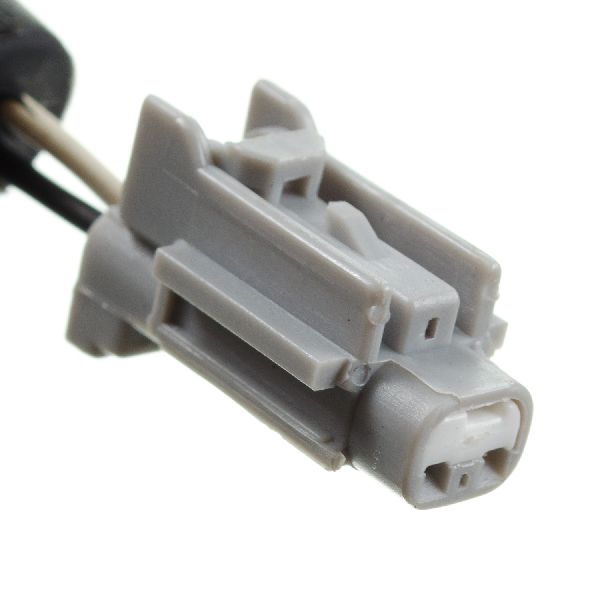
- Front Wheel Speed Sensor Connector — In the wheel well, connecting the sensor's pigtail to the main body harness. It is often clipped to the strut or a nearby bracket.. This is the primary point to check for corrosion, damage, and to perform continuity tests back to the ABS module. It's a common failure point due to exposure and movement.
- ABSCM&H/U Connector (B301) — The main electrical connector at the ABS Control Module and Hydraulic Unit, located in the engine compartment.. This is the termination point for the sensor wiring. Technicians test for signal and continuity at specific pins on this connector to confirm if a wiring break exists between the sensor and the module.
Real Owner Repair Stories
- subaruforester.club forum member 'DavidCr' (2011 Subaru Forester 2.4L Auto) — ABS and traction control lights came on.
❌ Tried (didn't work) Replacing the faulty left rear wheel speed sensor with a new aftermarket part did not clear the code, even though the old sensor's cable was visibly damaged.
✅ What actually fixed it The issue was suspected to be the new, low-quality aftermarket sensor providing an out-of-spec signal. A forum veteran advised that this is a common problem, with over 50% of non-OEM sensors potentially causing persistent faults. The recommendation was to refit the old sensor with a temporary wire repair to see if the code cleared, or to test by swapping sensor inputs from side to side to see if the code follows the new sensor. The ultimate fix is to use an OEM or high-quality OE-supplier sensor (like Bosch).
OEM Part Supersession History
27540SC000→27540SC001— Likely a minor revision for durability or manufacturing improvement. Functionally identical.
Heads up: These parts are for the front right sensor. They are listed as interchangeable.27540SC010→27540SC011— Likely a minor revision for durability or manufacturing improvement. Functionally identical.
Heads up: These parts are for the front left sensor. They are listed as interchangeable.
Diagnostic Flowchart
Other Known Issues on This Vehicle
Issues unrelated to this code that are worth knowing about as an owner of this generation:
- Excessive Oil Consumption (FB25 Engine) 🔴 High — Common on 2011-2013 models with the 2.5L FB25 engine. Can start as early as 48,000 miles. (Ref: TSB 02-157-14R. Subaru addressed this with a class-action lawsuit settlement and an updated TSB, which could result in a short block replacement if consumption is verified by a dealer.)
- Head Gasket Failure (EJ25 Engine) 🔴 High — Primarily affects 2008-2010 models with the naturally aspirated 2.5L EJ25 engine. Typically occurs between 120,000 and 150,000 miles, manifesting as external oil or coolant leaks. (Ref: No recall, but a well-documented issue. The fix involves replacing the original single-layer gasket with a multi-layer steel (MLS) gasket.)
- Rear Wheel Bearing Failure 🟠 Medium — Common across this generation, causing a loud humming or grinding noise from the rear of the vehicle that changes with speed. (Ref: Subaru has issued TSBs for later models (e.g., 03-96-25) and older models (e.g., 03-58-08) acknowledging issues with water intrusion and bearing design, leading to premature failure.)
- Failing Air-Fuel / Oxygen Sensors 🟡 Low — A common cause for the Check Engine Light, affecting fuel efficiency. Reported frequently on models from this era.
Used vs. New Parts: Buying Guide for This Vehicle
When a used part is the smart pick: A used wheel hub/bearing assembly can be a cost-effective choice if the tone ring on your original hub is damaged but the bearing is still good. It is generally not recommended to buy a used wheel speed sensor itself due to its exposure to harsh elements and the high likelihood of internal wear or hidden wire damage.
Donor-vehicle mileage cap: roughly under 80000 miles for the part to have meaningful remaining life.
What to inspect on the donor part:
- For a hub assembly, check for any signs of play or roughness when spinning the bearing by hand.
- Visually inspect the integrated tone ring for any rust, damage, or missing teeth.
- Ensure the donor vehicle is from a region with minimal road salt to reduce the risk of corrosion.
- Check the sensor mounting hole for excessive corrosion or damage, which could indicate the sensor was difficult to remove.
OEM-only on this vehicle (don't cheap out):
- ABS Control Module - Used modules often require VIN programming by a dealer or specialist to function, and compatibility is extremely specific. A remanufactured unit with a warranty is a better choice than a junkyard part.
Aftermarket brands forum-validated for this vehicle:
- NTK
- Bosch
- Standard Motor Products (SMP)
- Holstein
Brands owners have reported issues with on this vehicle:
- Unbranded, low-cost sensors from online marketplaces are frequently reported on forums as being faulty out-of-the-box or having incorrect resistance values, leading to persistent codes.
Real Owner Stories
Aggregated from forums and TSBs cited above. Mileages and costs reflect what owners reported in those sources.
2010 Subaru Outback
Symptoms: Code C0035 present; the cause was not visually apparent upon inspection of the harness.
What fixed it: Repairing a broken wire found inside the harness insulation that was only discovered by checking wiring continuity.
Source hint: subaruoutback.org: A user with a 2010 Outback (platform mate) with code C0035 detailed a repair where the cause was a broken wire inside the harness insulation
2011 Subaru Forester
Symptoms: Persistent ABS code even after replacing the wheel speed sensor; resistance values were checked during diagnosis.
What fixed it: Replacing a low-quality aftermarket sensor that was faulty out of the box with a higher quality unit.
Source hint: subaruforester.club: A 2011 Forester owner details their diagnostic process... noting that new aftermarket parts can sometimes be the problem.
2008-2013 Subaru Forester
Symptoms: ABS and VDC warning lights on; cruise control disabled; multiple lights on the dashboard.
What fixed it: Replacing the front wheel speed sensor and its wiring pigtail assembly.
Source hint: vehicle_specific_issues: A common repair story involves a wire breaking inside the insulation, a few inches from the sensor connector, due to repeated suspension movement.
Related OBD-II Codes
Frequently Asked Questions
Why are my ABS, VDC, and Cruise Control lights all on at the same time in my 2011 Forester?
I replaced the front wheel speed sensor on my Forester but the C0035 code is still there. Did I get a bad part?
Does TSB 05-84-21 apply to the wheel speed sensor issues on my front hub?
Can a bad wheel bearing cause the C0035 code on a 2010 Forester?
How can I test if the wiring harness is the problem without visible damage?
Helpful Videos

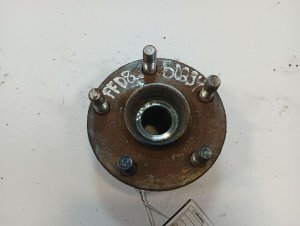
Used OEM Parts in Stock
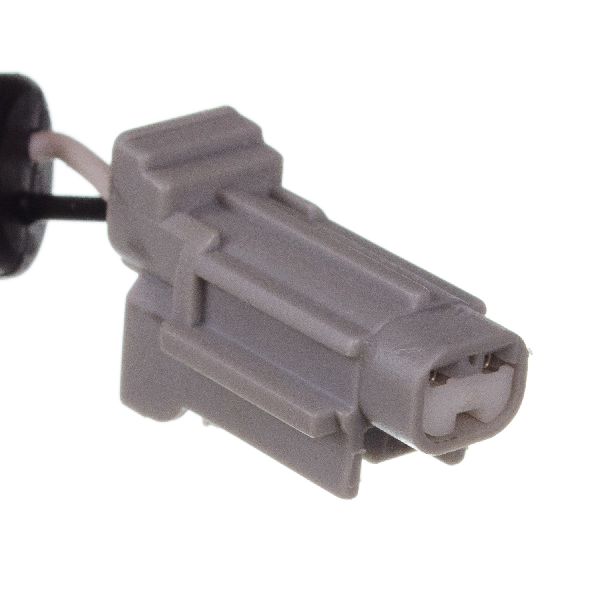
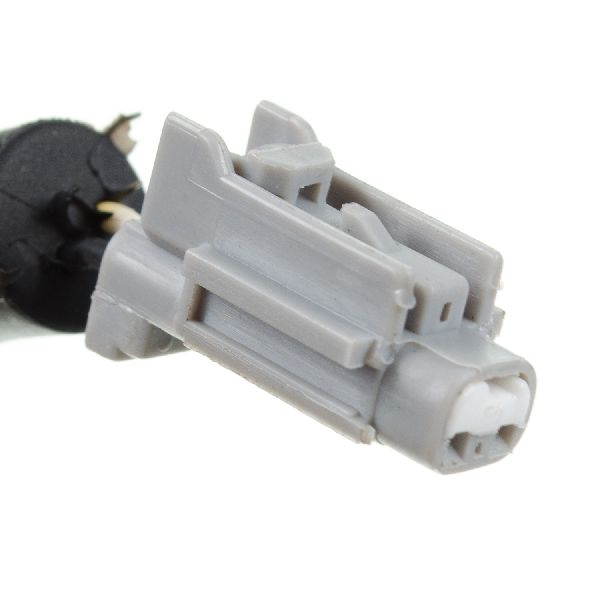
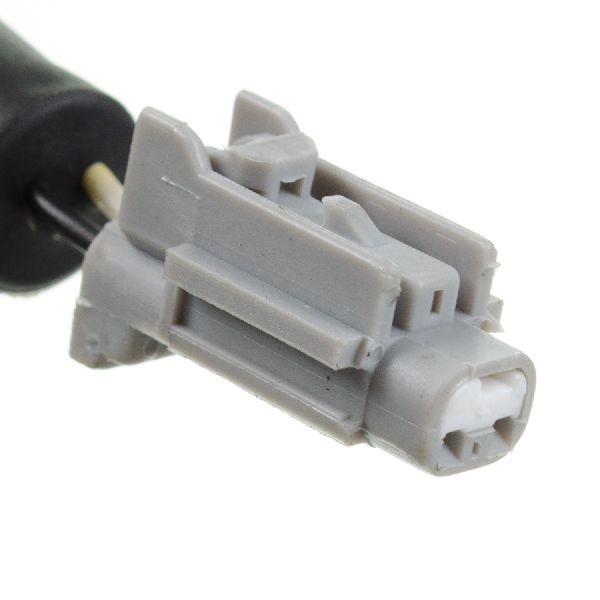
New Aftermarket Parts Available


The information in this article is provided for general reference and educational purposes only. Vehicle specifications, procedures, and part compatibility can vary by production date, trim level, and region. Always consult your vehicle's factory service manual and verify part numbers before purchasing or performing repairs. Safety-critical components such as airbags, seat belts, and braking systems should be installed by a qualified professional.
- Subaru Forester:
- 🧭 Diagnostic Flowchart
- 🎬 Helpful Videos
- 🛍️ Shop This Part
- What's Unique About the 2008-2013 Subaru Forester
- Symptoms You May Notice
- Most Likely Causes
- Rare But Worth Checking
- Diagnosis Steps
- Parts You'll Likely Need
- Related Codes That Often Appear With This One
- Technical Service Bulletins (TSBs) & Recalls
- Platform-Specific Known Issues
- Mechanic-Grade Diagnostic Values
- Scan Tool Commands That Help
- Wiring & Ground Locations
- Real Owner Repair Stories
- OEM Part Supersession History
- Other Known Issues on This Vehicle
- Used vs. New Parts: Buying Guide for This Vehicle
- Real Owner Stories
- 2010 Subaru Outback
- 2011 Subaru Forester
- 2008-2013 Subaru Forester
- Related OBD-II Codes
- Frequently Asked Questions
- 🎟️ Get 5% Off