

C0035 on 2010-2014 Subaru Legacy: Wheel Speed Sensor Fault Causes and Fixes
This code indicates a fault in a front wheel speed sensor circuit. It could be the left or right side, so confirming with a good scan tool is the first step. The most common fix is replacing a faulty wheel speed sensor or repairing its wiring harness. The issue is often just a disconnected or corroded connector.
- C0035 means there's a problem with a front wheel speed sensor circuit, but you MUST use a good scanner to know if it's the left or right side.
- The most common causes are a failed sensor or, frequently, a damaged or simply disconnected wiring connector in the wheel well.
- Driving is possible but not recommended as critical safety systems (ABS, VDC) will be offline.
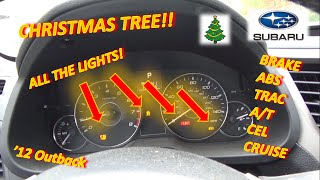
- A fault in this system will cause multiple warning lights to appear on the dashboard, including ABS, VDC, and a flashing Cruise Control light.
What's Unique About the 2010-2014 Subaru Legacy
For the fifth-generation Subaru Legacy (and its platform-mate, the Outback), the C0035 code is a prime example of why generic code definitions can be misleading. While the root cause is almost always a wheel speed sensor or its wiring, the exact location (left vs. right) is not consistently defined in public data for this specific model. Owners should be aware that the ABS, Vehicle Dynamics Control (VDC), and Hill Start Assist systems all rely on these sensors, so a fault will disable all of these safety features, often illuminating multiple warning lights on the dashboard simultaneously.
🎬 Watch: See how these dashboard lights look when a sensor fails.Symptoms You May Notice
- ABS warning light is on
- Traction Control or Vehicle Dynamics Control (VDC) light is on
- Hill Start Assist warning light is on
- Cruise control is disabled and the light may flash
- Brake warning light may be on or flashing
- Potential for the brake pedal to feel different or for ABS to activate incorrectly at low speeds
- Replacing the wrong side wheel speed sensor due to the code's ambiguous definition. Always confirm the location with a scan tool that provides a specific description (e.g., 'Left Front Wheel Speed Sensor Circuit').
- Replacing the sensor when the problem is a simple disconnected or corroded connector in the wheel well.
- Replacing the wheel hub/sensor assembly when the actual fault is an internal, non-visible break in the wiring harness pigtail.
Most Likely Causes
- Failed Front Wheel Speed Sensor 🔴 High Probability → Shop ABS Wheel Speed Sensor Sensors are exposed to road debris, moisture, and extreme temperatures, leading to internal failure over time. The sensor is a magnetic pickup that is part of the wheel hub assembly on this generation.
How to confirm: Use a scan tool to monitor live data from all four wheel speed sensors while driving. The faulty sensor will show an erratic or 0 MPH reading compared to the others. You can also test the sensor's internal resistance with a multimeter; an open circuit (OL) or resistance outside of the manufacturer's specification indicates a bad sensor. A good passive sensor will typically have a resistance between 800 and 1,700 ohms. A factory service manual should be consulted for the exact specification.
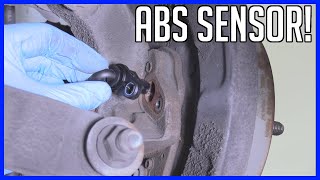
Typical fix: Replace the faulty wheel speed sensor. It is typically held in by a single 10mm bolt on the steering knuckle. 🎬 Watch: This easy walkthrough shows how to swap the sensor. The sensor can sometimes be seized in the knuckle and require careful prying or tapping to remove.
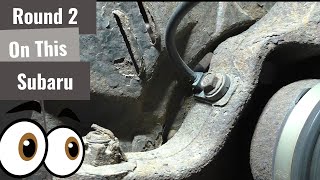
Est. part cost: $40-$100 - Damaged or Corroded Wiring/Connector 🟡 Medium Probability The wiring harness runs along the suspension and is susceptible to damage from road debris, rubbing against components, or corrosion from road salt and moisture. A known failure point is an internal wire break near the strut mount clip, where constant flexing from steering and suspension travel fatigues the copper wire inside the insulation, even with no visible external damage.
How to confirm: Visually inspect the entire length of the sensor's wiring harness from the sensor to the main chassis connection in the wheel well. Look for chafed wires, breaks, or green corrosion inside the connector pins. Often, the connector simply becomes disconnected. Perform a 'wiggle test' on the harness, especially near the strut mount, while watching live data on a scan tool to see if the signal cuts out.
Typical fix: Repair the damaged section of wire with solder and heat-shrink tubing or replace the pigtail connector/harness section. If the connector is simply unplugged, reconnect it and secure it with a zip tie if the original clip is broken. Clean corroded terminals with a contact cleaner.
Est. part cost: $15-$40 for a pigtail connector - Damaged Wheel Bearing or Tone Ring ⚪ Low Probability The wheel speed sensor reads a magnetic encoder built into the wheel bearing's seal. If the bearing fails or the seal is damaged during installation (e.g., from a suspension repair), the encoder ring can be compromised. Water intrusion is a known issue that can lead to bearing failure.
How to confirm: After removing the wheel speed sensor, visually inspect the magnetic ring on the wheel hub/bearing assembly. Look for cracks, rust buildup, or heavy contamination. A failing wheel bearing will also typically produce a humming or grinding noise that changes with vehicle speed and when turning.
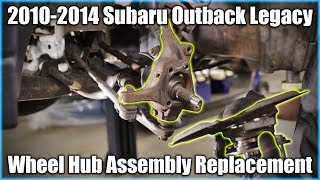
Typical fix: Replace the entire front wheel hub and bearing assembly. This is a more involved repair that requires removing the axle nut and hub bolts. 🎬 See this step-by-step guide for replacing the wheel hub assembly.
Est. part cost: $120-$250
Rare But Worth Checking
- Faulty ABS Control Module: → Shop ABS Control Module This is uncommon and should only be considered after thoroughly ruling out the sensor, wiring, and wheel bearing. A failure of the module's internal power supply or input channel for that specific sensor can trigger the code. This may also be accompanied by communication codes like U0121.
Diagnosis Steps
- Connect an ABS-capable OBD-II scanner to the vehicle.
- Read the fault codes and, most importantly, the code's specific manufacturer description to confirm if the issue is with the LEFT or RIGHT front wheel speed sensor.
- View the live data stream for all four wheel speed sensors using a tool like the Subaru Select Monitor ('Each System Check' -> 'Brake Control' -> 'Current Data Display').
- Drive the vehicle slowly (5-15 MPH) and observe the readings. Confirm that one of the front sensors reads 0 MPH or has an erratic signal while the others read correctly.
- Raise and secure the vehicle. Thoroughly inspect the identified sensor's connector in the wheel well. Check if it is disconnected, loose, or has visible corrosion. This is a very common failure point.
- If the connector is secure, visually inspect the wiring harness from the sensor to the chassis for any obvious damage, chafing, or loose connections. Pay close attention to the area where the harness clips to the strut, as internal wire breaks are common here.
- If no visual issues are found, disconnect the sensor and test its resistance with a multimeter. Compare the reading to a general specification of 800-1,700 ohms. An open (OL) or shorted sensor needs replacement.
- If the sensor tests good, inspect the wiring harness for continuity and shorts to ground from the sensor connector to the ABS module connector. A 'wiggle test' on the harness while measuring continuity can reveal hidden internal breaks.
- If wiring and sensor are good, inspect the magnetic tone ring on the wheel bearing for damage or debris.
- If all other components are confirmed to be good, the fault may lie with the ABS control module, which is located in the right rear corner of the engine compartment. This may require professional diagnosis.
Parts You'll Likely Need
- Front Wheel Speed Sensor
(OEM #27540AJ01A (Left); 27540AJ00A (Right) - *Verification recommended with VIN*)— This is the most frequent failure point for a C0035 code, either due to internal failure or damage.
Trusted brands: Subaru (Genuine), NTK, Bosch, Standard Motor Products (SMP), Holstein
OEM price range: $90-$150
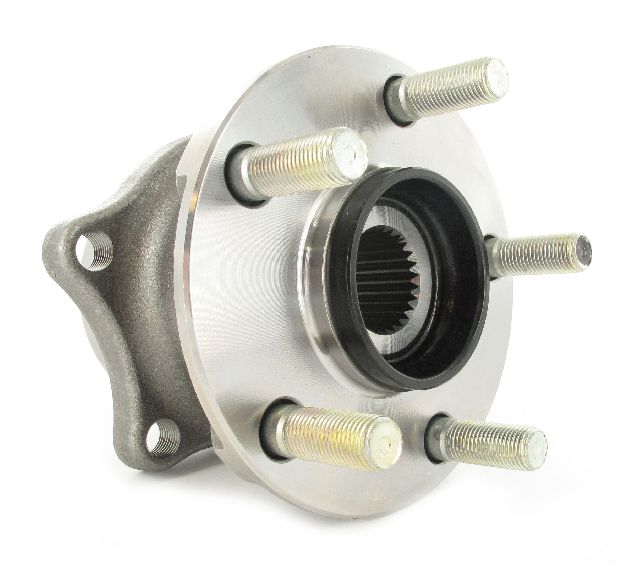
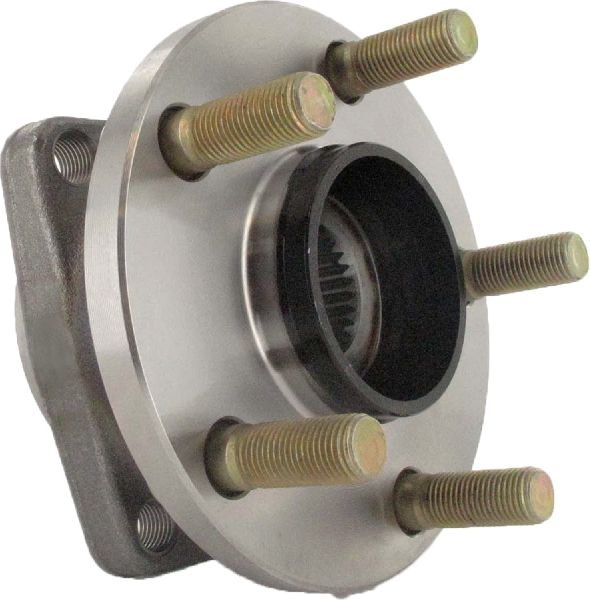
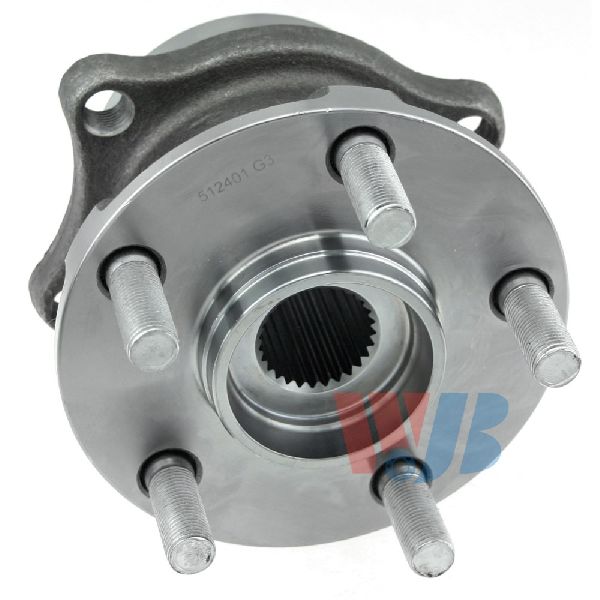
Aftermarket price range: $40-$100 - Front Wheel Hub and Bearing Assembly
(OEM #28373FG000 - *Verification recommended with VIN*)— Replaced if the integrated magnetic tone ring is damaged or the bearing itself has failed, causing sensor signal issues.
Trusted brands: NTN (OEM Supplier), Timken, SKF, MOOG
OEM price range: $200-$300
Aftermarket price range: $120-$250
Related Codes That Often Appear With This One
- C0040 (the corresponding code for the other front wheel)
- U0121 (Lost Communication With ABS Control Module)
Platform-Specific Known Issues
- The wiring connector in the wheel well is a known weak point. The plastic clip that secures the two halves of the connector can become brittle and break, allowing the connector to separate and trigger the code.
- Owners in the salt belt report higher instances of failure due to corrosion at the sensor connector and the sensor seizing into the steering knuckle.
- The sensor wiring harness is known to fail from internal wire breaks where it flexes near the strut mounting point. This failure may not be visible from the outside, leading to misdiagnosis.
Mechanic-Grade Diagnostic Values
- Front Wheel Speed Sensor Resistance — expected: 800 - 1,700 Ohms (general specification for passive sensors). Failure: An open circuit (OL), a short (near 0 Ohms), or a value outside the specified range. The factory service manual should be consulted for the exact OEM specification.
- Front Wheel Speed Sensor AC Voltage Output — expected: Greater than 100mV (0.1V) AC when spinning the wheel by hand.. Failure: No voltage or an erratic voltage reading while the wheel is spinning indicates a faulty sensor or tone ring issue.
Hidden / Shadow Codes Worth Checking
- N/A for this model: While some manufacturers (like GM) use detailed symptom bytes (e.g., C0035 0F for 'Erratic Signal') to provide more diagnostic detail, there is no publicly documented evidence of similar sub-codes for the C0035 fault on this Subaru platform. Diagnosis relies on the primary code and live data analysis. (see via Not applicable.)
Scan Tool Commands That Help
- Subaru Select Monitor (SSM) or equivalent: Current Data Display/Save — This function is used to view the live speed readings from all four wheels simultaneously to identify which sensor is malfunctioning. Navigate via 'Each System Check' -> 'Brake Control' to access this data.
- Subaru Select Monitor (SSM) or equivalent: Clear Memory — After a repair has been completed, this function is used to erase the stored C0035 fault code from the ABS/VDC control module.
Wiring & Ground Locations
- VDC Control Module — Located in the right rear corner of the engine compartment.. This module receives and interprets the signals from all wheel speed sensors. All sensor wiring ultimately terminates here, making its connector a key test point for diagnosing harness issues.
- GB-5 — Main chassis ground point located at the right kick panel, inside the cabin.. A poor ground connection at this point can cause a variety of electrical issues for chassis-related modules. While not a direct cause for a single sensor code, it should be checked if multiple, seemingly unrelated electrical faults are present.
- GB-6 — Main chassis ground point located at the left kick panel, inside the cabin.. Similar to GB-5, this is a critical ground point for various systems. Verifying it is clean and tight is good practice during any complex electrical diagnosis.
Real Owner Repair Stories
- subaruoutback.org forum user (2010 Subaru Outback 2.5i (platform mate), ~120,000 miles) — ABS and VDC warning lights on, cruise control disabled, code C0035 stored.
❌ Tried (didn't work) Initial visual inspection showed no obvious damage to the wiring harness.
✅ What actually fixed it The problem was a broken wire inside the insulation of the wiring harness pigtail, located a few inches from the sensor connector where it flexes near the strut. The break was not visible externally. Replacing the entire front ABS sensor harness assembly resolved the issue.
OEM Part Supersession History
27540AJ01A (Front Left)→27540AJ13A— Standard part evolution for design or manufacturing improvements.
Heads up: Some vendors list 27540AJ13A as fitting both left and right sides, which may cause confusion. Verify the correct part for the specific side being repaired.27540AJ00A (Front Right)→27540AJ12A— Standard part evolution for design or manufacturing improvements.
Model Year Variations Within This Range
- 2013-2014: A mid-generation refresh for the 2013 model year introduced a retuned suspension (different sway bars, springs, dampers) and the EyeSight driver-assist system. The suspension changes could alter stress points on the wheel speed sensor wiring, while the introduction of EyeSight adds another layer of software complexity that relies on accurate wheel speed data.
Diagnostic Flowchart
Other Known Issues on This Vehicle
Issues unrelated to this code that are worth knowing about as an owner of this generation:
- Excessive Oil Consumption (2.5L FB25 Engine) 🔴 High — Common, particularly in 2013-2014 models. Can occur at relatively low mileage (30-60k). Caused by defective piston rings. (Ref: Subject of class-action lawsuit (Yaegar v. Subaru) which resulted in a settlement and extended warranties for affected vehicles.)
- CVT Transmission Issues (TR690) 🔴 High — Common in 2010-2012 models. Symptoms include shuddering, stalling when stopping, or hesitation. Often related to torque converter lock-up failure. (Ref: Subaru extended the CVT warranty to 10 years/100,000 miles for many vehicles. TSB 16-90-13R addresses the torque converter issue.)
- Prematurely Burnt-Out Headlight Bulbs 🟡 Low — Very common complaint for 2010-2012 models, with owners reporting replacement every 6-12 months.
- Steering Column / Rack Rattle or Clunk 🟠 Medium — A rattling or clunking noise may develop from the steering column or EPS rack, especially over bumps. (Ref: TSB 04-17-17R was issued for later models (2015+) for a similar issue, but the noise is a known complaint on the 5th generation as well.)
Used vs. New Parts: Buying Guide for This Vehicle
When a used part is the smart pick: A used wheel hub and bearing assembly can be a cost-effective option if it comes from a low-mileage, non-corroded donor vehicle. A used ABS/VDC control module can also be used, but it is critical that the part number matches the original unit *exactly* to avoid the need for dealer programming.
Donor-vehicle mileage cap: roughly under 75000 miles for the part to have meaningful remaining life.
What to inspect on the donor part:
- For Hubs: Check for any play or roughness when spinning the bearing by hand. Inspect the magnetic encoder ring on the seal for any cracks, rust, or physical damage.
- For Wiring: Avoid used wiring harnesses. The common failure mode is an internal break from metal fatigue, which is impossible to see and is related to age/use, not appearance.
- For Modules: Verify the part number on the sticker is an exact match to your original module. Check for any signs of water intrusion or corrosion on the case and connectors.
OEM-only on this vehicle (don't cheap out):
- ABS/VDC Control Module: While a used OEM part can work if the part number matches, avoid aftermarket modules as they often have software and communication issues with Subaru's other integrated systems.
Aftermarket brands forum-validated for this vehicle:
- NTN (often the OEM supplier for bearings)
- Timken
- SKF
- MOOG (for hub assemblies)
- NTK
- Bosch (for sensors)
Brands owners have reported issues with on this vehicle:
- No-name, unbranded 'white-box' sensors and hub assemblies from online marketplaces often have high failure rates, poor quality magnetic encoders, and incorrect fitment.
Real Owner Stories
Aggregated from forums and TSBs cited above. Mileages and costs reflect what owners reported in those sources.
2010-2014 Subaru Legacy
Symptoms: Check engine light, VDC light is on, and cruise control and sport light is flashing; described as a 'Christmas tree' dash light effect.
What fixed it: Replacement of a faulty wheel speed sensor or repair of the circuit disabling the multiple systems.
Source hint: LegacyGT.com thread titled 'Check engine light, VDC light is on, and cruise control and sport light is flashing'
2010-2014 Subaru Legacy
Symptoms: VDC codes and a flashy brake warning light appearing immediately after performing suspension work.
What fixed it: Inspecting and potentially reconnecting or replacing the wheel speed sensor harness that was disturbed during suspension service.
Source hint: LegacyGT.com thread titled 'VDC + flashy brake - bluedriver codes'
Related OBD-II Codes
Frequently Asked Questions
Why does my 2010-2014 Subaru Legacy dashboard look like a 'Christmas tree' with the ABS, VDC, and Hill Start Assist lights all on?
I just did suspension work on my Legacy and now the VDC and brake lights are flashing. Could I have caused this?
Is there a specific spot where the wiring usually fails on this generation of Legacy?
Can I just clean the sensor, or do I need to replace the whole wheel hub?
My cruise control light is flashing and the system is disabled. Is this related to the C0035 code?
Helpful Videos
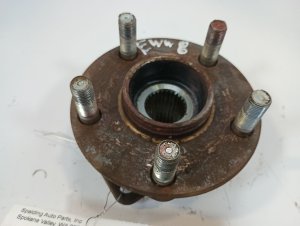
Used OEM Parts in Stock
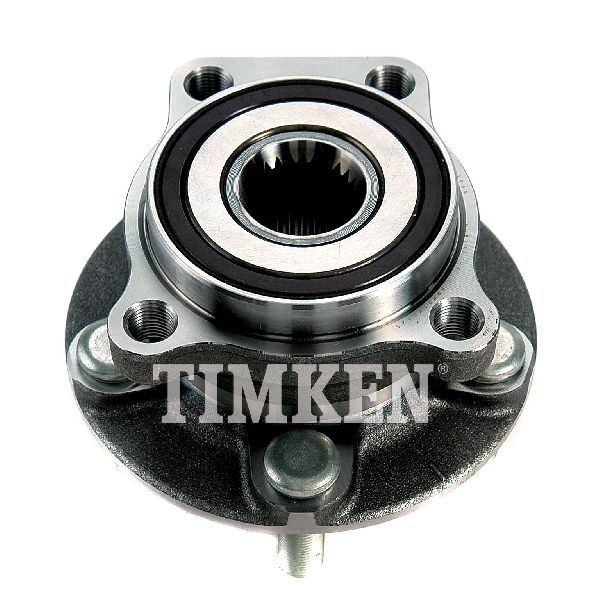
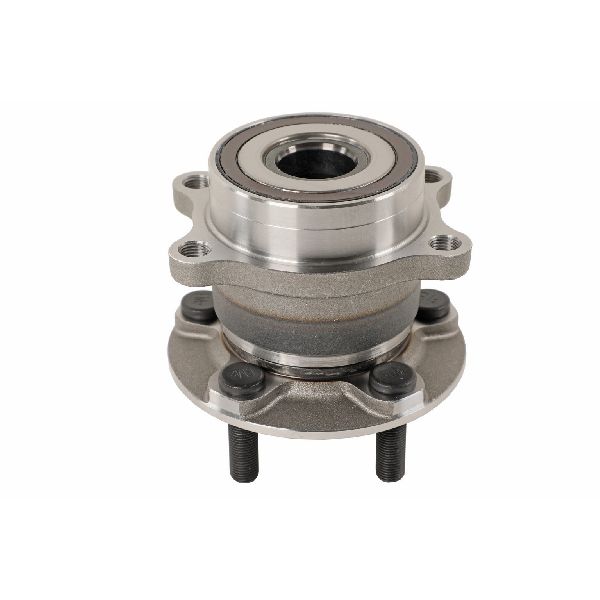
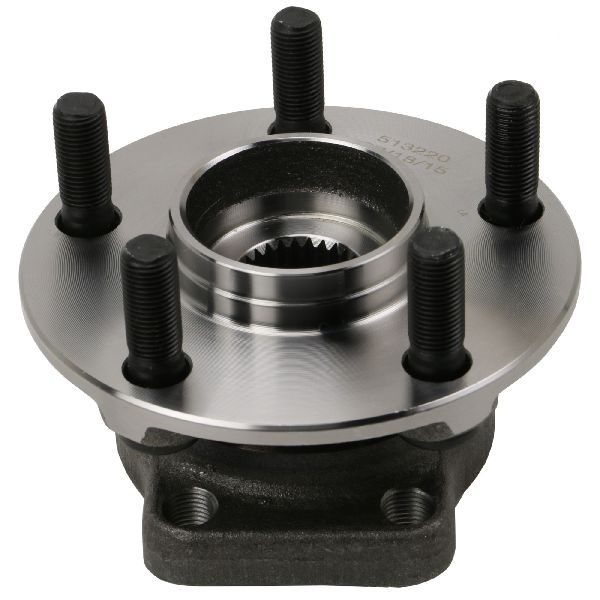
New Aftermarket Parts Available

The information in this article is provided for general reference and educational purposes only. Vehicle specifications, procedures, and part compatibility can vary by production date, trim level, and region. Always consult your vehicle's factory service manual and verify part numbers before purchasing or performing repairs. Safety-critical components such as airbags, seat belts, and braking systems should be installed by a qualified professional.
- Subaru Legacy:
- 🧭 Diagnostic Flowchart
- 🎬 Helpful Videos
- 🛍️ Shop This Part
- What's Unique About the 2010-2014 Subaru Legacy
- Symptoms You May Notice
- Most Likely Causes
- Rare But Worth Checking
- Diagnosis Steps
- Parts You'll Likely Need
- Related Codes That Often Appear With This One
- Platform-Specific Known Issues
- Mechanic-Grade Diagnostic Values
- Hidden / Shadow Codes Worth Checking
- Scan Tool Commands That Help
- Wiring & Ground Locations
- Real Owner Repair Stories
- OEM Part Supersession History
- Model Year Variations Within This Range
- Other Known Issues on This Vehicle
- Used vs. New Parts: Buying Guide for This Vehicle
- Real Owner Stories
- 2010-2014 Subaru Legacy
- 2010-2014 Subaru Legacy
- Related OBD-II Codes
- Frequently Asked Questions
- 🎟️ Get 5% Off