

C0035 on 2007-2009 Suzuki XL-7: ABS, Traction Control, and StabiliTrak Light Causes and Fixes
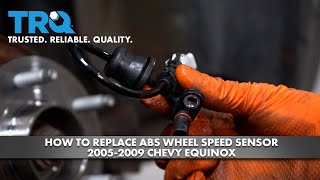
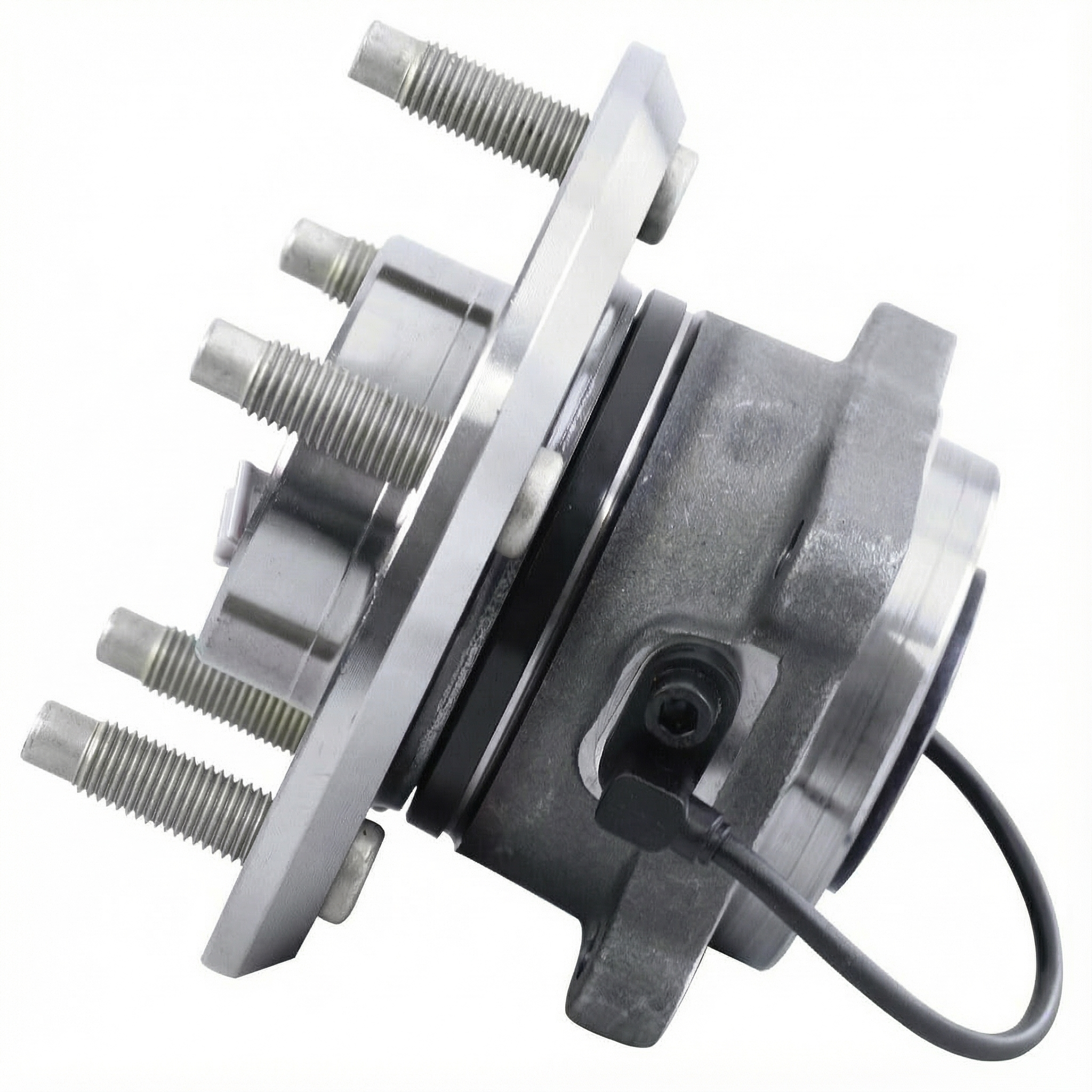
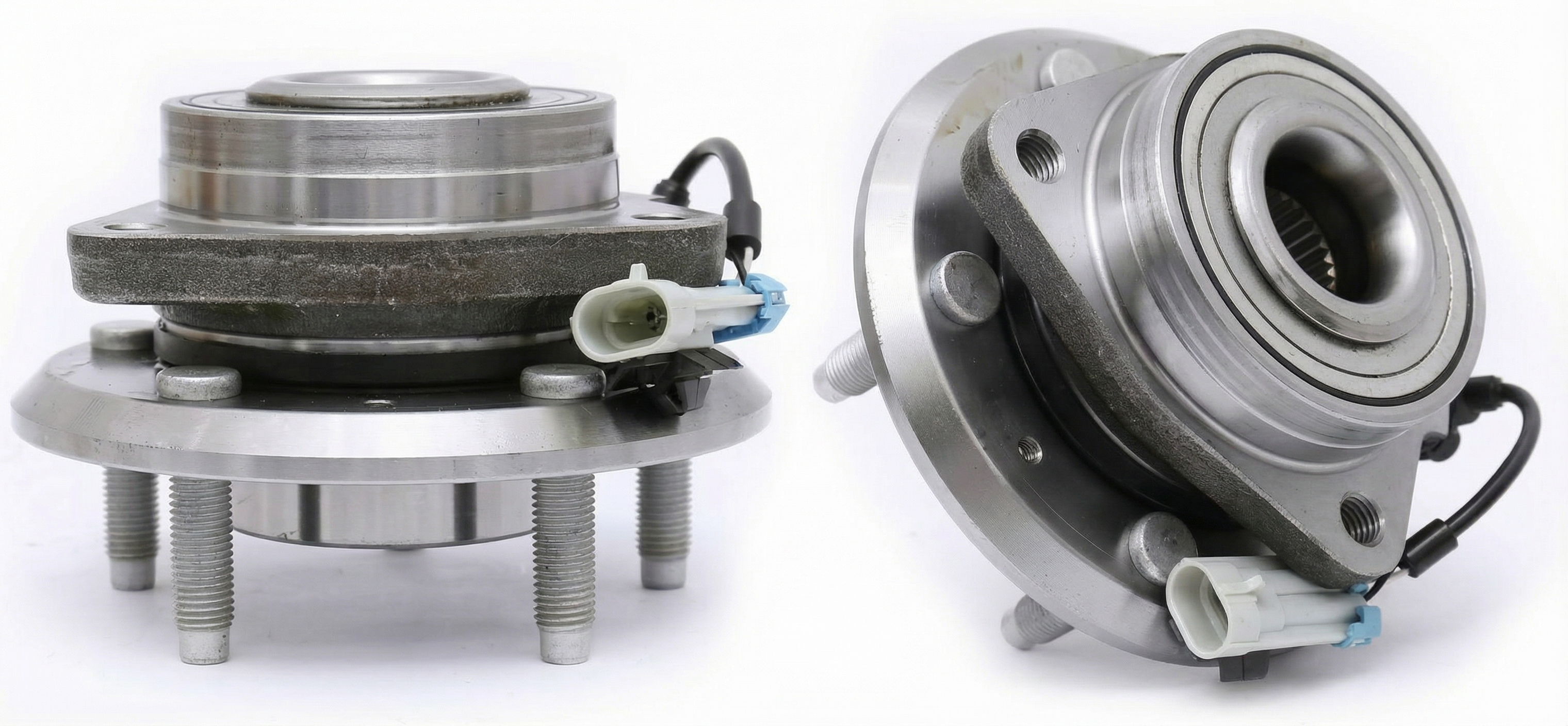
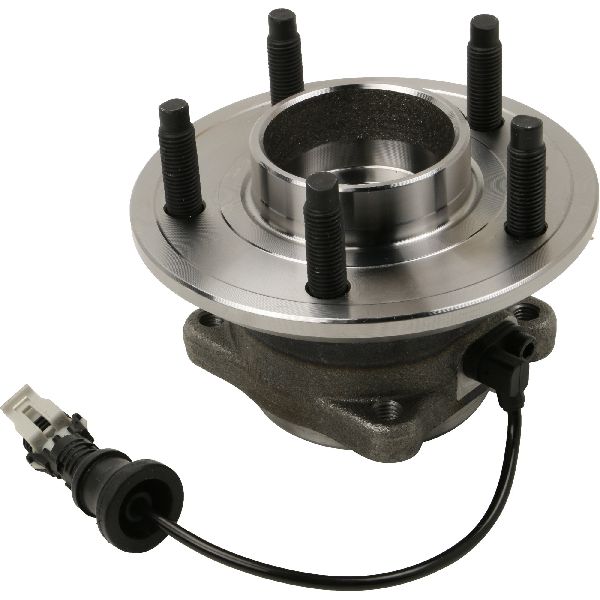
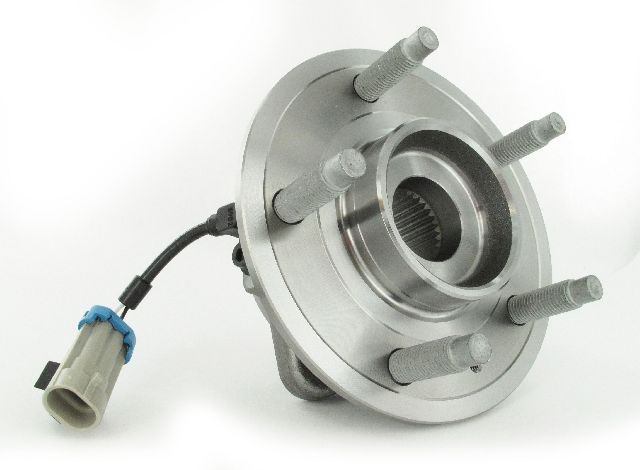
This code points to a fault in the Left Front (Driver's Side) Wheel Speed Sensor circuit. On this vehicle, which is based on a GM platform, the sensor is integrated into the wheel hub. The most common fix is replacing the entire Left Front Wheel Hub Bearing Assembly. Before replacing the hub, inspect the wiring harness for damage, as it's a common and cheaper failure point.
- C0035 on your 2007-2009 XL-7 means there is a fault with the Left Front (Driver's Side) wheel speed sensor circuit.
- Driving is possible, but your ABS and stability control will not work, so use caution.
- The most common fix is to replace the entire Left Front Wheel Hub Assembly, as the sensor is built into it. Common aftermarket part numbers are Timken/MOOG/SKF 513276.
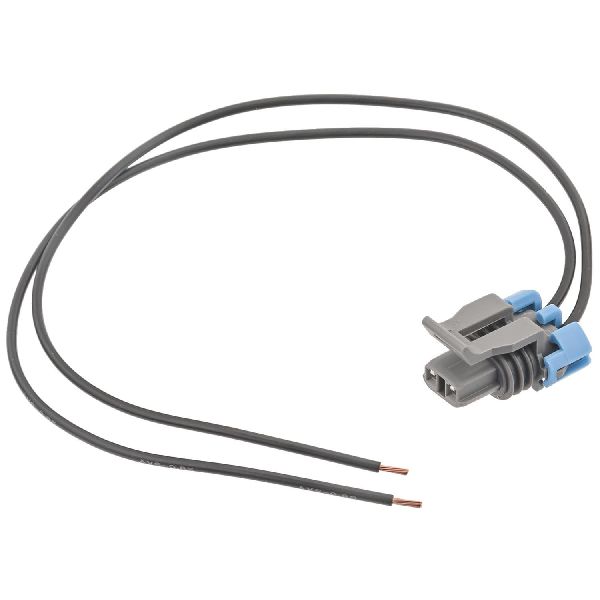
- Before replacing the hub, always perform a thorough visual and electrical inspection of the wiring harness (Part #25818498), as it is a very common point of failure and a cheaper fix.
- You will need an ABS-capable scan tool to properly diagnose the issue and clear the code after the repair.
What's Unique About the 2007-2009 Suzuki XL-7
The 2007-2009 Suzuki XL-7 is built on the General Motors (GM) Theta platform, sharing its chassis and many components with the 2007-2009 Chevrolet Equinox and Pontiac Torrent. While C0035 is a generic code, on this specific GM platform, it consistently refers to the Left Front (driver's side) wheel. Crucially, the wheel speed sensor is integrated into the sealed wheel hub bearing assembly and is not sold as a separate part. This means a failed sensor requires replacing the entire hub assembly, a common repair for its platform mates as well.
Symptoms You May Notice
- ABS warning light is on
- Traction control warning light is on
- Stability control ('StabiliTrak') warning light is on
- ABS system may not activate during hard braking
- A grinding or clicking noise from the front of the vehicle at low speeds, which can be the EBCM priming the pump due to the erratic signal.
- A roaring or humming noise from the front wheel that changes with speed, indicating a worn wheel bearing in addition to the sensor failure.
- Replacing only the sensor. The sensor is not available as a separate part for this vehicle; it is integrated into the wheel hub assembly.
- Replacing the wrong side hub. While some GM vehicles use C0035 for the right side, on the XL-7/Equinox/Torrent platform, it is for the left front.
Most Likely Causes
- Failed Left Front Wheel Hub Bearing Assembly 🔴 High Probability → Shop Hub Assembly The wheel speed sensor is integrated into the hub assembly. Corrosion can cause the internal magnetic encoder ring (reluctor) to crack, delaminate, or get covered in debris, leading to an erratic or lost signal. Simple bearing wear and tear can also damage the internal sensor components. This is a well-documented failure on the XL-7 and its GM platform mates.
How to confirm: Using an advanced scan tool, monitor the live data for the left front wheel speed sensor while driving. If the speed reads 0 MPH or is erratic compared to the other three wheels, the hub assembly is faulty. You can also check for physical play in the wheel by trying to wiggle it at the 12 and 6 o'clock positions, which indicates bearing failure.
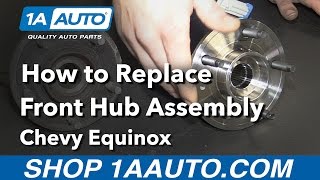
Typical fix: Replace the entire left front wheel hub bearing assembly. 🎬 Watch: Step-by-step guide to replacing the front hub assembly.
Est. part cost: $100-$250 - Damaged Wiring or Connector 🟡 Medium Probability The wiring harness is exposed to the elements, road debris, and constant movement from steering and suspension. This can lead to chafing, breaks, or corrosion in the connector pins. GM has also had issues with 'fretting corrosion' in various electrical connectors, which causes high resistance and signal loss.
How to confirm: Visually inspect the wiring harness from the back of the wheel hub up into the engine bay for any signs of damage, melting, or corrosion. Unplug the connector at the hub and at the EBCM (if accessible) and check for green/white corrosion or pushed-out pins. A multimeter can be used to check for continuity and shorts to ground.
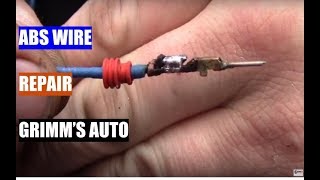
Typical fix: Repair the damaged section of wire or replace the pigtail connector. 🎬 See how to properly repair damaged wheel speed sensor wiring. In some cases, the entire front ABS wheel speed sensor wire harness (GM Part #25818498) may need replacement. Applying dielectric grease to the connector can help prevent future corrosion.
Est. part cost: $25-$75
Rare But Worth Checking
- Failed Electronic Brake Control Module (EBCM): → Shop ABS Control Module This is rare. The EBCM is the computer that controls the ABS. It should only be considered after definitively ruling out the hub assembly and wiring. If the EBCM were faulty, it would typically be accompanied by other codes (like C0040, C0045 simultaneously) or a loss of communication with the scan tool.
- Metallic Debris on Magnetic Encoder Ring: Sometimes, metallic debris can stick to the magnetic face of the hub's encoder ring, disrupting the sensor's reading. While cleaning is possible, it's often a sign of a failing bearing, and the problem may return. Replacement of the hub is the more permanent solution.
Diagnosis Steps
- Connect an ABS-capable scan tool to the vehicle.
- Confirm the presence of code C0035. Note any other codes or two-digit sub-codes (e.g., C0035 5A), which provide more specific diagnostic information.
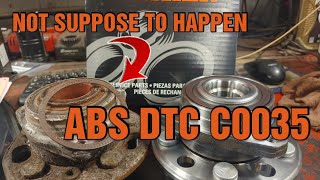
- Use the scan tool to view live data from all four wheel speed sensors. 🎬 Watch a technician diagnose code C0035 using live scan data.
- Drive the vehicle slowly (under 10 mph) and observe the readings. Confirm that the Left Front sensor reads 0 MPH or has a signal that is erratic or significantly different from the other three.
- Raise and secure the front of the vehicle. Visually inspect the wiring harness for the left front wheel speed sensor for any obvious damage, chafing, or loose connections from the hub to where it enters the main loom.
- Disconnect the sensor's electrical connector and inspect the pins for corrosion or damage. Clean if necessary and apply dielectric grease.
- If wiring appears intact, spin the left front wheel by hand while monitoring the scan tool. A good sensor should show a few MPH. If the signal is absent or jumps erratically, the hub assembly is the primary suspect.
- For advanced diagnosis, use a multimeter or oscilloscope to back-probe the sensor connector and verify power, ground, and signal integrity while spinning the wheel.
- If the wiring and connector are good, but the signal is bad, replace the left front wheel hub bearing assembly.
- Clear the codes and perform a test drive to ensure the warning lights do not return.
Parts You'll Likely Need
- Front Wheel Hub Bearing Assembly (Left)
(OEM #GM 20786309 (Replaces 15897599, 25819593))— This is the most common failure. The wheel speed sensor is integrated into this assembly and cannot be replaced separately on this vehicle.
Trusted brands: ACDelco (Professional Grade: 513276), Timken (513276), MOOG (513276), SKF (BR930476), Duralast (DL513276)
OEM price range: $200-$300
Aftermarket price range: $90-$180 - Front ABS Wheel Speed Sensor Wire Harness (Left)
(OEM #25818498)— If a visual inspection reveals damage to the wiring or connector, this harness will be needed for the repair. It is a common failure point due to exposure and flexing.
Trusted brands: ACDelco (GM Genuine), Dorman, Standard Motor Products (ALS1465)
OEM price range: $50-$75
Aftermarket price range: $25-$45
Related Codes That Often Appear With This One
- C0035 00: Left Front Wheel Speed Sensor Circuit Malfunction (a common sub-code).
- C0035 5A: Signal Plausibility Failure. The EBCM sees a signal, but it doesn't make sense compared to other vehicle sensors.
- C0035 18: Signal Amplitude Low. The signal from the sensor is too weak for the EBCM to read reliably.
Technical Service Bulletins (TSBs) & Recalls
- GM TSB 16-NA-298: Mentions that a spike or drop in a wheel speed sensor signal can cause ratchet or grind noises from the front of the vehicle as the EBCM primes the pump, a symptom sometimes associated with a failing sensor before a code is permanently set.
- GM TSB 08-05-22-009C: While for brake light issues on other GM models, it details the problem of fretting corrosion in BCM connectors causing electrical faults. This is relevant context for diagnosing electrical issues on a GM-platform vehicle of this era.
Platform-Specific Known Issues
- High Failure Rate of Wiring Harness: Many owners and technicians report that the wiring harness pigtail fails more often than the hub itself. The wires can break internally near the connector from constant flexing with the suspension, even with no visible external damage. It is highly recommended to inspect and test the harness thoroughly before replacing the hub.
- GM TSB on Connector Fretting Corrosion: General Motors has issued service bulletins (e.g., 08-05-22-009C) for other vehicles of the same era regarding fretting corrosion in module connectors, including the BCM. This condition creates high resistance and can cause intermittent signal loss for various sensors. While not specific to the XL-7's ABS harness, it highlights a known issue with GM connectors of this period. Applying dielectric lubricant during repairs is a recommended preventative measure.
Mechanic-Grade Diagnostic Values
- Wheel Speed Sensor Resistance — expected: 800 - 2,000 Ohms (Ω). Failure: An open circuit (infinite resistance) or a reading significantly outside the expected range. Compare with the known-good sensor on the other side of the vehicle.
- Wheel Speed Sensor Signal Voltage (Active Sensor) — expected: This is an active sensor that produces a square wave. With the key on, one wire should have 12V power, and the other is the signal wire.. Failure: Using an oscilloscope, the signal wire should show a clean square wave that increases in frequency as the wheel is spun. A missing, erratic, or weak signal indicates a problem.
- EBCM Diagnostic Voltage Thresholds — expected: Normal operating voltage for the sensor circuit.. Failure: A short to voltage is flagged if both signal and return circuits are > 4.25V. A short to ground is flagged if both are < 0.75V. An open circuit is flagged if the signal circuit is > 4.25V and the return is < 0.75V.
Hidden / Shadow Codes Worth Checking
- C0035 0F: Signal Erratic. The EBCM has detected an inconsistent, jumping, or dropping signal for a very short duration (e.g., 0.17 seconds). This often points to a failing magnetic encoder ring or wiring issue. (see via Professional scan tool (like GM GDS2/Tech2) capable of reading ABS module symptom codes.)
Scan Tool Commands That Help
- GM GDS2 / Tech2: Live Data - Wheel Speed Sensors — This is the most crucial diagnostic step. It allows a technician to view the speed data from all four wheels in real-time while driving. This will immediately show if the left front sensor is reading 0, lagging behind, or providing an erratic signal compared to the other three wheels.
- GM GDS2 / Tech2: Clear DTCs — After the repair is completed, the fault code must be manually cleared from the Electronic Brake Control Module (EBCM). Unlike some engine codes, ABS faults often do not clear just by cycling the ignition.
Wiring & Ground Locations
- Electronic Brake Control Module (EBCM) — Below the brake master cylinder in the engine compartment.. This module receives and interprets the signal from the wheel speed sensor. All diagnostic wiring tests for the sensor circuit will ultimately lead back to the connector at this module.
- G103 — At the left side of the engine compartment.. This is a primary ground point in the engine bay. While not exclusively for the EBCM, a poor connection here can cause a variety of electrical issues, including unstable voltage for the brake control module, potentially leading to sensor fault codes.
- Wheel Speed Sensor Connector — At the wheel hub, connecting the integrated hub sensor to the vehicle's wiring harness pigtail.. This connector is a primary point of failure due to its exposure to moisture, road salt, and vibration. It should be the first place to inspect for corrosion or damage after confirming the code.
Real Owner Repair Stories
- YouTube user comment/video (GM Vehicle with C0035 (similar platform)) — ABS and Traction Control lights on, code C0035 stored.
❌ Tried (didn't work) Initial assumption was a failed wheel hub/bearing assembly.
✅ What actually fixed it Upon visual inspection, the wiring harness connector for the wheel speed sensor was found to be unplugged. The retaining clip had broken. Plugging the connector back in and securing it with a zip tie resolved the issue completely. - YouTube - Carl's Garage (Chevy Silverado (similar GM ABS system)) — ABS light on, ABS pump activates inappropriately at low speeds, code C0035.
❌ Tried (didn't work) Attempting to remove the sensor for cleaning resulted in it breaking off inside the hub due to rust.
✅ What actually fixed it The root cause was severe rust buildup under the sensor mounting point, which physically pushed the sensor away from the reluctor ring, increasing the air gap and causing a weak/erratic signal at low speeds. The final fix was to replace the entire wheel hub assembly, which came with a new sensor.
OEM Part Supersession History
15941740→25818498— Part number consolidation and potential design updates by GM.
Diagnostic Flowchart
Used vs. New Parts: Buying Guide for This Vehicle
When a used part is the smart pick: A used part is generally NOT recommended for the wheel hub assembly due to the integrated bearing being a wear item. However, sourcing a used EBCM or a section of the ABS wiring harness from a low-mileage, non-corroded donor vehicle can be a cost-effective option if those specific components are diagnosed as faulty.
Donor-vehicle mileage cap: roughly under 80000 miles for the part to have meaningful remaining life.
What to inspect on the donor part:
- For Wiring Harness: Check for intact insulation, no signs of brittleness, cracking, or previous repairs. Ensure connectors are clean with no bent or corroded pins.
- For EBCM: Look for a donor vehicle from a dry climate to minimize chances of internal corrosion. Ensure the part number matches exactly. Note that some modules may require programming to the vehicle's VIN.
- Verify the donor vehicle did not have existing ABS or electrical fault codes.
OEM-only on this vehicle (don't cheap out):
- While not strictly 'OEM-only', using a reputable, high-quality brand for the wheel hub assembly is critical. Cheap, unbranded hubs are known for premature bearing failure and inaccurate sensor readings.
Aftermarket brands forum-validated for this vehicle:
- Timken (for hub assemblies)
- MOOG (for hub assemblies)
- ACDelco (Professional or GM Genuine for hub and wiring)
- SKF (for hub assemblies)
Brands owners have reported issues with on this vehicle:
- Generic, no-name, or 'white box' hub assemblies from online marketplaces are frequently cited in forums as having high failure rates, sometimes within months of installation.
Real Owner Stories
Aggregated from forums and TSBs cited above. Mileages and costs reflect what owners reported in those sources.
2008 Chevrolet Equinox
Symptoms: The StabiliTrak light was on, and the vehicle had codes C0035 and a steering angle sensor code.
What fixed it: The fix for the C0035 was replacing the front left wheel bearing, which resolved the StabiliTrak light.
Source hint: Video: Possible reason why stabilitrak light is on. Chevy equinox, GMC Terrain...
2009 Chevrolet Equinox
Symptoms: ABS codes C0035, C0040, and C0045 appeared instantly and simultaneously.
What fixed it: The forum consensus pointed towards a failing EBCM or a major wiring/ground issue, as it's unlikely for multiple sensors to fail at the same time. The fix was to investigate these central components rather than individual hubs.
Source hint: 09 Equinox ABS codes c0035 c0040 c0045 instantly/simultaneously
2007-2009 Suzuki XL-7
Symptoms: A ratchet or grind noise was heard from the front of the vehicle, sometimes before the C0035 code was permanently set.
What fixed it: This noise is caused by the EBCM priming the pump due to a spike or drop in the wheel speed sensor signal. The fix is to address the root cause, which is typically the failing left front wheel hub assembly or its wiring.
Source hint: GM TSB 16-NA-298
2007-2009 Suzuki XL-7
Symptoms: The C0035 code was present, but a new hub assembly did not fix the problem.
What fixed it: The issue was found to be the wiring harness pigtail. The wires had broken internally near the connector from constant flexing with the suspension, even with no visible external damage. Repairing or replacing the harness resolved the code.
Source hint: High Failure Rate of Wiring Harness
Related OBD-II Codes
Frequently Asked Questions
My 2008 XL-7 is making a grinding or clicking noise from the front at low speeds. Is this related to the C0035 code?
Should I replace the wheel hub assembly or the wiring harness first for a C0035 code on my XL-7?
I have a C0035 code, but my friend's Chevy Equinox has the exact same problem. Are they related?
What is 'fretting corrosion' and could it be the cause of my C0035 code?
How can I be sure the left front wheel hub is bad before I buy a new one?
Is it okay to use a cheap, unbranded wheel hub assembly to fix my XL-7?
Helpful Videos
Used OEM Parts in Stock
New Aftermarket Parts Available


The information in this article is provided for general reference and educational purposes only. Vehicle specifications, procedures, and part compatibility can vary by production date, trim level, and region. Always consult your vehicle's factory service manual and verify part numbers before purchasing or performing repairs. Safety-critical components such as airbags, seat belts, and braking systems should be installed by a qualified professional.
- Suzuki XL-7:
- 🧭 Diagnostic Flowchart
- 🎬 Helpful Videos
- 🛍️ Shop This Part
- What's Unique About the 2007-2009 Suzuki XL-7
- Symptoms You May Notice
- Most Likely Causes
- Rare But Worth Checking
- Diagnosis Steps
- Parts You'll Likely Need
- Related Codes That Often Appear With This One
- Technical Service Bulletins (TSBs) & Recalls
- Platform-Specific Known Issues
- Mechanic-Grade Diagnostic Values
- Hidden / Shadow Codes Worth Checking
- Scan Tool Commands That Help
- Wiring & Ground Locations
- Real Owner Repair Stories
- OEM Part Supersession History
- Used vs. New Parts: Buying Guide for This Vehicle
- Real Owner Stories
- 2008 Chevrolet Equinox
- 2009 Chevrolet Equinox
- 2007-2009 Suzuki XL-7
- 2007-2009 Suzuki XL-7
- Related OBD-II Codes
- Frequently Asked Questions
- 🎟️ Get 5% Off