

C0045 on 2008-2016 Audi A4: Left Rear Wheel Speed Sensor Circuit Fixes
Code C0045 on a 2008-2016 Audi A4 most often means the left rear ABS wheel speed sensor has failed or its wiring is damaged. A replacement sensor costs between $20 and $90, and it's a common DIY fix. Before replacing the sensor, it is critical to inspect the wiring harness, especially where it passes through a bulkhead grommet, as this is a known failure point described in an Audi TSB.
- C0045 almost always points to an issue with the left rear wheel's ABS sensor, its wiring, or the wheel hub.
- Your ABS and stability control will not work until this is fixed. Drive with caution.
- Before replacing the sensor, carefully inspect the wiring harness for damage, especially near the firewall grommet, as this is a known issue on the Audi A4.
- Use a scan tool with live data to confirm the fault is with the left rear wheel before buying parts.
- The most likely fix is a new ABS sensor, which is an affordable and accessible DIY repair for many.
What's Unique About the 2008-2016 Audi A4
For the B8 generation Audi A4 (2008-2016), this code is frequently a straightforward sensor or wiring issue. However, Audi issued a Technical Service Bulletin (TSB 45 13 07 2033412/2) indicating that wheel speed sensor wiring can be damaged where it passes through a bulkhead grommet on the left side of the vehicle. This production-related issue can lead to chafed insulation, corrosion, and an open circuit, perfectly mimicking a failed sensor. Therefore, a thorough wiring inspection is crucial before replacing parts on these specific models and their platform mates (A5, Q5).
Generation note: The 2008-2016 year range covers the B8 generation of the Audi A4, which includes the pre-facelift (2008-2012) and B8.5 facelift (2013-2016) models. The causes and fixes for C0045 are generally the same across this entire generation and its platform mates like the A5 and Q5.
Symptoms You May Notice
- ABS warning light is on
- Electronic Stability Control (ESC / ASR) warning light is on
- Traction control is disabled
- Electronic Parking Brake (EPB) malfunction light may appear
- Tire Pressure Monitoring System (TPMS) warning may appear
- Headlight range control warning may appear
- Cruise control may be disabled
- Replacing the wheel bearing/hub when only the inexpensive sensor was faulty.
- Replacing the ABS sensor when the actual problem is a broken or corroded wire further up the harness, as described in the Audi TSB.
Most Likely Causes
- Failed Left Rear Wheel Speed Sensor 🔴 High Probability → Shop ABS Wheel Speed Sensor The sensor is exposed to road debris, water, and salt, leading to internal failure or corrosion over time. It is a common failure item on many vehicles for this reason.
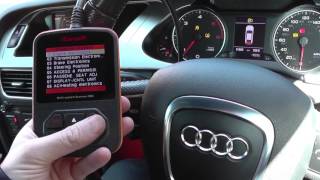
How to confirm: Using a scan tool (like VCDS for Audis), check live data for the left rear wheel. If it reads 0 mph while others show speed, the sensor is likely bad. You can also test the sensor's internal resistance with a multimeter; an open or shorted reading indicates failure. On some models, you can swap the left and right rear sensors to see if the fault code follows the sensor.
Typical fix: Replace the left rear wheel speed sensor. 🎬 Watch: How to replace the sensor and clear warning lights. This usually involves removing one bolt and unplugging the electrical connector. The sensor can sometimes seize in the wheel bearing housing and require careful extraction.
Est. part cost: $20 - $90 - Damaged or Corroded Wiring/Connector 🟡 Medium Probability Audi TSB 2033412/2 specifically notes that wiring insulation can be damaged where it passes through a bulkhead grommet, leading to corrosion. The harness near the wheel is also exposed to the elements and suspension movement, which can cause chafing or breaks over time. Forum users have also reported finding corroded connectors behind interior panels.
How to confirm: Visually inspect the entire wiring harness from the sensor to the ABS module. Pay close attention to the connector for corrosion or bent pins and the area around the left bulkhead grommet 🎬 See how to find and fix a broken ABS wire. for chafed wires. Perform a continuity test on the wires between the sensor connector and the ABS module connector with a multimeter to check for opens or shorts.
Typical fix: Repair the damaged section of wiring using an approved wiring repair kit. If the connector is corroded, it may need to be cleaned or replaced with a pigtail connector.
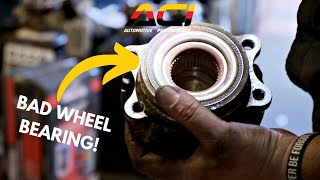
Est. part cost: $15 - $50 for a pigtail connector - Damaged/Dirty Wheel Bearing Hub Assembly (Tone Ring) ⚪ Low Probability The magnetic encoder ring, which the sensor reads, is integrated into the wheel bearing/hub assembly on the B8 A4. Severe corrosion can cause the ring to delaminate or accumulate metallic debris, disrupting the sensor's signal. A failing wheel bearing can also introduce excessive play, altering the air gap between the sensor and the ring.
How to confirm: After removing the wheel speed sensor, visually inspect the magnetic encoder ring inside the hub for rust buildup, cracks, debris, or physical damage. A grinding or humming noise while driving is a classic sign of a failing wheel bearing.
Typical fix: Replace the entire rear wheel bearing/hub assembly. 🎬 Watch this step-by-step guide to replacing the rear wheel bearing.
Est. part cost: $60 - $200
Rare But Worth Checking
- Faulty ABS Control Module: → Shop ABS Control Module This is the least likely cause and should only be considered after all other possibilities (sensor, wiring, hub) have been thoroughly ruled out. A faulty module is an expensive replacement, though some forum members have noted bad solder joints internally as a potential issue.
Diagnosis Steps
- Connect an OBD-II scanner capable of reading ABS codes (like VCDS or OBDeleven) to confirm C0045 is present and check for any other related codes.
- Use the scanner's live data function to monitor all four wheel speed sensors while driving slowly or spinning the wheel by hand. Confirm the left rear sensor reads 0 or an erratic value while the others report speed correctly.
- Safely raise and support the vehicle. Remove the left rear wheel.
- Visually inspect the ABS wheel speed sensor and its connector for any obvious damage, corrosion, or loose connections.
- Follow the wiring harness from the sensor as far as possible, looking for chafing, breaks, or corrosion. Pay special attention to the area near the bulkhead grommet as noted in TSB 2033412/2.
- If the wiring looks good, remove the sensor (typically one bolt) and inspect the sensor tip and the magnetic encoder ring inside the hub for metallic debris, rust, or damage.
- If no visual faults are found, test the wiring for continuity between the sensor connector and the ABS module connector. On a B8 A4, the left rear sensor wires often go to pins 12 and 31 of the ABS module connector.
- If the wiring tests good, the most likely culprit is the sensor itself. Replace the sensor.
- If a new sensor does not fix the issue and the wiring is confirmed to be good, the problem may be with the wheel bearing/hub assembly's integrated encoder ring.
- If all components test good, the final and least likely possibility is a faulty ABS control module.
Parts You'll Likely Need
- Rear ABS Wheel Speed Sensor
(OEM #WHT003859A)— This is the most common failure point for code C0045. It is a relatively fragile electronic component exposed to harsh conditions. The original part number WHT003859 has been superseded multiple times.
Trusted brands: Bosch, Delphi, Meyle, Febi, VEMO
OEM price range: $70-$100
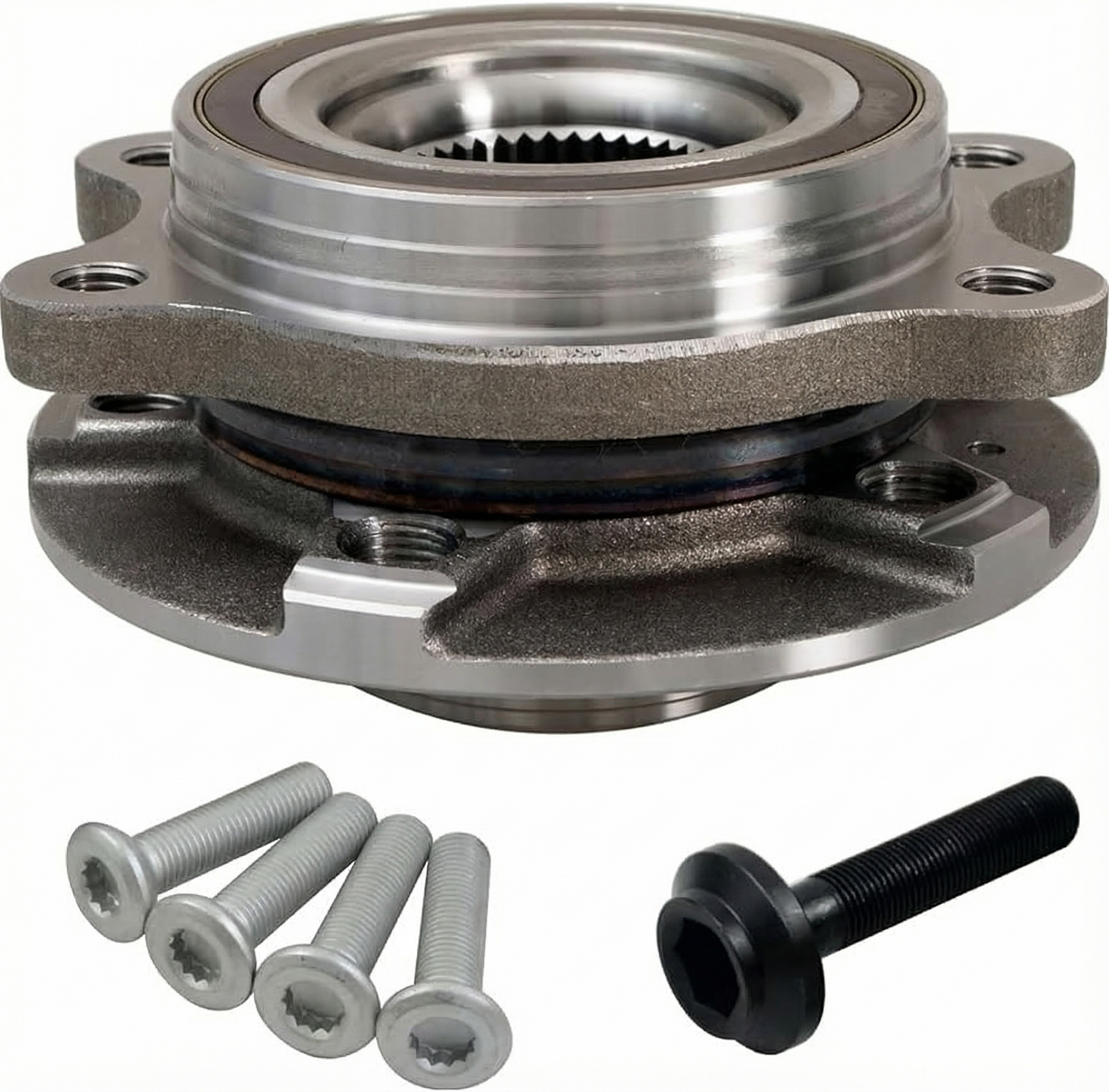
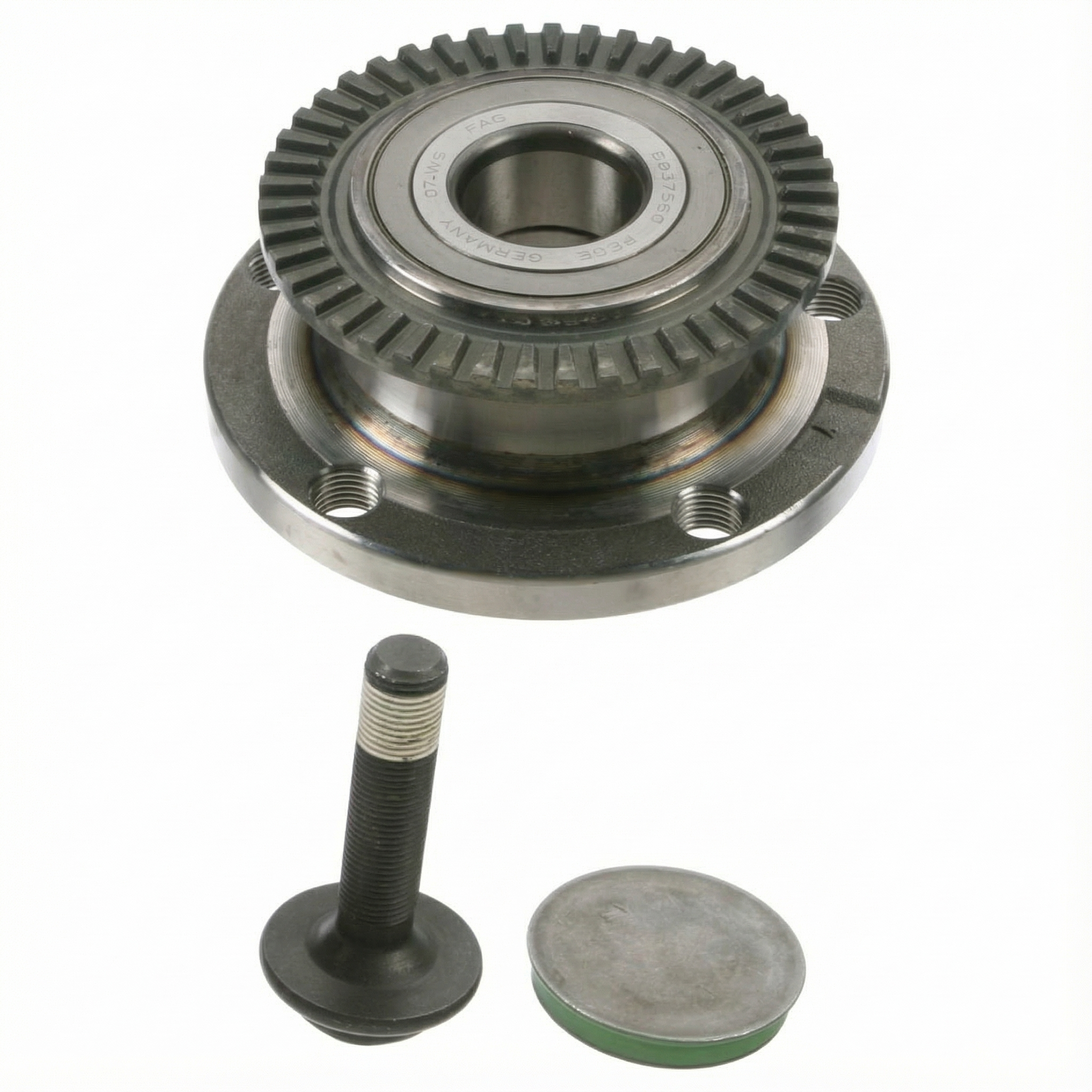
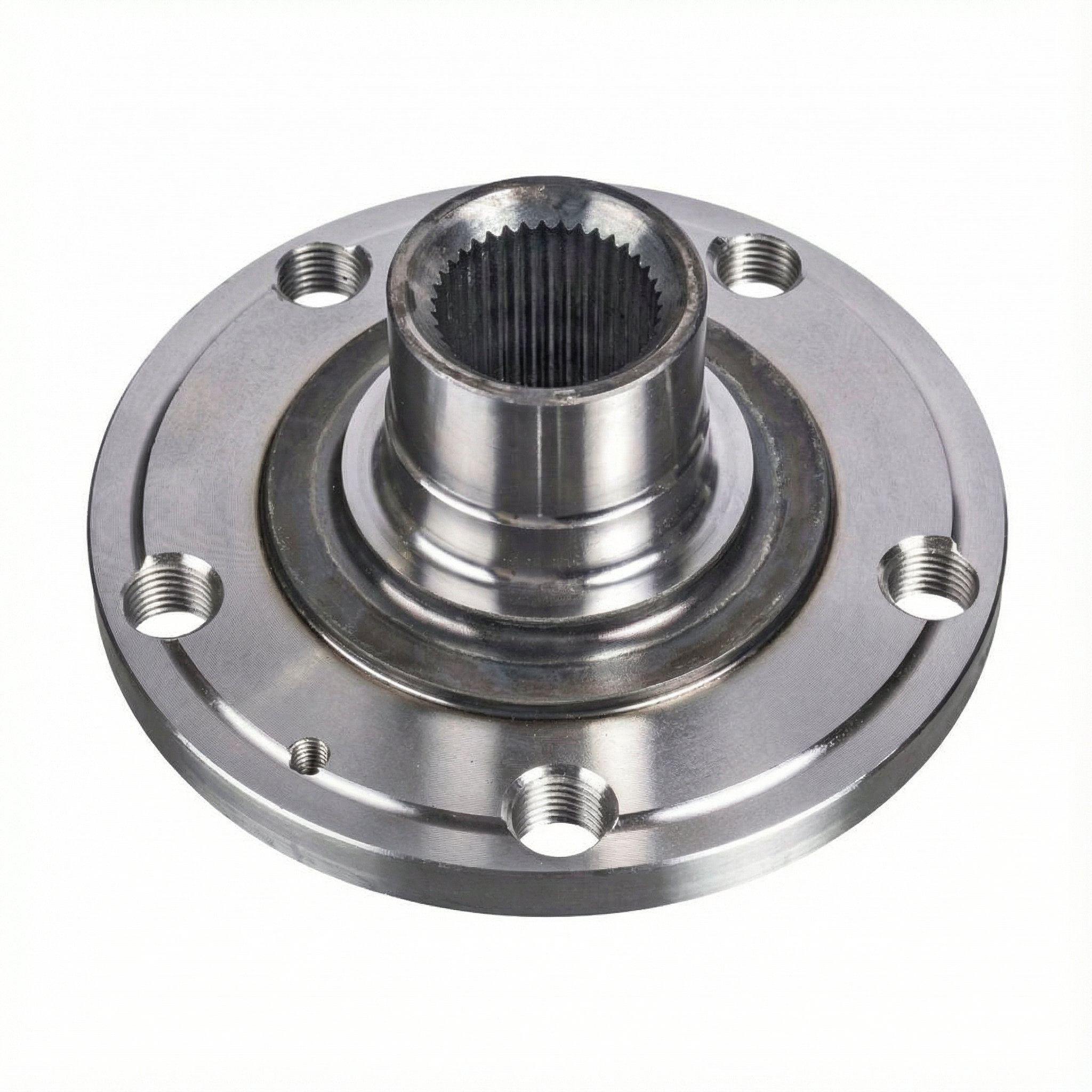
Aftermarket price range: $20-$50 - Rear Wheel Bearing and Hub Assembly
(OEM #8K0598611)— Replaced if the integrated magnetic encoder ring is damaged or if the bearing itself has failed, causing play that affects the sensor reading.
Trusted brands: FAG, SKF, Meyle
OEM price range: $150-$250
Aftermarket price range: $60-$150 - ABS Sensor Connector Pigtail — Needed if the connector at the sensor is damaged or too corroded to provide a reliable connection.
Trusted brands: Dorman, Standard Motor Products
OEM price range: $N/A
Aftermarket price range: $15-$40
Related Codes That Often Appear With This One
- C0046 — This code is for an erratic signal from the same sensor, often pointing to a damaged tone ring or wiring issue rather than a complete sensor failure.
- U0121 — This indicates a loss of communication with the ABS module, which can be triggered by internal module faults or the wiring issues described in Audi's TSB.
- 00290 — This is the VAG-specific fault code for the Left Rear ABS Wheel Speed Sensor (G46), which is the same fault as C0045.
Technical Service Bulletins (TSBs) & Recalls
- 2033412/2 / SB-10054858-8992 / 45 13 07: Addresses damaged ABS wheel speed sensor wiring at the left bulkhead grommet causing various ABS/ESC faults.
Platform-Specific Known Issues
- TSB 2033412/2 (also listed as SB-10054858-8992 or TSB 45 13 07) points to a manufacturing issue where the ABS wheel speed sensor wiring insulation can be damaged as it passes through the left bulkhead grommet, leading to corrosion and circuit faults over time. This TSB applies to 2009-2014 A4, S4, A5, S5, and Q5 models.
Documented NHTSA Reports
While C0045 is a standard code for the left rear wheel speed sensor on Audi vehicles, records from other manufacturers highlight how this code can manifest. For instance, NHTSA ODI #11219167 describes a case where a broken encoder ring necessitated the replacement of both the speed sensor and the rear hub assembly. In another instance, NHTSA ODI #11165895 notes that a service center reported C0045 and recommended replacing the hub bearing assembly, though the owner observed that solutions for this code can vary significantly. Furthermore, NHTSA ODI #10382746 shows that C0045 can appear alongside other chassis codes like C0057 and C0231, sometimes requiring software reprogramming. Finally, NHTSA ODI #11399819 illustrates that C0045 may occasionally be found in conjunction with fuel system codes like P0463 and P069E on certain vehicle platforms.
Mechanic-Grade Diagnostic Values
- Passive Wheel Speed Sensor Resistance — expected: 850 - 1350 Ohms. Failure: An open circuit (infinite resistance) or a short circuit (near zero resistance) indicates a failed sensor.
- Passive Wheel Speed Sensor AC Voltage Output — expected: Greater than 100mV AC when the wheel is spun by hand.. Failure: No voltage or very low voltage when the wheel is spinning points to a failed sensor or a problem with the magnetic ring.
Scan Tool Commands That Help
- VCDS (VAG-COM): Measuring Blocks - Group 001 in ABS Module — This function allows for live data monitoring of all four wheel speed sensors simultaneously. When driving in a straight line, all four readings should be nearly identical. A reading of '0 km/h' or a value that is erratic compared to the others for the left rear sensor (G46) confirms the fault is isolated to that corner.
- VCDS (VAG-COM): ABS Module Auto-Scan — Performing a full auto-scan will not only confirm the C0045 (00290) fault but also reveal other related DTCs in modules like the Engine, Central Electronics, or Parking Brake, which can provide context to the failure (e.g., communication errors).
Wiring & Ground Locations
- ABS Module Connector (T47 or T38a) — Located on the ABS pump/module assembly in the engine bay, typically on the driver's side near the firewall.. This is the termination point for the sensor wiring. A continuity test should be performed from the sensor connector back to these pins. A wiring diagram shows the Left Rear Speed Sensor (G46) wires connect to Pin 12 (Black) and Pin 31 (Brown) of the 38-pin connector.
- Ground Point 639 — Located on the left A-pillar.. This is a primary earth point for the main wiring harness and is referenced in the ABS wiring diagrams. A poor connection here could cause various electrical issues, including erratic sensor readings.
- Ground Point G12 — Located at the center of the firewall in the engine bay.. This ground point serves the brake system vacuum pump among other components. While not a direct ground for the ABS module itself, poor grounding in this area can introduce electrical noise that may affect sensitive systems.
Real Owner Repair Stories
- AudiWorld Forums user 'Veikra' (Audi A4 (B8 platform implied)) — ABS light, headlight range defective warning.
❌ Tried (didn't work) Replacing the wheel speed sensor., Replacing the sensor connector., Initial visual inspection of the harness near the module.
✅ What actually fixed it The user performed a continuity test which passed, but then dug deeper into the wiring harness. They found deteriorated and shorting wires further down the loom from the initial inspection point. Repairing this damaged section of the harness finally resolved the codes.
OEM Part Supersession History
1K0927807A→WHT003859A, then WHT003859B, then WHT003859D— Part revisions by the manufacturer to improve reliability or change suppliers.
Heads up: The latest part number, WHT003859D, is generally backward compatible. However, it is critical to use the correct part for the left vs. right side, as they are often physically mirrored and have different part numbers. WHT003859A is specified for the rear left.
Model Year Variations Within This Range
- 2008-2012 (B8) vs 2013-2016 (B8.5): The core ABS system and sensor function for C0045 remain the same. However, the B8.5 facelift introduced electromagnetic steering instead of the B8's hydraulic steering. This change means the power steering module and its integration with the ABS/ESC system are different. While unlikely to be a direct cause for a single sensor fault like C0045, it's a notable system-level difference if multiple chassis-related codes are present.
Diagnostic Flowchart
Other Known Issues on This Vehicle
Issues unrelated to this code that are worth knowing about as an owner of this generation:
- Excessive Oil Consumption (2.0T Engine) 🔴 High — Very common on 2009-2011 2.0T (CAEB engine code) models. Caused by faulty piston ring design. Consumption can be as high as 1 quart every 300-500 miles. (Ref: A class-action lawsuit led to an extended warranty program, but it has since expired for most vehicles. The fix involves new pistons and rings.)
- Timing Chain Tensioner Failure (2.0T Engine) 🔴 High — Common on pre-2013 2.0T engines with the original tensioner design. Failure can occur without warning, typically between 60k-120k miles, leading to catastrophic engine damage. (Ref: No official recall, but an updated tensioner part was released. There was a class-action lawsuit settlement for this issue as well.)
- Premature Water Pump Failure (2.0T Engine) 🟠 Medium — The plastic housing of the water pump can become brittle and crack, leading to coolant leaks. Failure is common around 60k-100k miles.
- Front Control Arm Bushing Wear 🟠 Medium — The rubber bushings in the multi-link front suspension wear out, causing clunking noises, poor handling, and uneven tire wear. Typically requires attention between 80k-120k miles.
- PCV Valve / Oil Separator Failure 🟡 Low — The diaphragm in the PCV valve can tear, causing a high-pitched whistling noise at idle, rough running, and contributing to oil consumption. It's a relatively common and inexpensive fix.
Used vs. New Parts: Buying Guide for This Vehicle
When a used part is the smart pick: A used ABS control module can be a cost-effective option, potentially saving hundreds of dollars over a new unit. However, it's crucial to match the part number exactly, including any suffix letters, as they are often coded to the car's specific options (e.g., ESP, all-wheel drive). A used wiring harness pigtail is also a viable repair option if the connector is damaged.
Donor-vehicle mileage cap: roughly under 80000 miles for the part to have meaningful remaining life.
What to inspect on the donor part:
- For an ABS module, ensure the connector pins are clean, straight, and free of any corrosion.
- Check the module housing for any signs of physical damage or evidence that it has been opened.
- For a wiring harness, inspect for brittle insulation, previous repairs (tape, butt connectors), and corrosion within the connector.
- Source the part from a vehicle in a dry, salt-free climate if possible to minimize corrosion risk.
OEM-only on this vehicle (don't cheap out):
- While not strictly 'OEM-only', replacing the ABS control module requires careful part number matching. Using a part with the wrong number can lead to system incompatibility and persistent warning lights. Some used modules may also require recoding with a tool like VCDS to match the vehicle's configuration.
Aftermarket brands forum-validated for this vehicle:
- Bosch (often the OEM supplier)
- ATE (OEM supplier for many German brake systems)
- FAG (for wheel bearings/hubs)
- SKF (for wheel bearings/hubs)
Brands owners have reported issues with on this vehicle:
- Unnamed, no-brand 'white box' sensors from online marketplaces can have high failure rates or provide inaccurate readings, leading to the code returning shortly after repair.
Real Owner Stories
Aggregated from forums and TSBs cited above. Mileages and costs reflect what owners reported in those sources.
2009 Audi A4 B8 3.0TDI Quattro
Symptoms: A cascade of faults including ABS problems and multiple electronic errors.
What fixed it: Inspection of the wiring harness and connectors; the source notes that corroded connectors are sometimes found behind interior panels or damaged at the bulkhead grommet.
Source hint: Ross-Tech Forums thread titled 'ABS problems with loads of faults A4 B8 3.0tdi q auto'
2012 Audi A4
Symptoms: ABS/ESC faults caused by damaged wiring insulation leading to corrosion and circuit faults.
What fixed it: Repairing the damaged section of wiring at the left bulkhead grommet using an approved wiring repair kit.
Source hint: TSB 2033412/2 / SB-10054858-8992 / 45 13 07
Cadillac SRX Owner (Cross-Manufacturer Reference)
Symptoms: ABS stability code C0045 appeared at 96,020 miles.
What fixed it: The owner found the left rear wheel speed sensor encoder ring was broken and resolved the issue by replacing the speed sensor and the rear hub assembly (NHTSA ODI #11219167).
Chevrolet Equinox Owner (Cross-Manufacturer Reference)
Symptoms: Warning lights would illuminate for varying durations, from seconds to minutes.
What fixed it: A service center reported code C0045 and recommended replacing the left rear hub bearing assembly (NHTSA ODI #11165895).
Related OBD-II Codes
Frequently Asked Questions
Does TSB 2033412/2 apply to my 2012 Audi A4 regarding the C0045 code?
Why is my Audi A4 showing a Headlight Range Control warning along with the ABS light?
Can I just replace the magnetic ring on my A4's rear axle if it's dirty or damaged?
Is there a way to confirm the sensor is bad before I buy a new one for my A4?
Where is the most common place for wiring failure on the A4 for code C0045?
Will a C0045 code affect my Audi's Electronic Parking Brake (EPB)?
Helpful Videos

We Have This Part in Stock

The information in this article is provided for general reference and educational purposes only. Vehicle specifications, procedures, and part compatibility can vary by production date, trim level, and region. Always consult your vehicle's factory service manual and verify part numbers before purchasing or performing repairs. Safety-critical components such as airbags, seat belts, and braking systems should be installed by a qualified professional.
- Audi A4:
- 🧭 Diagnostic Flowchart
- 🎬 Helpful Videos
- 🛍️ Shop This Part
- What's Unique About the 2008-2016 Audi A4
- Symptoms You May Notice
- Most Likely Causes
- Rare But Worth Checking
- Diagnosis Steps
- Parts You'll Likely Need
- Related Codes That Often Appear With This One
- Technical Service Bulletins (TSBs) & Recalls
- Platform-Specific Known Issues
- Documented NHTSA Reports
- Mechanic-Grade Diagnostic Values
- Scan Tool Commands That Help
- Wiring & Ground Locations
- Real Owner Repair Stories
- OEM Part Supersession History
- Model Year Variations Within This Range
- Other Known Issues on This Vehicle
- Used vs. New Parts: Buying Guide for This Vehicle
- Real Owner Stories
- 2009 Audi A4 B8 3.0TDI Quattro
- 2012 Audi A4
- Cadillac SRX Owner (Cross-Manufacturer Reference)
- Chevrolet Equinox Owner (Cross-Manufacturer Reference)
- Related OBD-II Codes
- Frequently Asked Questions
- 🎟️ Get 5% Off