

C0045 on 2005-2010 Pontiac G6: Left Rear Wheel Speed Circuit Causes and Fixes
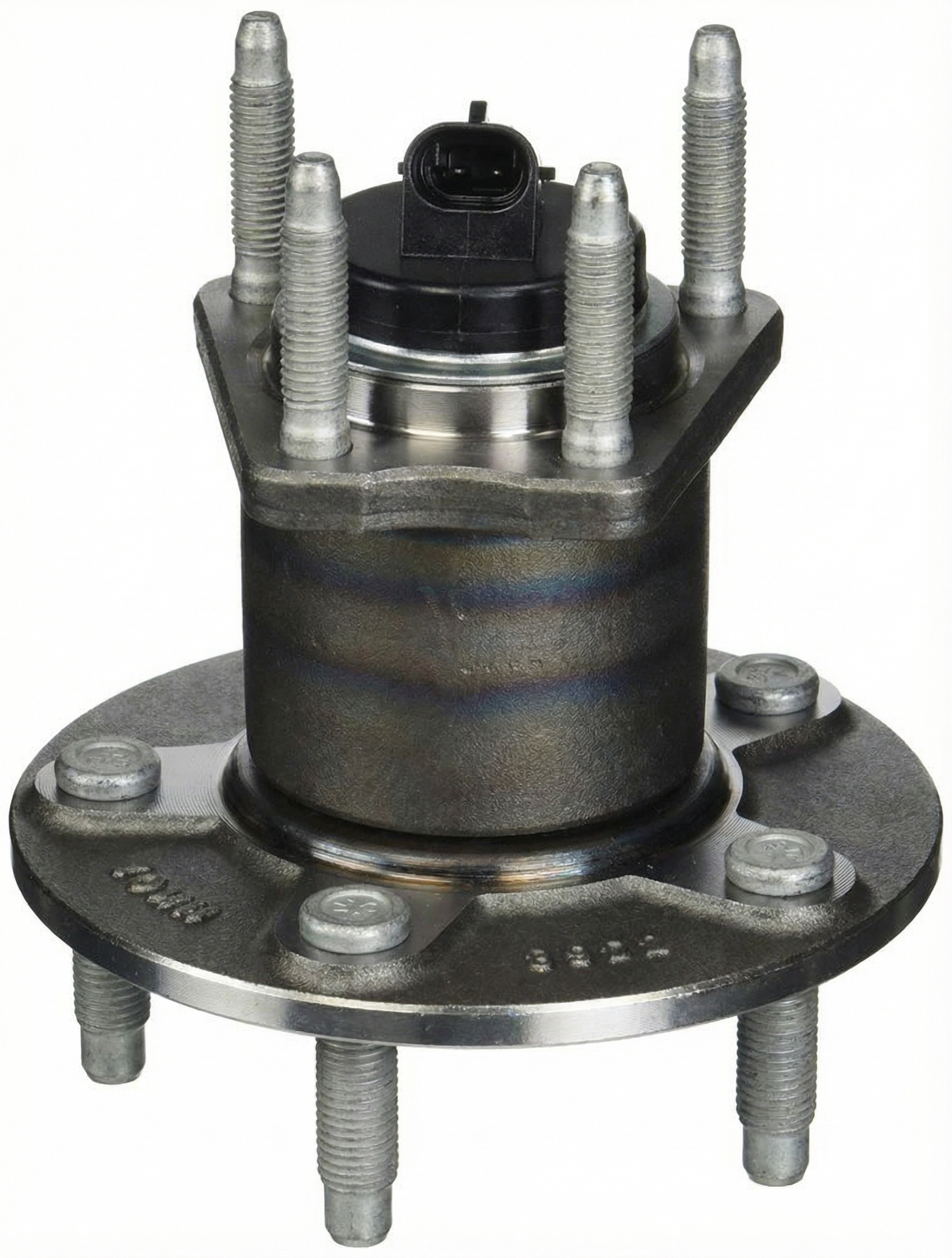
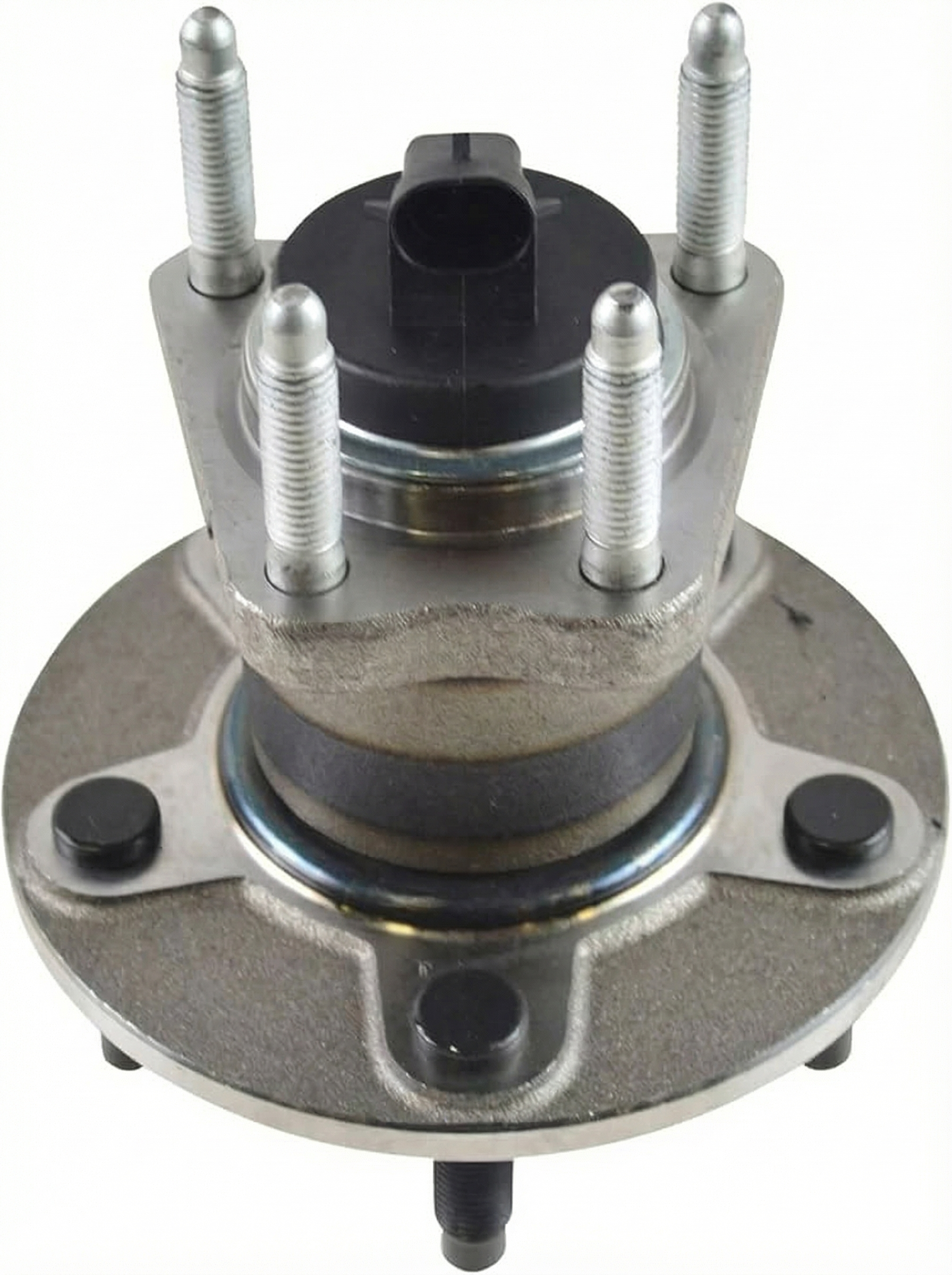
This code means there's a fault in the left rear wheel speed sensor circuit, which will disable your ABS and traction control. The most common fix is replacing the entire left rear wheel hub and bearing assembly, as the sensor is built into it. Before replacing the hub, always inspect the wiring harness and connector for damage or corrosion, as this is an equally frequent cause that can be fixed with a much cheaper pigtail connector.
- Code C0045 on a Pontiac G6 disables your ABS and traction control systems.
- The most common fixes are either repairing a damaged wire/connector or replacing the entire left rear wheel hub assembly.
- Always inspect and test the wiring harness for damage and continuity before buying an expensive hub assembly.
- The wheel speed sensor cannot be purchased as a separate part; it is built into the hub.
- Platform mates like the Chevy Malibu and Saturn Aura experience the exact same issue and can be used as a reference for repairs.
What's Unique About the 2005-2010 Pontiac G6
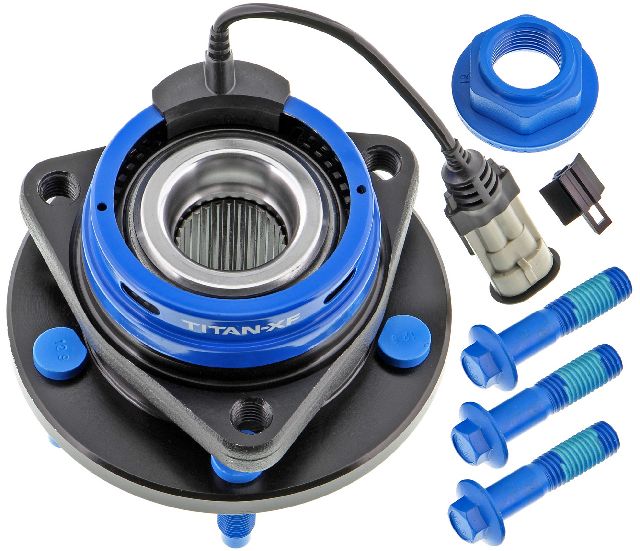
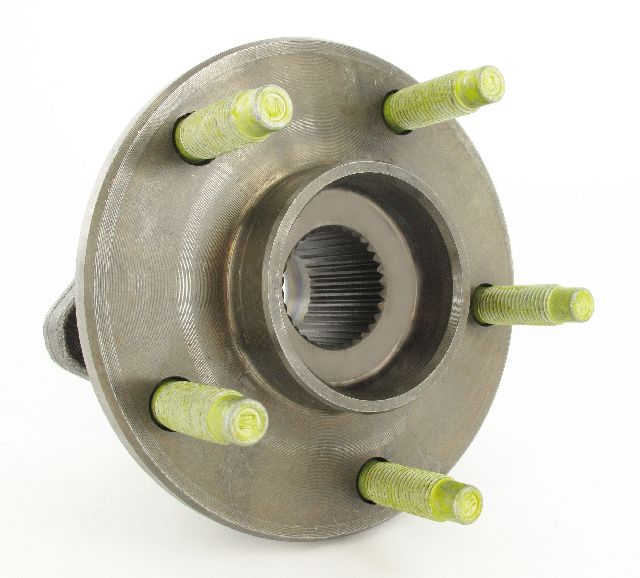
On the Pontiac G6 and its Epsilon platform mates, the rear wheel speed sensor is not a separate, replaceable part. Instead, it is integrated into the wheel hub and bearing assembly. This means that if the sensor itself or its magnetic tone ring fails, the entire hub assembly must be replaced. Additionally, GM vehicles of this era are known to be susceptible to wiring and connector issues, particularly from moisture and chafing near the wheel well. A thorough inspection of the harness is critical before condemning the hub.
Symptoms You May Notice
- ABS warning light illuminated
- Traction Control (TCS) warning light illuminated
- "Service Traction Control" or "Service ESC" message on the Driver Information Center (DIC)
- StabiliTrak warning light illuminated
- ABS system is disabled
- Traction and Stability Control are disabled
- In rare cases, a grinding or clicking noise from the front of the vehicle at low speeds as the EBCM primes for a stability event due to the erratic signal.
- Replacing the wheel hub assembly without first inspecting the wiring. A $20 pigtail fix could solve the problem, saving the cost and labor of a hub replacement.
- Replacing the wheel speed sensor pigtail without checking for continuity further up the harness. A break could be located anywhere between the wheel and the EBCM.
Most Likely Causes
- Damaged Wiring or Corroded Connector 🔴 High Probability The wiring harness is exposed to road debris, moisture, and salt, leading to chafing, broken wires, or corrosion in the connector pins. The harness section near the wheel well is a common failure point.
How to confirm: Perform a close visual inspection of the wiring harness from the wheel hub up into the vehicle body. Disconnect the connector and check for green or white corrosion, or backed-out pins. Wiggle the harness while monitoring the sensor's live data on a scan tool to see if the signal returns. Use a multimeter to check for continuity between the EBCM connector (pin 41 for signal, pin 42 for voltage) and the wheel sensor connector. Resistance should be less than 2 ohms.
Typical fix: Repair the damaged section of wire or replace the pigtail connector. Clean corroded terminals if possible, but replacement is often more reliable.
Est. part cost: $15-$50 for a pigtail connector - Failed Left Rear Wheel Hub & Bearing Assembly 🔴 High Probability → Shop Hub Assembly The wheel speed sensor and its magnetic encoder ring are integrated into the hub assembly. The sensor's internal electronics can fail, or the magnetic ring can crack, corrode, or become contaminated with metallic debris, leading to a bad signal. A report for a similar GM vehicle in NHTSA ODI #11219167 noted that the C0045 code was triggered specifically by a broken left rear wheel speed sensor encoder ring.
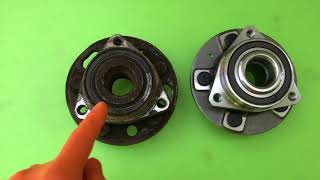
How to confirm: After confirming the wiring is good, use a scan tool to monitor live data for the left rear wheel speed while spinning the wheel. If the reading is zero or erratic compared to the other wheels, the hub assembly has failed. A visual inspection of the magnetic ring on the back of the hub may reveal cracks or missing sections.
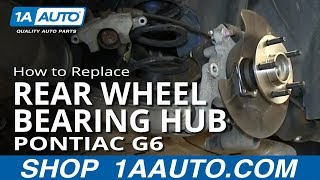
Typical fix: Replace the entire left rear wheel hub and bearing assembly. The three mounting bolts are typically torqued to 85 ft-lbs, and the axle nut to 159 ft-lbs. 🎬 Watch: Step-by-step guide to replacing the rear hub assembly.
Est. part cost: $100-$250 - Failed Electronic Brake Control Module (EBCM) ⚪ Low Probability → Shop ABS Control Module
How to confirm: This is a diagnosis of exclusion. If the wheel hub assembly has been replaced and the wiring between the hub and the EBCM has been tested for continuity and shorts and confirmed to be good, the EBCM itself may be faulty. This requires advanced diagnostics and should be confirmed by a professional. In some cross-manufacturer cases, such as NHTSA ODI #10382746, dealers have attempted to resolve C0045 and related codes by erasing the codes and re-programming the software.
Typical fix: Replace the EBCM. This often requires programming by a dealer or specialized shop.
Est. part cost: $200-$600+
Rare But Worth Checking
- Metallic Debris on Magnetic Encoder Ring:
Diagnosis Steps
- Connect an OBD-II scanner capable of reading ABS codes to confirm C0045 is the active code. Note any sub-type codes like '0F' (erratic) or '18' (low amplitude).
- Access the live data stream on the scanner. Observe the wheel speed readings for all four wheels while driving slowly in a straight line (above 13 mph/20 km/h). Confirm that the Left Rear (LR) wheel speed is reading 0 mph or is erratic while the others read correctly.
- Safely raise and support the vehicle. Perform a thorough visual inspection of the entire wiring harness for the left rear wheel speed sensor. Look for any signs of chafing, melting, breaks, or obvious physical damage, paying close attention to where the harness flexes and is secured.
- Disconnect the sensor's electrical connector. Inspect the terminals on both the harness side and the hub side for corrosion, moisture, or pushed-back pins.
- Using a multimeter, test for continuity on both wires between the sensor connector and the EBCM connector (pins 41 and 42). Resistance should be under 2 ohms. Also check each wire for a short to ground.
- If wiring damage is found, repair it. If the connector is corroded, replace the pigtail connector.
- If the wiring and connector test good, the most likely cause is a failed sensor within the hub. Visually inspect the magnetic encoder ring on the back of the hub for cracks, damage, or metallic debris.
- If the encoder ring is damaged or the wiring is confirmed good, replace the left rear wheel hub and bearing assembly.
- After the repair, clear the code with the scan tool and perform a test drive. The ABS and Traction Control lights should remain off.
Parts You'll Likely Need
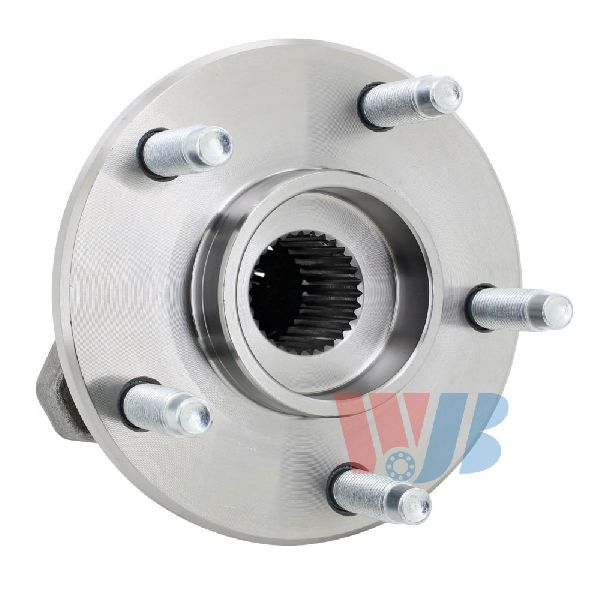
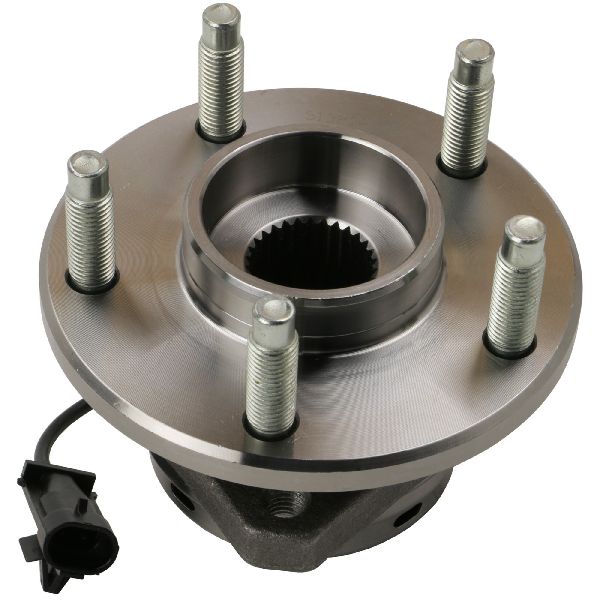
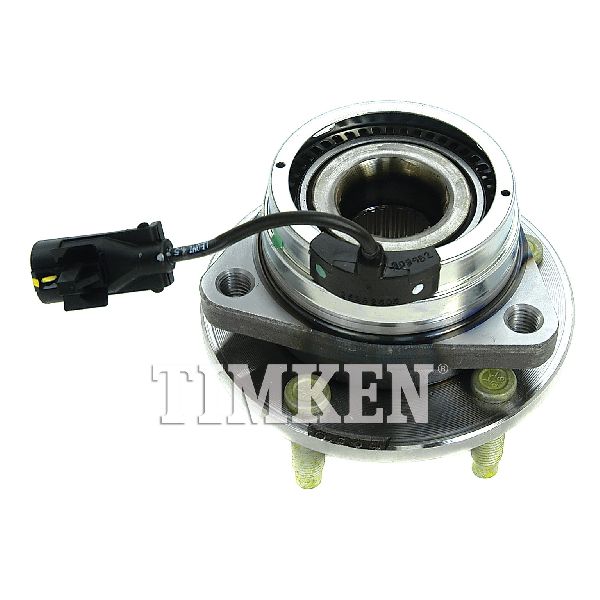
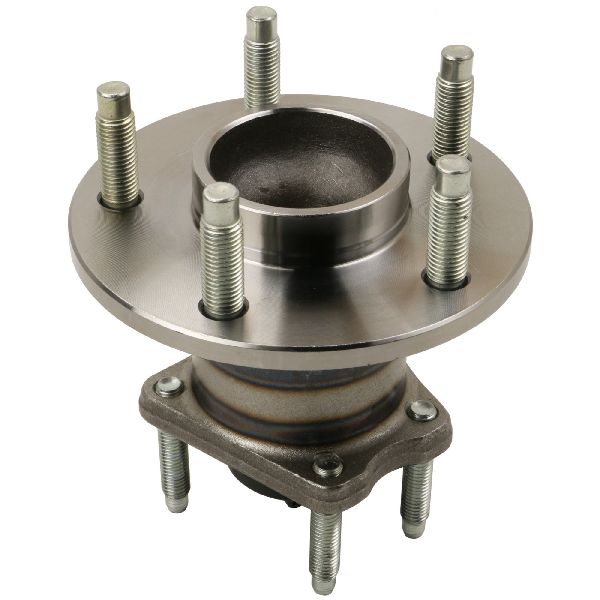
- Left Rear Wheel Hub and Bearing Assembly
(OEM #ACDelco: FW301, GM: 25851323)— The wheel speed sensor is integrated into the hub assembly on the G6. Failure of the sensor or its magnetic tone ring is a primary cause of this code and requires replacing the entire unit.
Trusted brands: ACDelco, MOOG, Timken, Duralast
OEM price range: $180-$280
Aftermarket price range: $100-$200 - ABS Wheel Speed Sensor Wiring Harness / Pigtail
(OEM #Dorman 970-040, ACDelco PT2298, GM 12167648)— If the fault is due to a corroded or damaged connector, replacing the pigtail is the proper fix. The Dorman 970-040 is a widely cited aftermarket replacement.
Trusted brands: ACDelco, Dorman, Standard Motor Products
OEM price range: $30-$60
Aftermarket price range: $15-$40
Related Codes That Often Appear With This One
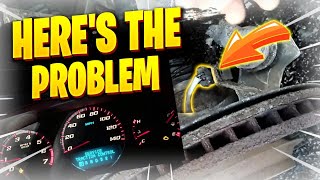
- C0050 — This is the code for the Right Rear Wheel Speed Sensor. If both C0045 and C0050 appear together, it strongly suggests a shared wiring or connector problem, or a fault in the EBCM, rather than two hubs failing simultaneously. 🎬 See why these rear wheel speed sensor codes often appear.
- U0422 — This code indicates 'Invalid Data Received from Body Control Module'. It can sometimes appear alongside ABS codes if the BCM is not receiving plausible data from the EBCM, which is being caused by the faulty wheel speed sensor signal.
- P0463 and P069E — While primarily related to fuel systems, NHTSA ODI #11399819 notes an instance on a GM-built vehicle where these codes appeared simultaneously with C0045.
Technical Service Bulletins (TSBs) & Recalls
- GM TSB 16-NA-298: While not for C0045 specifically, this bulletin addresses a ratchet/grind noise caused by wheel speed sensor signal spikes on similar platforms. It confirms that a WSS can send an erratic signal without setting a code, and details how to use GDS2 to graph sensor data to find inconsistent readings, which is a relevant diagnostic technique for C0045.
Platform-Specific Known Issues
- A GM safety recall (13036) was issued for 2005-2010 G6 models concerning a poor connection at the Body Control Module (BCM) that could cause brake light and traction control issues. While this recall doesn't specifically address the C0045 code, it highlights the platform's sensitivity to electrical connection problems.
- The wiring harness leading to the rear wheel speed sensors is often cited as a weak point, prone to breaking internally or chafing against suspension components without obvious external damage.
Mechanic-Grade Diagnostic Values
- Continuity/Resistance of WSS circuit wires — expected: < 2.0 Ohms. Failure: A reading higher than 2.0 Ohms indicates high resistance or an open circuit in the wire.
- WSS Signal Circuit Voltage (Bias Voltage) — expected: Approx. 2.5V with sensor plugged in, key on. Jumps to approx. 5.0V when sensor is unplugged.. Failure: Voltage that drops out or fluctuates wildly when wiggling the harness indicates a wiring or connection problem.
- EBCM 12V Pulse Check — expected: A brief 12V pulse at the sensor connector harness-side immediately after turning the ignition on.. Failure: Absence of this pulse suggests a problem with the EBCM or the wiring from the EBCM, not the sensor itself. This test is done with the sensor unplugged.
- WSS Sensor Internal Resistance (Active Sensor) — expected: Should show an open circuit (infinite resistance) when tested with a standard multimeter.. Failure: Unlike passive sensors which have a measurable resistance (e.g., 800-1700 ohms), a reading other than open on this active sensor may indicate an internal short.
Hidden / Shadow Codes Worth Checking
- C0045 00: No Signal / Circuit Malfunction. Indicates a complete loss of signal, likely a dead sensor or a fully broken wire. (see via GM Tech2, GDS2, or other professional scan tool capable of reading manufacturer symptom bytes.)
- C0045 06: Circuit Low Voltage/Open. Points specifically to an open wire, a short to ground, or a bad connection starving the circuit of voltage. (see via GM Tech2, GDS2, or other professional scan tool capable of reading manufacturer symptom bytes.)
- C0045 0F: Erratic Signal. This strongly suggests a mechanical issue like a cracked/damaged magnetic encoder ring on the hub, or metallic debris interfering with the reading. (see via GM Tech2, GDS2, or other professional scan tool capable of reading manufacturer symptom bytes.)
- C0045 18: Signal Amplitude Less Than Minimum. The EBCM is seeing a signal, but it's too weak. This can be caused by an excessive air gap, internal sensor fault, or high resistance in the wiring. (see via GM Tech2, GDS2, or other professional scan tool capable of reading manufacturer symptom bytes.)
- C0045 5A: Signal Plausibility Failure. The sensor is producing a signal, but it's illogical compared to the other wheels (e.g., three wheels at 40 mph, this one at 5 mph). (see via GM Tech2, GDS2, or other professional scan tool capable of reading manufacturer symptom bytes.)
Scan Tool Commands That Help
- GDS2 / Tech2: Antilock Brake System Automated Bleed — This service function is required after replacing the EBCM to properly bleed the brake system and ensure no air is trapped in the new module.
- GDS2 / Tech2: Clear DTCs — On these active systems, setting a circuit code often causes the EBCM to shut off the 12V supply to the sensor. Clearing the codes is necessary to 'wake up' the module and restore the voltage for testing purposes.
Wiring & Ground Locations
- EBCM (Electronic Brake Control Module) — Located in the left side of the engine compartment, mounted to the back side of the strut tower as part of the Brake Pressure Modulator Valve (BPMV) assembly.. This is the control unit that receives the signal from the wheel speed sensor. All circuit tests terminate at this module's connector.
- EBCM Connector Pins (Left Rear WSS) — At the main harness connector for the EBCM.. For C0045, Pin 42 is the ignition voltage circuit and Pin 41 is the signal circuit. Testing for continuity, shorts, and voltage must be done at these specific pins to validate the wiring harness integrity.
- EBCM Chassis Ground — Typically located on the left frame rail near the EBCM assembly. Look for a black wire bolted directly to the frame.. A corroded or loose main ground for the EBCM can cause a variety of erratic ABS faults and false sensor codes because the module loses its stable voltage reference.
Diagnostic Flowchart
Used vs. New Parts: Buying Guide for This Vehicle
When a used part is the smart pick: A used Electronic Brake Control Module (EBCM) can be a cost-effective alternative to a new one, provided the part number is an exact match. However, be aware that it may require professional programming to the vehicle's VIN.
Donor-vehicle mileage cap: roughly under 120000 miles for the part to have meaningful remaining life.
What to inspect on the donor part:
- For a used EBCM, ensure the donor vehicle was not in a flood and that the connector pins are clean and straight.
- For a used hub assembly (not recommended), check for any play or roughness when spinning the bearing by hand. Inspect the magnetic encoder ring on the back for any cracks, chips, or heavy rust.
Aftermarket brands forum-validated for this vehicle:
- Hub Assemblies: Timken, MOOG, SKF
- Wiring Pigtail: Dorman (P/N 970-040), ACDelco, Standard Motor Products (SMP)
Brands owners have reported issues with on this vehicle:
- Unbranded, 'white box' wheel hub assemblies are a significant gamble. The quality of the bearing and the magnetic encoder ring is often poor, leading to premature failure and the code returning.
Real Owner Stories
Aggregated from forums and TSBs cited above. Mileages and costs reflect what owners reported in those sources.
2007 Pontiac G6
Symptoms: After replacing the wheel hub and sensor assembly to fix a C0045 code, the 'Service Stabilitrak' message and warning lights remained on.
What fixed it: A thorough inspection of the wiring harness revealed a cut wire. Repairing the damaged wire finally resolved the code.
Source hint: Camaro5.com - 'Service Stabilitrak C0045'
Documented NHTSA Reports
An owner reported in NHTSA ODI #11165895 that the duration of the "Service" message varied from seconds to minutes before lights extinguished; the service center confirmed code C0045 and recommended replacing the left rear hub bearing assembly.
Related OBD-II Codes
Frequently Asked Questions
I saw GM recall 13036 for my Pontiac G6. Is that related to my C0045 code?
The C0045 code points to the left rear wheel, but where exactly does the wiring usually fail on a G6?
I need to replace the left rear hub assembly on my G6. Are aftermarket parts okay?
What are the torque specs for replacing the rear wheel hub on a 2005-2010 Pontiac G6?
I hear a grinding or clicking noise at low speeds along with my ABS light. Is this related to the C0045 code?
Can I use a wheel hub assembly from a Chevy Malibu or Saturn Aura on my Pontiac G6?
Helpful Videos
Used OEM Parts in Stock
New Aftermarket Parts Available

The information in this article is provided for general reference and educational purposes only. Vehicle specifications, procedures, and part compatibility can vary by production date, trim level, and region. Always consult your vehicle's factory service manual and verify part numbers before purchasing or performing repairs. Safety-critical components such as airbags, seat belts, and braking systems should be installed by a qualified professional.
- Pontiac G6:
- 🧭 Diagnostic Flowchart
- 🎬 Helpful Videos
- 🛍️ Shop This Part
- What's Unique About the 2005-2010 Pontiac G6
- Symptoms You May Notice
- Most Likely Causes
- Rare But Worth Checking
- Diagnosis Steps
- Parts You'll Likely Need
- Related Codes That Often Appear With This One
- Technical Service Bulletins (TSBs) & Recalls
- Platform-Specific Known Issues
- Mechanic-Grade Diagnostic Values
- Hidden / Shadow Codes Worth Checking
- Scan Tool Commands That Help
- Wiring & Ground Locations
- Used vs. New Parts: Buying Guide for This Vehicle
- Real Owner Stories
- 2007 Pontiac G6
- Documented NHTSA Reports
- Related OBD-II Codes
- Frequently Asked Questions
- 🎟️ Get 5% Off