

P0017 on 2007-2018 Lexus ES350: Cam/Crank Correlation Fixes
On the Lexus ES350, code P0017 is most often caused by low or dirty engine oil, or a failing Oil Control Valve (OCV) for the Bank 1 exhaust. Bank 1 is the rear cylinder bank against the firewall, making access more difficult than the front bank. An OCV replacement is a common fix, costing around $50-$100 for the part and 1-2 hours of labor.
- Always check your engine oil level and condition first; this is the most common and cheapest fix.
- The Bank 1 exhaust Oil Control Valve (OCV) is the next most likely culprit. It is located on the rear cylinder bank.
- Do not immediately replace the camshaft sensor; it is less likely to be the cause than the oil-related components.
- If you hear a rattling noise, it could point to a more serious timing chain or VVT gear issue, which requires professional diagnosis.
What's Unique About the 2007-2018 Lexus ES350
The 2GR-FE engine in the Lexus ES350 is known for its reliability, but it is sensitive to oil quality and level. This code frequently appears not due to major mechanical failure, but because of oil-related issues affecting the VVT-i (Variable Valve Timing with intelligence) system. Clogged Oil Control Valve (OCV) filters or sludgy oil can restrict flow, preventing the cam phaser from adjusting timing correctly, which is a common scenario for this P0017 code. Therefore, checking the oil is the absolute first and most critical step before attempting any parts replacement.
Generation note: The 2007-2018 year range covers two generations of the Lexus ES350: the XV40 (2007-2012) and the XV60 (2013-2018). Both generations use the same 2GR-FE 3.5L V6 engine, so the causes, symptoms, and repairs for code P0017 are virtually identical across this entire year span. Early models (approx. 2007-2009) were also subject to a service campaign for a rubber VVT-i oil line that could rupture.
Symptoms You May Notice
- Check Engine Light is on
- VSC and TRAC OFF lights may illuminate
- Rough or unstable idle
- Engine hesitation or loss of power during acceleration
- Rattling or ticking noise from the engine bay, especially on startup, which could indicate a VVT gear issue.
- Engine may be difficult to start
- Decreased fuel economy
- Replacing the camshaft position sensor without first checking oil level/condition or the OCV.
- Replacing the crankshaft position sensor when the issue is with the camshaft timing control system.
- Assuming a stretched timing chain on a lower-mileage engine before thoroughly checking the OCVs and their filters.
Most Likely Causes
- Low or Dirty Engine Oil 🔴 High Probability The VVT-i system is hydraulically operated by engine oil. Insufficient oil level or contaminated oil cannot provide the necessary pressure to operate the cam phasers correctly, leading to a correlation fault.
How to confirm: Check the engine oil dipstick for level and inspect the oil's color and consistency on the dipstick and under the oil cap. If the oil change is overdue, this is the most likely cause.
Typical fix: Perform an oil and filter change using the manufacturer-specified grade (typically 0W-20 or 5W-20, check owner's manual). Clear codes and drive.
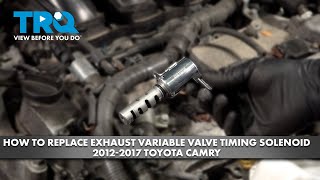
Est. part cost: $40-$80 - Faulty Bank 1 Exhaust Oil Control Valve (OCV) 🔴 High Probability → Shop Engine Variable Valve Timing (VVT) Solenoid The OCV (or VVT solenoid) can become clogged with sludge or fail electrically, causing it to get stuck. This prevents proper oil flow to the VVT phaser. The Bank 1 (rear) exhaust OCV is a very common failure point.
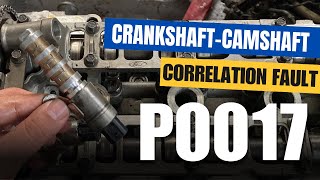
How to confirm: Swap the Bank 1 exhaust OCV with the easily accessible Bank 2 exhaust OCV on the front of the engine. Clear the codes and drive. If the code changes to P0019 (Bank 2, Exhaust), the OCV is confirmed faulty. You can also test the solenoid's resistance (should be 6.9-7.9 ohms) or apply 12V to see if it actuates. 🎬 Watch: How to test and fix the Bank 1 exhaust sensor.
Typical fix: Replace the Bank 1 exhaust Oil Control Valve. Access is tight as it is on the rear cylinder head against the firewall.
Est. part cost: $50-$150 - Clogged OCV Filter 🟡 Medium Probability A tiny mesh filter protects the OCV from debris. This filter can get clogged with sludge, especially with extended oil change intervals, starving the OCV of oil.
How to confirm: The filter is located inside the banjo bolt for the VVT oil line that feeds the Bank 1 cylinder head. Remove the bolt and inspect the small screen filter inside. It may be difficult to access on the rear bank.
Typical fix: Carefully remove, clean with brake cleaner, and reinstall the filter. If damaged or heavily clogged, replace it. The part number is typically 15678-46020. 🎬 See these 4 DIY methods to fix code P0017 quickly.
Est. part cost: $5-$15 - Stretched Timing Chain ⚪ Low Probability → Shop Engine Timing Chain While durable, timing chains can stretch over many miles (typically over 150,000), causing a permanent correlation error that the VVT system cannot compensate for. This is often a last resort diagnosis.
How to confirm: This is a difficult diagnosis requiring removal of the timing cover to physically inspect chain slack and timing marks. A professional may use an oscilloscope to compare cam and crank signals against a known-good pattern. A user on ClubLexus with P0017 was advised this could be the cause after ruling out other issues.
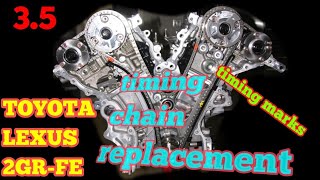
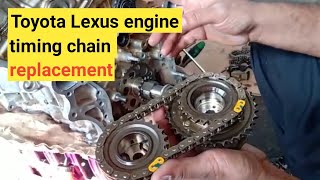
Typical fix: Replace the timing chain, tensioners, and guides. This is a very labor-intensive job. 🎬 Watch: A complete walkthrough of the 2GR-FE timing chain replacement.
Est. part cost: $500-$800
Rare But Worth Checking
- Faulty Camshaft or Crankshaft Position Sensor: → Shop Engine Crankshaft Position Sensor While possible, it's less common for the sensor itself to fail than the oil-related components. A sensor failure usually throws a sensor-specific circuit code (like P0348), not just a correlation code.
- Failed VVT-i Cam Gear (Phaser): The gear itself can fail internally, getting stuck in one position or having a faulty lock pin. This is often accompanied by a startup rattle and is addressed in TSB-0094-09. This is a more complex and expensive repair than an OCV.
- Failing ECM: Extremely rare. The Engine Control Module should only be considered after every other possibility has been exhaustively ruled out by a professional.
Diagnosis Steps
- Read the code with an OBD-II scanner and confirm P0017 is present. Note any other codes.
- Check the engine oil level and condition. If low, dirty, or overdue for a change, correct this first. Clear the code and drive to see if it returns. This is the most common and cheapest fix.
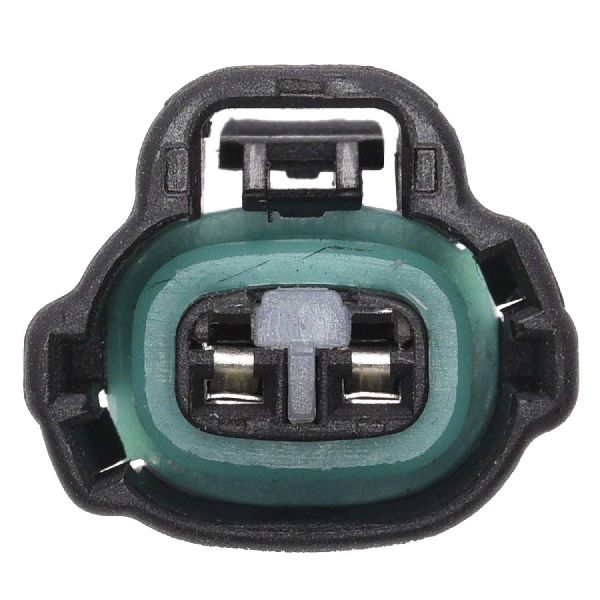
- Inspect the wiring and connector for the Bank 1 (rear) exhaust camshaft position sensor and the corresponding Oil Control Valve (OCV) for any damage.
- Test the Bank 1 exhaust OCV. The easiest diagnostic swap is to exchange the suspect Bank 1 (rear, difficult access) exhaust OCV with the easily accessible Bank 2 (front, radiator side) exhaust OCV. Clear codes and drive. If the code changes to P0019, the OCV you moved to the front is faulty and needs replacement.
- Inspect and clean the small OCV filter (screen) located in the oil line banjo bolt for Bank 1. These can become clogged with sludge and restrict oil flow.
- If the above steps do not resolve the issue, the problem is likely more significant. The next steps involve advanced diagnostics, such as using an oscilloscope to check the cam/crank sensor patterns or mechanically inspecting the timing chain for stretch and the VVT cam gear for malfunction. This is best left to a professional.
Parts You'll Likely Need
- Engine Oil Control Valve (VVT Solenoid)
(OEM #15330-0P020 (replaces 15330-31020))— This solenoid controls oil flow to the cam phaser and is the most common part to fail or clog, causing code P0017. The OCVs for intake and exhaust are the same part number.
Trusted brands: Denso (OEM supplier), Aisin
OEM price range: $100-$150
Aftermarket price range: $40-$80 - OCV Filter (VVT Filter Screen)
(OEM #15678-46020)— This small screen can get clogged with sludge, blocking oil flow to the OCV. It's a cheap part to replace during an OCV service.
Trusted brands: Toyota (OEM)
OEM price range: $5-$15
Aftermarket price range: $3-$10 - Timing Chain Kit — For high-mileage vehicles where a stretched chain is diagnosed, a full kit including chains, guides, and tensioners is required.
Trusted brands: Aisin (OEM supplier), Cloyes
OEM price range: $600-$800
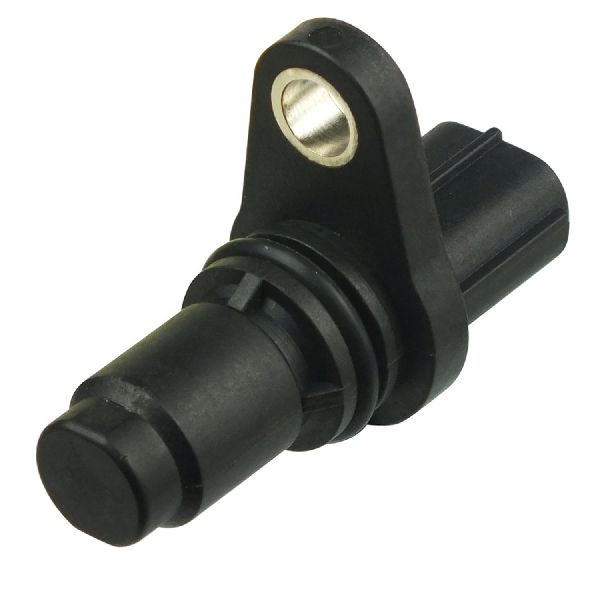
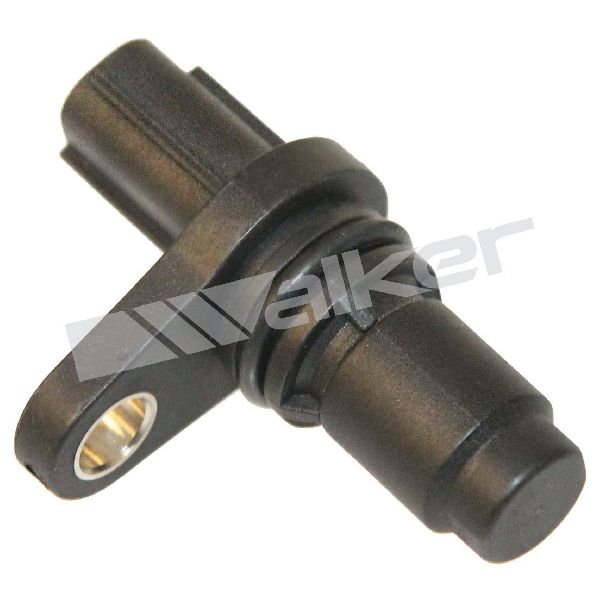
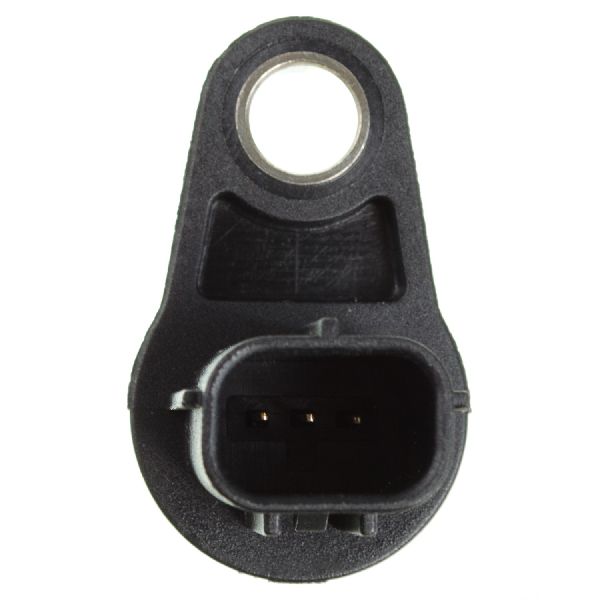
Aftermarket price range: $300-$500 - Camshaft Position Sensor
(OEM #90919-A5004)— Though less common, a faulty sensor can cause this code. It's often misdiagnosed and replaced when the issue is oil-related.
Trusted brands: Denso (OEM supplier)
OEM price range: $80-$120
Aftermarket price range: $30-$60
Related Codes That Often Appear With This One
- P0016 — Crank/Cam Correlation Error for Bank 1, Intake Cam. If seen with P0017, it points more strongly to a base timing issue (e.g., stretched chain) or a systemic oil pressure problem affecting the entire bank.
- P0018 / P0019 — These are the equivalent correlation codes for Bank 2 (front bank). Seeing codes for both banks simultaneously (e.g., P0017 and P0019) is a strong indicator of a systemic problem like low oil pressure, severely sludged oil, or a stretched primary timing chain.
- P0348 / P0390 — These are circuit codes for the camshaft position sensors on Bank 1 and Bank 2. If seen with correlation codes, it could point to a wiring issue or a failing sensor, though the correlation code is often the primary fault.
Technical Service Bulletins (TSBs) & Recalls
- TSB-0094-09 (and revisions Rev1, Rev2) - Addresses a ticking/clicking noise from the VVT-i gear area on 2005-2009 2GR-FE engines, which may be accompanied by DTCs P0014, P0015, P0017, P0018, P0024, or P0025. The bulletin guides technicians to inspect and potentially replace the VVT-i gear assembly, camshaft, and camshaft housing.
Platform-Specific Known Issues
- A TSB for 2005-2009 2GR-FE engines (TSB-0094-09) indicates that a ticking noise from the cylinder head area along with VVT codes (including P0017) could be related to a failure within the VVT-i gear actuator assembly itself.
Mechanic-Grade Diagnostic Values
- Camshaft Timing Oil Control Valve (OCV) Resistance — expected: 6.9 to 7.9 Ω at 20°C (68°F). Failure: Resistance outside of this range indicates a faulty solenoid coil.
- Crankshaft Position Sensor Resistance — expected: 1,630 to 2,740 Ω (cold) or 2,065 to 3,225 Ω (hot). Failure: Readings outside these ranges suggest a failing sensor.
- Camshaft Position Sensor Resistance — expected: 1,630 to 2,740 Ω (cold) or 2,065 to 3,225 Ω (hot). Failure: Readings outside these ranges suggest a failing sensor. Note: Some sources state 835-1400 Ω (cold) / 1060-1645 Ω (hot), suggesting variations exist.
Scan Tool Commands That Help
- Toyota Techstream: Active Test: Control the VVT System (Bank 1 Exhaust) — This command allows the technician to manually activate the Bank 1 exhaust OCV. If the engine idle becomes rough or stalls when the command is sent, the OCV and VVT phaser are responding mechanically. If nothing happens, it points to a stuck OCV, clogged oil passage, or faulty VVT gear.
- Toyota Techstream: Data List: VVT Learned Value — The ECM stores a learned value for VVT operation. If this value is out of the specified range while idling, it will trigger P0017. Monitoring this PID can confirm the ECM's reason for setting the code.
- Toyota Techstream: Utility: All Readiness — After a repair, this function can be used to check the DTC judgment result without having to complete a full drive cycle. After idling the engine for over 5 minutes, checking the readiness status for P0017 will show 'NORMAL' if the fix was successful or 'ABNORMAL' if the fault persists.
Wiring & Ground Locations
- Engine Harness Ground (Bank 1 Side) — On the side of the cylinder head (Bank 1, rear/firewall side), often sharing a bolt with other components under the intake manifold area.. A poor ground connection for the engine harness can introduce electrical noise or incorrect voltage references for the camshaft position sensor and OCV, leading to false or intermittent correlation codes.
- Main Engine Ground — A large gauge wire typically running from the top of the transmission case to a point on the chassis near the motor mount.. While less specific to one sensor, a compromised main engine ground can cause widespread electrical issues, including erratic sensor readings that could potentially trigger correlation faults.
Real Owner Repair Stories
- ClubLexus Forum User (2007 Lexus IS350 (2GR-FSE, similar architecture)) — P0017 code present with a distinct ticking/miss sound from the passenger side (Bank 1). Car ran well otherwise.
❌ Tried (didn't work) Tested all four OCV solenoids with 12V and checked resistance; all passed., Cleaned the OCV filters, which were dirty but not completely clogged.
✅ What actually fixed it The user did not post the final fix, but the diagnostic path after checking OCVs and filters was to use an oscilloscope to compare cam/crank sensor signals, pointing towards a deeper mechanical or sensor signal issue. - Reddit r/MechanicAdvice User (Vehicle with 2GR-FE engine) — P0017 code appeared after the engine ran very low on oil. The car ran poorly.
❌ Tried (didn't work) Replacing the timing chain, tensioners, both VVT sprockets, and the exhaust camshaft (due to a broken dowel pin)., Testing the oil control valves.
✅ What actually fixed it The user reported that even after a full timing job, the code would not clear, despite the car running well. This highlights a scenario where the mechanical timing is correct, but the code persists, potentially due to a sensor, wiring, or ECM issue that was not resolved by the mechanical repair. The final resolution was not posted.
When the Usual Fixes Don't Work
- In some cases reported by owners, the P0017 code is triggered by a low battery voltage, especially after the car has been sitting. Before diving into complex engine diagnostics, ensuring the battery is fully charged and healthy is a valid, though uncommon, preliminary step. One owner was incorrectly advised by a dealer to replace the battery as the primary fix, which did not solve the problem, highlighting that while it can be a factor, it's rarely the root cause.
OEM Part Supersession History
15330-31020→15330-0P020— Updated part design for the Cam Timing Oil Control Valve Assembly.
Heads up: The new part number 15330-0P020 is the correct replacement for 15330-31020 and is fully compatible.
Model Year Variations Within This Range
- 2015-onward (in other models): Later versions of the 2GR engine family, like the 2GR-FKS, introduced VVT-iW (Variable Valve Timing - intelligent Wide) on the intake side. While the ES350 in this range stuck with the 2GR-FE, it's important not to confuse parts from these later engine variants, as the VVT system is more complex.
- 2007-2009: Early 2GR-FE engines were equipped with a rubber section in the VVT-i oil supply line. This line was prone to rupturing, causing a massive and sudden oil leak. A recall and service campaign replaced this with an all-metal line. A failure of this line would cause a catastrophic loss of oil pressure, triggering P0017 and other codes before engine seizure.
Diagnostic Flowchart
Other Known Issues on This Vehicle
Issues unrelated to this code that are worth knowing about as an owner of this generation:
- Rupturing VVT-i Oil Supply Hose (Rubber Section) 🔴 High — Common on earlier models (approx. 2007-2010) before an all-metal line was introduced. Can fail without warning, leading to rapid oil loss and catastrophic engine failure. (Ref: Limited Service Campaign (LSC) issued by Toyota/Lexus to replace the rubber hose with an all-metal line.)
- Melting / Sticky Dashboard and Interior Panels 🟡 Low — Very common on 2007-2008 models, especially in regions with high heat and humidity. The dashboard surface becomes shiny, sticky, and may crack. (Ref: Warranty Enhancement Program ZLD and ZLZ (e.g., MC-10145764-9999) were issued to cover replacement, though these programs have expiration dates.)
- Timing Cover Oil Leak 🟠 Medium — A notable number of owners report oil leaks from the timing cover gasket/sealant, typically after 60,000 miles. It's a slow, progressive leak that is labor-intensive to repair.
- VVT-i Cam Gear Rattle on Cold Start 🟠 Medium — A brief rattling or ticking noise for a few seconds on a cold start. It's often caused by a faulty VVT-i gear assembly lock pin. (Ref: TSB-0094-09 (and its revisions) addresses this issue, which can be accompanied by codes like P0017.)
Used vs. New Parts: Buying Guide for This Vehicle
When a used part is the smart pick: For this repair, buying used parts is generally not recommended due to the nature of the failures. The primary causes are related to oil sludge, wear, and age (hardened seals, stretched chains). A used OCV, sensor, or timing component carries the same risk of failure as the part being replaced. The only exception might be a physically damaged connector pigtail or a non-wear item like a valve cover if it were cracked.
Donor-vehicle mileage cap: roughly under 50000 miles for the part to have meaningful remaining life.
What to inspect on the donor part:
- For any used part, demand proof of mileage from the donor vehicle.
- If considering a used OCV, inspect the screen for any signs of sludge or debris. If it's not perfectly clean, do not buy it.
- Avoid parts from engines with any known history of oil consumption or poor maintenance.
OEM-only on this vehicle (don't cheap out):
- Timing Chain and Tensioners: The timing chain is a critical wear item. Using a non-OEM or used chain is a significant risk for a labor-intensive job.
- VVT-i Cam Gear (Phaser): Aftermarket phasers have a poor reputation for reliability. Given the labor to replace, OEM (Aisin) is the only recommended choice.
- OCV Filter Screen: This part is extremely cheap from the dealer; there is no reason to use a used or aftermarket one.
Aftermarket brands forum-validated for this vehicle:
- Denso: Denso is the original equipment manufacturer (OEM) for the Oil Control Valves and Cam/Crank sensors. Buying Denso from a reputable source is equivalent to buying the genuine Toyota/Lexus part.
- Aisin: Aisin is the OEM for many engine components, including the VVT gears and timing chain kits. They are a trusted brand for this repair.
Brands owners have reported issues with on this vehicle:
- No-name/white-box brands on sites like Amazon or eBay for electronic components like OCVs or sensors. These often have high failure rates, incorrect resistance values, or short lifespans, leading to repeat repairs.
Real Owner Stories
Aggregated from forums and TSBs cited above. Mileages and costs reflect what owners reported in those sources.
2007-2012 Lexus ES350 2GR-FE
Symptoms: The owner experienced a P0017 code that the dealer failed to diagnose correctly, with the dealer even suggesting a new battery as a potential fix.
What fixed it: The owner pursued a diagnostic path involving inspecting the OCV filter and considering the timing chain after ruling out basic electrical issues.
Source hint: ClubLexus.com Thread: 'P0017 not diagnosed at dealer' (URL: clublexus.com/forums/es-5th-gen-2007-2012/1007358-p0017-not-diagnosed-at-dealer.html)
2005-2009 Lexus ES350 2GR-FE
Symptoms: Ticking or clicking noise from the cylinder head area accompanied by VVT-related error codes.
What fixed it: Replacement of the VVT-i gear assembly, camshaft, and camshaft housing as directed by the technical service bulletin.
Source hint: TSB-0094-09 (and revisions Rev1, Rev2)
2007-2017 Toyota Camry 3.5L V6 (Platform Mate) — ~160000 miles
Symptoms: Permanent correlation error that the VVT system could no longer compensate for on a high-mileage engine.
What fixed it: Replacement of the timing chain, tensioners, and guides.
Source hint: ClubLexus.com - Multiple threads regarding 2GR-FE timing chain stretch
Related OBD-II Codes
Frequently Asked Questions
Does TSB-0094-09 apply to my 2008 Lexus ES350 if I hear a ticking noise?
Can I swap parts to test if the Bank 1 Exhaust Oil Control Valve is bad?
Is there a specific oil filter screen I should check for P0017 on the 2GR-FE?
Is the P0017 code related to the rubber VVT-i oil hose leak issue?
Could a stretched timing chain be the cause of P0017 on my high-mileage ES350?
What oil grade should I use to prevent VVT-i issues like P0017?
Helpful Videos
![How to Fix P0017 Engine Code in 6 Minutes [4 DIY Methods / Only $6.81]](https://img.youtube.com/vi/Vcj-f_J2hyo/mqdefault.jpg)
We Have This Part in Stock


The information in this article is provided for general reference and educational purposes only. Vehicle specifications, procedures, and part compatibility can vary by production date, trim level, and region. Always consult your vehicle's factory service manual and verify part numbers before purchasing or performing repairs. Safety-critical components such as airbags, seat belts, and braking systems should be installed by a qualified professional.
- Lexus ES350:
- 🧭 Diagnostic Flowchart
- 🎬 Helpful Videos
- 🛍️ Shop This Part
- What's Unique About the 2007-2018 Lexus ES350
- Symptoms You May Notice
- Most Likely Causes
- Rare But Worth Checking
- Diagnosis Steps
- Parts You'll Likely Need
- Related Codes That Often Appear With This One
- Technical Service Bulletins (TSBs) & Recalls
- Platform-Specific Known Issues
- Mechanic-Grade Diagnostic Values
- Scan Tool Commands That Help
- Wiring & Ground Locations
- Real Owner Repair Stories
- When the Usual Fixes Don't Work
- OEM Part Supersession History
- Model Year Variations Within This Range
- Other Known Issues on This Vehicle
- Used vs. New Parts: Buying Guide for This Vehicle
- Real Owner Stories
- 2007-2012 Lexus ES350 2GR-FE
- 2005-2009 Lexus ES350 2GR-FE
- 2007-2017 Toyota Camry 3.5L V6 (Platform Mate) — ~160000 miles
- Related OBD-II Codes
- Frequently Asked Questions
- 🎟️ Get 5% Off