

P0022 on 2006-2012 Toyota RAV4 3.5L V6: Causes and Fixes for Over-Retarded Camshaft Timing
On the RAV4 3.5L V6, code P0022 is most often caused by low/dirty engine oil or a failing Bank 2 (front) Oil Control Valve (OCV). Always check your oil level first. Replacing the OCV is a common DIY fix, with an OEM part costing around $125. For 2006-2009 models, a leaking VVT-i oil line is also a known and critical issue that can cause this code due to low oil pressure.
- First, check your oil. Low or dirty oil is the #1 cause of P0022.
- The next most likely cause is a bad Oil Control Valve (OCV) for Bank 2, which is the more accessible one on the front of the engine.
- If you have a 2006-2009 RAV4 V6, you MUST check if the VVT-i oil line has been updated to the all-metal part. A leak there can destroy the engine.
- Do not replace the camshaft position sensor; it is rarely the cause of this specific code.
- Swapping the front and rear intake OCVs is the easiest way to confirm if one is faulty.
What's Unique About the 2006-2012 Toyota RAV4
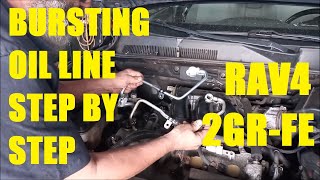
The 2GR-FE V6 engine is widely used across the Toyota and Lexus lineup and is generally very reliable. However, for this P0022 code, its history is notable. A primary concern for 2006-2009 models is a factory VVT-i oil supply line that used a rubber section prone to leaking or bursting, which can lead to sudden oil pressure loss and trigger this code. Toyota issued a Limited Service Campaign (LSC 90K) to replace this with an all-metal line. While the campaign has officially expired, checking for this updated part is a critical inspection point 🎬 Watch: Step-by-step guide to replacing the VVT oil line. for any owner. Otherwise, the causes are typical for most VVT systems, focusing on oil health and the control solenoids.
Symptoms You May Notice
- Check Engine Light is on
- Rough or unstable idle
- Engine hesitation or lack of power during acceleration
- Reduced fuel economy
- Engine may be hard to start
- Stalling at low speeds or when stopping
- Abnormal engine noise or ticking, especially if related to low oil pressure.
- Replacing the camshaft position sensor. While related, a faulty sensor will typically throw its own specific codes (like P0345-P0349). P0022 points to a mechanical/hydraulic issue with the timing *control*, not the sensor reading itself.
Most Likely Causes
- Low or Dirty Engine Oil 🔴 High Probability The VVT-i system is hydraulic and extremely sensitive to oil volume, pressure, and viscosity. Sludge or low levels prevent the VVT actuator from moving at the correct speed, causing it to lag behind the ECM's command.
How to confirm: Check the engine oil dipstick for level and examine the oil's color and consistency. If it's low or looks like dark sludge, this is your likely starting point. This is the first and most important step.
Typical fix: Perform a complete oil and filter change using the manufacturer-recommended oil viscosity (typically 5W-30). Clear codes and test drive.
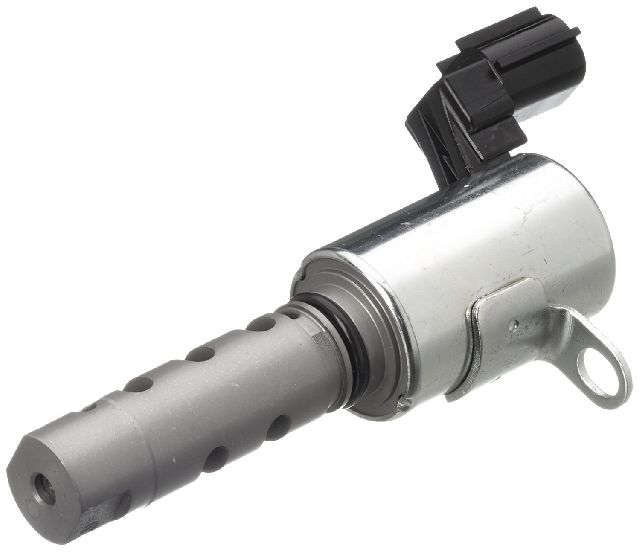
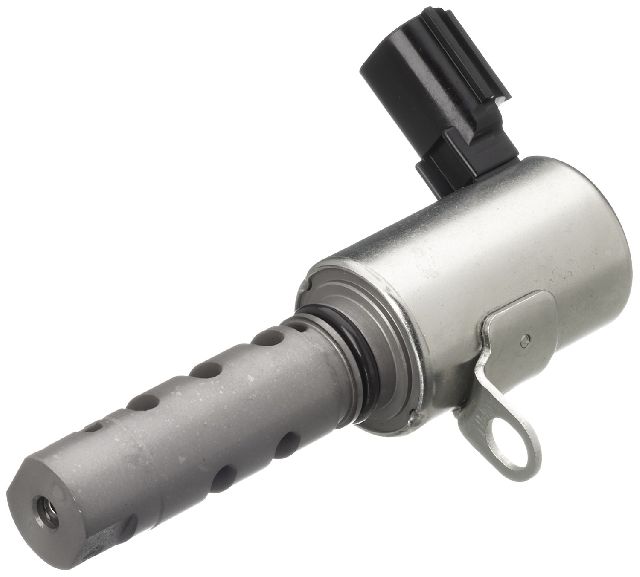
Est. part cost: $40-$80 - Faulty Bank 2 Oil Control Valve (OCV) / VVT Solenoid 🔴 High Probability → Shop Engine Variable Valve Timing (VVT) Solenoid These solenoids can become clogged with oil sludge or fail electrically over time, causing them to stick. This prevents proper oil flow to the VVT phaser, leading to a retarded timing position.
How to confirm: Swap the Bank 2 (front) intake OCV with the Bank 1 (rear) intake OCV. Clear the codes and drive. If the code returns as P0012 (for Bank 1), the OCV is faulty. You can also test the solenoid's resistance (should be 6.9-7.9 Ohms at 68°F/20°C) or apply 12V to see if the internal plunger clicks.
Typical fix: Replace the Bank 2 intake Oil Control Valve. Bank 2 is easily accessible on the front of the engine, held in by a single 10mm bolt.
Est. part cost: $80-$150 - Leaking VVT-i Oil Line (2006-2009 models) 🟡 Medium Probability A well-documented issue where a rubber section of the VVT-i oil line for Bank 1 degrades, causing a severe oil leak. The cause was identified as exposure to corrosive gases from the PCV system. While the line is for Bank 1, a significant oil leak causes a drop in system-wide pressure, which can set a code for either bank.
How to confirm: Visually inspect the VVT-i oil line on the Bank 1 (rear) cylinder head. Look for a metal-and-rubber line. If it's not an all-metal line, it's the original problematic part and should be inspected closely for leaks or replaced preemptively.
Typical fix: Replace the original rubber/metal hybrid line with the updated all-metal line (Toyota Part No. 15772-31030). This was covered under LSC 90K, which has since expired.
Est. part cost: $50-$90
Rare But Worth Checking
- Failed VVT Camshaft Gear (Phaser): → Shop Engine Camshaft If the oil and OCV are confirmed to be good, the mechanical VVT gear on the end of the camshaft may be stuck internally or have a failed lock pin, causing a startup rattle. A Toyota TSB (T-SB-0094-09) for other models points to this as a potential cause for various VVT codes. This is a much more involved and expensive repair.
- Stretched Timing Chain: → Shop Engine Timing Chain While very rare on the 2GR-FE, a significantly stretched timing chain can cause camshaft timing correlation codes. This is usually suspected only at very high mileage (over 150,000 miles) or if codes for both banks (e.g., P0012 and P0022) are present simultaneously after other causes are ruled out.
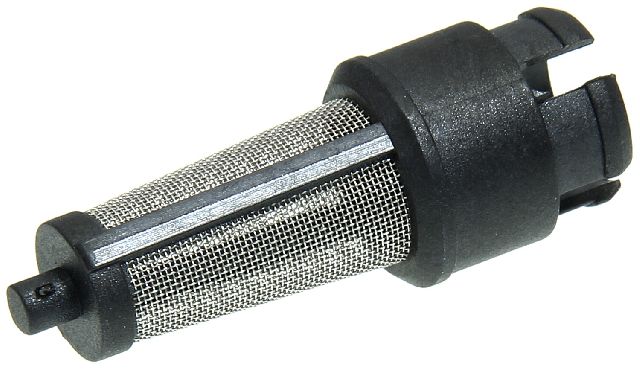
- Clogged OCV Filter Screens: Small mesh filters are located in the oil passages leading to the OCVs, inside the cylinder heads. These can become clogged with sludge, starving the OCV of oil pressure even if the valve itself is functional. They can be removed and cleaned with brake cleaner. This is often overlooked.
Diagnosis Steps
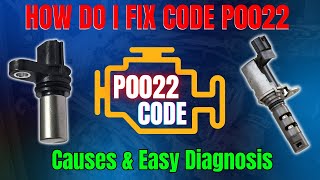
- Check Engine Oil: Verify the oil level is full and the oil is clean. If low or dirty, perform an oil and filter change, clear the code, and drive to see if it returns. This is the most common fix. 🎬 Watch this video for a breakdown of P0022 symptoms and fixes.
- Inspect VVT-i Oil Line: On 2006-2009 models, inspect the rear VVT-i oil line for any signs of leakage. Confirm if it is the original rubber-hose version or the updated all-metal part (15772-31030).
- Locate Bank 2 OCV: Identify the intake Oil Control Valve on the Bank 2 (front) cylinder head. It is held in by a single 10mm bolt and has an electrical connector.
- Swap OCVs: A simple and effective test is to swap the Bank 2 intake OCV with the Bank 1 intake OCV (located on the rear cylinder head, which is harder to access).
- Re-evaluate: Clear the codes and drive the vehicle. If the code returns as P0012 (Bank 1), you have confirmed the OCV you moved is faulty. If P0022 returns, the problem is not the OCV.
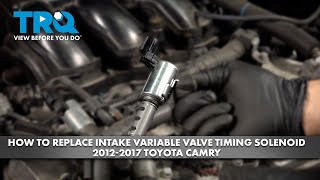
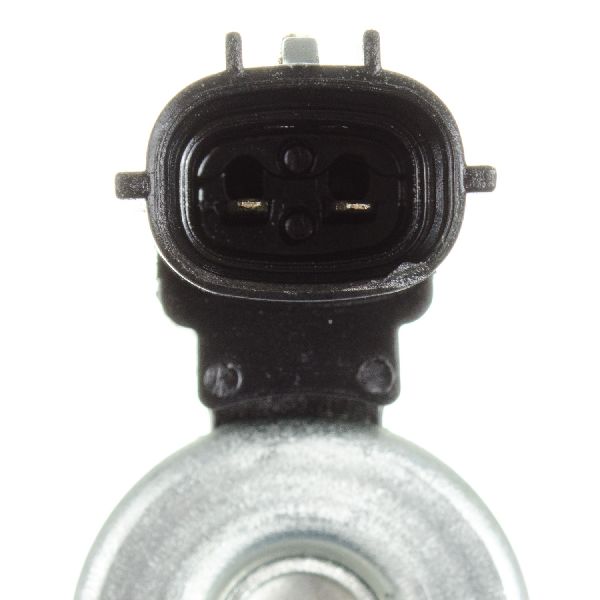
- Test OCV (Alternative): If you don't want to swap them, you can remove the suspect OCV, clean it with brake cleaner, and test it. Check resistance across the two pins (should be 6.9-7.9 Ohms at 68°F/20°C). Apply 12V power to the pins and watch for the internal plunger to snap open/closed. 🎬 See how to bench test your VVT solenoid for proper operation.
- Inspect OCV Filter: Check the small filter screen located in the cylinder head, often below the OCV, for sludge. These can be carefully removed with a pick and cleaned.
- Advanced Diagnosis: If all the above steps fail, the issue may be with the VVT camshaft gear (phaser) or, in rare cases, the timing chain or ECM. This level of diagnosis is best left to a professional.
Parts You'll Likely Need
- Engine Oil Control Valve (VVT Solenoid)
(OEM #15330-0P020 (supersedes 15330-31020))— This solenoid is the most common mechanical part to fail, either by getting clogged with debris or failing electrically. It directly controls the oil flow that adjusts cam timing.
Trusted brands: Denso (OEM supplier), Aisin, Dorman
OEM price range: $120-$160
Aftermarket price range: $30-$80 - VVT-i Oil Hose (All-Metal Update)
(OEM #15772-31030)— This is a critical preventative replacement for 2006-2009 models to avoid catastrophic oil loss from the original faulty design. A leak here can cause the low oil pressure that triggers P0022.
Trusted brands: Toyota (OEM)
OEM price range: $50-$90
Aftermarket price range: $30-$60
Related Codes That Often Appear With This One
- P0012 — This is the same over-retarded code but for Bank 1. If both appear together, it strongly suggests a global issue like very low/sludgy oil, low oil pressure from a major leak, or a stretched timing chain.
- P0021 — This is for over-advanced timing on the same bank (Bank 2). Seeing it with P0022 is rare but could indicate an erratic OCV or a failing VVT phaser.
Technical Service Bulletins (TSBs) & Recalls
- LSC 90K - A Limited Service Campaign to replace the VVT-i oil hose on certain 2006-2009 RAV4 V6 models due to a risk of oil leakage. The campaign was extended but is now expired.
- T-SB-0094-09 Rev1 - Details a repair procedure for a ticking noise and various VVT-related DTCs (P0014, P0015, P0024, P0025, etc.) on 2006-2009 RAV4s by replacing the exhaust VVT-i gear, indicating known issues with the phasers themselves.
- T-SB-0105-11 - Mentions updated OCV actuators to prevent failures that can lead to various VVT codes including P0022.
Platform-Specific Known Issues
- A Limited Service Campaign (LSC 90K) was issued for 2006-2009 RAV4 V6 models to replace a VVT-i oil line that was prone to leaking. This line contains a rubber section that can degrade and burst, causing rapid oil loss. The campaign was later extended but expired on December 31, 2021. If your vehicle has this original line, it should be replaced with the all-metal version (15772-31030) as a priority, regardless of whether a code is present.
Documented NHTSA Reports
- NHTSA ODI #10579431 describes a situation where a vehicle with the same manufacturer engine family triggered both P0012 and P0022 simultaneously. A technician checked the operation of both VVT systems and found them to be working fine at the time of inspection, illustrating the intermittent nature of some VVT timing faults.
Mechanic-Grade Diagnostic Values
- Bank 2 Intake Oil Control Valve (OCV) Resistance — expected: 6.9 - 7.9 Ω at 68°F (20°C). Failure: No resistance (open circuit) or significantly lower/higher resistance indicates a failed solenoid coil.
- Techstream Live Data: VVT Target vs. Actual Angle — expected: The 'VVT Angle B2' should closely track the 'Target VVT Angle B2' as engine RPM changes.. Failure: A significant and persistent lag where the actual angle does not reach the target angle points to a hydraulic or mechanical issue (low oil pressure, sticking OCV, or failing phaser). A complete lack of change indicates a stuck OCV or phaser.
- DTC Set Condition (2-Trip Logic) — expected: The fault must be detected in two consecutive driving cycles to set a hard code and illuminate the MIL.. Failure: P0022 is set if it takes 5 seconds or more for the valve timing to change by 5 degrees CA (Crankshaft Angle) after the ECM commands a change.
Scan Tool Commands That Help
- Toyota Techstream: Active Test: Control the VVT System (Bank 2) — This bidirectional command allows a technician to manually command the Bank 2 intake OCV to advance or retard the cam timing while the engine is idling. Observing the 'VVT Angle B2' live data parameter during this test confirms if the OCV is responding to commands and if the phaser is mechanically able to move. A lack of response points directly to a failure in the OCV, wiring, or phaser.
- Toyota Techstream: Health Check — Performs a comprehensive scan of all vehicle control modules. This is useful to see if other systems (like ABS or VSC) have stored codes that might indicate a broader electrical or communication issue that could indirectly affect the engine control system.
Wiring & Ground Locations
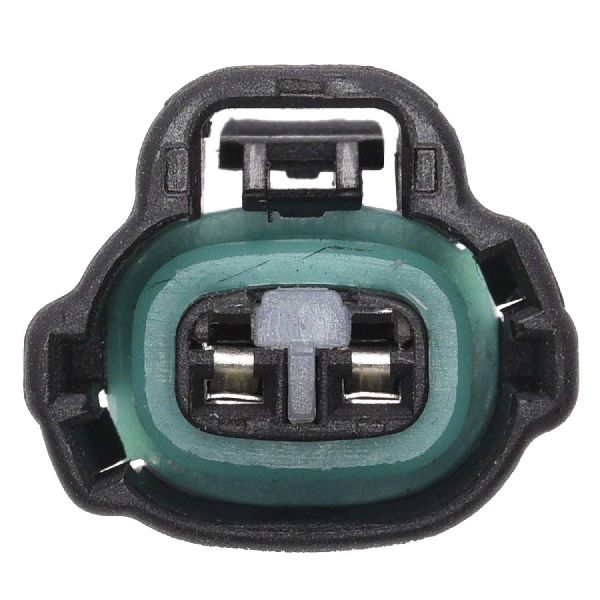
- Bank 2 OCV Connector (B60) — On the front (radiator side) cylinder head, connected to the intake VVT solenoid.. This is the direct electrical connection for the component that controls cam timing for Bank 2. Checking for voltage at this connector (Pin 1: 12V+, Pin 2: ECM Duty Cycle Control) is a key diagnostic step.
- Engine Harness Ground (Front Head) — A ground wire from the main engine harness attaches to a boss on the side of the front (Bank 2) cylinder head, underneath the throttle body area.. The ECM and its sensors rely on clean ground connections. A loose or corroded ground at this point can cause erratic sensor readings and incorrect operation of actuators like the OCV, potentially leading to false codes.
- Engine Harness Ground (Rear Head) — A second primary engine harness ground point is located on the rear (Bank 1) valve cover, near the VVT-i oil line attachment point.. While on Bank 1, the ECM relies on a robust grounding scheme. A fault here can affect the entire engine management system. Both primary grounds should be inspected for any VVT-related codes.
Real Owner Repair Stories
- Tacoma World Forum Member (High-mileage Toyota with 2GR-FE (specific model not RAV4, but same engine and code)) — P0022 code present, good oil level and condition.
❌ Tried (didn't work) Replacing the OCV solenoid.
✅ What actually fixed it The final cause was a stretched timing chain. This was confirmed by using a scanner to observe the commanded intake cam angle versus the actual angle; the actual angle could get close but never fully reach the commanded value at higher numbers, indicating slack in the chain.
OEM Part Supersession History
15330-31020→15330-0P020— Updated part design for improved reliability and performance. This is a common supersession for many Toyota V6 engines of this era.
Model Year Variations Within This Range
- 2009-2012: For the 2009 model year, the standard four-cylinder engine was updated from the 2.4L 2AZ-FE to the 2.5L 2AR-FE. While this doesn't affect the V6 model's P0022 code, it's a key differentiator in the product line. The V6 models retained the 2GR-FE engine paired with a five-speed automatic transmission throughout the 2006-2012 generation.
- 2006-2009: These earlier model years were equipped with the problematic VVT-i oil line that contained a rubber section, which was the subject of LSC 90K. Models from 2010 onwards came from the factory with the updated all-metal line.
Diagnostic Flowchart
Other Known Issues on This Vehicle
Issues unrelated to this code that are worth knowing about as an owner of this generation:
- Premature Water Pump Failure 🔴 High — Commonly reported between 60,000 and 100,000 miles, especially on earlier models (pre-2010). Failure can lead to rapid overheating and severe engine damage.
- Intermediate Steering Shaft Noise 🟡 Low — A clunking or popping noise when turning the steering wheel, particularly common on 2006-2008 models. It is an annoyance but not a critical safety failure. (Ref: T-SB-0318-08 (supersedes ST001-08))
- VVT Cam Gear Rattle on Cold Start 🟠 Medium — A brief (1-3 second) rattle upon cold startup caused by a worn lock pin inside the VVT phaser. While often benign for a long time, it can eventually lead to phaser failure. (Ref: T-SB-0094-09 (addresses a ticking noise, related to VVT components))
- Ignition Coil Failure 🟠 Medium — Fairly common failure leading to engine misfires (codes P0300-P0306) and a flashing check engine light.
Used vs. New Parts: Buying Guide for This Vehicle
When a used part is the smart pick: For this repair, sourcing used parts is generally not recommended for the core components. However, if a wiring connector or a mounting bolt is damaged during the repair, a used part from a junkyard is a perfectly acceptable and cost-effective choice.
Donor-vehicle mileage cap: roughly under 80000 miles for the part to have meaningful remaining life.
What to inspect on the donor part:
- For any electronic part like an OCV, ask for the donor vehicle's VIN to check its service history for recurring engine issues.
- Visually inspect the part for any signs of sludge, contamination, or physical damage.
- If possible, test the resistance of a used OCV before purchase to ensure it is within the 6.9-7.9 Ohm specification.
OEM-only on this vehicle (don't cheap out):
- VVT-i Oil Hose (Part No. 15772-31030): Given the catastrophic failure mode of the original and the critical function of this part, only the genuine Toyota all-metal replacement should be used. The cost difference is minimal compared to the risk of engine failure.
- VVT Cam Gear (Phaser): This is a precision internal engine component. Due to the complexity of the repair and the potential for premature failure of a used part, only a new OEM phaser is recommended if replacement is necessary.
Aftermarket brands forum-validated for this vehicle:
- Denso: Denso is the original equipment manufacturer (OEM) for the VVT solenoids (OCVs). Buying a Denso-branded part is equivalent to getting a genuine Toyota part without the dealership markup.
- Aisin: Aisin is another major OEM supplier for Toyota and is a trusted source for engine components.
Brands owners have reported issues with on this vehicle:
- Unnamed/white-box eBay or Amazon brands: While significantly cheaper, ultra-low-cost OCVs have a high failure rate. They may work for a short time or be dead on arrival, wasting time and money on diagnosis.
Real Owner Stories
Aggregated from forums and TSBs cited above. Mileages and costs reflect what owners reported in those sources.
2006-2009 Toyota RAV4 V6
Symptoms: Catastrophic failure of the VVT-i oil hose leading to rapid oil loss.
What fixed it: Replacing the original rubber/metal hybrid line with the updated all-metal part.
Source hint: Reddit r/rav4club
2006-2009 Toyota RAV4 V6 (2GR-FE)
Symptoms: The replacement oil line from the LSC 90K campaign failed, leading to engine damage.
What fixed it: Regular inspection of the VVT-i line even after the campaign fix was performed.
Source hint: ToyoNation Forum
Toyota Owner (NHTSA ODI #10579431)
Symptoms: The check engine light came on with codes P0012 and P0022 appearing together, indicating timing issues for both Bank 1 and Bank 2.
What fixed it: Upon inspection at a local shop, both VVT systems were activated and found to be working fine at that time, suggesting the fault may be intermittent.
Source hint: NHTSA ODI #10579431
Related OBD-II Codes
Frequently Asked Questions
Does the Limited Service Campaign LSC 90K for the VVT-i oil line still apply to my 2008 RAV4 V6?
I have a ticking noise and P0022 on my 2007 RAV4 V6; is there a specific TSB for this?
Can I test the Bank 2 Oil Control Valve myself before buying a new one?
Is there a specific part number for the updated VVT-i oil line to prevent leaks?
Why is my RAV4 V6 prone to P0022 when the oil gets slightly dirty?
Where is the Bank 2 OCV located on the 3.5L V6 engine?
Helpful Videos

We Have This Part in Stock


The information in this article is provided for general reference and educational purposes only. Vehicle specifications, procedures, and part compatibility can vary by production date, trim level, and region. Always consult your vehicle's factory service manual and verify part numbers before purchasing or performing repairs. Safety-critical components such as airbags, seat belts, and braking systems should be installed by a qualified professional.
- Toyota RAV4:
- 🧭 Diagnostic Flowchart
- 🎬 Helpful Videos
- 🛍️ Shop This Part
- What's Unique About the 2006-2012 Toyota RAV4
- Symptoms You May Notice
- Most Likely Causes
- Rare But Worth Checking
- Diagnosis Steps
- Parts You'll Likely Need
- Related Codes That Often Appear With This One
- Technical Service Bulletins (TSBs) & Recalls
- Platform-Specific Known Issues
- Documented NHTSA Reports
- Mechanic-Grade Diagnostic Values
- Scan Tool Commands That Help
- Wiring & Ground Locations
- Real Owner Repair Stories
- OEM Part Supersession History
- Model Year Variations Within This Range
- Other Known Issues on This Vehicle
- Used vs. New Parts: Buying Guide for This Vehicle
- Real Owner Stories
- 2006-2009 Toyota RAV4 V6
- 2006-2009 Toyota RAV4 V6 (2GR-FE)
- Toyota Owner (NHTSA ODI #10579431)
- Related OBD-II Codes
- Frequently Asked Questions
- 🎟️ Get 5% Off