

P0108 on 2013-2016 Dodge Dart 2.4L: Causes and Fixes for MAP Sensor Circuit High
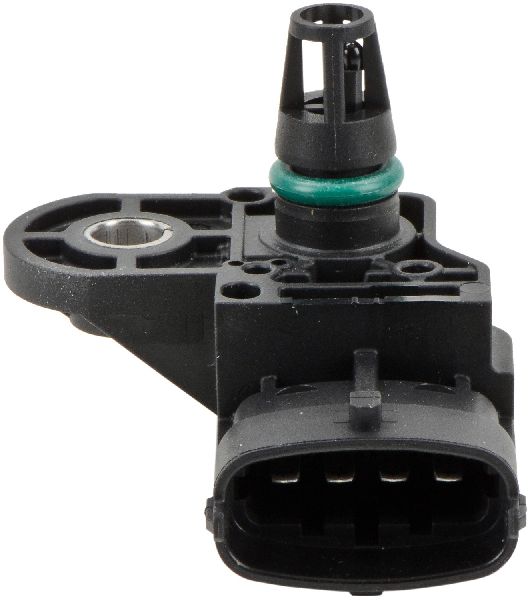
On a 2013-2016 Dodge Dart with the 2.4L engine, code P0108 is almost always caused by a failed Manifold Absolute Pressure (MAP) sensor. This sensor is critical as the 2.4L MultiAir engine is a speed-density system and does not use a Mass Airflow (MAF) sensor. Replacing the MAP sensor is a common, DIY-friendly fix with the part costing between $30 and $85. The sensor is located on the back of the intake manifold, best accessed from under the vehicle.
- P0108 on your Dodge Dart almost certainly means you need a new MAP sensor.
- This is a DIY-friendly repair that can be done in under an hour with basic tools. The sensor is on the back of the intake manifold and best reached from under the car. It is removed with a simple twist.
- Look for OEM part number 68199324AB, which replaces older versions like 68199324AA. Quality aftermarket brands like Bosch or Delphi are also reliable options.
- If you also have code P1185, it makes the diagnosis of a bad MAP sensor even more certain.
- Before buying the part, take a moment to check that the sensor's electrical plug is secure and the wires aren't visibly damaged, as a loose connection can also trigger the code.
What's Unique About the 2013-2016 Dodge Dart
For the Dodge Dart and other FCA vehicles with the 2.4L MultiAir (Tigershark) engine, the P0108 code is a straightforward fault that almost always points to the MAP sensor itself. This engine design is known for issues like high oil consumption and MultiAir system faults, but P0108 is typically a separate, distinct hardware failure. While some other codes on this platform are known to be caused by software glitches requiring a dealer update, P0108 is typically a hardware issue. This code is also frequently seen with P1185 ('General Pressure Sensor Correlation'), and when they appear together, it further strengthens the diagnosis of a faulty MAP sensor.
Symptoms You May Notice
- Check Engine Light is on
- Rough or unstable idle
- Poor acceleration or hesitation
- Decreased fuel economy
- Engine may stall, especially when coming to a stop
- Black smoke from the exhaust
- Vehicle 'bucking' or jerking during driving.
- Hard starting
- Replacing spark plugs or ignition coils without first diagnosing the MAP sensor circuit. While these can cause similar symptoms like rough idle, they won't typically set a P0108 code.
- Assuming a vacuum leak is the cause. A vacuum leak typically causes a lean condition (P0171) or a MAP performance code (P0106), not a circuit high code like P0108.
Most Likely Causes
- Faulty Manifold Absolute Pressure (MAP) Sensor 🔴 High Probability → Shop Manifold Absolute Pressure Sensor The sensor is exposed to constant heat and vibration at the back of the intake manifold. Furthermore, the 2.4L MultiAir engine is known for higher-than-average oil consumption, which can lead to oil vapor contaminating and fouling the sensor, causing it to fail.
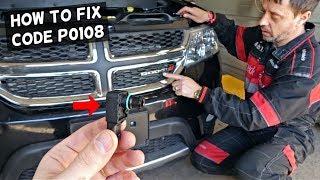
How to confirm: With the key on and engine off, use an OBD-II scanner to compare the MAP sensor reading to the Barometric Pressure (BARO) reading. They should be nearly identical. A significant difference points to a bad sensor. You can also test the sensor's voltage output with a multimeter; the signal wire should read around 4.5-5.0V with the engine off and drop to 1.0-1.8V at idle. A reading that stays high (above 4.5V) 🎬 See how to diagnose a P0108 circuit high code. when the engine is running indicates a failed sensor.
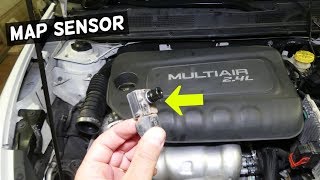
Typical fix: Replace the MAP sensor. On the 2.4L engine, it is located on the back of the intake manifold, facing the firewall, and is best accessed from underneath the vehicle, above the passenger side CV axle. 🎬 Watch this walkthrough to find and replace the sensor. After disconnecting the electrical connector, the sensor is removed by twisting it about 90 degrees counter-clockwise and pulling it out.
Est. part cost: $30-$85 - MAP Sensor Wiring or Connector Issue 🟡 Medium Probability → Shop Manifold Absolute Pressure Sensor The wiring harness is in a hot, tight location at the back of the engine, making it susceptible to heat damage or becoming loose/unseated during other repairs. The connector pins can also suffer from corrosion.
How to confirm: Visually inspect the MAP sensor's electrical connector and wiring harness for any signs of damage, such as frayed wires, corrosion in the pins, or a loose connection. Use a multimeter to check for a stable 5-volt reference and good ground at the connector with the key on.
Typical fix: Repair the damaged section of wiring or replace the connector pigtail. Ensure the connection is secure and free of corrosion. Applying dielectric grease can help prevent future moisture intrusion.
Est. part cost: $10-$30
Rare But Worth Checking
- Clogged Catalytic Converter: A severely restricted exhaust can cause excessive backpressure in the intake manifold, leading to an abnormally high MAP sensor reading. This is usually accompanied by other symptoms like a significant loss of power, especially at high RPMs, and potentially a sulfur-like smell from the exhaust.
- Faulty Powertrain Control Module (PCM): → Shop Engine Control Module (ECM) This is very rare. Before condemning the PCM, all other possibilities, including the sensor, wiring, and potential exhaust restrictions, must be exhaustively ruled out. A shop once recommended replacing the PCM for a P0108, but the issue was later traced to a clogged catalytic converter.
Diagnosis Steps
- Scan for Codes: Use an OBD-II scanner to confirm P0108 is present and check for any other codes, like P1185.
- Inspect Wiring and Connector: Visually inspect the MAP sensor connector and its wiring for any obvious damage, looseness, or corrosion. The connector is on the back of the intake manifold and may require accessing from under the car.
- Check Live Data (Key On, Engine Off): With the ignition on but the engine off, use a scanner to view live data. The MAP sensor pressure reading should be very close to the Barometric Pressure (BARO) reading. If they differ significantly, the sensor is likely faulty.
- Test Voltage at Idle: If a scanner isn't available, carefully back-probe the sensor connector with a multimeter. You should find a 5-volt reference wire, a ground wire, and a signal wire. With the engine idling, the signal wire voltage should be around 1.0-1.8V. If it remains high (e.g., above 4.5V), the sensor has failed.
- Check for Exhaust Restriction: If the MAP sensor and wiring test good, consider a restricted exhaust. Check for a significant loss of power at higher RPMs. A backpressure test at the upstream O2 sensor port can confirm a clogged catalytic converter.
- Replace the MAP Sensor: If the sensor provides incorrect data or fails voltage tests, replace it. This is the most common solution.
- Clear Codes and Test Drive: After the repair, clear the trouble codes with the scanner and perform a test drive to ensure the code does not return.
Parts You'll Likely Need
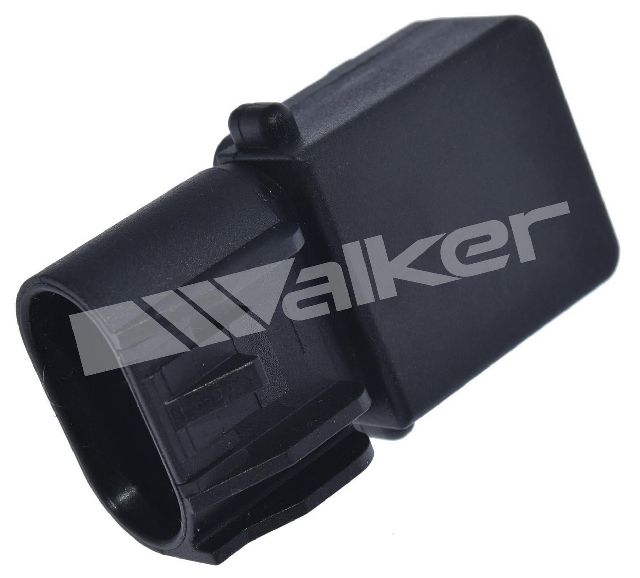
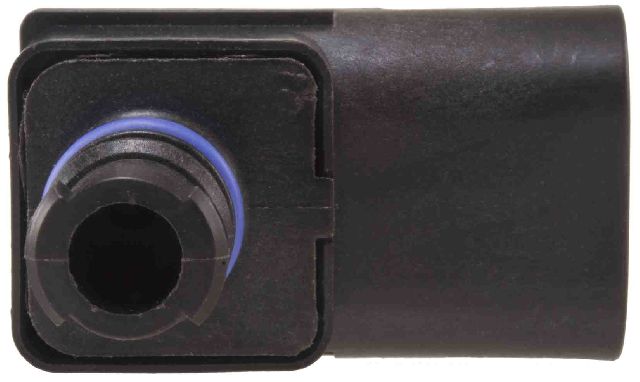
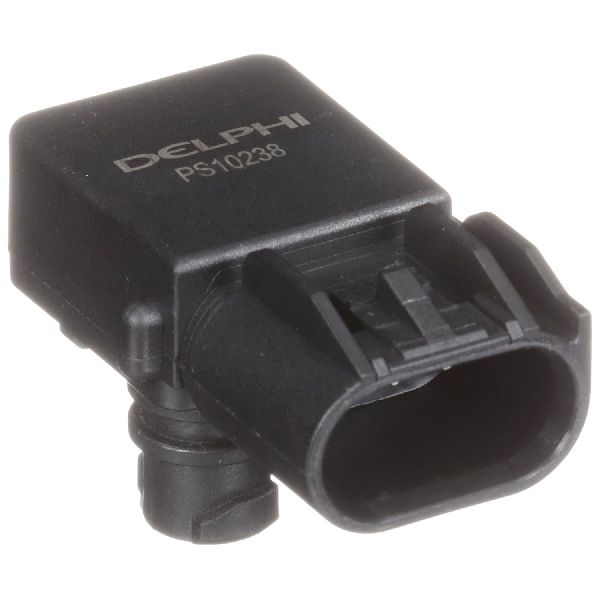
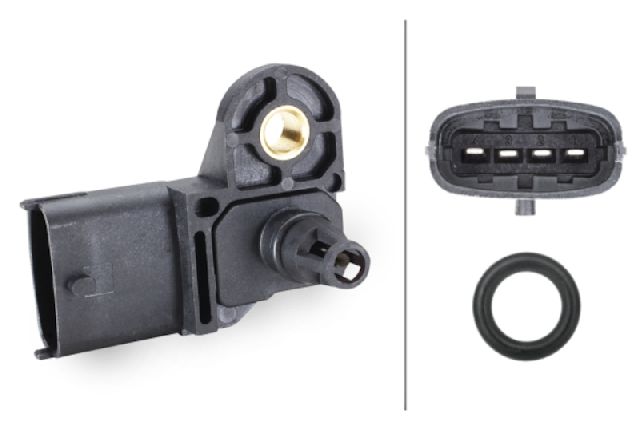
- Manifold Absolute Pressure (MAP) Sensor
(OEM #68199324AB)— This sensor is the most frequent point of failure for code P0108 on the 2.4L MultiAir engine due to its location, function, and susceptibility to oil contamination.
Trusted brands: Mopar, Bosch, Delphi, Standard Motor Products (SMP)
OEM price range: $50-$85
Aftermarket price range: $30-$60
Related Codes That Often Appear With This One
- P1185 — P1185 stands for 'General Pressure Sensor Correlation'. The PCM sets this code when it detects a mismatch between the MAP sensor's reading and what it expects based on other inputs. Since a faulty MAP sensor sending a constant high signal (P0108) is a primary cause of this mismatch, the two codes frequently appear together.
Technical Service Bulletins (TSBs) & Recalls
- While there are no TSBs that directly and exclusively address P0108 on the Dodge Dart, several TSBs for other Chrysler vehicles with similar engines (like TSB 18-033-12 for the 3.6L Journey) have been issued for a P0108 code caused by a software glitch. This reinforces that checking for PCM software updates is a valid, though less likely, diagnostic step for the Dart if a new sensor and clear wiring do not resolve the issue.
Platform-Specific Known Issues
- Owner Experience: Simple Sensor Swap Fix: Multiple owners on YouTube and forums report that for a P0108, often accompanied by P1185, a direct replacement of the MAP sensor resolved all symptoms, including rough idle and stalling. 🎬 Watch how one owner fixed a rough idling Dart. The repair is consistently shown to be straightforward after locating the sensor on the back of the intake manifold.
- Real-World Repair Story: Misdiagnosis and Eventual Fix: An owner of a Dodge truck with a P0108 code detailed a lengthy diagnostic process on DodgeForum.com. After replacing the MAP sensor twice with no success, and after a shop incorrectly suggested a new PCM, the problem was eventually traced to a clogged catalytic converter which created enough backpressure to cause the high MAP reading. This highlights a rare but important alternative cause if a new sensor doesn't fix the issue.
- Accessing the Sensor: Mechanics and DIYers repeatedly state that while the sensor itself is easy to replace (unplug, twist 90 degrees, pull out), getting to it is the main challenge. On the Dart 2.4L, it is located on the back of the intake manifold toward the firewall, and the consensus is that accessing it from underneath the vehicle is the most effective method.
Mechanic-Grade Diagnostic Values
- MAP Sensor 5V Reference Supply — expected: 4.5 to 5.0 Volts DC (Key On, Engine Off). Failure: Voltage significantly below 4.5V points to a wiring or PCM fault.
- MAP Sensor Signal Voltage (Key On, Engine Off) — expected: 4.5 to 5.0 Volts DC (at sea level, should match BARO reading). Failure: Voltage stuck high (near 5V) when the engine is running, or a reading that doesn't match BARO with engine off.
- MAP Sensor Signal Voltage (Engine Idling) — expected: 1.0 to 1.8 Volts DC. Failure: Voltage remains high (near KOEO reading) and does not drop when the engine starts and idles.
- MAP Sensor Ground Circuit — expected: Less than 0.1 Volts (100 millivolts). Failure: Voltage significantly higher than 0.1V indicates a poor ground connection.
Scan Tool Commands That Help
- wiTECH (Dealer Tool): PCM Flash / Reprogramming — Used to apply software updates. While less common for P0108 on the Dart, TSBs for other Chrysler vehicles show this can be a fix for falsely triggered P0108 codes. This should be considered only after hardware (sensor, wiring) is ruled out.
Wiring & Ground Locations
- MAP Sensor Connector (3-Pin) — On the MAP sensor, located on the back of the intake manifold, accessed from under the vehicle.. This is the primary connection point. Pins can corrode or the connector can become loose, causing a 'Circuit High' fault. Based on similar Chrysler 2.4L platforms, the pinout is typically: Pin 1: Sensor Ground, Pin 2: 5V Reference, Pin 3: Signal to PCM. Wire colors may be Pink (Signal), Yellow (5V Supply), and Green (Ground).
- Engine to Chassis Ground Strap — Located under the front driver's side of the vehicle, connecting the frame rail to the engine/transmission area.. This is a critical ground path for the entire powertrain. These are notorious for corrosion on the Dart platform, leading to a wide range of electrical issues, including erratic sensor readings. Cleaning the contact points for this ground is a common fix for unexplained electrical gremlins.
Real Owner Repair Stories
- YouTube channel 'Electrical Car Repair LIVE' (2015 Dodge Dart 2.4L) — Check Engine Light with codes P0108 and P1185.
❌ Tried (didn't work) The video directly diagnoses the issue as the MAP sensor.
✅ What actually fixed it Replacing the Manifold Absolute Pressure (MAP) sensor and clearing the codes resolved the issue. The engine light stayed off after replacement. - YouTube channel 'ThatCuh' (2013 Dodge Dart 2.0L (similar electrical architecture)) — No crank, no start, various electrical issues.
❌ Tried (didn't work) Replacing the starter motor did not fix the no-start condition.
✅ What actually fixed it The main engine-to-chassis ground strap under the driver's side was heavily corroded. Cleaning the corrosion from the ground points on the frame and the engine block restored the connection and fixed the no-start issue for $0. This is a common failure point that can cause sensor codes.
OEM Part Supersession History
5033310AC, 5149091AA, 68199324AA→68199324AB— Standard part revision and consolidation by the manufacturer.
Heads up: Some parts vendor data includes an application note 'After 07/21/14', suggesting there may have been a mid-cycle change. However, the part is listed for the full 2013-2016 range. It is best to verify fitment with a VIN.
Diagnostic Flowchart
Real Owner Stories
Aggregated from forums and TSBs cited above. Mileages and costs reflect what owners reported in those sources.
2015 Dodge Dart 2.4L MultiAir
Symptoms: Triggered code P0108 (manifold absolute pressure sensor barometric pressure circuit high) along with a secondary code P1185.
What fixed it: Replacing the MAP sensor located on the intake manifold.
Source hint: YouTube comment - Electrical Car Repair LIVE
Dodge truck
Symptoms: Persistent P0108 code that would not clear even after replacing the MAP sensor twice. A repair shop incorrectly suggested replacing the PCM.
What fixed it: Replacing a clogged catalytic converter, which was creating enough backpressure to cause the high MAP reading.
Source hint: DodgeForum.com - 'P0108 - the code that keeps on giving'
Related OBD-II Codes
Frequently Asked Questions
Why is the 2.4L MultiAir engine in my Dodge Dart so prone to the P0108 code?
I have a P0108 and a P1185 code on my Dart. Are they related?
Where is the MAP sensor located on the 2013-2016 Dart 2.4L, and how do I replace it?
I replaced the MAP sensor on my Dart but the P0108 code came back. What else could it be?
Are there any TSBs for the P0108 code on the Dodge Dart?
Can a clogged catalytic converter cause a P0108 code on my Dodge?
Helpful Videos
We Have This Part in Stock


The information in this article is provided for general reference and educational purposes only. Vehicle specifications, procedures, and part compatibility can vary by production date, trim level, and region. Always consult your vehicle's factory service manual and verify part numbers before purchasing or performing repairs. Safety-critical components such as airbags, seat belts, and braking systems should be installed by a qualified professional.
- Dodge Dart:
- 🧭 Diagnostic Flowchart
- 🎬 Helpful Videos
- 🛍️ Shop This Part
- What's Unique About the 2013-2016 Dodge Dart
- Symptoms You May Notice
- Most Likely Causes
- Rare But Worth Checking
- Diagnosis Steps
- Parts You'll Likely Need
- Related Codes That Often Appear With This One
- Technical Service Bulletins (TSBs) & Recalls
- Platform-Specific Known Issues
- Mechanic-Grade Diagnostic Values
- Scan Tool Commands That Help
- Wiring & Ground Locations
- Real Owner Repair Stories
- OEM Part Supersession History
- Real Owner Stories
- 2015 Dodge Dart 2.4L MultiAir
- Dodge truck
- Related OBD-II Codes
- Frequently Asked Questions
- 🎟️ Get 5% Off