

P0136 on 2005-2015 Toyota Tacoma 2.7L: O2 Sensor Circuit Causes and Fixes
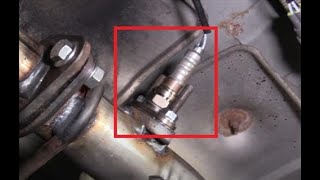
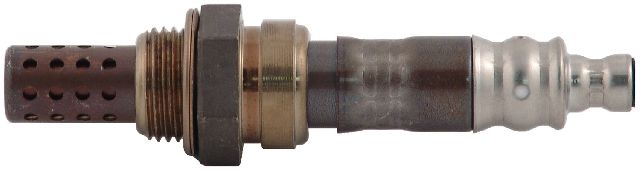
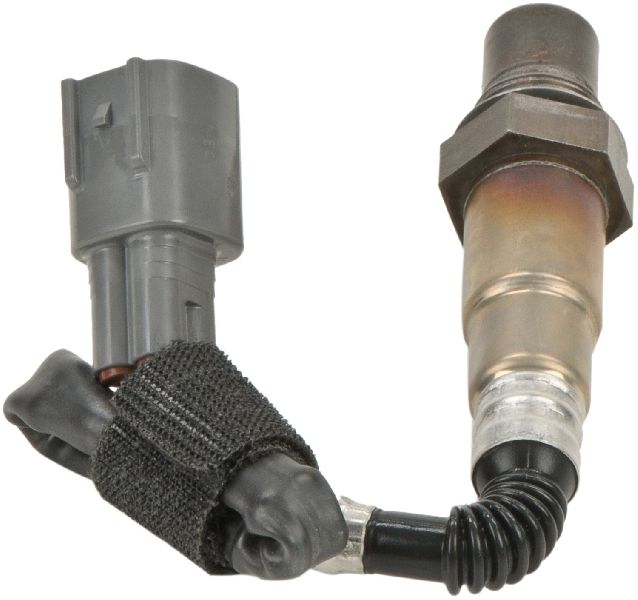
On a 2nd Gen Tacoma with the 2.7L engine, code P0136 almost always points to a failed downstream oxygen sensor (Bank 1, Sensor 2). This sensor is located under the truck, in the exhaust pipe after the catalytic converter. The most common fix is replacing the sensor with a Denso part (234-4261), which costs around $50-$100. Before replacing, check the wiring underneath the truck for damage from road debris or heat, as this is a frequent secondary cause.
- P0136 on your 2.7L Tacoma almost certainly means the downstream oxygen sensor (after the catalytic converter) has failed.
- Before ordering a new sensor, do a quick visual check of the wiring harness underneath the truck for any obvious damage, as this is a common secondary cause.
- Always use a high-quality Denso (234-4261) or OEM replacement sensor to avoid compatibility issues with the Toyota ECU.
- If a new sensor doesn't fix the code, check for small exhaust leaks, especially at the sensor's own mounting gasket.
What's Unique About the 2005-2015 Toyota Tacoma
For the second-generation Tacoma, this code is extremely common and the diagnostic path is well-established by owners. The primary cause is simply the O2 sensor failing from age. However, these trucks are often used in rugged conditions, making the sensor's wiring harness vulnerable to physical damage from off-roading or road debris, which is a frequent secondary cause. It's also known that the Toyota ECM is sensitive and works best with the original equipment (OE) Denso brand sensors; using other brands can sometimes cause the code to return.
Symptoms You May Notice
- Check Engine Light is on
- VSC (Vehicle Stability Control) and TRAC (Traction Control) lights may also turn on. This is a standard Toyota feature to indicate an engine/emissions fault.
- Failure to pass an emissions inspection
- In rare cases, a slight decrease in fuel economy
- Replacing the catalytic converter. P0136 points to a sensor circuit issue, not the converter's efficiency. A bad converter typically triggers code P0420.
- Replacing the upstream Air/Fuel Ratio sensor (Sensor 1) first. The code specifically identifies Sensor 2 (downstream).
- Using a cheap, universal, or non-Denso brand oxygen sensor. Toyota ECUs can be picky and may reject the signal from non-OE spec sensors, causing the code to return.
Most Likely Causes
- Failed Downstream Oxygen Sensor (Bank 1, Sensor 2) 🔴 High Probability → Shop Oxygen Sensor Oxygen sensors are consumable parts that degrade over time from heat and contaminants. It's the most common failure point for this code on high-mileage Tacomas.
How to confirm: Use a scan tool to monitor the live data for the B1S2 O2 sensor. A healthy sensor will show a relatively steady voltage (typically above 0.5V) on a warm engine. A sensor that is stuck, has a flat-line voltage, or responds very slowly is likely bad. A healthy sensor's voltage should change from below 0.4V to above 0.6V when the throttle is snapped.
Typical fix: Replace the downstream oxygen sensor. Soaking the old sensor's threads with penetrating oil before removal is highly recommended. An O2 sensor socket (22mm or 7/8") will make the job easier.
Est. part cost: $50-$100 - Damaged Wiring Harness or Connector 🟡 Medium Probability The wiring for the downstream sensor is routed under the truck and is susceptible to damage from road debris, heat from the exhaust, or being snagged during off-road use. Owners have reported the harness melting on the exhaust pipe.
How to confirm: Visually inspect the entire length of the wiring from the O2 sensor to its connection point. Look for any signs of chafing, melting, corrosion in the connector, or breaks in the wire. Perform a continuity test on the wires if visual inspection is inconclusive. A load test using an incandescent bulb can help identify high-resistance connections that a multimeter might miss.
Typical fix: Repair the damaged section of wire or replace the connector. If the damage is severe, a new harness section may be needed.
Est. part cost: $10-$50 - Exhaust Leak ⚪ Low Probability Rust can cause leaks at exhaust flange gaskets or create cracks in the pipe itself, especially on older, high-mileage trucks or those in rust-prone areas. A leak near the sensor allows outside air in, skewing readings.
How to confirm: Listen for ticking or hissing sounds from the exhaust, especially when the engine is cold. Look for black soot marks around exhaust flanges or connections. A small leak near the sensor can introduce outside air and skew its readings. A common, and often overlooked, leak source is a damaged or improperly seated gasket for the O2 sensor itself.
Typical fix: Replace the leaking gasket or repair the cracked exhaust pipe. One owner on TacomaWorld fixed a persistent P0136 by discovering the old sensor gasket had come off in pieces, preventing the new sensor from sealing properly. After cleaning the flange and ensuring a good seal, the code was resolved.
Est. part cost: $20-$100
Rare But Worth Checking
- Failing Upstream Air/Fuel Ratio Sensor (Bank 1, Sensor 1): → Shop Oxygen Sensor In some documented cases, a faulty upstream A/F sensor can cause the engine to run rich, leading the ECM to incorrectly flag the downstream sensor. If you've replaced the downstream sensor and checked wiring with no success, the upstream sensor could be the culprit.
- Faulty Engine Control Module (ECM): This is extremely rare. Before condemning the ECM, all other possibilities (sensor, wiring, exhaust leaks) must be exhaustively ruled out by a professional. There was a TSB for older (2002) models that involved replacing the ECM for this code, but it is not common for the 2nd Gen.
Diagnosis Steps
- Connect an OBD-II scanner to confirm the P0136 code and check for any other related codes.
- Perform a visual inspection of the downstream O2 sensor (Bank 1, Sensor 2) and its wiring harness. Look for obvious signs of damage, such as melted wires, chafing against the frame, or a corroded connector.
- With a scan tool, observe the live data for the B1S2 voltage with the engine warm and running. A healthy sensor should show a relatively stable voltage. A voltage that is stuck, flat-lined near zero, or fluctuating wildly indicates a problem.
- Inspect the exhaust system for leaks between the upstream sensor and the downstream sensor. Listen for hissing/ticking sounds and look for soot trails. Pay special attention to the gasket where the O2 sensor mounts.
- If the wiring and exhaust are good, the most likely culprit is the oxygen sensor itself. Test the sensor's internal heater circuit with a multimeter; it should have a specific resistance value (refer to a service manual). An open circuit means the heater is bad and the sensor needs replacement.
- For persistent issues, check the sensor circuit ground. A forum member recommended specifically checking the ground from pin #4 of the sensor connector to ground point 'EF'.
- Replace the Bank 1 Sensor 2 oxygen sensor. It is highly recommended to use an OEM or Denso-branded part.
- Clear the code with the scanner and perform a drive cycle to ensure the Check Engine Light does not return.
Parts You'll Likely Need
- Downstream Oxygen Sensor (Bank 1, Sensor 2)
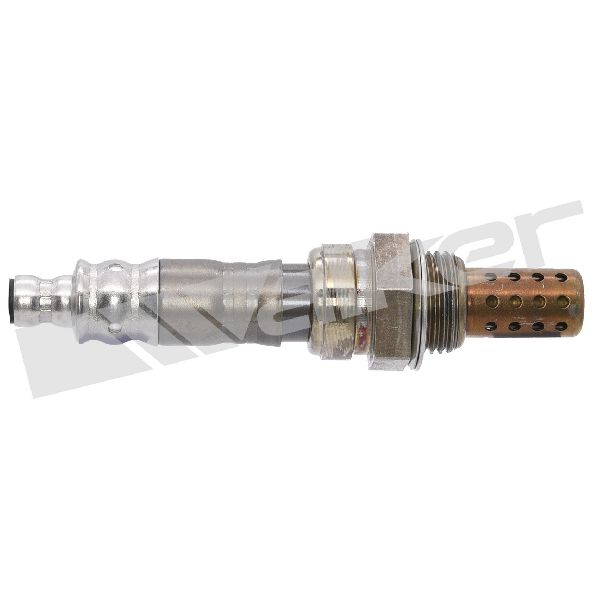
(OEM #89465-04280)— This is the most common failure point for a P0136 code. The sensor is a consumable part that wears out over time.
Trusted brands: Denso (OEM Supplier, Part No. 234-4261), NGK/NTK, Bosch
OEM price range: $100-$180
Aftermarket price range: $50-$100
Related Codes That Often Appear With This One
- P0137 — Indicates O2 Sensor Circuit Low Voltage, which is a more specific version of the general circuit malfunction reported by P0136.
- P0138 — Indicates O2 Sensor Circuit High Voltage, which points to a problem within the same sensor circuit, possibly a short to power.
- P0141 — Indicates a malfunction in the heater circuit for the same O2 sensor. A failed heater will often cause a P0136 code to be set as well, since the sensor cannot get to operating temperature quickly enough.
Platform-Specific Known Issues
- Exhaust Leak at Sensor Gasket: A user on TacomaWorld.com reported chasing a P0136 code after replacing the sensor. The issue was a poor seal because the old gasket had broken apart and a piece remained on the flange. After scraping the flange clean and reinstalling the new sensor with its gasket, the leak was fixed and the code disappeared.
Mechanic-Grade Diagnostic Values
- B1S2 O2 Sensor Heater Circuit Resistance — expected: 11 - 16 Ω at 20°C (68°F). Failure: A reading of OL (Open Loop/infinite resistance) or a value significantly outside the specified range indicates a failed internal heater, which can cause P0136.
- B1S2 O2 Sensor Voltage (ECM Active Test) — expected: Voltage fluctuates normally.. Failure: If the sensor voltage does not decrease to less than 0.21 V and does not increase to more than 0.59 V during a forced lean/rich active test, the ECM determines the sensor is malfunctioning and sets P0136.
- B1S2 O2 Sensor Voltage (Throttle Snap Test) — expected: Alternates from below 0.4 V to above 0.6 V.. Failure: A slow or non-responsive voltage that remains stuck indicates a faulty sensor.
Hidden / Shadow Codes Worth Checking
- Internal ECM Impedance Test: The ECM continuously monitors the internal impedance of the heated oxygen sensor while the engine is running. If the measured impedance deviates from the standard range, the ECM determines there is a malfunction. This is a background test that contributes to setting code P0136. (see via This is an internal ECM process and not directly viewable on a standard scan tool. Its failure results in the P0136 code being set.)
Scan Tool Commands That Help
- Toyota Techstream: Active Test: A/F Control — This bidirectional command is used to manually force the engine's air-fuel ratio rich and lean. By observing the B1S2 sensor's voltage response on the live data graph (User Data > O2S B1 S2), a technician can confirm if the sensor is responding correctly to changes in exhaust oxygen content, or if it is slow, stuck, or non-responsive.
Wiring & Ground Locations
- Driver-Side Kick Panel Ground — Located behind the vertical plastic panel next to the driver's left foot.. This is a major body ground junction. High resistance or corrosion at this point can cause a variety of electrical issues, including erratic sensor readings for components grounded to the chassis.
- A/F HEATER Fuse & Relay — Located in the main fuse/relay box in the engine compartment.. This 25A fuse and associated relay provide power to the oxygen sensor's heater circuit. A blown fuse or faulty relay will prevent the sensor from reaching operating temperature, leading to circuit performance codes like P0136, often accompanied by a heater code like P0141.
When the Usual Fixes Don't Work
- While the most common fix for P0136 is replacing the sensor, if the code returns, the cause is often more complex. On modified trucks, a common culprit that is often missed is a failed aftermarket O2 sensor simulator. These electronic devices are installed with high-flow or cat-less exhaust systems to prevent a P0420 code, but when the simulator itself fails, it can trigger a P0136 circuit code. A technician might replace the sensor multiple times without realizing the true fault lies in the non-OEM electronic device spliced into the harness.
OEM Part Supersession History
89465-04280→N/A— Part number remains valid for a portion of the generation.
Heads up: There is conflicting fitment data for the common aftermarket Denso replacement. Denso 234-4261 is listed for early models (approx. 2005-2006). Other sources cross-reference the OEM part number to Denso 234-4624 for later models. This indicates a potential mid-generation part change. Always verify the correct part number by VIN before purchasing.
Model Year Variations Within This Range
- 2013-2015: The exhaust hanger locations on the cat-back portion of the exhaust system were changed starting in 2013. While this doesn't directly affect the sensor, it indicates a modification to the exhaust system late in the generation's life.
- Approx. 2005-2007 vs 2008-2015: The specific downstream oxygen sensor part number may have changed. Early models may use a different sensor (e.g., Denso 234-4261) than later models. This is a critical distinction when ordering replacement parts.
Diagnostic Flowchart
Other Known Issues on This Vehicle
Issues unrelated to this code that are worth knowing about as an owner of this generation:
- Frame Rust Perforation 🔴 High — Extremely common, especially for vehicles in cold climates with road salt. Affects 2005-2010 models most severely, leading to a major class-action lawsuit and warranty extension program. (Ref: Customer Support Program (CSP) ZKA for 2005-2010 models.)
- Rear Leaf Spring Fracture 🔴 High — Common on 2005-2011 models, the original 2 or 3-leaf springs were prone to cracking or breaking, which could potentially puncture the fuel tank. (Ref: NHTSA Recall 14V-604 (Toyota Safety Recall E02) covered the replacement of leaf springs on affected trucks.)
- Secondary Air Injection System Failure 🟠 Medium — Common across all 2nd gen Tacomas. The foam filter inside the air pump disintegrates, gets sucked into the pump, and causes it to seize or burn out, triggering codes like P2440, P2442, and P2445. (Ref: No recall, but a very widely documented failure mode.)
- Front Crankshaft Seal Oil Leak 🟡 Low — Affected earlier models in the generation (pre-2008). The original seal could leak oil. Toyota later used a revised part. (Ref: No official recall, but a known issue addressed with a revised part in later production years.)
- Cracked Exhaust Manifold 🟡 Low — Not widespread, but there are reports of the factory exhaust manifold developing cracks over time, which can cause an exhaust leak and related sensor codes.
Used vs. New Parts: Buying Guide for This Vehicle
When a used part is the smart pick: For this repair, a used part is only recommended for the wiring connector pigtail. If the vehicle-side connector is damaged, sourcing a pigtail from a junkyard vehicle is a cost-effective and reliable repair method.
Donor-vehicle mileage cap: roughly under 150000 miles for the part to have meaningful remaining life.
What to inspect on the donor part:
- For a wiring pigtail, ensure the plastic is not brittle or cracked.
- Check that the connector's locking tab is intact.
- Inspect the wire insulation for flexibility and ensure it's not cracked or heat-damaged.
- Look at the metal pins inside the connector for any signs of green or white corrosion.
OEM-only on this vehicle (don't cheap out):
- Oxygen Sensor: Due to the sensitivity of the Toyota ECM, it is strongly recommended to use either a genuine Toyota sensor or one from the OEM supplier, Denso. Using other brands is a common cause for the code to return.
Aftermarket brands forum-validated for this vehicle:
- Denso (OEM Supplier)
- NGK / NTK
Brands owners have reported issues with on this vehicle:
- Universal sensors that require cutting and splicing wires.
- Cheap, unbranded sensors from online marketplaces.
Real Owner Stories
Aggregated from forums and TSBs cited above. Mileages and costs reflect what owners reported in those sources.
2010 Toyota Tacoma 2.7L
Symptoms: Check engine codes P0136 and P0138; replaced the sensor but the codes returned.
What fixed it: Discussion indicated a need to investigate wiring and other circuit components beyond just the sensor.
Source hint: TacomaWorld.com Thread 'Check engine codes p0136 and p0138' (URL: https://www.tacomaworld.com/threads/check-engine-codes-p0136-and-p0138.328365/)
2005-2015 Toyota Tacoma 2.7L
Symptoms: Persistent P0136 code even after installing a new sensor.
What fixed it: Discovered the old sensor gasket had come off in pieces and remained on the flange; after cleaning the flange and ensuring a proper seal with a new gasket, the code was resolved.
Source hint: TacomaWorld.com Thread 'code p0136' (URL: https://www.tacomaworld.com/threads/code-p0136.495286/)
2005-2015 Toyota Tacoma 2.7L
Symptoms: Repeated P0136 issues and Check Engine Light.
What fixed it: Repairing damaged wiring that had melted on the exhaust pipe.
Source hint: TacomaWorld.com Thread 'CEL - P0136 (Repeated Issues)' (URL: https://www.tacomaworld.com/threads/cel-p0136-repeated-issues.343333/)
Documented NHTSA Reports
Toyota Vehicle Diagnostic Report
Symptoms: Check engine light illumination with a failure code of P0136 oxygen sensor malfunction.
What fixed it: A dealer diagnostic report confirmed the malfunction and advised that the sensor should be replaced to resolve the issue (NHTSA ODI #10194123).
Toyota Electrical System Complaint
Symptoms: Persistent P0136 Bank 1 Sensor 2 error code despite having several mechanics replace the downstream O2 sensor.
What fixed it: The owner reported that the code continued to show even after sensor replacement, suggesting deeper electrical or circuit issues (NHTSA ODI #11377970).
Related OBD-II Codes
Frequently Asked Questions
Why are my VSC and TRAC lights on along with the Check Engine Light for code P0136?
Which specific oxygen sensor should I replace for a P0136 code on my 2.7L Tacoma?
Is there a specific brand of sensor recommended for the 2TR-FE engine?
I replaced the sensor but the P0136 code came back. What else should I check?
Could an exhaust leak cause this code on my high-mileage truck?
Is there a recall for the frame or leaf springs that might be related to my Tacoma's age?
Helpful Videos

We Have This Part in Stock


The information in this article is provided for general reference and educational purposes only. Vehicle specifications, procedures, and part compatibility can vary by production date, trim level, and region. Always consult your vehicle's factory service manual and verify part numbers before purchasing or performing repairs. Safety-critical components such as airbags, seat belts, and braking systems should be installed by a qualified professional.
- Toyota Tacoma:
- 🧭 Diagnostic Flowchart
- 🎬 Helpful Videos
- 🛍️ Shop This Part
- What's Unique About the 2005-2015 Toyota Tacoma
- Symptoms You May Notice
- Most Likely Causes
- Rare But Worth Checking
- Diagnosis Steps
- Parts You'll Likely Need
- Related Codes That Often Appear With This One
- Platform-Specific Known Issues
- Mechanic-Grade Diagnostic Values
- Hidden / Shadow Codes Worth Checking
- Scan Tool Commands That Help
- Wiring & Ground Locations
- When the Usual Fixes Don't Work
- OEM Part Supersession History
- Model Year Variations Within This Range
- Other Known Issues on This Vehicle
- Used vs. New Parts: Buying Guide for This Vehicle
- Real Owner Stories
- 2010 Toyota Tacoma 2.7L
- 2005-2015 Toyota Tacoma 2.7L
- 2005-2015 Toyota Tacoma 2.7L
- Documented NHTSA Reports
- Toyota Vehicle Diagnostic Report
- Toyota Electrical System Complaint
- Related OBD-II Codes
- Frequently Asked Questions
- 🎟️ Get 5% Off