

P0269 on 2003-2017 Honda Accord V6: Cylinder 3 Contribution Fault Causes and Fixes
On a Honda Accord V6, code P0269 almost always points to a faulty or clogged fuel injector on cylinder 3. Replacing the single injector is the most common fix. Expect to pay around $50-$100 for an aftermarket injector or $150-$250 for an OEM part.
- P0269 on your Accord V6 means cylinder 3 is underperforming, most likely due to a bad fuel injector.
- Diagnosis is straightforward: start by swapping the ignition coil, then the spark plug, with a neighboring cylinder to see if the problem 'moves'.
- If the problem doesn't move after swapping ignition and spark parts, the fuel injector is the prime suspect.
- Cylinder 3 is on the rear bank of the engine against the firewall, the third cylinder from the passenger side.
- Do not ignore this code, as it can lead to costly catalytic converter damage if left unaddressed.
What's Unique About the 2003-2017 Honda Accord
While P0269 is a generic code, on Honda's J-series V6 engines, it is very frequently traced back to a failing fuel injector for cylinder 3. While other issues like spark plugs or coils can cause it, the fuel injectors are a known weak point. Honda has issued warranty extensions for fuel injectors on other V6 models of the same era due to manufacturing issues, suggesting a pattern of injector problems. For models with Variable Cylinder Management (VCM), repeated deactivation of cylinders can lead to uneven wear and spark plug fouling, which can also contribute to this code. Cylinder 3 is located on the rear bank of the engine against the firewall, making access slightly more difficult than the front cylinders.
Generation note: This guide covers the 7th (2003-2007), 8th (2008-2012), and 9th (2013-2017) generation Honda Accords equipped with the J-series V6. The V6 engine was discontinued for the Accord after the 2017 model year. The fundamental causes and diagnostic steps for P0269 are consistent across these generations, though part numbers for components like fuel injectors differ.
Symptoms You May Notice
- Rough or vibrating idle
- Noticeable loss of engine power and sluggish acceleration
- Engine hesitation or stumbling
- Check Engine Light is on and may be flashing
- Audible popping or sputtering sound from the engine bay
- Decreased fuel economy
- Black smoke from the exhaust due to unburned fuel
- Replacing the oxygen (O2) sensors. While a bad O2 sensor can cause performance issues, it will typically set its own specific codes and is unlikely to cause a contribution fault for a single cylinder.
- Replacing the fuel pump. Unless you have codes for multiple cylinders or other fuel pressure-related codes, a system-wide component like the fuel pump is unlikely to be the cause of a single-cylinder fault.
Most Likely Causes
- Faulty or Clogged Fuel Injector 🔴 High Probability → Shop Fuel Injector Fuel injectors are a commonly reported failure item for this code on Honda J-series engines. Debris or internal electrical failure can prevent it from delivering the correct amount of fuel.
How to confirm: After ruling out the spark plug and ignition coil, swap the cylinder 3 fuel injector with another cylinder (e.g., cylinder 2). Clear the codes and drive. If the code changes to P0266 (Cylinder 2 Contribution/Balance), the injector is confirmed bad. You can also test the injector's resistance with a multimeter; it should be between 11 and 18 Ohms for a high-impedance injector.
Typical fix: Replace the faulty fuel injector. It is often recommended to replace all three rear injectors at the same time due to the labor involved in accessing the rear fuel rail. Some owners choose to replace all six.
Est. part cost: $50-$250 - Bad Ignition Coil 🟡 Medium Probability → Shop Ignition Coil Ignition coils are a common wear item. A weak or failed coil won't produce a strong enough spark for proper combustion.
How to confirm: Swap the ignition coil from cylinder 3 with another cylinder (e.g., cylinder 2). Clear the codes and drive the vehicle. If the fault code changes to P0266 (for cylinder 2), the ignition coil is the problem.
Typical fix: Replace the faulty ignition coil. It's a simple, single-bolt replacement. 🎬 See this walkthrough for replacing your ignition coils.
Est. part cost: $40-$80 - Worn Spark Plug 🟡 Medium Probability → Shop Spark Plug Spark plugs are a routine maintenance item. A fouled or worn-out plug will cause a weak or inconsistent spark, leading to incomplete combustion. This is especially true on VCM engines which are known to foul plugs on the deactivating cylinders (cylinders 1, 2, 3, and 4).
How to confirm: Visually inspect the spark plug for wear, fouling, or damage. For a more definitive test, swap the spark plug from cylinder 3 with another cylinder. If the code follows the plug, it needs to be replaced.
Typical fix: Replace the spark plug. It is best practice to replace all six spark plugs at the same time if they are near the end of their service life. 🎬 Watch: DIY tutorial for changing spark plugs on the V6.
Est. part cost: $10-$25
Rare But Worth Checking
- Low Engine Compression: If swapping the injector, coil, and plug doesn't resolve the issue on cylinder 3, a mechanical problem like a worn piston ring, bad valve, or head gasket leak could be the cause. This requires a compression test to confirm and is a much more serious repair.
- Damaged Injector Wiring or Connector: The wiring harness or the electrical connector for the cylinder 3 injector can become damaged, corroded, or loose, causing an intermittent signal. A visual inspection and a wiggle test of the connector while the engine is running can sometimes identify this.
- PCM Fault: In very rare cases, the Powertrain Control Module (PCM) itself can fail. This should only be considered after all other possibilities have been exhaustively ruled out by a professional.
Diagnosis Steps
- Read the trouble codes with an OBD-II scanner and confirm P0269 is present. Note any other codes.
- Locate cylinder 3. On the transverse J-series V6, the cylinders against the firewall are 1-2-3, 🎬 Watch: How to identify cylinder numbers and firing order. from passenger side to driver side. Cylinder 3 is the one on the rear bank closest to the driver.
- Swap the ignition coil from cylinder 3 with an adjacent cylinder on the same bank (e.g., cylinder 2). Clear the codes and run the engine. If the code changes to P0266 (Cylinder 2 Contribution), the coil is bad.
- If the code remains P0269, swap the spark plugs between cylinder 3 and another cylinder. If the code moves, the spark plug is bad.
- If the code still remains P0269, the fuel injector is the most likely culprit. Inspect the injector's wiring and connector for any visible damage or corrosion.
- To definitively confirm a bad injector, swap the fuel injector from cylinder 3 with another cylinder (e.g., cylinder 2). This is more labor-intensive as it requires removing the fuel rail. If the code moves to P0266, the injector is faulty and needs replacement.
- If the code still stays on cylinder 3 after all swaps, it's time to check for a mechanical engine problem. Perform a compression test on cylinder 3 and compare the reading to the other cylinders. A significant loss of compression indicates an internal engine issue.
Parts You'll Likely Need
- Fuel Injector
(OEM #16450-RCA-A01 (for 2003-2007 3.0L V6), 16450-R70-A01 (for 2008-2017 3.5L V6))— This is the most common cause of P0269 on the Honda J-series V6 engine.
Trusted brands: Denso, Bosch, Standard Motor Products
OEM price range: $150-$250
Aftermarket price range: $50-$100 - Ignition Coil
(OEM #30520-RCA-A02 (or similar, varies by year))— A failed ignition coil is the second most likely cause, preventing proper spark and combustion.
Trusted brands: Denso, NGK, Hitachi
OEM price range: $70-$120
Aftermarket price range: $40-$80 - Spark Plug — A fouled or worn spark plug is a common maintenance item that can cause this code.
Trusted brands: NGK, Denso
OEM price range: $15-$25
Aftermarket price range: $10-$20
Related Codes That Often Appear With This One
- P0303 — P0303 means 'Cylinder 3 Misfire Detected'. P0269 is a more specific type of misfire code where the computer has measured the power loss. They frequently appear together.
- P0203 — This code means 'Cylinder 3 Injector Circuit Malfunction'. If you see this with P0269, it strongly points to an electrical problem with the injector or its wiring, not a clog.
Technical Service Bulletins (TSBs) & Recalls
- Honda Service Bulletin 19-016 / NHTSA 19V060000: Safety Recall for 2015-17 Accord V6 fuel pump and fuel injection ECU software update.
- Honda Service Bulletin 22-002: Warranty extension for fuel injectors on certain V6 models (Odyssey, Pilot, Ridgeline) which, while not covering the Accord directly, shows a pattern of injector issues for the J-series engine family.
Platform-Specific Known Issues
- A recall was issued for some 2015-2017 Accord V6 models for a potential fuel pump failure that could lead to stalling. The fix involved a software update and, if a stall was confirmed, a low-pressure fuel pump replacement (Honda Service Bulletin 19-016). While not a direct cause of a single-cylinder code, it highlights fuel system sensitivities on these models.
- Honda has extended the warranty on fuel injectors for other V6 models (like the Pilot and Odyssey) from this era, indicating a known pattern of injector failures that can cause P0269.
Mechanic-Grade Diagnostic Values
- Fuel Injector Resistance — expected: 11 to 18 Ohms for high-impedance injectors, which are common on these models. Some earlier models may use low-impedance injectors with a resistance of 1.5-2.5 Ohms.. Failure: A reading significantly outside the expected range, or an open circuit (infinite resistance), indicates a failed injector coil.
- Fuel Pressure (at idle) — expected: Approximately 380-430 kPa (55-63 psi) for 7th generation models (2003-2007). For later models, with the vacuum hose to the regulator reconnected, pressure should be 38-46 PSI.. Failure: Pressure significantly below the specified range could indicate a weak fuel pump or clogged filter, but this would typically affect all cylinders, not just one.
- Engine Compression — expected: A healthy gasoline engine should have 125-175 PSI per cylinder, with no more than 10-15% variation between the highest and lowest cylinders.. Failure: A reading in cylinder 3 that is significantly lower than the other cylinders points to a mechanical issue like worn piston rings, a bad valve, or a head gasket leak.
- Injector Pulse Width (Live Data) — expected: A stable value in milliseconds (ms) at idle, consistent across all cylinders.. Failure: A pulse width for cylinder 3 that is significantly higher or lower than the other cylinders suggests the PCM is attempting to compensate for a fuel delivery or combustion issue.
Scan Tool Commands That Help
- Advanced OBD-II Scanner / Honda HDS: Cylinder Balance Test / Power Balance Test — This is a key diagnostic step. The tool sequentially disables each injector and measures the corresponding drop in RPM. If disabling cylinder 3 causes little or no change in RPM compared to other cylinders, it confirms that cylinder 3 is not contributing properly.
- Advanced OBD-II Scanner / Honda HDS: Fuel Injector Test — Some scan tools can command individual injectors to fire. This can be used with the engine off to listen for an audible 'click' from the cylinder 3 injector, helping to verify if the injector is receiving a signal and is mechanically functional.
Wiring & Ground Locations
- G101 — On the J-series engine, the main engine harness ground (G101), which provides the ground path for the ECU and its sensors/actuators, is typically located on the thermostat housing, on the driver's side of the engine.. A poor connection at G101 can cause a wide range of erratic electrical issues, including injector and sensor faults. While it would likely cause more than just a single cylinder code, checking that this ground is clean and tight is a crucial step in diagnosing any electrical fault.
- Cylinder 3 Injector Connector — On the rear cylinder bank (against the firewall), cylinder 3 is the closest to the driver's side. The wiring harness runs along the fuel rail to this location.. The connector itself or the wiring leading to it can become damaged from heat, vibration, or rodent activity, causing an open or short in the injector circuit. A visual inspection and wiggle test are necessary.
Real Owner Repair Stories
- Reddit user in r/HondaOdyssey (similar J35 engine) (Honda Odyssey with J35 V6 engine) — Misfire codes on cylinders 1-3.
❌ Tried (didn't work) Replacing all ignition coils and spark plugs.
✅ What actually fixed it The user learned about the VCM (Variable Cylinder Management) issue causing spark plug fouling. After installing a VCM muzzler/disabler and replacing the spark plugs again, the issue was resolved. This implies the root cause was oil fouling on the plugs due to VCM operation.
OEM Part Supersession History
16450-RGL-A01→16450-RCA-A01— Part number consolidation and potential minor design updates.
Heads up: 16450-RCA-A01 is the widely accepted replacement for many 2003-2007 J-series V6 engines.Multiple older numbers→16450-R70-A01— This part number is used for the later 3.5L V6 engines from 2008-2017.
Heads up: The -RCA- and -R70- injectors are for different engine generations and should not be interchanged. The -R70-A01 is a Denso EV14 style injector.
Model Year Variations Within This Range
- 2005-2017 (VCM-equipped models): Models equipped with Variable Cylinder Management (VCM) are more prone to spark plug fouling on the cylinders that are deactivated (rear bank: 1, 2, 3 and front bank: 4). This can be a direct cause of P0269. Early V6 models (2003-2004) did not have VCM and are less susceptible to this specific failure pattern.
- 2003-2007 vs 2008-2017: The fuel injectors are different parts. The 7th generation (03-07) primarily uses part number 16450-RCA-A01. The 8th and 9th generations (08-17) use 16450-R70-A01.
- 2014+: Later models may feature direct injection systems, which operate at much higher fuel pressures and use different diagnostic procedures than the port-injected engines covered in the primary scope of this article.
Diagnostic Flowchart
Other Known Issues on This Vehicle
Issues unrelated to this code that are worth knowing about as an owner of this generation:
- Automatic Transmission Failure (7th Gen) 🔴 High — Very common on 2003-2004 V6 models, less frequent but still a concern through 2007. Often occurs between 100,000 and 150,000 miles. (Ref: A safety recall was issued for 2003-2004 V6 models for insufficient oil flow to the 2nd gear (TSB 04-037).)
- VCM-Related Oil Consumption & Misfires 🟠 Medium — Common on all J-series engines with Variable Cylinder Management (VCM), particularly 2008 and newer models. Can lead to fouled spark plugs (especially on cylinders 1-4), stuck piston rings, and increased oil consumption over 80,000 miles. (Ref: Honda addressed this with a warranty extension and software update under TSB 13-081 for some models, but many owners install a 'VCM Muzzler' to disable the system.)
- Starter Grinding at Startup (9th Gen) 🟠 Medium — A well-documented issue on 2013-2016 Accord V6 models where the starter gear grinds against the torque converter ring gear. (Ref: Honda TSB 16-002 addresses this by replacing the starter with a redesigned part (31200-5G0-A04) and rotating the torque converter one bolt hole. Some owners report the issue returns and opt to use a starter from an older generation (31200-R70-A51) as a more permanent fix.)
- Excessive Oil Consumption 🟠 Medium — Mentioned frequently for 7th generation models, even separate from VCM issues. Can be caused by worn piston rings.
- Dark Radio/Climate Control Display 🟡 Low — Common problem on 2003-2007 Accords where the circuit board for the display fails, causing it to go dark.
Used vs. New Parts: Buying Guide for This Vehicle
When a used part is the smart pick: Used ignition coils are generally a safe and cost-effective choice, as they are easy to test (by swapping) and failure is typically immediate and obvious. A used wiring harness connector (pigtail) can also be a good option if the original is broken or corroded.
Donor-vehicle mileage cap: roughly under 80000 miles for the part to have meaningful remaining life.
What to inspect on the donor part:
- For ignition coils, look for OEM brands like Denso or Hitachi.
- Check for any cracks in the plastic housing or corrosion on the electrical pins.
- For wiring, ensure the plastic is not brittle and the locking tab is intact.
OEM-only on this vehicle (don't cheap out):
- Powertrain Control Module (PCM) - Aftermarket or improperly matched used units can cause a host of compatibility issues.
Aftermarket brands forum-validated for this vehicle:
- Fuel Injectors: Denso, Bosch, Standard Motor Products (SMP)
- Ignition Coils: Denso, NGK, Hitachi
- Spark Plugs: NGK, Denso
Brands owners have reported issues with on this vehicle:
- Unbranded, no-name fuel injectors and ignition coils from online marketplaces are frequently reported to fail prematurely or be dead-on-arrival. It is better to buy a used OEM part than a new, cheap knock-off.
Real Owner Stories
Aggregated from forums and TSBs cited above. Mileages and costs reflect what owners reported in those sources.
2010 Honda Accord J-series V6 — ~95000 miles
Symptoms: Increased oil consumption and a rough running engine, which led to a Check Engine Light for a misfire. The spark plug on cylinder 3 was found to be fouled.
What fixed it: The owner replaced the fouled spark plugs and installed a 'VCM Muzzler' to disable the Variable Cylinder Management system, which was identified as the root cause of the recurring plug fouling.
Source hint: Known Issue: VCM-Related Oil Consumption & Misfires (TSB 13-081)
Related OBD-II Codes
Frequently Asked Questions
My Accord has a VCM engine. Could that be related to the P0269 code?
Where is cylinder 3 located on my J-series V6 engine?
What is the easiest way to diagnose whether the coil, plug, or injector is the problem?
If my cylinder 3 fuel injector is bad, should I replace any others at the same time?
I heard about a fuel injector warranty extension (TSB 22-002). Does it cover my Accord for code P0269?
Is the fuel pump recall for 2015-2017 Accords (TSB 19-016) a likely cause for my P0269 code?
Helpful Videos
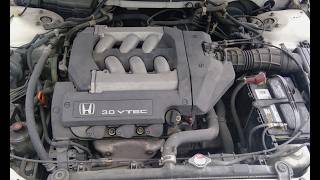
We Have This Part in Stock
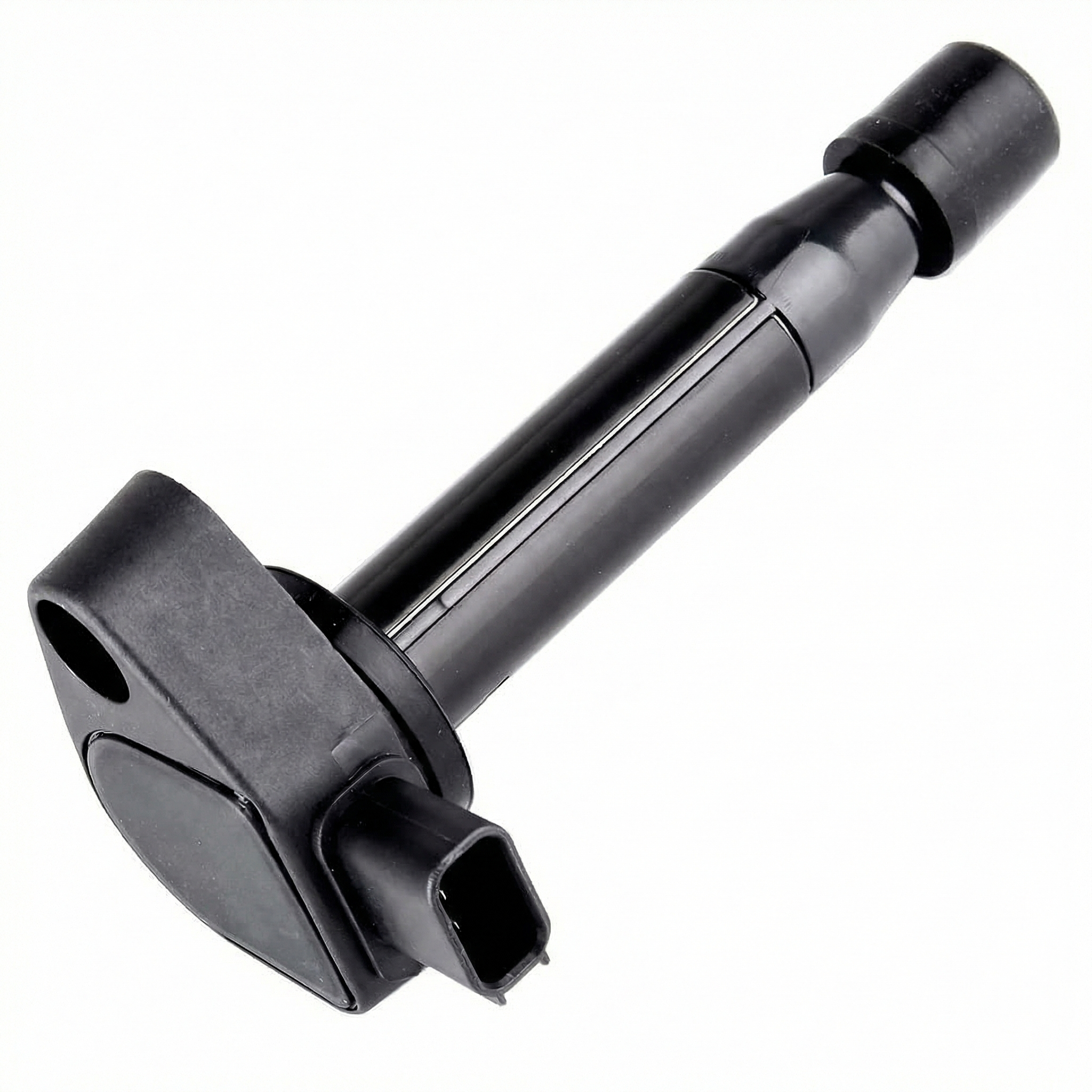
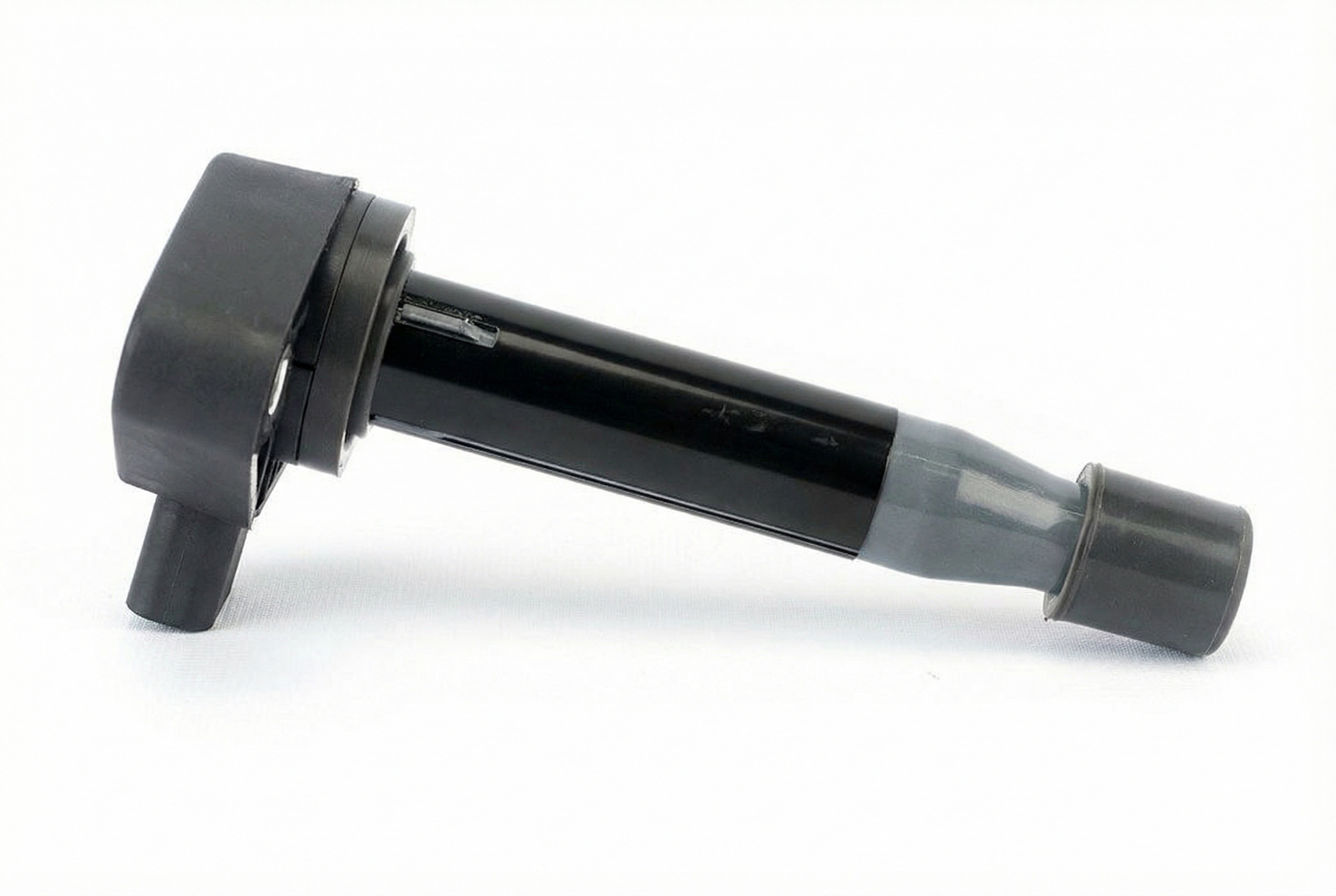

The information in this article is provided for general reference and educational purposes only. Vehicle specifications, procedures, and part compatibility can vary by production date, trim level, and region. Always consult your vehicle's factory service manual and verify part numbers before purchasing or performing repairs. Safety-critical components such as airbags, seat belts, and braking systems should be installed by a qualified professional.
- Honda Accord:
- 🧭 Diagnostic Flowchart
- 🎬 Helpful Videos
- 🛍️ Shop This Part
- What's Unique About the 2003-2017 Honda Accord
- Symptoms You May Notice
- Most Likely Causes
- Rare But Worth Checking
- Diagnosis Steps
- Parts You'll Likely Need
- Related Codes That Often Appear With This One
- Technical Service Bulletins (TSBs) & Recalls
- Platform-Specific Known Issues
- Mechanic-Grade Diagnostic Values
- Scan Tool Commands That Help
- Wiring & Ground Locations
- Real Owner Repair Stories
- OEM Part Supersession History
- Model Year Variations Within This Range
- Other Known Issues on This Vehicle
- Used vs. New Parts: Buying Guide for This Vehicle
- Real Owner Stories
- 2010 Honda Accord J-series V6 — ~95000 miles
- Related OBD-II Codes
- Frequently Asked Questions
- 🎟️ Get 5% Off