

P0302 on 1999-2003 Saab 9-3 2.0L Turbo: Cylinder 2 Misfire Causes and Fixes
On a 1999-2003 Saab 9-3 with the 2.0L turbo engine, a P0302 code is most often caused by a failing Direct Ignition Cassette (DIC) or worn spark plugs. Replacing the DIC is a common, straightforward DIY fix, with genuine SEM-branded parts costing around $310-$400. Aftermarket DICs are strongly discouraged due to high failure rates.
- P0302 on a 1999-2003 Saab 9-3 almost always points to a problem with the ignition system.
- The most likely cause is a failed Direct Ignition Cassette (DIC), a known weak point on these cars.
- Always use genuine Saab/SEM replacement DICs and the correct NGK resistor-type spark plugs to avoid future issues.
- Replacing the spark plugs and the DIC is a simple DIY job that requires minimal tools and can be done in under 30 minutes.
- Do not ignore a flashing Check Engine Light, as it indicates a severe misfire that can quickly damage your catalytic converter.
What's Unique About the 1999-2003 Saab 9-3
The 1999-2003 Saab 9-3 with the 2.0L turbo engine uses a unique and well-known ignition system called the Direct Ignition Cassette (DIC), managed by the Trionic 7 (T7) system. This single module sits directly on the valve cover and houses all the ignition coils for the engine. While an efficient design, the DIC is a very common failure point and is the first part to suspect when any misfire code, including P0302, appears. Unlike vehicles with individual coil-on-plugs, you cannot swap just one coil; the entire cassette must be replaced.
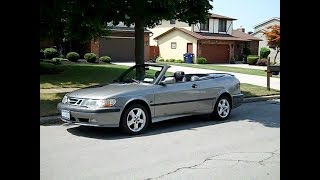
Generation note: This guide covers the first-generation (OG) Saab 9-3, which includes sedans, coupes, and convertibles from 1999-2002, and the convertible model for 2003. These models use the Saab Trionic 7 (T7) engine management system with the distinctive black Direct Ignition Cassette. The all-new second-generation 9-3 sedan introduced in 2003 uses a different GM-based engine and ignition system.
Symptoms You May Notice
- Rough or uneven engine idle.
- Hesitation or stumbling during acceleration.
- Noticeable loss of engine power.
- Flashing or solid Check Engine Light.
- Reduced fuel economy.
- Fuel smell from the exhaust.
- Hard starting or no starting conditions when the engine is cold, as noted in NHTSA ODI #11073052.
- misdiagnosis: Replacing only the spark plugs without checking the DIC. | why: While old plugs can cause a misfire, a failing DIC can quickly destroy a new set of plugs. It's crucial to diagnose the DIC, as it's the more common root cause.
- misdiagnosis: Installing a cheap, aftermarket DIC. | why: Owners and forums widely report that non-OEM cassettes fail quickly, perform poorly, and can even cause other system failures. Sticking with a genuine SEM-branded part is critical for this specific vehicle.
Most Likely Causes
- Failed Direct Ignition Cassette (DIC) 🔴 High Probability → Shop Ignition Coil The DIC is a known wear item on Saabs of this era, exposed to significant heat directly on the engine. Internal failure of the coil responsible for cylinder 2 is extremely common. Cracks in the cassette housing can also let in moisture or cause internal shorts, leading to misfires.
How to confirm: The most definitive test is to swap the current DIC with a known-good, genuine Saab/SEM unit. If the misfire disappears, the original DIC is faulty. Visual inspection may reveal cracks in the plastic housing, especially around the coil towers. A flashing check engine light or the presence of code P1312 strongly points to the DIC.
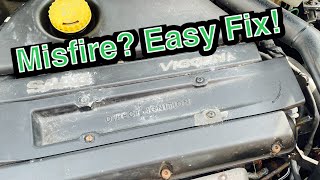
Typical fix: Replace the entire Direct Ignition Cassette. 🎬 Watch: A quick walkthrough on replacing the T7 ignition cassette. It is highly recommended to use a genuine Saab/SEM branded part, as aftermarket units have a poor reputation for reliability and can cause further engine issues. The OEM part number is 55559955, which has been superseded by 32022255.
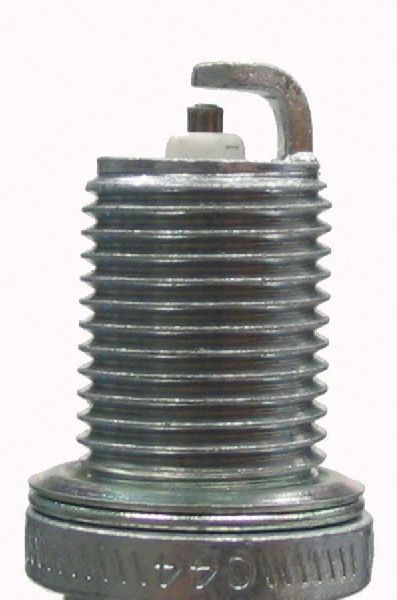
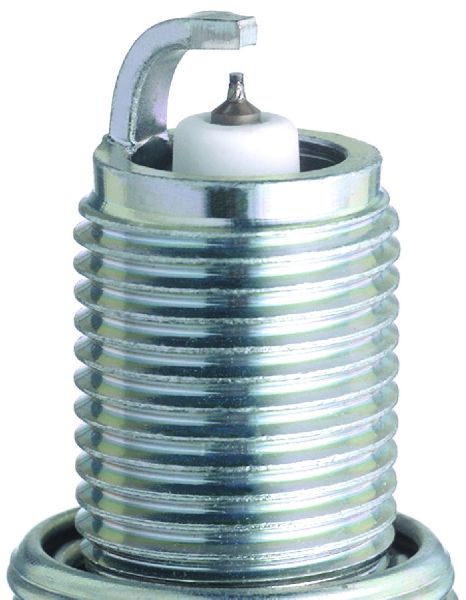
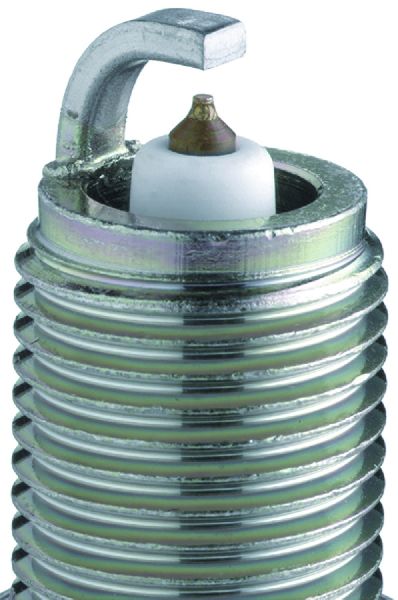
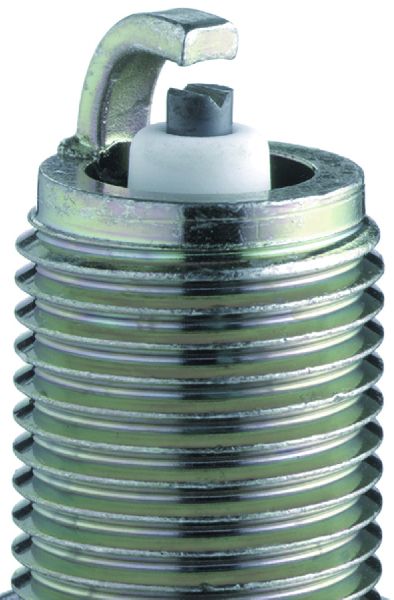
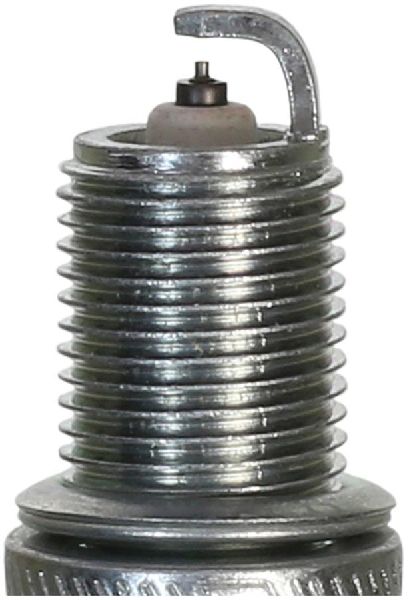
Est. part cost: $310-$400 - Worn or Incorrect Spark Plugs 🔴 High Probability → Shop Spark Plug Saab Trionic engines are very sensitive to the type and condition of their spark plugs. Using non-resistor plugs or plugs with an incorrect heat range or gap can cause misfires. They are a regular maintenance item that is often overlooked and should always be replaced when a new DIC is installed.
How to confirm: Remove the spark plug from cylinder 2 and inspect it. Look for a worn electrode, excessive carbon buildup, oil fouling, or a cracked insulator. Compare it to the other plugs. Ensure the correct NGK plugs are installed.
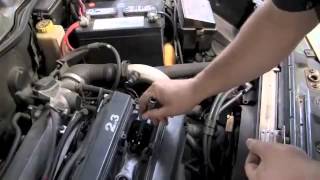
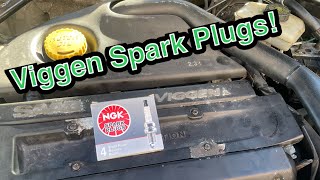
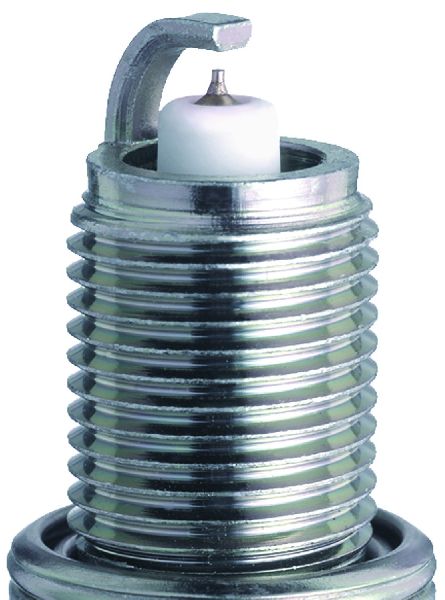
Typical fix: Replace all four spark plugs with the correct NGK resistor-type plugs. The NGK BCPR7ES-11 is the specified plug 🎬 See how to properly replace and gap your spark plugs. for these engines. Ensure they are gapped correctly to 0.9mm - 1.0mm before installation.
Est. part cost: $15-$40 for a set of four - Clogged or Faulty Fuel Injector 🟡 Medium Probability → Shop Fuel Injector
How to confirm: Swap the fuel injector from cylinder 2 with one from another cylinder (e.g., cylinder 1). Clear the codes and drive the car. If the misfire code changes to P0301 (Cylinder 1 Misfire), the injector is the faulty component. A technician can also perform a flow test.
Typical fix: Replace the faulty fuel injector.
Est. part cost: $50-$100
Rare But Worth Checking
- Vacuum Leak: A leak in a vacuum hose or intake manifold gasket can lean out the air/fuel mixture, causing a misfire. On T7 engines, common culprits include brittle small-diameter rubber vacuum lines and the PCV hose that connects to the turbo inlet pipe. A smoke test is the most effective way to find a leak.
- Low Engine Compression: A mechanical engine problem, such as a burnt valve, worn piston rings, or a failing head gasket, can cause a loss of compression in cylinder 2. This is less common but should be checked with a compression and/or leak-down test if ignition and fuel system issues are ruled out.
- Faulty Engine Control Module (ECM/Trionic): → Shop Engine Control Module (ECM) In very rare cases, the driver circuit for the cylinder 2 injector within the ECM can fail. This would typically be diagnosed after all other possibilities have been exhausted. One owner on Saabnet.com suspected an ECM issue after replacing injectors did not solve their P0302.
Diagnosis Steps
- Read the trouble codes with an OBD-II scanner. Note any other codes present, especially Saab-specific codes like P1312, which strongly indicates a DIC failure.
- Turn off the engine and remove the Direct Ignition Cassette (held by four T30 Torx screws). Visually inspect the cassette's underside for cracks, especially around the coil towers, or any signs of arcing or melting.
- Remove the spark plug from cylinder 2. Inspect its condition for wear, fouling, or damage. Verify it is the correct NGK BCPR7ES-11 plug and check the gap (should be 0.9-1.0mm).
- As a low-cost, high-impact first step, consider replacing all four spark plugs with new, correctly gapped NGK BCPR7ES-11 plugs. A failing DIC can foul plugs, and bad plugs can stress a DIC.
- If new plugs do not solve the issue, test the Direct Ignition Cassette. The only reliable method is to install a KNOWN-GOOD, GENUINE (Saab/SEM) DIC. Clear codes and test drive. If P0302 does not return, the original DIC is faulty.
- If the misfire persists with a new DIC and plugs, investigate the fuel system. Swap the fuel injector from cylinder 2 with another cylinder (e.g., cylinder 1). If the misfire code moves to P0301, replace the injector.
- If the issue is still not resolved, check for vacuum leaks. Use a smoke machine to test the intake manifold and all vacuum lines, paying close attention to the small rubber hoses which can become brittle and crack.
- As a final step for persistent issues, perform an engine compression test on all cylinders to rule out mechanical problems like a burnt valve or bad head gasket.
Parts You'll Likely Need
- Direct Ignition Cassette (T7)
(OEM #55559955, superseded by 32022255)— This is the most common failure point on the Saab 2.0L Turbo engine for any misfire code. The internal coil for cylinder 2 fails.
Trusted brands: Saab Genuine (made by SEM)
OEM price range: $310-$400
Aftermarket price range: $80-$200 (Strongly Not Recommended) - Spark Plugs
(OEM #N/A)— These engines require specific resistor-type spark plugs that are correctly gapped. Worn or incorrect plugs are a frequent cause of misfires.
Trusted brands: NGK BCPR7ES-11
OEM price range: $20-$40 (set of 4)
Aftermarket price range: $15-$30 (set of 4)
Related Codes That Often Appear With This One
- P1312 — This is a Saab-specific code for 'Misfire Detected, Combustion Signal.' It often appears alongside a specific cylinder misfire code (like P0302) and points strongly towards a failing Direct Ignition Cassette. 🎬 Watch: How one owner diagnosed and fixed a P1312 code.
- P0300 — This code for 'Random/Multiple Cylinder Misfire' can appear if the misfire is intermittent or if the DIC is failing across multiple cylinders, even if cylinder 2 is the primary culprit.
Platform-Specific Known Issues
- The Direct Ignition Cassette (DIC) is a notorious weak point. It's recommended that owners of these vehicles carry a spare, known-good DIC in the trunk for emergencies, as a failure can leave you stranded.
- Using aftermarket (non-SEM) Direct Ignition Cassettes is strongly discouraged by the Saab community. A Reddit user shared an experience where a cheap aftermarket DIC failed, causing a loud pop and blowing the side off their intercooler, resulting in a much more expensive repair.
- Applying dielectric grease to the inside of the DIC boots where they meet the spark plugs is a critical step during installation to ensure a good connection and prevent moisture intrusion.
- The Trionic 7 engine management system is extremely sensitive to spark plug type and condition. Always use the specified NGK resistor plugs and ensure they are gapped correctly between 0.9mm and 1.0mm.
Mechanic-Grade Diagnostic Values
- Fuel System Pressure (Trionic 7) — expected: 3.0 bar (43 psi). Failure: Significantly lower pressure indicates a weak fuel pump or faulty regulator.
- Fuel Injector Resistance — expected: ~15.95 Ohms (High Impedance). Failure: A reading significantly different from the other injectors, or one that is out of the typical 12-17 Ohm range, points to a faulty injector.
- Crankshaft Position Sensor (CPS) signal while cranking — expected: 100 - 500 RPM on a scan tool. Failure: A reading of 0 RPM while the engine is cranking indicates a failed CPS.
- Trionic 7 ECU to DIC Trigger Voltage (Pin 8) — expected: Pulsing voltage signal when cranking. Failure: No signal from Pin 8 at the ECU connector could indicate a faulty ECU driver, which is a rare but possible cause.
Hidden / Shadow Codes Worth Checking
- Misfire Counters / Knock Counters: The Trionic 7 ECU maintains a running count of misfire and knock events for each individual cylinder. These are not standard OBD-II PIDs but are invaluable for diagnosis. A cylinder with a dramatically higher count than the others is the source of the issue. (see via Saab Tech 2 diagnostic tool or equivalent advanced scanner with Saab-specific software.)
Scan Tool Commands That Help
- Saab Tech 2: Fuel Pump Activation — To test fuel pressure without the engine running. The command activates the pump for 30-second intervals, allowing for a safe and accurate pressure reading at the fuel rail.
- Saab Tech 2: Read Engine Data / Misfire Counters — This is the primary diagnostic step for a P0302. It allows a technician to see the exact number of misfires logged for cylinder 2 compared to the others, confirming the fault location and severity in real-time.
Wiring & Ground Locations
- G2 — On the left-hand wheel housing, located behind the battery.. This is a primary chassis ground point. A poor connection here can cause a wide range of electrical issues for the engine management system.
- G25 — Main ground cable from the battery negative terminal directly to the gearbox.. This is the main engine/transmission ground. Corrosion or a loose connection can cause insufficient grounding for sensors and actuators, including the crankshaft position sensor and ignition system.
- G7A / G7B — On the side of the intake manifold, near cylinder 4.. This is a critical grounding point for the engine sensors. A fault here could introduce noise or incorrect readings for sensors managed by the Trionic ECU.
- Trionic 7 ECU Pin 8 — Pin 8 on the main connector for the Trionic 7 ECU.. This specific pin sends the trigger signal to the Direct Ignition Cassette for cylinder 2. Advanced diagnosis can involve back-probing this pin to check if the ECU is sending a signal, ruling out a rare ECU failure.
"I Checked Everything" — The Actual Cause
- In some cases, particularly when a lean code (P0171) accompanies a misfire code (P0300/P0302), owners have reported that a smoke test revealed no vacuum leaks, yet the misfire persisted. This scenario often points the diagnosis away from simple vacuum hoses and towards other possibilities like a faulty fuel injector, incorrect fuel pressure, or a failing Mass Airflow (MAF) sensor, even if the MAF isn't setting its own code.
OEM Part Supersession History
9187980→30583218, 9197559, 55559955, 32022255— Revisions and updates to the Direct Ignition Cassette (DIC) design.
Heads up: The earliest DIC for T7 cars, marked TK3.4, may not support the full enhanced diagnostic feedback on ECUs from mid-2003 and later. A later cassette (e.g., TK3.6 or newer) is recommended for full compatibility with all Trionic 7 systems. The latest part number is 55559955 or 32022255.
Model Year Variations Within This Range
- 1999: The 1999 model year was a transition period. Base and SE models may have the older Trionic 5 engine management system, which uses a RED top DIC (PN 55561132). The Viggen model and all 2.0L turbo models from 2000-2003 use the Trionic 7 system with a BLACK top DIC (PN 55559955). It is critical to identify which system the car has before ordering parts.
- 2001: Traction control and GM's OnStar satellite system became standard equipment on 9-3 models.
Diagnostic Flowchart
Real Owner Stories
Aggregated from forums and TSBs cited above. Mileages and costs reflect what owners reported in those sources.
2002 Saab 9-3 2.0L Turbo
Symptoms: Check engine light with codes P0455 (exhaust leak) and P0302 (Cyl 2 misfire). Cylinder smells like fuel.
What fixed it: The owner did not report a final fix, but diagnostic dead ends included moving the spark plug (misfire stayed on cylinder 2) and visually checking for spark. A compression test showed a low 125psi. Commenters strongly advised replacing any aftermarket coil pack with a legitimate OE unit and using specific NGK spark plugs.
Source hint: Reddit r/AskAMechanic thread 'Cylinder 2 misfire on 2002 Saab 9-3…. HELP!'
2002 Saab 9-3 convertible
Symptoms: Intermittent check engine light with codes P1334, P1312 (misfire related), and P0340.
What fixed it: The owner did not report a final fix, but a commenter identified the Ignition Cassette as failing, noting it's a common issue and suggesting spark plug replacement as well.
Source hint: Reddit r/saab thread 'P1334, P1312, P0340'
Saab 9-5
Symptoms: Check engine light with a P0303 code (cylinder 3 misfire).
What fixed it: The owner discovered their non-genuine DIC had a cracked coil tower and the spark plugs were also incorrect. Replacing the DIC and installing the correct spark plugs resolved the issue.
Source hint: Reddit r/saab thread 'DI Cassette #3 coil cracked'
NHTSA Reported Misfire Condition
Symptoms: Hard or no starting when the engine is cold, accompanied by engine misfires with DTCs P0300, P0301, P0302, P0303, or P0304. The vehicle reportedly starts and runs normally when hot.
What fixed it: NHTSA ODI #11073052 notes that a technician may find these specific misfire codes during cold start conditions, though the vehicle may perform normally once at operating temperature.
Source hint: NHTSA ODI #11073052
Related OBD-II Codes
Frequently Asked Questions
Should I use an aftermarket Direct Ignition Cassette (DIC) to fix P0302 on my Saab 9-3?
What spark plugs does the 1999-2003 Saab 9-3 2.0L Turbo require to prevent misfires?
I have code P0302 and P1312 on my Saab 9-3. What does this combination mean?
How can I test if the Direct Ignition Cassette is causing my cylinder 2 misfire?
Do I need to apply anything to the new DIC when installing it?
Are there other Saab models that share this exact P0302 DIC issue?
Helpful Videos
We Have This Part in Stock

The information in this article is provided for general reference and educational purposes only. Vehicle specifications, procedures, and part compatibility can vary by production date, trim level, and region. Always consult your vehicle's factory service manual and verify part numbers before purchasing or performing repairs. Safety-critical components such as airbags, seat belts, and braking systems should be installed by a qualified professional.
- Saab 9-3:
- 🧭 Diagnostic Flowchart
- 🎬 Helpful Videos
- 🛍️ Shop This Part
- What's Unique About the 1999-2003 Saab 9-3
- Symptoms You May Notice
- Most Likely Causes
- Rare But Worth Checking
- Diagnosis Steps
- Parts You'll Likely Need
- Related Codes That Often Appear With This One
- Platform-Specific Known Issues
- Mechanic-Grade Diagnostic Values
- Hidden / Shadow Codes Worth Checking
- Scan Tool Commands That Help
- Wiring & Ground Locations
- "I Checked Everything" — The Actual Cause
- OEM Part Supersession History
- Model Year Variations Within This Range
- Real Owner Stories
- 2002 Saab 9-3 2.0L Turbo
- 2002 Saab 9-3 convertible
- Saab 9-5
- NHTSA Reported Misfire Condition
- Related OBD-II Codes
- Frequently Asked Questions
- 🎟️ Get 5% Off