

P0316 on 2001-2003 Toyota Prius: Startup Misfire Causes and Fixes
On a 2001-2003 Prius, P0316 is most often caused by old spark plugs or a failing ignition coil. A full set of plugs and one coil can be replaced DIY for under $100. Before replacing parts, also try cleaning the Mass Air Flow (MAF) sensor, as it's a known issue on this platform.
- P0316 on a first-generation Prius points to a misfire happening right at startup.
- Start your diagnosis with the cheapest and easiest items: check for other codes, inspect spark plugs, and clean the MAF sensor.
- The most likely parts needed are standard tune-up items: spark plugs and/or an ignition coil.
- Do not immediately assume the problem is with the complex hybrid system; basic engine maintenance issues are far more common causes for this code.
What's Unique About the 2001-2003 Toyota Prius
The first-generation Prius (2001-2003) has a reliable 1NZ-FXE engine that uses an Atkinson combustion cycle for maximum efficiency. This design, combined with its early hybrid technology, makes smooth startup performance critical. A Toyota Technical Service Bulletin (TSB) for this model with similar starting issues points towards checking basic engine health, including the Mass Air Flow (MAF) sensor, before suspecting more complex hybrid system faults. This suggests that standard tune-up parts are the most common culprits, rather than unique hybrid system problems. The engine control system uses various sensors to precisely manage fuel and ignition, and a fault in any of these can lead to startup misfires.
Symptoms You May Notice
- Engine runs rough, shakes, or vibrates immediately after starting
- Hesitation or stumbling when first accelerating
- Check Engine Light is on (solid or flashing)
- Reduced fuel economy
- Engine is hard to start
- A knocking sound during the rough running period after a warm start.
- White smoke from the exhaust for a few seconds on a rough start, which could indicate moisture.
- Replacing the 12V auxiliary battery. While a weak battery can cause various electrical issues, it's less likely to cause a consistent misfire code without other symptoms like a no-start condition.
- Suspecting a hybrid battery (HV) failure. A failing HV battery typically presents with other codes like P0A80 and the 'red triangle of death' on the dashboard, not just a simple startup misfire.
Most Likely Causes
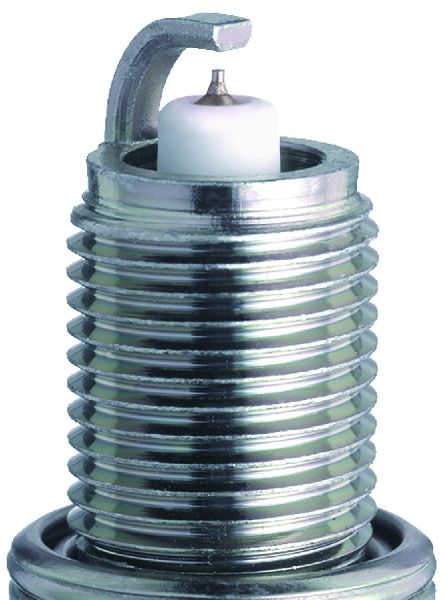
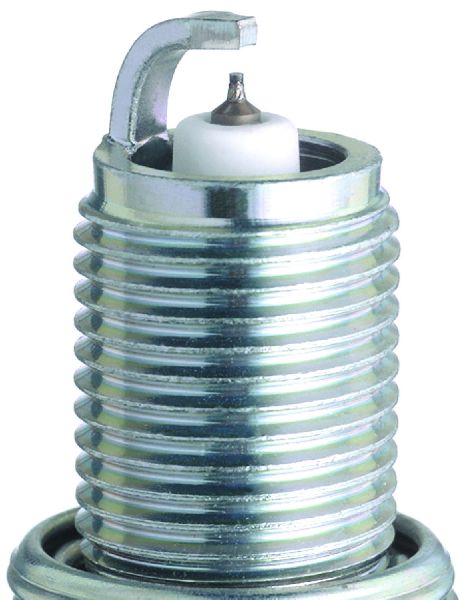
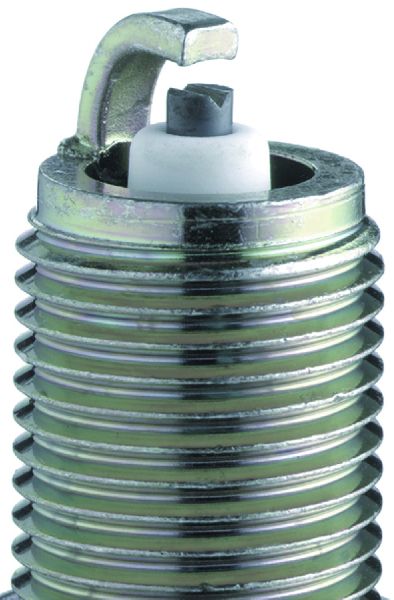
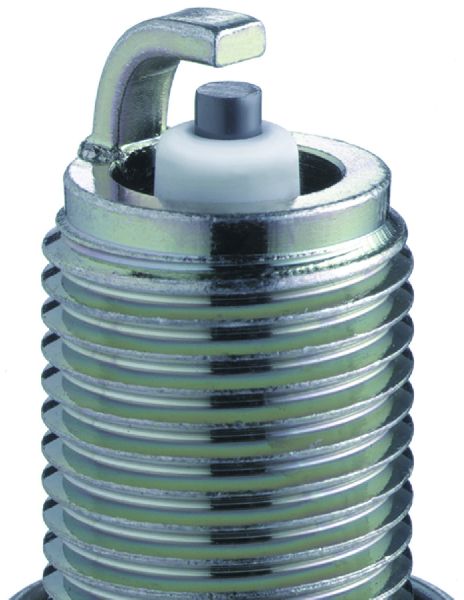
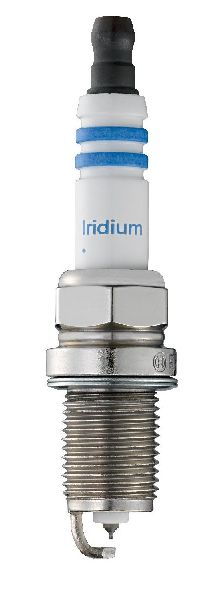
- Worn or Fouled Spark Plugs 🔴 High Probability → Shop Spark Plug Spark plugs are a standard wear-and-tear item. After 20+ years and high mileage, original or old plugs are a very common cause of a weak spark and startup misfires. As plugs heat up, their internal resistance can increase, exacerbating misfire issues on a warm restart.
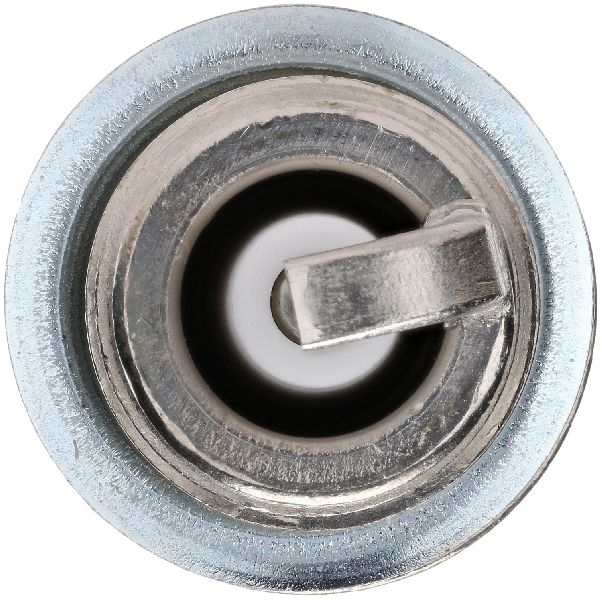
How to confirm: Remove the spark plugs and inspect them. Look for heavy carbon buildup, oil fouling, a worn-out electrode, or a cracked porcelain insulator. The recommended replacement interval is typically around 100,000-120,000 miles.
Typical fix: Replace all four spark plugs. It's recommended to use the OEM-spec Iridium plugs for longevity and performance.
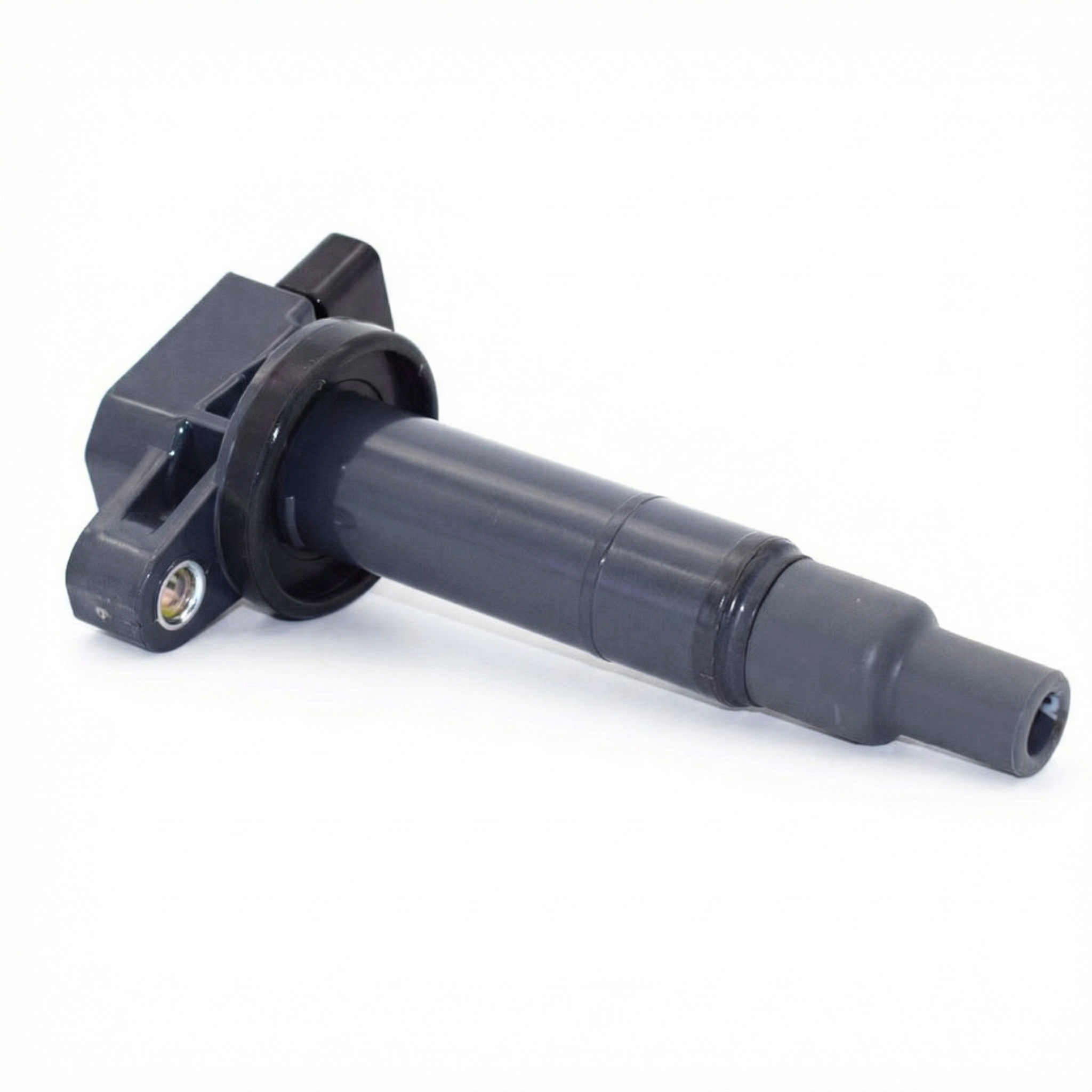
Est. part cost: $30-$60 - Faulty Ignition Coil 🔴 High Probability → Shop Ignition Coil The 1NZ-FXE uses a coil-on-plug design. Over time, heat and vibration can cause these coils to fail, leading to a misfire. This is a common failure point on many Toyota engines of this era and a primary suspect for misfire codes.
How to confirm: If you have another misfire code (like P0301, P0302, etc.), swap the ignition coil from the misfiring cylinder to a known good cylinder. Clear the codes and run the engine. If the misfire code follows the coil to the new cylinder, the coil is bad. This is a definitive diagnostic step often recommended on forums.
Typical fix: Replace the single faulty ignition coil. Many owners on PriusChat choose to replace all four if they are original and high-mileage, as the others may fail soon.
Est. part cost: $40-$80 per coil - Dirty or Contaminated Mass Air Flow (MAF) Sensor 🟡 Medium Probability A Toyota TSB for starting and low power issues on this specific Prius model recommends inspecting and cleaning the MAF sensor. A dirty sensor provides incorrect airflow readings to the ECM, causing an improper air-fuel mixture, especially during startup. This is a widely acknowledged first step in diagnosing rough running on these cars.
How to confirm: Carefully remove the MAF sensor from the air intake tube. Visually inspect the two small sensor wires inside. Even if they look clean, they can have an invisible film on them from oil or dirt.
Typical fix: Clean the sensor wires with a dedicated MAF sensor spray cleaner. Do not touch the wires. Allow it to dry completely before reinstalling. 🎬 Watch: How to clean your Prius MAF sensor This is a low-cost, high-impact diagnostic and maintenance step.
Est. part cost: $10-$15 for cleaner - Clogged or Leaking Fuel Injector ⚪ Low Probability → Shop Fuel Injector Over many years, fuel deposits can build up and restrict an injector, or the internal seals can fail, causing a fuel leak into the cylinder. Some owners on PriusChat have resolved persistent, specific-cylinder misfires by replacing a single faulty injector after plugs and coils didn't solve the problem.
How to confirm: This is more difficult to diagnose. A professional can perform a fuel injector balance test. A DIY method is to listen to each injector with a mechanic's stethoscope; they should all have a consistent clicking sound. Another method is to swap injectors between cylinders to see if the misfire code follows the injector, similar to testing an ignition coil.
Typical fix: Replace the faulty fuel injector. On PriusChat, some users have had success with affordable sets of refurbished injectors.
Est. part cost: $40-$150 per injector
Rare But Worth Checking
- Water Intrusion in Spark Plug Wells: → Shop Spark Plug A user on PriusChat reported a recurring misfire on cylinders 1 and 2 caused by condensation water pooling on the engine and seeping down into the spark plug wells, shorting out the ignition coils. This was especially likely after a short drive followed by a cool-down period. This issue was significant enough on later models with a similar engine to trigger a recall for water intrusion into the cylinders.
- Faulty Crankshaft Position Sensor: The ECM relies on the Crankshaft Position Sensor (CKP) to detect engine speed and variations that indicate a misfire. A faulty sensor or damaged wiring can send an erratic signal on startup, causing the ECM to incorrectly report a misfire or contribute to a real one. A recall was issued for the 2001-2003 Prius for potential failure of this sensor due to improper manufacturing, which could cause stalling.
- Vacuum Leak: A leak in a vacuum hose or intake manifold gasket can introduce unmetered air into the engine, leaning out the air-fuel mixture and causing a misfire, especially at startup when the engine management is in open loop.
Diagnosis Steps
- Read the codes with an OBD-II scanner. Check for any other codes, especially P0301-P0304, which will point you to a specific cylinder.
- Visually inspect the engine bay for any obvious issues like cracked vacuum hoses or loose electrical connectors.
- If a specific cylinder is identified, swap its ignition coil with another cylinder's coil. Clear the codes and restart the engine. If the misfire code moves to the new cylinder, the ignition coil is faulty. This is the most common professional diagnostic step.
- If the misfire stays on the original cylinder, remove and inspect the spark plug. Replace if it is worn, fouled, or damaged. It is best practice to replace all four at the same time.
- Remove and clean the Mass Air Flow (MAF) sensor using dedicated MAF sensor cleaner. Let it dry completely before reinstalling. This is a cheap and highly recommended step.
- Listen to each fuel injector with a stethoscope or long screwdriver. They should all make a steady, rhythmic clicking sound. If one is silent or sounds different, it may be faulty.
- Check for vacuum leaks by spraying short bursts of brake cleaner or carburetor cleaner around the intake manifold gasket and vacuum lines with the engine running. If the engine RPM changes, you have found a leak.
- Check fuel pressure. Low fuel pressure can cause lean conditions and misfires. A forum user suggested checking for at least 43 PSI at idle.
Parts You'll Likely Need
- Spark Plugs
(OEM #90919-01210)— These are a primary tune-up component and the most common cause of misfires on high-mileage engines.
Trusted brands: Denso (SK16R11), NGK (IFR5T11), Denso (SK20R11)
OEM price range: $10-$15 each
Aftermarket price range: $8-$12 each - Ignition Coil
(OEM #90919-02240)— A common failure point that directly causes a lack of spark and results in a misfire.
Trusted brands: Denso, NGK, Hitachi
OEM price range: $80-$110
Aftermarket price range: $40-$80 - Mass Air Flow Sensor Cleaner — A dirty MAF sensor is a potential cause of startup issues on this vehicle, and cleaning it is a cheap and easy diagnostic step.
Trusted brands: CRC, WD-40 Specialist
Aftermarket price range: $10-$15
Related Codes That Often Appear With This One
- P0300 — If the misfire is happening randomly across multiple cylinders, P0300 (Random/Multiple Cylinder Misfire) will often accompany P0316.
- P0301, P0302, P0303, P0304 — These codes pinpoint the specific cylinder that is misfiring (e.g., P0301 for Cylinder 1). P0316 tells you the misfire happened at startup, and a P030x code tells you where it happened.
- P0171 — This code for 'System Too Lean (Bank 1)' can appear alongside misfire codes if the root cause is a vacuum leak or a dirty MAF sensor, which affects the overall air-fuel mixture.
Technical Service Bulletins (TSBs) & Recalls
- EG027-09: MIL ON DTC P3101 with P3190 or P3191 for Engine No Start or Low Power
Platform-Specific Known Issues
- Toyota TSB EG027
Mechanic-Grade Diagnostic Values
- Fuel Pressure at Idle — expected: 304 to 343 kPa (3.1 to 3.5 kgf/cm², 44 to 50 psi). Failure: Pressure below this range indicates a weak fuel pump or clogged filter; pressure above may indicate a faulty regulator.
- Camshaft Position Sensor Resistance — expected: 835-1400 ohms (cold), 1060-1645 ohms (hot). Failure: Readings outside this range indicate a faulty sensor.
- Ignition Coil Power Supply — expected: 11 to 14 V at the ignition coil connector with ignition ON. Failure: Low or no voltage points to a wiring or relay issue before the coil.
- Spark Plug Insulation Resistance — expected: 10 MΩ or more. Failure: Resistance below 10 MΩ suggests the plug is fouled and may not spark correctly under compression.
Hidden / Shadow Codes Worth Checking
- Mode $06 (TID $Ax, CID $0x): This diagnostic mode provides access to raw misfire counts for each cylinder from the current and last ten driving cycles. For example, TID $A2, CID $01 would be the misfire counter for Cylinder 1. This data can reveal intermittent or developing misfires on a specific cylinder before they are severe enough to set a P030x code. (see via A professional-grade scan tool or software like Toyota Techstream is required to access Mode $06 data.)
Scan Tool Commands That Help
- Toyota Techstream: Active Test: Fuel Pump / Speed — This function allows you to command the fuel pump to run without the engine operating. It is used to verify the fuel pump is functional and to build pressure in the system for a fuel pressure test.
- Toyota Techstream: Data List: Misfire RPM / Misfire Load — This allows viewing the freeze frame data, which shows the exact engine speed and load conditions when the P0316 code was triggered. This is critical for replicating the startup conditions that cause the misfire during diagnosis.
Wiring & Ground Locations
- E01, E02, E03 — Various points on the engine and transmission.. These are primary engine ground points. A corroded or loose ground at these locations can cause erratic behavior in sensors and the ignition system, leading to misfire codes.
- EA, EB — Located on the rear of the engine block.. These are critical ground points for the Engine Control Module (ECM) and ignition system. Poor contact here can directly cause weak spark or incorrect sensor readings, triggering a P0316.
- Ignition Coil Connector — On top of each ignition coil.. This 4-pin connector supplies power, ground, and trigger (IGT) / confirmation (IGF) signals. Testing for 12V power at Pin 1 and checking the integrity of the other pins is a key diagnostic step for a cylinder-specific misfire.
Real Owner Repair Stories
- YouTube user Ron Williams (Ford Triton Engine (similar symptoms and codes)) — Misfire on startup (P0301, P0316) and mysterious coolant loss.
❌ Tried (didn't work) Initial diagnosis focused on standard ignition or fuel system faults.
✅ What actually fixed it The root cause was a blown head gasket leaking coolant into the cylinder overnight. The coolant fouled the spark plug on startup, causing the misfire. The misfire would often clear up as the engine warmed and burned off the coolant. A cooling system pressure test confirmed the leak into the cylinder.
OEM Part Supersession History
90080-19021→90919-02240— Standard part consolidation and potential minor internal revisions for reliability.
Model Year Variations Within This Range
- 2001-2003: While the core engine and ignition system remained the same during the 2001-2003 (NHW11) production run, a recall was issued for the Crankshaft Position Sensor due to potential improper manufacturing, which could lead to stalling and misfire-related codes. Verification that this recall has been performed is a valid diagnostic step.
Diagnostic Flowchart
Other Known Issues on This Vehicle
Issues unrelated to this code that are worth knowing about as an owner of this generation:
- High-Voltage (HV) Hybrid Battery Failure 🔴 High — Common after 8-12 years or 100,000-150,000 miles. Age is as much a factor as mileage.
- Center Multi-Function Display (MFD) Failure 🟠 Medium — Very common issue where the screen becomes unresponsive or goes blank. Often caused by failed solder joints on the internal circuit board. (Ref: TSB EL002-05 (for later models, but describes the same issue))
- Hybrid Transaxle Failure 🔴 High — Less common than battery failure, but a known potential issue where the transaxle can fail, often presenting with a warning light on the dash.
- Incorrect Fuel Gauge Reading 🟡 Low — A known problem where the fuel gauge may not read accurately, often due to issues with the fuel tank liner or sending unit.
- Crankshaft Position Sensor Failure 🟠 Medium — Common enough to warrant a recall. A faulty sensor can cause the engine to stall while driving. (Ref: 06V266000)
Used vs. New Parts: Buying Guide for This Vehicle
When a used part is the smart pick: For components like ignition coils, a used OEM part from a low-mileage donor vehicle can be a cost-effective alternative to a new aftermarket part of questionable quality. Fuel injectors can also be sourced used, but professional cleaning and flow testing is recommended before installation.
Donor-vehicle mileage cap: roughly under 100000 miles for the part to have meaningful remaining life.
What to inspect on the donor part:
- For ignition coils, check for cracks in the plastic housing or corrosion on the electrical connector pins.
- Ask for the donor vehicle's VIN to verify mileage and check for accident history.
- Avoid parts from vehicles that show signs of overheating or have sludge in the engine oil filler cap.
OEM-only on this vehicle (don't cheap out):
- Crankshaft Position Sensor: Given the recall history and its critical function, using a new OEM sensor is highly recommended to avoid intermittent issues that are difficult to diagnose.
Aftermarket brands forum-validated for this vehicle:
- Denso (for ignition coils, spark plugs, sensors)
- NGK (for ignition coils, spark plugs)
- Blue Print (reported as an original quality manufacturer for ignition coils)
Brands owners have reported issues with on this vehicle:
- Unbranded, "white box" ignition coils and sensors from online marketplaces are frequently reported to have high failure rates shortly after installation.
Real Owner Stories
Aggregated from forums and TSBs cited above. Mileages and costs reflect what owners reported in those sources.
2002 Toyota Prius 1.5L 1NZ-FXE
Symptoms: Misfires on cylinders 1, 2, and 3 occurring only after a warm restart. The owner tried cleaning the MAF and throttle body and replaced injector O-rings without success.
What fixed it: The source highlights this as a significant diagnostic challenge where standard cleaning and O-ring replacement failed to resolve the heat-related misfires.
Source hint: PriusChat.com thread titled '2002 misfire after warm start'
2001 Toyota Prius 1.5L 1NZ-FXE
Symptoms: Intermittent misfires specifically on cylinders 1 and 2.
What fixed it: Replacing the fuel injectors resolved the issue after new ignition coils and spark plugs failed to fix the misfire.
Source hint: PriusChat.com thread titled '2001 Prius misfire cyls 1&2'
2002 Toyota Prius 1.5L 1NZ-FXE
Symptoms: Rough running and random misfires occurring only after a warm restart; mechanic found excess fuel in the cylinders.
What fixed it: The presence of excess fuel pointed toward leaking fuel injectors as the root cause.
Source hint: 2CarPros.com thread named 'Rough Running Prius'
Related OBD-II Codes
Frequently Asked Questions
Does Toyota TSB EG027-09 apply to my 2001-2003 Prius regarding startup issues?
What specific spark plugs should I use for my 1NZ-FXE engine to prevent misfires?
Can I use any cleaner on the Mass Air Flow sensor to fix the rough start?
Is there a common part shared with the Toyota Echo that might be causing my P0316 code?
How can I tell if my P0316 code is actually a fuel injector problem?
What fuel pressure should I be looking for when diagnosing this issue?
Helpful Videos


Used OEM Parts in Stock
New Aftermarket Parts Available

The information in this article is provided for general reference and educational purposes only. Vehicle specifications, procedures, and part compatibility can vary by production date, trim level, and region. Always consult your vehicle's factory service manual and verify part numbers before purchasing or performing repairs. Safety-critical components such as airbags, seat belts, and braking systems should be installed by a qualified professional.
- Toyota Prius:
- 🧭 Diagnostic Flowchart
- 🎬 Helpful Videos
- 🛍️ Shop This Part
- What's Unique About the 2001-2003 Toyota Prius
- Symptoms You May Notice
- Most Likely Causes
- Rare But Worth Checking
- Diagnosis Steps
- Parts You'll Likely Need
- Related Codes That Often Appear With This One
- Technical Service Bulletins (TSBs) & Recalls
- Platform-Specific Known Issues
- Mechanic-Grade Diagnostic Values
- Hidden / Shadow Codes Worth Checking
- Scan Tool Commands That Help
- Wiring & Ground Locations
- Real Owner Repair Stories
- OEM Part Supersession History
- Model Year Variations Within This Range
- Other Known Issues on This Vehicle
- Used vs. New Parts: Buying Guide for This Vehicle
- Real Owner Stories
- 2002 Toyota Prius 1.5L 1NZ-FXE
- 2001 Toyota Prius 1.5L 1NZ-FXE
- 2002 Toyota Prius 1.5L 1NZ-FXE
- Related OBD-II Codes
- Frequently Asked Questions
- 🎟️ Get 5% Off