

P0352 on 2007-2012 Hyundai Santa Fe 3.3L V6: Ignition Coil 'B' Circuit Causes and Fixes
P0352 on a 2007-2012 Santa Fe 3.3L V6 almost always means the ignition coil for cylinder #2 has failed. Since cylinder #2 is on the easily accessible front bank, this is a simple 15-minute DIY fix. A new coil costs between $40 and $90. Before buying parts, always confirm the failure by swapping the coil with an adjacent one (like from cylinder #4) and seeing if the code follows.
- P0352 points directly to a fault in the ignition coil circuit for cylinder #2.
- On the 2007-2012 Santa Fe 3.3L V6, cylinder #2 is on the front bank near the radiator, making it very easy to access.
- The most likely cause is a failed ignition coil. Use the 'coil swap' method to confirm the diagnosis before buying parts.
- While replacing the coil, inspect the spark plug tube for oil. If oil is present, the valve cover gasket must also be replaced to prevent repeat failure.
- Do not drive with a flashing Check Engine Light, as this indicates a severe misfire that can quickly damage the expensive catalytic converter.
What's Unique About the 2007-2012 Hyundai Santa Fe
On the transversely mounted 3.3L Lambda V6 in the Santa Fe, the cylinders are divided into two banks: Bank 1 (cylinders 1, 3, 5) against the firewall, and Bank 2 (cylinders 2, 4, 6) near the radiator. The good news for a P0352 code is that cylinder #2 is on the easily accessible front bank. This makes diagnosis and repair significantly easier and cheaper than for a code pointing to a rear cylinder (like P0351, P0353, or P0355), which would require removing the entire upper intake manifold to access the coils.
Symptoms You May Notice
- Check Engine Light is on (can be solid or flashing)
- Rough idle or engine vibration
- Engine misfiring, sputtering, or stumbling on acceleration
- Noticeable loss of power
- Reduced fuel economy
- Difficulty starting the engine
- Engine may crank but not start
- Replacing the spark plug without first testing the ignition coil. The coil swap test is free and definitively identifies the most common point of failure.
- Replacing the PCM when the fault lies in the wiring or the coil itself. PCM failure is very uncommon for this issue.
- Replacing only the ignition coil when the spark plug tube is full of oil. This fails to address the root cause (a leaking valve cover gasket), and the new coil will soon fail as well.
Most Likely Causes
- Failed Ignition Coil on Cylinder #2 🔴 High Probability → Shop Ignition Coil Ignition coils are a common wear item that operate in a high-temperature environment. Over time, the internal windings can break down from heat cycles, leading to failure. This is the most frequent cause for a P0352 code.
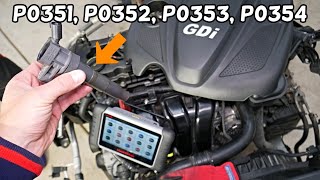
How to confirm: The easiest way to confirm a bad coil is to perform a 'coil swap'. Move the ignition coil from cylinder #2 to another easily accessible cylinder on the same bank, like cylinder #4 (the middle one). Clear the codes, start the engine, and see if the code changes to P0354. If it does, the coil is faulty.
Typical fix: Replace the failed ignition coil for cylinder #2. It is held in place by a single 10mm bolt.
Est. part cost: $40-$90 - Worn or Fouled Spark Plug in Cylinder #2 🟡 Medium Probability → Shop Spark Plug If spark plugs are past their service interval (typically 60k-100k miles), the increased gap can put extra strain on the ignition coil, causing it to fail. A worn plug can also cause a misfire on its own.
How to confirm: After confirming the coil is not the issue, remove the spark plug from cylinder #2. Inspect it for wear (worn electrode), carbon fouling, or oil contamination. If it looks worn or is near its service life, it should be replaced.
Typical fix: Replace the spark plug in cylinder #2. It is best practice to replace all six plugs if they are due for service, but accessing the rear three requires removing the intake manifold.
Est. part cost: $10-$25 - Damaged Wiring or Loose Connector ⚪ Low Probability The plastic connectors and wiring in the engine bay can become brittle and fragile over time due to heat and vibration. The locking tab on the coil connector can break, leading to a poor connection. Rodents can also chew on the wiring harness.
How to confirm: Visually inspect the wiring harness and electrical connector for the cylinder #2 ignition coil. Look for any signs of chafing, melting, corrosion on the pins, or a loose fit. Use a multimeter to check for proper voltage and ground at the connector with the key on, engine off.
Typical fix: Repair the damaged section of wiring or replace the pigtail connector if it is broken or corroded.
Est. part cost: $15-$30
Rare But Worth Checking
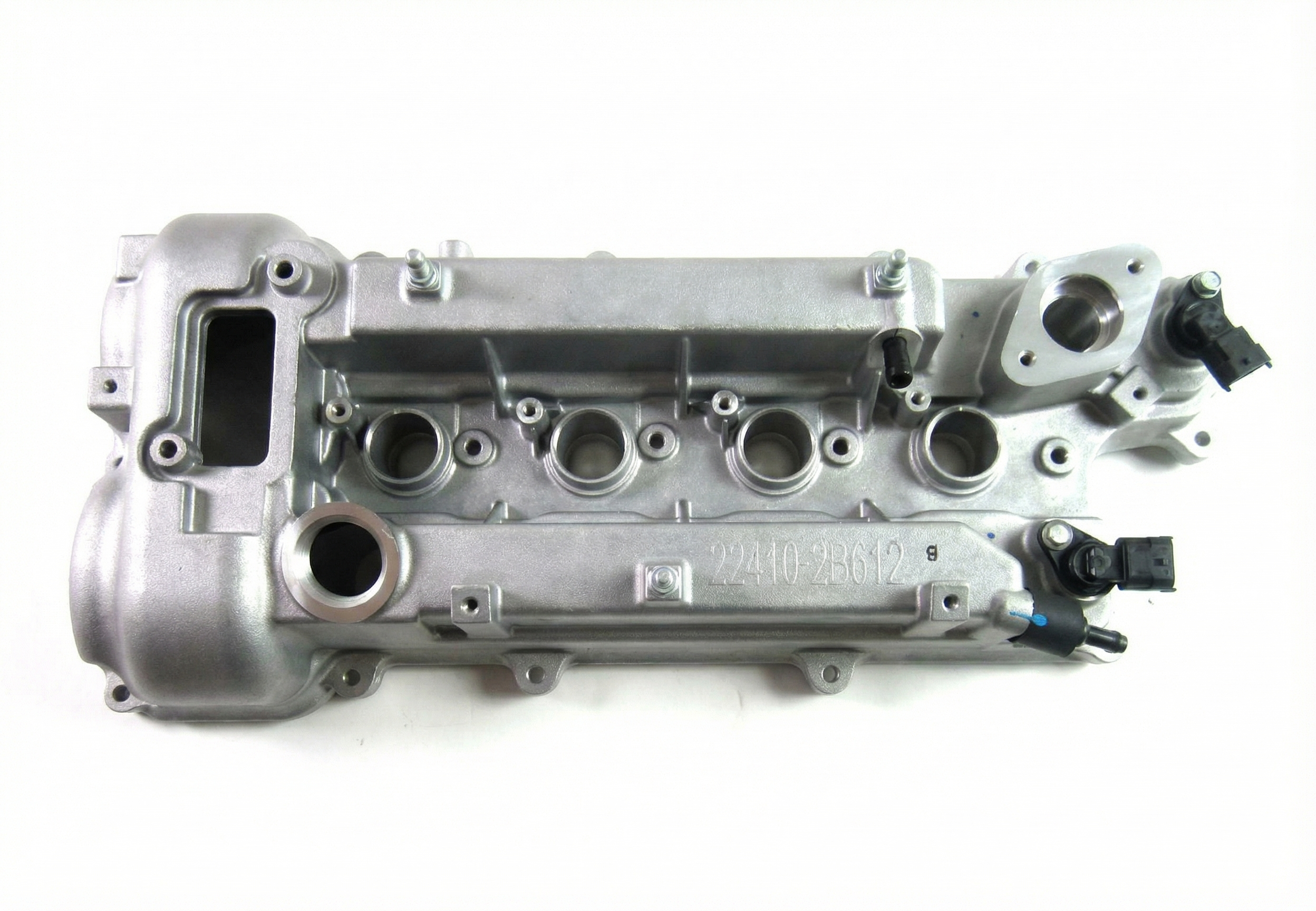
- Leaking Valve Cover Gasket: → Shop Engine Valve Cover A very common issue on the 3.3L Lambda V6 is a leaking valve cover gasket, which allows oil to fill the spark plug tubes. This oil can saturate and destroy the ignition coil and its boot, leading to misfires and code P0352. If you find oil in the spark plug well when replacing the coil, you must also replace the valve cover gasket to fix the root cause. A leaking front valve cover gasket on this engine can also drip oil onto the alternator, causing it to fail.
- Faulty Powertrain Control Module (PCM): → Shop Engine Control Module (ECM) This is extremely rare. The internal driver circuit for the ignition coil can fail within the PCM. All other possibilities, especially the coil, plug, and wiring, should be exhaustively ruled out before considering PCM replacement.
Diagnosis Steps
- Connect an OBD-II scanner to confirm the P0352 code and check for any other related codes like P0302.
- Locate cylinder #2. On the 3.3L V6, it is on the front bank (closest to the radiator), on the passenger side.
- Inspect the wiring and electrical connector for the cylinder #2 ignition coil. Check for damage, corrosion, or a loose connection.
- Perform a 'coil swap' test. Disconnect the connector and remove the 10mm bolt holding the coil. Swap the cylinder #2 coil with the cylinder #4 coil (middle front).
- Clear the codes with the scanner, start the engine, and let it run for a minute.
- Re-scan for codes. If the code has moved and is now P0354, the ignition coil is confirmed to be faulty and needs replacement.
- If the P0352 code returns, the coil is good. The problem is likely the spark plug or the wiring.
- Remove the coil again and then remove the spark plug from cylinder #2. Inspect it for excessive wear, damage, or oil fouling. Also check for oil inside the spark plug tube, which indicates a leaking valve cover gasket.
- If the plug and coil are good, the final step is to test the wiring harness for power, ground, and signal from the PCM. This may require a multimeter and a wiring diagram.
Parts You'll Likely Need
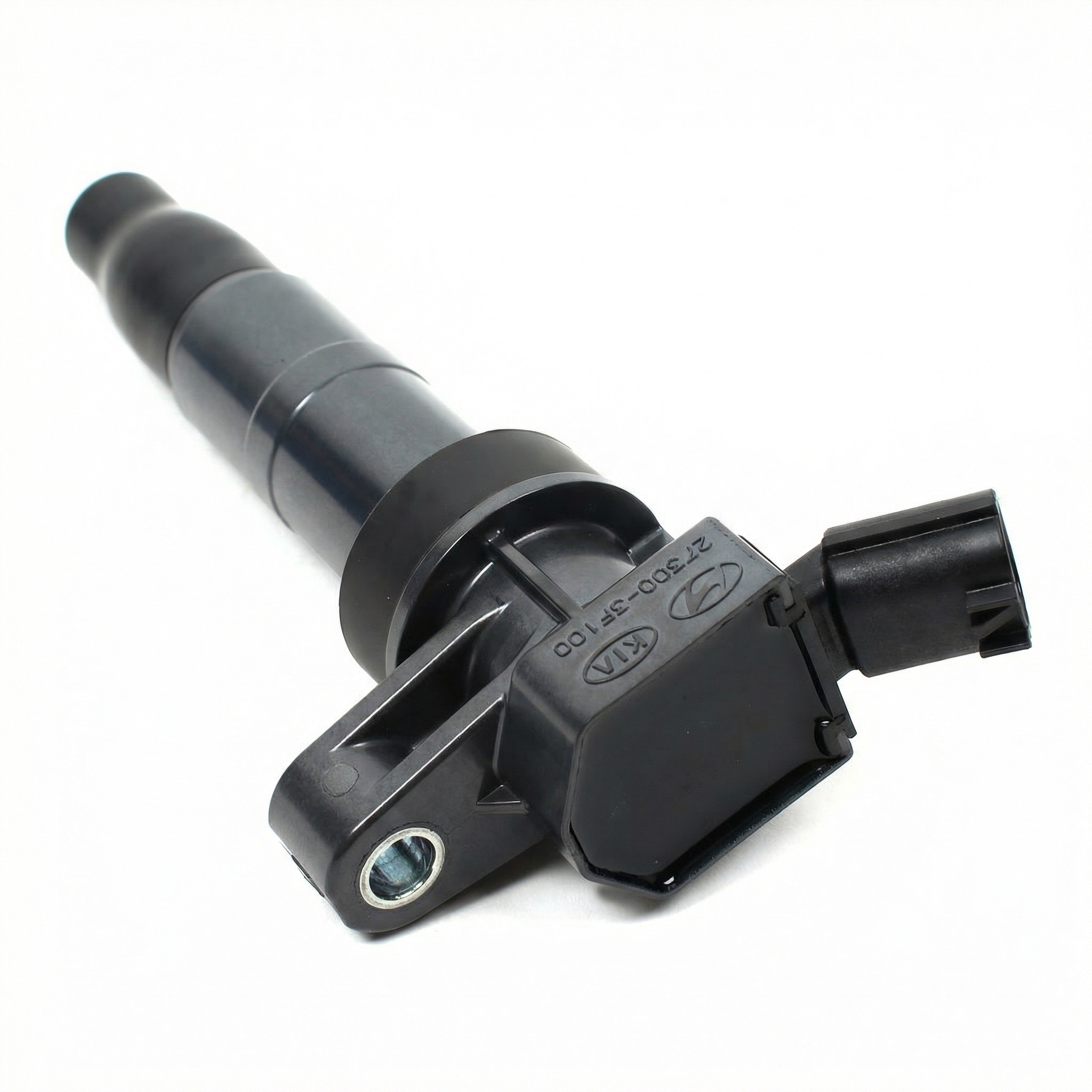
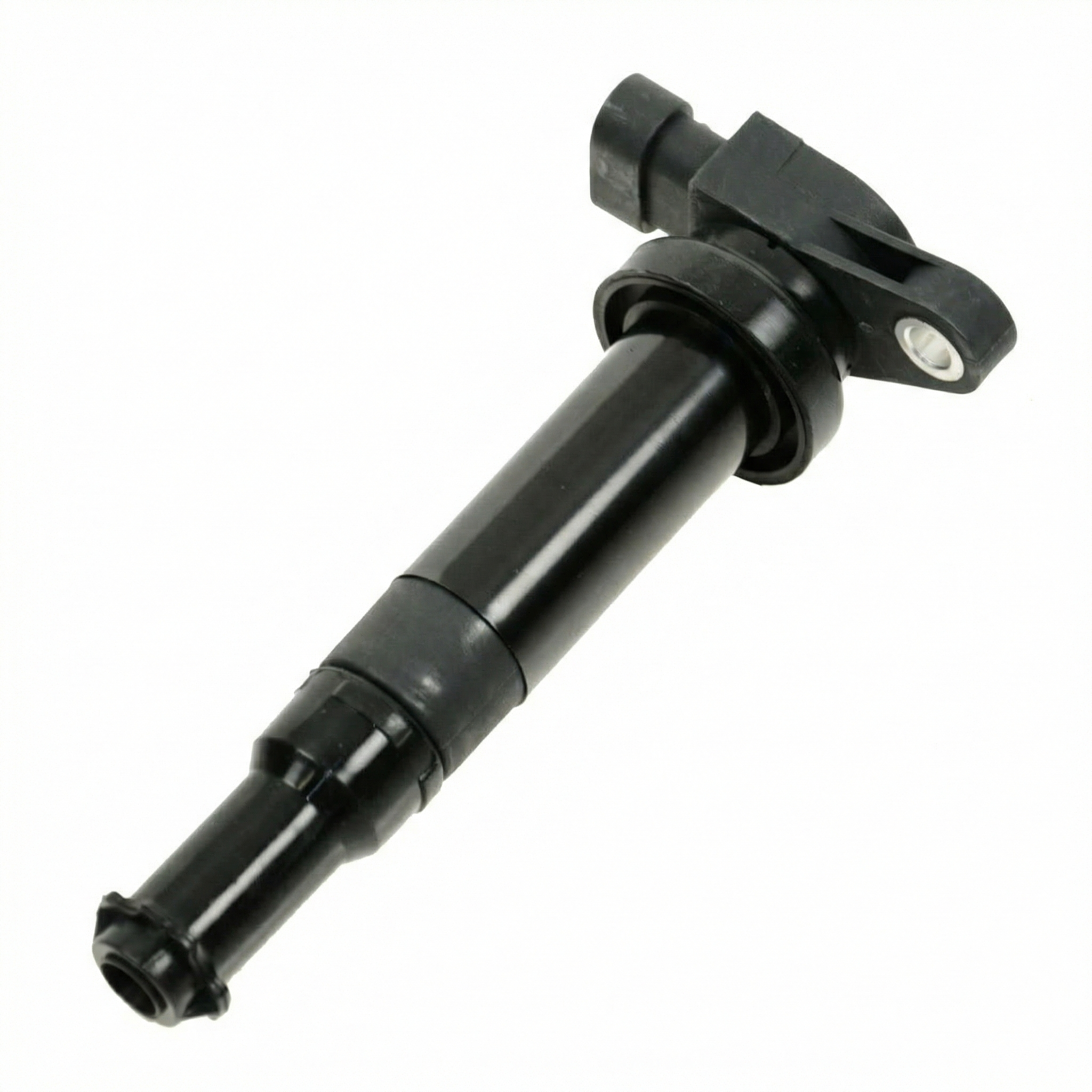
- Ignition Coil
(OEM #27301-3C000)— This is the most common cause of a P0352 code. The original coil fails due to age and heat cycles. The OEM part number 27301-3C000 supersedes the older part number 27301-3C010.
Trusted brands: Hyundai/Kia (OEM), Denso, NGK, Delphi, Mando
OEM price range: $70-$100
Aftermarket price range: $40-$90 - Spark Plug
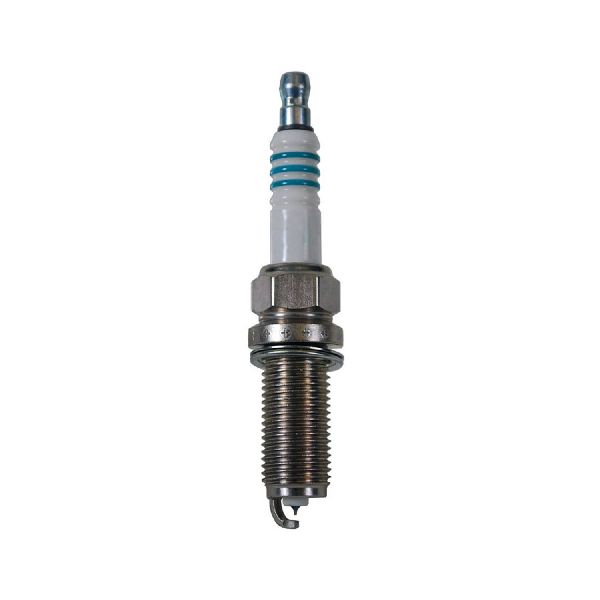
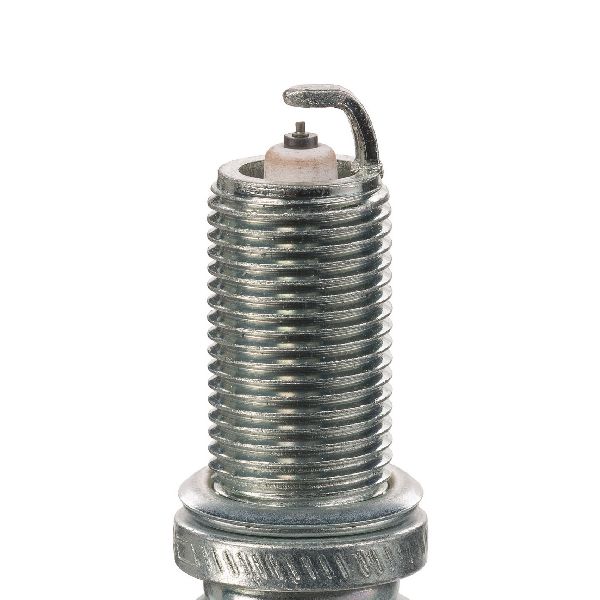
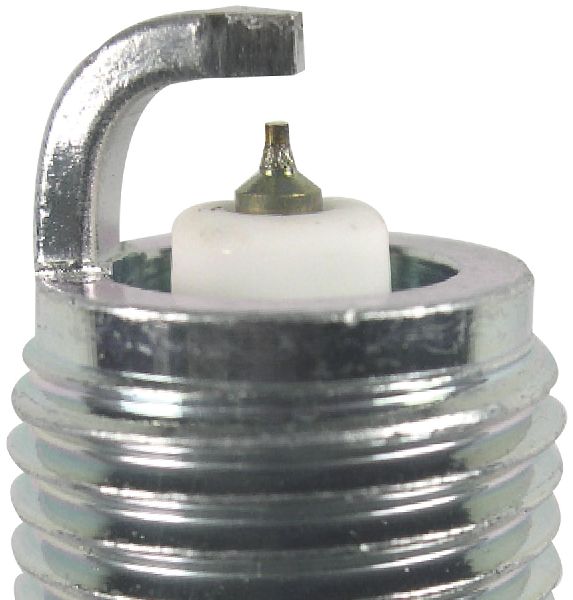
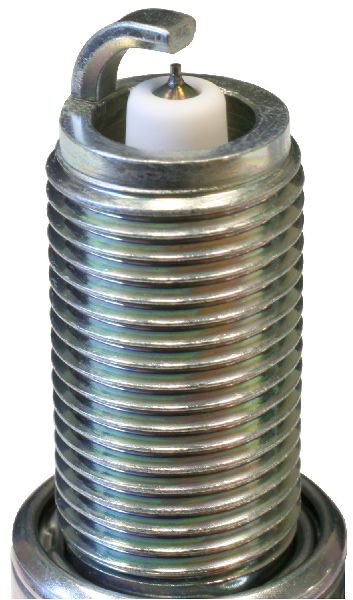
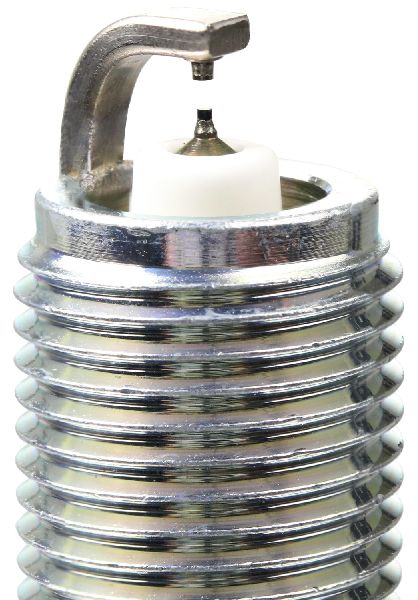
(OEM #NGK IFR5G-11 or Denso SK16PR-A11)— A worn spark plug can cause the misfire or put extra strain on the coil, causing it to fail. It should be inspected and replaced if worn. It's recommended to replace them in sets.
Trusted brands: NGK, Denso
OEM price range: $15-$25
Aftermarket price range: $10-$20 - Valve Cover Gasket (Front)
(OEM #22441-3C110)— Only needed if oil is found in the spark plug tube. A leaking gasket is a common issue on this engine and will cause the new coil to fail prematurely if not addressed.
Trusted brands: Hyundai (OEM), Fel-Pro, Mahle
OEM price range: $30-$50
Aftermarket price range: $20-$40
Related Codes That Often Appear With This One
- P0302 — P0302 means 'Cylinder 2 Misfire Detected'. P0352 is the specific electrical fault in the coil circuit that is causing the misfire. These two codes almost always appear together. Fixing the P0352 fault will resolve the P0302 code.
- P0300 — This code for 'Random/Multiple Cylinder Misfire' can sometimes appear if the misfire in cylinder #2 is severe enough to affect the engine's overall rotational stability, causing the PCM to detect misfires on other cylinders as well.
Technical Service Bulletins (TSBs) & Recalls
- TSB 24-01-026H: Notes that some Santa Fe (CM) vehicles may leak oil from the front valve cover onto the alternator, a related issue to the common valve cover gasket failure.
Platform-Specific Known Issues
- The 3.3L Lambda V6 engine is known for valve cover gaskets that become hard and brittle over time, leading to oil leaks into the spark plug tubes. This is a frequent root cause for ignition coil failure.
- A recall was issued for some earlier V6 models where a leaking front valve cover gasket could drip oil onto the alternator, causing it to fail. While not a direct cause of P0352, it highlights the importance of fixing this leak promptly.
Mechanic-Grade Diagnostic Values
- Ignition Coil Primary Winding Resistance — expected: 0.62 Ω ± 10% at 20°C (68°F). Failure: A reading significantly outside this range (e.g., open circuit/infinite resistance or a dead short) indicates a failed primary coil.
- Ignition Coil Secondary Winding Resistance — expected: 7.0 kΩ ± 15% at 20°C (68°F). Failure: A reading significantly outside this range indicates a failed secondary coil winding.
- Ignition Coil Connector - Power Supply Pin — expected: Battery Voltage (approx. 12V) with Key On, Engine Off.. Failure: No voltage indicates a problem with the IG Coil Fuse (20A) or the wiring from the fuse box.
- Ignition Coil Connector - Trigger Signal Pin — expected: A pulsing ground signal when the engine is cranking or running. This is best observed with an oscilloscope or a graphing multimeter.. Failure: No signal or a constant ground/voltage indicates a wiring issue back to the PCM or a faulty PCM driver.
Scan Tool Commands That Help
- Hyundai GDS (Global Diagnostic System): Actuation Test for Ignition Coils — After confirming the coil itself is good via a swap test, this command can be used to verify if the PCM is capable of sending a trigger signal. The tool commands the coil to fire, allowing a technician to check for spark or listen for coil operation, confirming the integrity of the control circuit from the PCM.
- Hyundai GDS (Global Diagnostic System): Flight Record / Trigger Module — For intermittent misfires or circuit faults that are difficult to reproduce. This function records live data during a drive cycle, which can be reviewed later to pinpoint the exact moment the fault occurs and correlate it with other engine parameters, helping to distinguish between a wiring fault and a failing component.
Wiring & Ground Locations
- Ignition Coils 2, 4, 6 — On the front bank of the V6 engine, located on the top left side of the engine bay (closest to the radiator).. Cylinder #2 is the passenger-side cylinder on the front bank, making its coil easily accessible for testing and replacement.
- G52 — Engine compartment ground, located at the left rear of the engine compartment.. This is a primary ground point for the PCM and various engine performance circuits. A poor connection here can cause erratic behavior and phantom codes, including ignition circuit faults.
- G56 — Engine ground, located on the left top side of the engine itself.. A clean, tight connection at this engine ground is essential for the proper operation of components mounted on the engine, including the ignition coils.
- IG Coil Fuse (20A) — Located in the under-hood fuse/relay box.. This fuse supplies the 12V power to all ignition coils. If it blows, multiple ignition coil codes (not just P0352) would likely be present.
Real Owner Repair Stories
- AliExpress User Review (2010 Hyundai Santa Fe with 3.5L V6 (uses same coil family)) — Rough running, hesitation during acceleration, intermittent blinking check engine light with code P0301 (Cylinder 1 Misfire).
❌ Tried (didn't work) Initial diagnosis only showed a misfire code, not the specific circuit code.
✅ What actually fixed it The owner, a mechanic, performed a resistance test on the ignition coil for cylinder 1. The primary resistance was 1.2 ohms (spec is ~0.6 ohms) and the secondary was 14,000 ohms (spec is 6k-10k ohms). The out-of-spec readings confirmed the coil was bad. Replacing the faulty coil with a new 27301-3C000 unit resolved all symptoms.
OEM Part Supersession History
27301-3C010→27301-3C000— Standard part revision and update by the manufacturer.
Heads up: None. The new part number is a direct, backward-compatible replacement for the original.
Model Year Variations Within This Range
- 2007-2009: These model years were equipped with the 3.3L Lambda V6 engine.
- 2010-2012: For the 2010 model year refresh, the engine was changed to a 3.5L Lambda II V6. However, the ignition coil part number (27301-3C000) and the diagnostic/repair procedure for code P0352 remain the same as the earlier 3.3L engine.
Diagnostic Flowchart
Other Known Issues on This Vehicle
Issues unrelated to this code that are worth knowing about as an owner of this generation:
- Faulty Fuel Level Sensor 🟠 Medium — Very common. The fuel gauge becomes erratic or reads empty after filling up, often triggering a check engine light. Typically occurs after 80,000 miles. (Ref: Hyundai Service Campaign 086 (TSB 08-FL-002) addressed this on some early models, but the problem is widespread.)
- Leaking Valve Cover Gaskets 🟠 Medium → Shop Engine Valve Cover — Extremely common as the vehicle ages (over 100,000 miles). Gaskets harden and leak oil into spark plug tubes (causing misfires) or onto the alternator (causing charging system failure). (Ref: TSB 24-01-026H acknowledges the oil-on-alternator issue.)
- Premature Engine Bearing Wear / Seizure (Lambda II) 🔴 High — Less common on the earlier MPI engines than the later GDI versions, but still a documented concern. Can lead to catastrophic engine failure without warning. (Ref: Hyundai extended the warranty for some 3.3L engines to 15 years/150,000 miles (TSB 24-EM-003H) due to investigations, though a full recall was not issued for all models.)
- Faulty Crankshaft Position Sensor (CKP) 🟠 Medium — A known failure point that can cause intermittent stalling, no-start conditions, or rough running. Often fails without a specific trouble code initially.
Used vs. New Parts: Buying Guide for This Vehicle
When a used part is the smart pick: An ignition coil is a viable part to purchase used from a reputable auto recycler. Given its easy 15-minute replacement on the front bank, the labor risk is low if the used part fails prematurely. It can be a cost-effective option for a budget-conscious repair.
Donor-vehicle mileage cap: roughly under 80000 miles for the part to have meaningful remaining life.
What to inspect on the donor part:
- Ask for the mileage of the donor vehicle.
- Inspect the plastic housing for any cracks or signs of heat stress.
- Check the electrical connector pins for any green or white corrosion.
- Ensure the rubber spark plug boot is soft and pliable, not brittle, cracked, or swollen.
- Confirm there is no engine oil residue on the boot, which would indicate the donor vehicle had a valve cover leak.
OEM-only on this vehicle (don't cheap out):
- For this specific P0352 repair, there are no parts that must be OEM. Quality aftermarket coils and gaskets are widely available and perform well.
Aftermarket brands forum-validated for this vehicle:
- Denso
- NGK
- Delphi
- Mando (often an OEM supplier to Hyundai/Kia)
Brands owners have reported issues with on this vehicle:
- Unbranded, 'white-box' ignition coils from online marketplaces can have highly variable quality control and may fail quickly. While tempting due to low price, they are often a gamble.
Real Owner Stories
Aggregated from forums and TSBs cited above. Mileages and costs reflect what owners reported in those sources.
2008 Hyundai Santa Fe 3.3L
Symptoms: Multiple check engine light codes including P0352 (Ignition Coil “B” Primary/Secondary Circuit Malfunction), P0302 (Cylinder 2 Misfire Detected), P0304, P0270, and P0300.
What fixed it: The owner identified rodent damage to the wiring harness as the cause for the multiple circuit and misfire codes.
Source hint: reddit r/HyundaiSantaFe
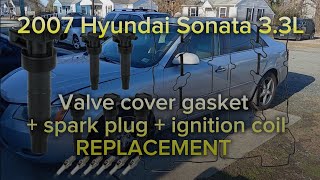
2007 Hyundai Sonata 3.3L — ~100000 miles
Symptoms: Check engine light with misfire codes; oil found contaminating the spark plug tubes.
What fixed it: Replacement of the valve cover gaskets, spark plugs, and ignition coils.
Source hint: YouTube - 'Gears and a Gasket' - '2007 Hyundai Sonata 3.3L Valve cover +spark plugs and ignition coils replacement'
Related OBD-II Codes
Frequently Asked Questions
Is there a TSB for oil leaking onto the alternator on my 2007-2012 Santa Fe 3.3L?
Where is the cylinder #2 ignition coil located on the 3.3L Lambda V6 engine?
Can I swap the P0352 coil with another one to test it?
Does the 3.3L engine have an extended warranty for internal failures?
Why is my fuel gauge acting erratic while I'm dealing with this P0352 code?
What is the specific part number for the ignition coil used in the Santa Fe 3.3L?
Helpful Videos

Used OEM Parts in Stock
New Aftermarket Parts Available


The information in this article is provided for general reference and educational purposes only. Vehicle specifications, procedures, and part compatibility can vary by production date, trim level, and region. Always consult your vehicle's factory service manual and verify part numbers before purchasing or performing repairs. Safety-critical components such as airbags, seat belts, and braking systems should be installed by a qualified professional.
- Hyundai Santa Fe:
- 🧭 Diagnostic Flowchart
- 🎬 Helpful Videos
- 🛍️ Shop This Part
- What's Unique About the 2007-2012 Hyundai Santa Fe
- Symptoms You May Notice
- Most Likely Causes
- Rare But Worth Checking
- Diagnosis Steps
- Parts You'll Likely Need
- Related Codes That Often Appear With This One
- Technical Service Bulletins (TSBs) & Recalls
- Platform-Specific Known Issues
- Mechanic-Grade Diagnostic Values
- Scan Tool Commands That Help
- Wiring & Ground Locations
- Real Owner Repair Stories
- OEM Part Supersession History
- Model Year Variations Within This Range
- Other Known Issues on This Vehicle
- Used vs. New Parts: Buying Guide for This Vehicle
- Real Owner Stories
- 2008 Hyundai Santa Fe 3.3L
- 2007 Hyundai Sonata 3.3L — ~100000 miles
- Related OBD-II Codes
- Frequently Asked Questions
- 🎟️ Get 5% Off