

P0500 on 2001-2005 Honda Civic: Vehicle Speed Sensor Causes and Fixes
On a 2001-2005 Honda Civic, code P0500 is almost always caused by a failed Vehicle Speed Sensor (VSS) located on the transmission or its associated wiring. Expect to pay around $25-$60 for an aftermarket sensor or $150-$220 for an OEM part; it's a common DIY fix that takes about an hour. Before replacing the sensor, always inspect the connector pigtail for corrosion or broken wires, as this is a frequent and cheaper fix.
- P0500 on a 2001-2005 Civic almost always points to a problem with the Vehicle Speed Sensor (VSS) or its wiring.
- Symptoms to watch for are a dead or erratic speedometer and harsh shifting on automatic models.
- Before buying a new sensor, always inspect the connector and wiring for corrosion or breaks, as this is a common and cheaper fix. The 'wiggle test' is a good diagnostic step.
- The repair is DIY-friendly for most home mechanics and typically takes about an hour with basic tools.
- The correct OEM part number for the automatic transmission VSS is 78410-S5A-912. Always verify the part number for your specific transmission type.
What's Unique About the 2001-2005 Honda Civic
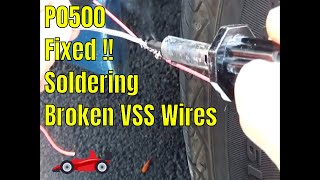
For the 7th generation (2001-2005) Honda Civic, this code points directly to a single Vehicle Speed Sensor (VSS) mounted on the transmission, unlike newer cars that might use multiple ABS wheel speed sensors for the same data. Failure of this specific sensor is a very common issue on this platform. While the sensor itself is the primary culprit, the wiring and connector pigtail are also known weak points that can corrode or break, leading to the same code. Forum discussions frequently highlight that checking the connector and wiring before buying a new sensor is critical 🎬 See how to fix P0500 without buying a new sensor, as many have replaced the VSS needlessly.
Symptoms You May Notice
- Inoperative or erratically behaving speedometer (needle bouncing or dropping to zero).
- Harsh, delayed, or incorrect gear shifts (automatic transmission models).
- Cruise control will not engage.
- Illuminated Check Engine Light.
- Odometer not advancing.
- Hesitation during acceleration.
- In some cases, ABS or traction control lights may illuminate.
- Replacing the transmission fluid, believing the shifting issue is purely hydraulic.
- Replacing the entire instrument cluster before verifying the VSS and its wiring are functional.
- Assuming the issue is with the ABS wheel speed sensors, which are separate from the primary VSS on this model for speed reading.
- Replacing the VSS without first inspecting the connector pigtail, which is a very common point of failure.
Most Likely Causes
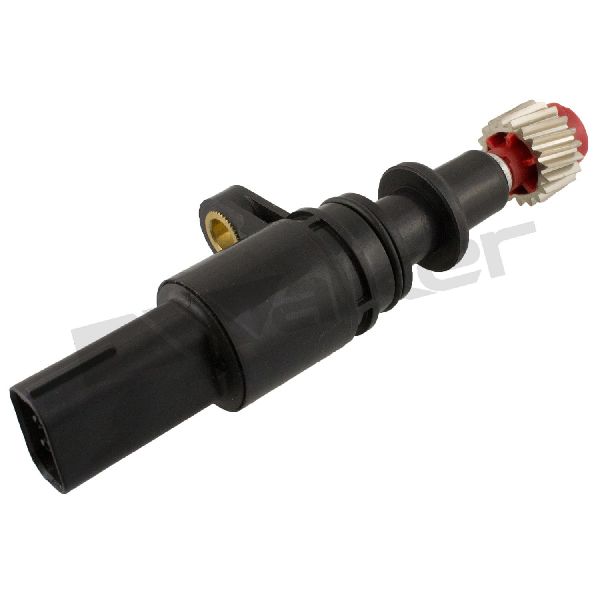
- Failed Vehicle Speed Sensor (VSS) 🔴 High Probability → Shop Drive Shaft Sensor The VSS on this generation Civic is a well-documented common failure item due to age, heat cycles, and exposure to the elements. The internal electronics or magnetic pickup can fail over time.
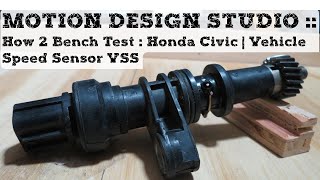
How to confirm: After confirming wiring is intact, test the sensor's output signal. With the ignition on and front wheels raised, back-probe the signal wire (typically Blue/White) at the connector. As you spin a wheel by hand, the voltage should pulse between approximately 0V and 5V. A lack of signal or steady voltage indicates a failed sensor. Alternatively, remove the sensor and spin its gear with a drill while measuring AC voltage output with a multimeter 🎬 Watch: How to bench test your VSS with a drill; the voltage should increase with speed.
Typical fix: Replace the Vehicle Speed Sensor. It is located on the top of the transmission housing (both automatic and manual), often under the air intake assembly, and is held by a single 10mm bolt.
Est. part cost: $25-$135 - Damaged Wiring or Connector 🟡 Medium Probability The wiring harness connector leading to the VSS is notoriously prone to failure. Engine bay heat and vibration cause the plastic to become brittle and the wires to break at the back of the plug. Corrosion on the pins is also very common, leading to intermittent or no signal.
How to confirm: Visually inspect the wiring harness and the three pins inside the connector for cracks, corrosion (green crust), or broken wires right at the back of the plug. Wiggle the connector with the engine running to see if it affects the speedometer, which can indicate an intermittent connection.
Typical fix: Repair the broken wire(s) by soldering and using heat-shrink tubing. If the connector itself is damaged or heavily corroded, replace the connector pigtail, which can be sourced from a junkyard or purchased new.
Est. part cost: $10-$30 for a pigtail - Blown Fuse ⚪ Low Probability
How to confirm: Check the vehicle's fuse box diagrams. The fuse protecting the VSS circuit is often the #15 (7.5A) fuse in the under-dash fuse box. Visually inspect the fuse or test for continuity with a multimeter.
Typical fix: Replace the blown fuse. If the fuse blows again immediately, it indicates a short circuit in the VSS wiring that must be traced and repaired.
Est. part cost: <$5
Rare But Worth Checking
- Faulty Instrument Cluster: → Shop Instrument Cluster In some cases, the internal circuitry of the speedometer gauge itself can fail. A key diagnostic clue is if the speedometer is dead, but a scan tool shows a valid speed reading from the PCM. However, on this Civic model, the VSS signal goes to the PCM first, so this is less common than a sensor or wiring failure.
- Faulty Powertrain Control Module (PCM): This is extremely rare and should be considered a last resort. The PCM should only be suspected after the sensor, all associated wiring, the fuse, and the instrument cluster have been thoroughly tested and confirmed to be working correctly.
Diagnosis Steps
- Read the code with an OBD-II scanner to confirm P0500 is present.
- Visually inspect the Vehicle Speed Sensor on top of the transmission. Check its 3-pin electrical connector and wiring for any signs of damage, corrosion, broken wires, or loose connections. Wiggle the harness to check for intermittent faults.
- Check the #15 (7.5A) fuse in the under-dash fuse box, which protects the meter/gauge circuit.
- Safely raise and support the front of the vehicle so the wheels can spin freely. Turn the ignition to the 'ON' position.
- Using a multimeter, back-probe the VSS connector. Check for battery voltage (~12V) on the Black/Yellow wire, ground on the Black wire, and a signal on the Blue/White wire.
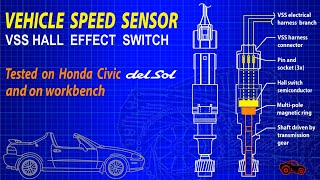
- Spin a front wheel by hand. The signal wire (Blue/White) should show a fluctuating voltage, pulsing between approximately 0V and 5V. 🎬 Watch: A mechanic's guide to testing Hall Effect sensors If power and ground are good but there is no signal, the VSS is faulty.
- If power or ground is missing, there is a break in the wiring that must be traced back towards the PCM and fuse box.
- If the sensor and wiring test good, but the speedometer remains inoperative, the fault may lie within the instrument cluster or, in very rare cases, the PCM.
Parts You'll Likely Need
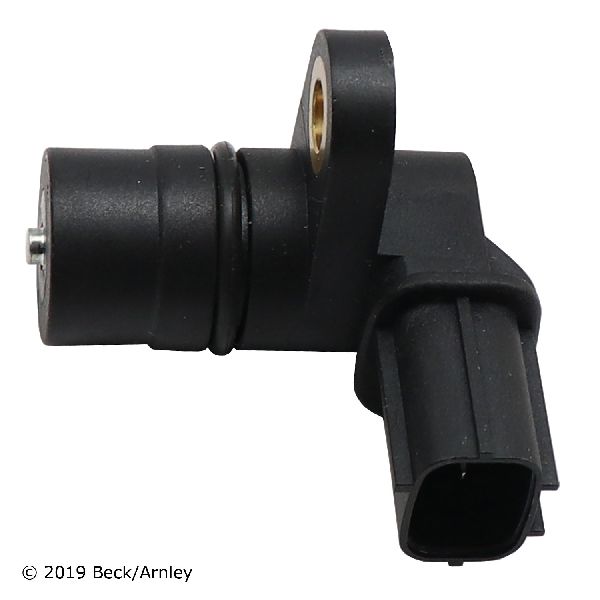
- Vehicle Speed Sensor (VSS)
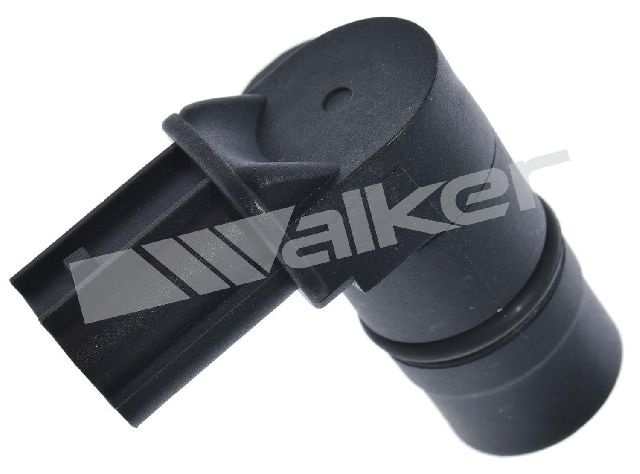
(OEM #78410-S5A-912)— This sensor is the most common failure point for the P0500 code on this specific vehicle. It is a known wear item. Note that part numbers may differ for manual vs. automatic transmissions, so always verify fitment.
Trusted brands: Honda (Genuine), Denso, NGK/NTK, Duralast, Beck/Arnley
OEM price range: $150-$220
Aftermarket price range: $25-$135 - VSS Connector Pigtail — The factory connector often becomes brittle and fails, or the pins corrode. Replacing the pigtail is a common repair when the wiring is the root cause.
Trusted brands: Dorman, Standard Motor Products, Pigtail from a salvage yard vehicle
OEM price range: N/A
Aftermarket price range: $10-$30
Related Codes That Often Appear With This One
- P0720 - Output Speed Sensor Circuit Malfunction (more common on automatic transmission models if the fault is intermittent or specific to the output circuit).
Platform-Specific Known Issues
- Real Owner Experience: Intermittent Failure and Wiring Wiggle Test: A user on HondaCivicForum with a 2002 Civic EX (D17A2 Manual) reported a classic P0500 failure progression. Initially, the speedometer would jitter on hard acceleration. Wiggling the VSS connector would temporarily fix it, then it failed completely. This points directly to a faulty wire or pin in the connector, a common scenario where wiggling the harness confirms the problem area before any parts are purchased.
- Real Owner Experience: Corrosion on Connector Pins: On Honda-Tech, a user with a '97 Acura EL (a platform mate) found the middle terminal on the VSS itself was so corroded it fell out when touched with a multimeter probe. After replacing the sensor, the problem persisted until they discovered the corresponding wire in the harness connector was also not making good contact, confirming that both the sensor and the plug can fail simultaneously.
Mechanic-Grade Diagnostic Values
- VSS Connector Pin 2 (Black/Yellow) to Chassis Ground — expected: ~12V (Battery Voltage) with Key On, Engine Off. Failure: 0V or significantly low voltage indicates a power supply issue, likely from Fuse 15 or a wire break.
- VSS Connector Pin 1 (Black) to Chassis Ground — expected: Near 0 Ohms (Good Continuity). Failure: High or infinite resistance indicates a bad ground connection.
- VSS Connector Pin 3 (Blue/White) to Chassis Ground — expected: Pulsing voltage between ~0V and 5V when a front wheel is spun by hand (Key On). Some forum users report needing to see 5V or greater for proper operation.. Failure: No voltage pulse, steady voltage, or a low peak voltage (e.g., under 4V) can indicate a failed sensor or a short in the signal wire.
Wiring & Ground Locations
- VSS Connector (C112) — On top of the transmission housing, plugged into the Vehicle Speed Sensor.. This 3-pin connector is the primary interface for the sensor. Pin 1 is Ground (Black), Pin 2 is Power (Black/Yellow), and Pin 3 is Signal (Blue/White). It is a common point of failure due to corrosion or broken wires.
- G101 — Bolted to the thermostat housing on the engine block.. This is a critical engine and ECU ground point. While not directly for the VSS, a poor G101 ground can cause a host of erratic sensor readings and electrical issues across the system. It should be checked and cleaned if other electrical gremlins are present.
- Fuse #15 (Under-dash) — In the fuse box located under the driver's side dashboard.. This 7.5A fuse often supplies power to the gauge cluster and the VSS circuit. A blown fuse will cut power to the sensor, causing a P0500 code.
Real Owner Repair Stories
- Honda Civic Forum user 'ahhhonda' (7th Gen Honda Civic (details inferred from forum context)) — Speedometer not working, Check Engine Light on.
❌ Tried (didn't work) Initial checks of wiring and sensor.
✅ What actually fixed it An aftermarket cruise control unit was tapped into the VSS signal wire, causing the voltage to drop to ~3V. Disconnecting the aftermarket cruise control restored the signal voltage to a normal ~6V and fixed the speedometer and CEL. - YouTube video by 'Car Vlogger' (Nissan (demonstrates a universal P0500 wiring fix applicable to the Honda)) — P0500 code, inoperative speedometer.
❌ Tried (didn't work) Replacing the Vehicle Speed Sensor did not fix the issue.
✅ What actually fixed it The wires at the VSS connector pigtail were broken right at the plug. The final fix was soldering the broken wires back onto a new connector pigtail, which resolved the code.
OEM Part Supersession History
78410-S5A-003→78410-S5A-911, then 78410-S5A-912— Standard part revisions by the manufacturer.
Heads up: The latest part number, 78410-S5A-912, is the correct replacement for all 2001-2005 automatic transmission Civics (excluding HX models). Manual transmission vehicles use a different part number.
Model Year Variations Within This Range
- 2001-2005: While the 2004-2005 models received a facelift with different bumpers, headlights, and taillights, the core engine (D17 series), transmission, and VSS location/function for the P0500 code remained fundamentally the same as the 2001-2003 models. Diagnosis for P0500 is identical across the entire 2001-2005 range.
Diagnostic Flowchart
Used vs. New Parts: Buying Guide for This Vehicle
When a used part is the smart pick: A used VSS connector pigtail from a junkyard is an excellent, cost-effective choice if your connector is broken or corroded. The sensor itself is a common wear item, so buying a new sensor is generally recommended over a used one unless budget is the absolute priority.
Donor-vehicle mileage cap: roughly under 80000 miles for the part to have meaningful remaining life.
What to inspect on the donor part:
- For a pigtail: ensure there is at least 4-6 inches of wire attached.
- Check that the plastic connector body is not brittle or cracked.
- Look inside the connector pins for any signs of green or white corrosion.
- For a used sensor: inspect the gear for any stripped or broken teeth.
OEM-only on this vehicle (don't cheap out):
- No parts for this specific repair are strictly OEM-only. However, for maximum reliability, an OEM sensor is the highest quality choice.
Aftermarket brands forum-validated for this vehicle:
- NTK
- Standard Motor Products (SMP)
- Denso
Brands owners have reported issues with on this vehicle:
- Unbranded, no-name sensors from online marketplaces should be avoided due to a higher likelihood of premature failure or inaccurate readings.
Real Owner Stories
Aggregated from forums and TSBs cited above. Mileages and costs reflect what owners reported in those sources.
2003 Civic LX - Manual Transmission
Symptoms: Speedometer and odometer did not work; Check Engine Light was on with code P0500.
What fixed it: The owner did not report a final fix. They replaced the VSS with no change and were investigating a low voltage reading on the sensor wire after removing a poorly installed aftermarket alarm system.
Source hint: Honda-Civic.org (from forum post titled 'Hardest Speed Sensor Problem Ever')
2002 Civic EX (D17A2 Manual)
Symptoms: The speedometer would initially jitter during hard acceleration and could be temporarily fixed by wiggling the VSS connector. Eventually, it failed completely.
What fixed it: The issue was diagnosed as a faulty wire or pin in the VSS connector itself, confirmed by the 'wiggle test'. The fix involved repairing the wiring harness connector.
Source hint: HondaCivicForum user story
1997 Acura EL
Symptoms: The middle terminal on the VSS was so corroded that it broke off. After replacing the sensor, the speedometer still did not work.
What fixed it: The owner discovered that the corresponding wire in the harness connector was also corroded and not making good contact. The final fix required both replacing the VSS and repairing the connector pigtail.
Source hint: Honda-Tech forum user story
Related OBD-II Codes
Frequently Asked Questions
Where is the Vehicle Speed Sensor (VSS) located on my 2001-2005 Civic?
My speedometer is acting up, but my Check Engine Light isn't on. Could it still be a P0500 issue?
Which fuse should I check first when diagnosing a P0500 code on this Civic?
I've heard the wiring is a common problem. What specifically should I look for at the VSS connector?
How can I test the VSS myself to see if it's bad?
I have a 2002 Acura 1.7 EL, not a Civic. Is this P0500 information relevant to my car?
Besides the speedometer, what other issues can a P0500 code cause on my automatic Civic?
Helpful Videos
We Have This Part in Stock


The information in this article is provided for general reference and educational purposes only. Vehicle specifications, procedures, and part compatibility can vary by production date, trim level, and region. Always consult your vehicle's factory service manual and verify part numbers before purchasing or performing repairs. Safety-critical components such as airbags, seat belts, and braking systems should be installed by a qualified professional.
- Honda Civic:
- 🧭 Diagnostic Flowchart
- 🎬 Helpful Videos
- 🛍️ Shop This Part
- What's Unique About the 2001-2005 Honda Civic
- Symptoms You May Notice
- Most Likely Causes
- Rare But Worth Checking
- Diagnosis Steps
- Parts You'll Likely Need
- Related Codes That Often Appear With This One
- Platform-Specific Known Issues
- Mechanic-Grade Diagnostic Values
- Wiring & Ground Locations
- Real Owner Repair Stories
- OEM Part Supersession History
- Model Year Variations Within This Range
- Used vs. New Parts: Buying Guide for This Vehicle
- Real Owner Stories
- 2003 Civic LX - Manual Transmission
- 2002 Civic EX (D17A2 Manual)
- 1997 Acura EL
- Related OBD-II Codes
- Frequently Asked Questions
- 🎟️ Get 5% Off