

P0524 on 2019-2021 Mazda 3: Engine Oil Pressure Too Low Causes and Fixes
This is a critical code indicating dangerously low oil pressure. DO NOT DRIVE. On this specific Mazda 3, the most common cause is a sticking engine oil solenoid valve due to oil contamination, a known issue covered by Mazda TSB #01-003-24 and its successors. The complete fix requires replacing the solenoid, an oil and filter change, and a mandatory PCM software update from a dealer to adjust control logic and prevent recurrence.
- P0524 is a critical warning. Stop driving immediately and have your vehicle towed to prevent catastrophic engine failure.
- On the 2019-2021 Mazda 3, the most likely cause is a sticking engine oil solenoid valve, not a bad sensor.
- The correct repair involves replacing the solenoid valve, changing the oil and filter, and a mandatory PCM software update from a Mazda dealer.
- Before replacing any parts, the engine's actual oil pressure must be verified with a mechanical gauge to confirm the problem is real.
What's Unique About the 2019-2021 Mazda 3
For the 2019-2021 Mazda 3 with the Skyactiv-G 2.5L engine (particularly those with cylinder deactivation), P0524 is often not a simple low oil level or bad sensor issue. Mazda has issued multiple technical service bulletins (most notably TSB 01-003-24, superseded by newer versions like 01-004-23) acknowledging that a common cause is the engine oil solenoid valve sticking due to oil contamination. This valve is part of a variable pressure oil pump system. This makes diagnosis more specific than on other vehicles, where a faulty pressure sensor might be the first part replaced. The official repair requires a PCM software update, making a trip to the dealer or a specialized shop with Mazda-specific software necessary.
Symptoms You May Notice
- Check Engine Light is on
- Low Engine Oil Pressure warning light illuminated on the dashboard 🎬 Watch: What to do when this warning light appears
- Vehicle enters 'limp mode,' limiting engine RPM (often to around 2000 RPM)
- Rough or unstable idle
- Audible engine noise (ticking, knocking, or grinding)
- Inability to clear the code with a standard OBD-II scanner, even after a repair attempt
- Replacing the oil pressure sensor without first verifying actual oil pressure with a mechanical gauge. On this vehicle, the cause is more likely the oil solenoid valve per TSB 01-003-24.
- Clearing the code and driving away. The code will likely return, and if the oil pressure is truly low, severe engine damage can occur.
- Performing the mechanical repair (solenoid replacement) without the required PCM software update, which can lead to the problem recurring.
Most Likely Causes
- Sticking Engine Oil Solenoid Valve 🔴 High Probability Mazda TSB #01-003-24 and its successors (e.g., 01-004-23) identify that oil contamination can cause this valve, which controls the variable displacement oil pump, to stick. This is a known issue on Skyactiv-G engines with cylinder deactivation. Mazda updated production processes to reduce contamination.
How to confirm: After confirming actual oil pressure is low with a mechanical gauge, a technician would follow the diagnostic steps in the TSB. This involves checking the solenoid and its circuit before replacement.
Typical fix: Replace the engine oil solenoid valve, perform an engine oil and filter change with genuine Mazda parts, and update the PCM software. The software update is critical to adjust control logic and prevent recurrence.
Est. part cost: $60-$120 for the OEM valve. - Low Engine Oil Level 🟡 Medium Probability All engines consume some oil. Some 2021 models with the 2.5L Turbo engine were subject to TSB #01-011/22 for excessive oil consumption due to faulty valve seals, which can lead to a low oil level and trigger P250F. While a different primary issue, severe oil loss can still result in P0524.
How to confirm: Park on a level surface, wait for the engine to cool, and check the oil level on the dipstick. If it's below the 'MIN' mark, the level is too low.
Typical fix: Top up the engine with the manufacturer-specified oil (e.g., Mazda 0W-20 high-moly oil) to the 'FULL' mark. Then, investigate the cause of the oil loss (e.g., leaks or consumption per TSBs).
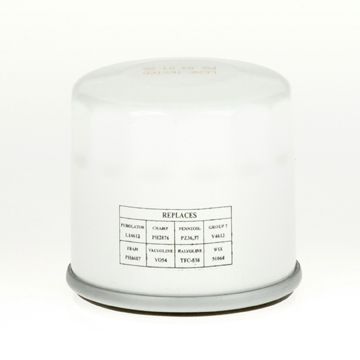
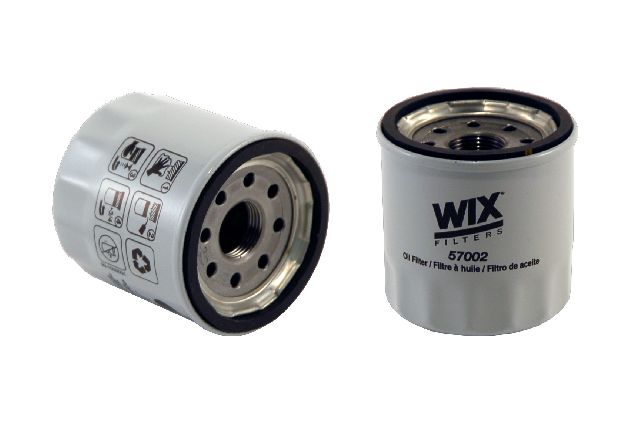
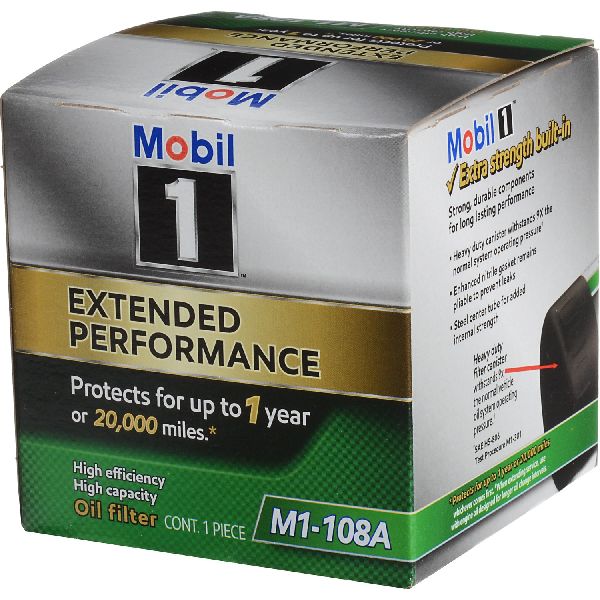
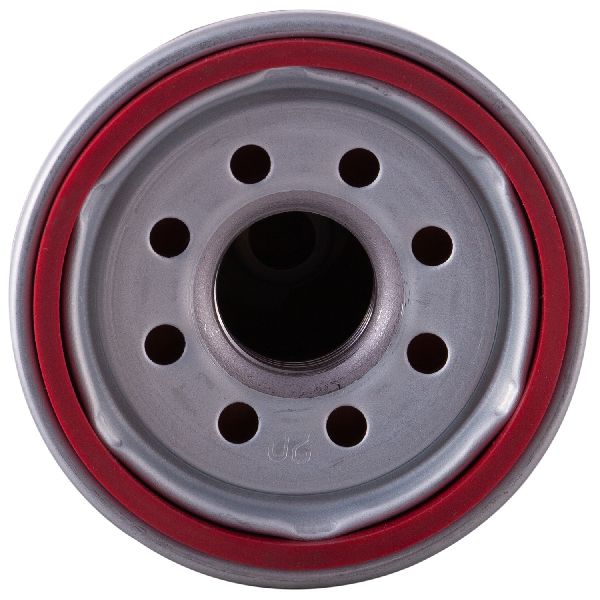
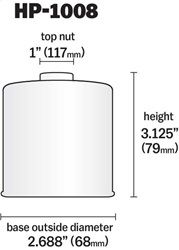
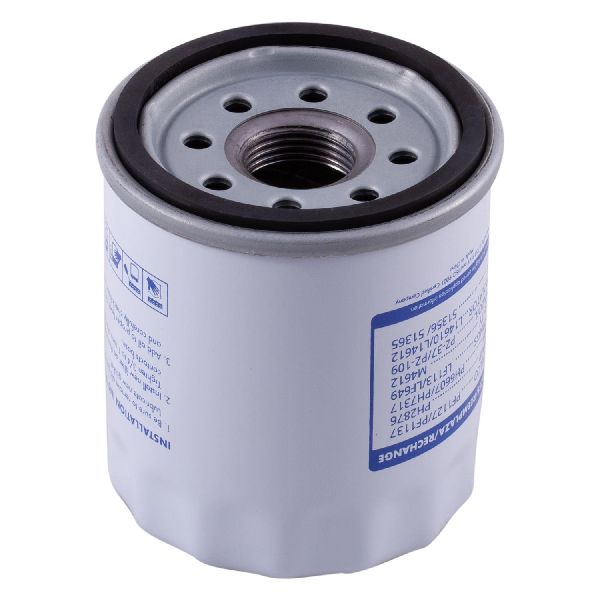
Est. part cost: $10-$20 - Faulty or Clogged Oil Filter ⚪ Low Probability → Shop Engine Oil Filter Adapter Using a poor-quality aftermarket filter or extending oil change intervals can lead to filter clogging or failure of the internal bypass valve. The OEM filter is part number PY8W-14-302A-MV.
How to confirm: This is often discovered during an oil change. One owner on Mazda Forum reported that replacing a recently installed aftermarket filter temporarily resolved the issue, suggesting the filter itself was defective or became clogged quickly due to system contaminants.
Typical fix: Replace the engine oil and filter using a high-quality or OEM filter (PY8W-14-302A-MV).
Est. part cost: $10-$25 - Faulty Engine Oil Pressure Sensor ⚪ Low Probability While sensors can fail, on this platform it is more often misdiagnosed. The solenoid valve is the more likely culprit if the oil level is correct. The sensor also contains the oil temperature sensor.
How to confirm: The primary test is to compare the sensor's reading on a scan tool to a reading from a mechanical oil pressure gauge. If the mechanical gauge shows good pressure but the code is present, the sensor or its wiring is likely faulty. Oil saturation in the connector is a possible failure point.
Typical fix: Replace the engine oil pressure sensor/switch. The OEM part number is PY8V-18-541B.
Est. part cost: $30-$150
Rare But Worth Checking
- Failing Oil Pump: → Shop Engine Oil Pump This is a more serious mechanical failure. If a mechanical gauge confirms consistently low pressure across all RPMs and other causes are ruled out, the oil pump may be at fault. TSB 01-016/19 (superseding 01-005/18) notes that debris can get stuck in the pump's pressure relief valve. The OEM pump part number is PY8W-14-100.
- Worn Internal Engine Components: In high-mileage engines, worn crankshaft or camshaft bearings can cause excessive clearance, leading to a drop in overall oil pressure. This is a worst-case scenario requiring an engine rebuild or replacement. One owner on Mazdas247 reported needing connecting rod bearings replaced along with the pump and solenoid.
Diagnosis Steps
- DO NOT DRIVE THE VEHICLE. Have it towed to a repair shop.
- Check the engine oil level and condition. If low, top it off and see if the light clears, but investigate for leaks or oil consumption issues (see TSB 01-011/22).
- Scan the PCM for any other stored trouble codes. Note if P055F or P0015 are present, as they are related. 🎬 Watch: How to diagnose P055F and P0524 codes together
- Crucially, connect a mechanical oil pressure gauge to the engine to verify the actual oil pressure. This is the most important step to determine if the pressure is actually low or if it's a sensor/wiring issue.
- If pressure is confirmed to be low, follow the diagnostic procedure from Mazda TSB #01-003-24 (or its latest version). This involves inspecting and replacing the engine oil solenoid valve, changing the oil and filter, and reprogramming the PCM.
- If pressure is normal on the mechanical gauge, inspect the oil pressure sensor (PY8V-18-541B) and its wiring harness for damage or oil saturation. Test the sensor's output.
- If the code cannot be cleared after repairs, be aware of TSB #01-012-20-3738, which describes a software glitch preventing DTCs from being erased. This requires a dealer-level software update to fix.
- After repairs, the PCM software must be updated by a Mazda dealer or a shop with the Mazda Modular Diagnostic System (M-MDS) to complete the fix and prevent the code from returning.
Parts You'll Likely Need
- Engine Oil Solenoid Valve
(OEM #PE01-14-420A)— This is the most common point of failure for this code on this specific vehicle, as documented by Mazda in TSB 01-003-24 and its successors.
Trusted brands: Mazda (OEM)
OEM price range: $60-$120
Aftermarket price range: $40-$100 - Engine Oil Pressure Sensor/Switch
(OEM #PY8V-18-541B)— This is the part to replace if diagnosis confirms actual oil pressure is good, but the PCM is receiving an incorrect signal. It is often replaced unnecessarily.
Trusted brands: Mazda (OEM), Bosch, Standard Motor Products
OEM price range: $50-$150
Aftermarket price range: $30-$80 - Engine Oil Filter
(OEM #PY8W-14-302A-MV)— Required as part of the TSB repair procedure to remove contaminants from the system. Using a quality OEM filter is critical.
Trusted brands: Mazda (OEM)
OEM price range: $10-$20
Aftermarket price range: $5-$15
Related Codes That Often Appear With This One
- P055F — This code for 'Engine Oil Pressure Malfunction' is explicitly mentioned alongside P0524 in Mazda TSB 01-003-24 and its successors, pointing to the same sticking oil solenoid valve root cause.
- P0015 — 'Exhaust CMP Timing Over-Retarded.' TSB 01-016/19 links this code with P0524, stating that a drop in oil pressure can affect the variable valve timing (VVT) system, causing this timing code to appear. The cause is often debris in the oil pump relief valve or OCV.
Technical Service Bulletins (TSBs) & Recalls
- 01-003-24 / 01-004-21: Sticking engine oil solenoid valve due to oil contamination causing P0524 and/or P055F. Manufacturer TSB Bulletin #01-003-24 notes that contamination in the engine oil may cause the engine oil solenoid valve to become stuck, resulting in improper operation.
- 01-016/19 (supersedes 01-005/18): Rough idle with P0015 and/or P0524 caused by foreign object in oil pump relief valve or OCV.
- 01-012-20-3738: Software issue preventing DTCs like P0524 from being cleared post-repair due to improper PCM logic. Manufacturer TSB Bulletin #01-012-20-3738 describes how the check engine light stays on even if the detection condition has gone because the DTC cannot be cleared by itself.
- 01-011/22: Excessive oil consumption on 2.5T engines due to faulty valve seals.
Platform-Specific Known Issues
- TSB #01-003-24 (and successors like 01-004-21, 01-004-23): Documents the sticking engine oil solenoid valve due to oil contamination as a primary cause for P0524 and/or P055F. The fix requires valve replacement, an oil change, and a PCM software update.
- TSB #01-012-20-3738: Notes a software glitch that can prevent P0524 from being cleared from memory after a repair, requiring a PCM update.
- TSB #01-011/22: Addresses excessive oil consumption on some 2021 2.5L Turbo models due to faulty exhaust valve seals, which could lead to a low oil level severe enough to cause P0524.
Mechanic-Grade Diagnostic Values
- Mechanical Oil Pressure (Engine at normal operating temp: 80-90°C) — expected: 110—175 kPa / 16.0—25.3 psi @ 1,500 rpm. Failure: Pressure below 16.0 psi at 1,500 rpm indicates a mechanical lubrication issue.
- Mechanical Oil Pressure (Engine at normal operating temp: 80-90°C) — expected: 300—430 kPa / 43.6—62.3 psi @ 4,500 rpm. Failure: Pressure significantly below this range at higher RPM confirms a serious lubrication fault.
- Engine Oil Solenoid (OCV) Coil Resistance — expected: 6.9—7.5 ohms at 20°C (68°F). Failure: A reading outside this range indicates a faulty solenoid coil.
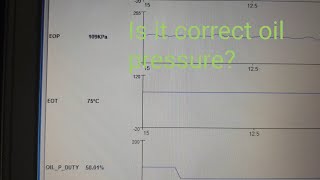
- Scan Tool Live Data: Oil Pressure Control Duty Cycle (at idle) — expected: Approx. 55-60%. Failure: A duty cycle commanded to 100% while actual pressure remains low suggests the PCM is trying to compensate for a mechanical/hydraulic fault (like a stuck solenoid or bad pump).
- Scan Tool Live Data: Oil Pressure (at idle, warm) — expected: Approx. 160-180 kPa. Failure: Significantly lower readings that correspond with a low mechanical gauge reading confirm the fault.
Hidden / Shadow Codes Worth Checking
- P0524:00: Engine Oil Pressure Too Low. The ':00' is a Failure Type Code (FTC) indicating a general 'Component Fault' without more specific information. It is often seen in Mazda's diagnostic software. (see via Mazda M-MDS, FORScan, or other professional-grade scan tools that can read manufacturer-specific codes and FTCs.)
- P055F:00: Engine Oil Pressure Malfunction. This code is often stored along with P0524 and points to the same root cause per Mazda TSBs. (see via Mazda M-MDS, FORScan, or other professional-grade scan tools.)
Scan Tool Commands That Help
- Mazda M-MDS / FORScan: PCM Reprogramming — This is a mandatory final step after replacing the oil solenoid valve, as per TSB 01-004-23. It updates the PCM logic to prevent the valve from sticking again. It is also required to fix the 'non-clearing DTC' issue described in TSB 01-012-20.
- FORScan / Advanced Scan Tools: Reset Oil Deterioration Learned Values — After performing an oil and filter change. Some Mazda systems use a point-based system to estimate oil life and quality. Failing to reset this can lead to other erroneous oil-related warnings.
Wiring & Ground Locations
- Engine Ground Strap — Typically runs from the engine block or transmission bell housing to the vehicle's chassis/frame.. A poor engine ground can cause erratic sensor readings and solenoid behavior. While not a primary cause for P0524, verifying the main grounds are clean and tight is a fundamental step in any electrical diagnosis.
- Oil Pressure Sensor Connector — Screwed into the engine block, often near the oil filter housing.. This connector is a critical failure point. If there's an oil leak from the sensor's seal or another nearby gasket, the connector can become saturated with oil, leading to a poor connection and false low-pressure signals. It must be inspected and cleaned or replaced if contaminated.
Real Owner Repair Stories
- Mazda Forum user (2019 Mazda CX-3 (similar Skyactiv engine and systems)) — P0524 code, vehicle enters limp mode and will not rev above 2000 RPM. Low oil pressure light comes on when revved, goes off at idle.
❌ Tried (didn't work) Replaced the engine oil pressure switch (PY8V-18-541B)., Tested the VVT solenoid and oil pressure valve with direct battery power; both clicked and seemed to function., Replaced the oil filter, which seemed to fix it for a few weeks before the problem returned., Performed a full oil change, which again seemed to fix it for a few weeks before the problem returned.
✅ What actually fixed it The user's experience strongly suggests the underlying issue was oil contamination, as described in the TSBs. The temporary fix from changing the oil/filter indicates that fresh, clean oil temporarily restored function until contaminants circulated and caused the new solenoid or other components to stick again. The final fix requires the full TSB procedure: solenoid replacement AND a PCM update.
"I Checked Everything" — The Actual Cause
- A common scenario for this vehicle is not a smoke test, but the equivalent for this system: the mechanical oil pressure gauge reads perfectly fine, yet the P0524 code is present and the check engine light will not turn off. This is a classic symptom of the software glitch described in Mazda TSB #01-012-20-3738. Technicians may chase a phantom wiring or sensor issue, but the actual cause is improper PCM logic that prevents the stored code from being erased. The only fix is a PCM software update at a dealership.
OEM Part Supersession History
pe0114420→PE01-14-420A— Standard part evolution. This is the oil control solenoid valve implicated in the TSBs.PY8V-18-541B→None (Potentially Out of Production)— Part may no longer be in production as an OEM component.
Heads up: Some parts suppliers indicate this OEM sensor is out of production. While it may still be available from dealer stock, a technician may need to source a high-quality aftermarket equivalent from a brand like Bosch if the OEM part is unavailable.
Model Year Variations Within This Range
- 2019-2020: Vehicles built before July 1, 2019 (Mexico build) or July 1, 2019 (Japan build) are susceptible to a PCM software glitch where DTC P0524 cannot be cleared, per TSB 01-012/20. Later models have updated software.
- 2019-2021: The 8th digit of the VIN identifies the engine type. 'M' indicates the engine has cylinder deactivation and is explicitly covered by TSBs related to the sticking oil solenoid. 'L' indicates no cylinder deactivation.
Diagnostic Flowchart
Other Known Issues on This Vehicle
Issues unrelated to this code that are worth knowing about as an owner of this generation:
- Intake Valve Carbon Buildup 🟠 Medium — Common on all direct-injection engines. Can become noticeable after 40,000-60,000 miles, especially with mostly city driving.
- Fragile Interior Piano Black and Instrument Cluster Plastic 🟡 Low — Extremely common complaint from new. The glossy black trim and clear plastic over the gauges scratch very easily from normal cleaning.
- Excessive Oil Consumption (2.5L Turbo models) 🔴 High — Affects some 2021 2.5T engines within a specific VIN range. Can cause low oil levels between changes. (Ref: TSB 01-011/22)
- Vibrations from Cylinder Deactivation System 🟡 Low — Some owners report noticeable vibrations around 1800 RPM when the cylinder deactivation system engages. Not all vehicles are affected.
- Engine Tapping Noise at Idle 🟠 Medium — Some vehicles may exhibit a tapping noise from the engine at idle, which is synchronized to engine RPM. (Ref: TSB 01-002/21)
- Rear Differential Noise (AWD Models) 🟠 Medium — Some owners of AWD models (particularly Turbo) report whining or droning noises from the rear differential, sometimes requiring replacement under warranty after 40,000-60,000 miles.
Used vs. New Parts: Buying Guide for This Vehicle
When a used part is the smart pick: For this specific P0524 repair, using used parts is not recommended for the core components. The only potentially acceptable used part would be a major engine component like a cylinder head or block if a worst-case scenario (bearing failure) occurred, and the donor vehicle has documented low mileage and history.
Donor-vehicle mileage cap: roughly under 50000 miles for the part to have meaningful remaining life.
What to inspect on the donor part:
- For a major engine component, check for signs of overheating (discoloration).
- Look for evidence of regular maintenance (e.g., clean oil residue under the oil cap, not thick sludge).
- Avoid any parts from a vehicle that had a front-end collision, which could have shocked internal components.
OEM-only on this vehicle (don't cheap out):
- Engine Oil Solenoid Valve (PE01-14-420A): The failure is due to contamination causing sticking. A used part has an unknown history and a high risk of being similarly contaminated. Given the low cost of a new OEM part and the labor involved, a used part is a poor investment.
- Engine Oil Filter (PY8W-14-302A-MV): This is a maintenance item and must always be new. Using a genuine Mazda filter is recommended by the TSB to ensure proper filtration and bypass valve operation.
Aftermarket brands forum-validated for this vehicle:
- Bosch: For the Engine Oil Pressure Sensor (PY8V-18-541B), Bosch is a reputable OEM supplier and a reliable alternative if the genuine Mazda part is unavailable.
Brands owners have reported issues with on this vehicle:
- Unnamed/White-box Oil Filters: A forum user's experience showed that a recently installed aftermarket filter may have been the cause of the issue, or was unable to cope with system contaminants, leading to a rapid return of the P0524 code.
Real Owner Stories
Aggregated from forums and TSBs cited above. Mileages and costs reflect what owners reported in those sources.
2018 Mazda CX-5 2.5L (PY-VPS) — 1118 miles
Symptoms: Check engine light came on when the vehicle was only 3 months old. A reset attempt failed to keep the light off.
What fixed it: The dealer replaced the oil control solenoid valve, oil pump, pressure sensor, and connecting rod bearings.
Source hint: Mazdas247.com thread titled 'p0524-check-engine-light-on-3-month-old-2018-cx-5-awd-touring'
2019 Mazda CX-3 2.0L
Symptoms: Vehicle entered limp mode with code P0524. Replacing the oil pressure switch (PY8V-18-541B) did not fix the problem.
What fixed it: Replacing a recently installed aftermarket oil filter provided temporary relief, though the issue eventually returned due to deeper system contamination.
Source hint: Mazda Forum (mazdaforum.com) thread titled 'p0524-code-2019-cx-3-a-49321'
2021 Mazda 3 2.5L Turbo
Symptoms: Code P0524 appeared 200-300 miles after a major repair (cracked cylinder head replacement).
What fixed it: The code persisted despite a PCM update and replacement of the OCV, sensor, and oil pump, illustrating the complexity of the issue post-major engine work.
Source hint: Reddit (r/mazda) thread titled 'looking_for_input_p0524_code_keeps_returning'
Related OBD-II Codes
Frequently Asked Questions
My 2019 Mazda 3 is in 'limp mode' and won't go over 2000 RPM. Is this related to code P0524?
Does Mazda TSB #01-003-24 apply to my 2021 Mazda 3 with the 2.5L engine?
I replaced the oil solenoid, but I can't clear the P0524 code with my scanner. Why?
Can using an aftermarket oil filter cause P0524 on my Mazda 3?
Is the oil consumption issue on the 2021 2.5L Turbo related to this low oil pressure code?
What is the specific part number for the oil pressure sensor if I need to replace it?
Helpful Videos

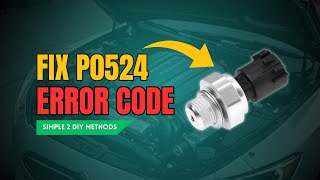
![How to Fix P0524 Engine Code in 4 Minutes [2 DIY Methods / Only $6.99]](https://img.youtube.com/vi/qOfaymDQMXM/mqdefault.jpg)
We Have This Part in Stock

The information in this article is provided for general reference and educational purposes only. Vehicle specifications, procedures, and part compatibility can vary by production date, trim level, and region. Always consult your vehicle's factory service manual and verify part numbers before purchasing or performing repairs. Safety-critical components such as airbags, seat belts, and braking systems should be installed by a qualified professional.
- Mazda 3:
- 🧭 Diagnostic Flowchart
- 🎬 Helpful Videos
- 🛍️ Shop This Part
- What's Unique About the 2019-2021 Mazda 3
- Symptoms You May Notice
- Most Likely Causes
- Rare But Worth Checking
- Diagnosis Steps
- Parts You'll Likely Need
- Related Codes That Often Appear With This One
- Technical Service Bulletins (TSBs) & Recalls
- Platform-Specific Known Issues
- Mechanic-Grade Diagnostic Values
- Hidden / Shadow Codes Worth Checking
- Scan Tool Commands That Help
- Wiring & Ground Locations
- Real Owner Repair Stories
- "I Checked Everything" — The Actual Cause
- OEM Part Supersession History
- Model Year Variations Within This Range
- Other Known Issues on This Vehicle
- Used vs. New Parts: Buying Guide for This Vehicle
- Real Owner Stories
- 2018 Mazda CX-5 2.5L (PY-VPS) — 1118 miles
- 2019 Mazda CX-3 2.0L
- 2021 Mazda 3 2.5L Turbo
- Related OBD-II Codes
- Frequently Asked Questions
- 🎟️ Get 5% Off