

P0700 on 2011-2015 Kia Optima: Transmission Fault Causes and Fixes
P0700 is a general transmission fault alert. On the 2011-2015 Kia Optima, it's most often triggered by a failed transmission fluid temperature sensor, causing harsh shifting. The fix involves replacing the internal sensor, costing about $20-$50 for the part and 2-3 hours of labor.
- P0700 is a general alert; you MUST scan the Transmission Control Module (TCM) for the specific, underlying codes.
- The most likely cause on a 2011-2015 Optima is a failed internal transmission fluid temperature sensor, which will set codes like P0711, P0712, or P0713.
- Symptoms are almost always related to harsh, erratic shifting or the transmission entering limp mode.
- Do not let a repair shop immediately quote a full transmission replacement; the fix is often a single, inexpensive sensor that requires a few hours of labor to access.
- Always use the correct Kia SP-IV transmission fluid when performing this repair.
What's Unique About the 2011-2015 Kia Optima
The 2011-2015 Kia Optima uses a 6-speed automatic transmission (A6MF1) that is well-known for a specific, common failure: the internal transmission fluid temperature sensor. This issue is so prevalent that Kia issued a Technical Service Bulletin (TSB TRANS 043) about it. When this sensor fails, it typically sends an incorrect low-temperature signal (short circuit), causing the TCM to command maximum line pressure. This results in very harsh, sudden shifting (especially when cold or shifting from Park to Drive) and can trigger the P0700 code along with more specific sensor codes like P0711, P0712, or P0713.
Symptoms You May Notice
- Check Engine Light is on
- Harsh, jerky, or delayed gear shifts, sometimes described as a 'bang' or 'slam' into gear.
- Transmission getting stuck in one gear (typically 3rd gear, known as 'limp mode')
- Reduced fuel economy
- Vehicle may hesitate or stall when coming to a stop
- Erratic shifting behavior that may be worse when the vehicle is cold
- Replacing the entire transmission when only the inexpensive internal temperature sensor has failed.
- Clearing the P0700 code without reading the underlying TCM codes, leading to the problem quickly returning.
- Assuming an engine misfire is the cause of rough driving when it's actually harsh transmission shifting.
- Mistaking engine-related issues, like faulty cam/crank sensors, for a transmission problem, as they can also affect shift quality.
Most Likely Causes
- Failed Transmission Fluid Temperature Sensor 🔴 High Probability → Shop Transmission Assembly This is a widely documented failure point on the A6MF1 6-speed automatic transmission used in this Optima and other Kia/Hyundai vehicles. The failure is so common that Kia acknowledged it with TSB TRANS 043, which advises against replacing the entire transaxle for this specific sensor fault.
How to confirm: Use a scan tool to check for specific codes stored in the TCM. Codes P0711, P0712, or P0713 strongly indicate this failure. You can also monitor the transmission fluid temperature data stream; a reading of -40°F or one that doesn't change as the vehicle warms up confirms a bad sensor. A direct resistance test of the sensor should show approximately 2.5 kΩ at 68°F (20°C). 🎬 See how to test the sensor's resistance and confirm it's failed.
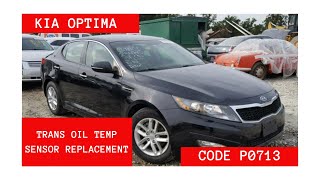
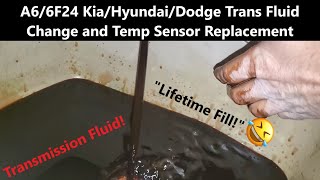
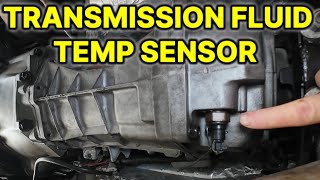
Typical fix: Replace the transmission fluid temperature sensor. This requires draining the fluid, removing the transmission's side valve body cover, and swapping the sensor. The transmission 🎬 Watch: Step-by-step guide to replacing the temperature sensor and fixing hard shifts. fluid and valve body cover gasket should be replaced at the same time. The wiring harness connector to the sensor is known to be fragile, so care must be taken during removal.
Est. part cost: $20-$50 - Failed Transmission Range Sensor (Inhibitor Switch) 🟡 Medium Probability → Shop Transmission Assembly This sensor, which tells the TCM the selected gear (P, R, N, D), is another common failure point on many automatic transmissions and is located on the outside of the transmission case.
How to confirm: Scan the TCM for code P0705. Symptoms include the gear indicator on the dashboard not matching the actual gear, or the vehicle not starting in Park but starting in Neutral.
Typical fix: Replace the transmission range sensor. It is typically located on the exterior of the transmission case where the shift linkage attaches.
Est. part cost: $40-$80 - Low or Dirty Transmission Fluid ⚪ Low Probability → Shop Transmission Assembly
How to confirm: Check the transmission fluid level and condition. These transmissions do not have a traditional dipstick, so checking the level involves removing a fill plug on the side of the transmission while the vehicle is level and at a specific temperature (typically around 122-140°F). If the fluid is dark brown/black or smells burnt, it is degraded.
Typical fix: Perform a transmission fluid drain-and-fill using fluid that meets Kia's SP-IV specification. If the fluid is very dirty, a full fluid exchange may be needed.
Est. part cost: $60-$120 for fluid
Rare But Worth Checking
- Faulty Shift Solenoid: → Shop Transmission Valve Body A specific shift solenoid can fail, causing issues with a particular gear. This would typically be accompanied by a specific solenoid code (e.g., P0750-P0774). Testing individual solenoids may be required.
- Damaged Internal Wiring Harness: → Shop Transmission Wiring Harness The internal transmission wiring harness, which connects the temperature sensor and solenoids, can fail at a high rate, causing intermittent electrical faults. This is often replaced along with the temperature sensor as a preventative measure.
- Failing Transmission Control Module (TCM): → Shop Transmission Assembly While rare, the TCM itself can fail. This is usually suspected only after all other possibilities, such as sensors, solenoids, and wiring, have been ruled out.
Diagnosis Steps
- Connect an OBD-II scanner capable of reading transmission codes to the vehicle.
- Scan for codes in both the ECM and TCM. Record all codes found, especially any in the P07xx range.
- If P0711, P0712, or P0713 are present, the transmission temperature sensor is the most likely culprit.
- If P0705 is present, diagnose the transmission range sensor and its circuit.
- If other solenoid-specific codes (P0750-P0799) are present, diagnose the corresponding solenoid and its wiring.
- If no other codes are present besides P0700 (which is rare), check the transmission fluid level and condition. This is a complex procedure on this vehicle and must be done at a specific fluid temperature.
- Inspect the external transmission wiring harness for any visible damage, corrosion, or loose connections.
- If all sensors, wiring, and fluid levels are good, the issue may be a more complex internal mechanical problem or a faulty TCM, which typically requires professional diagnosis.
Parts You'll Likely Need
- Transmission Fluid Temperature Sensor
(OEM #46386-3B900)— This is the most common failure on this transmission that triggers a P0700 code, causing harsh shifting. It is also referred to as an Oil Temperature Sensor.
Trusted brands: Kia/Hyundai OE
OEM price range: $20-$50
Aftermarket price range: $15-$40 - Transmission Range Sensor / Inhibitor Switch
(OEM #42700-26700)— A secondary common cause that can lead to no-start conditions or incorrect gear indication. This part number may supersede older versions like 42700-26500.
Trusted brands: Kia/Hyundai OE, Duralast, Standard Motor Products
OEM price range: $60-$100
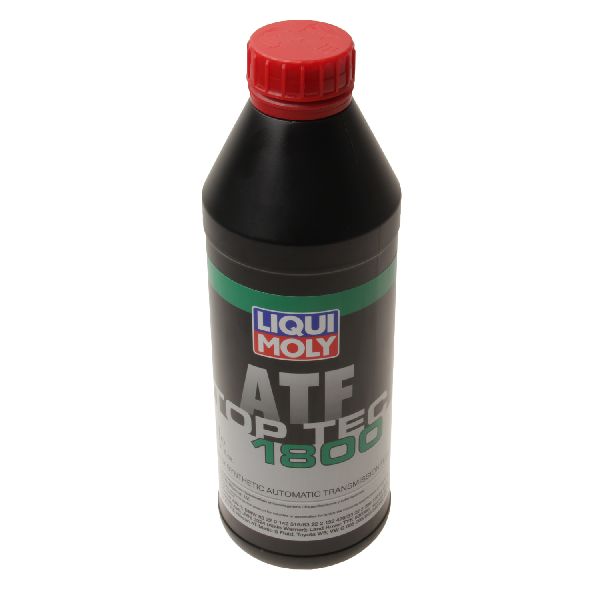
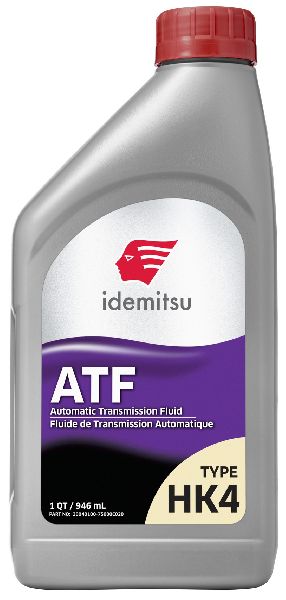
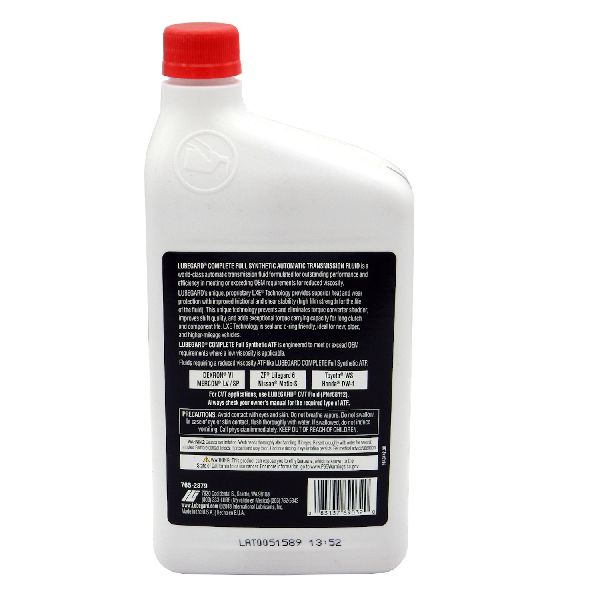
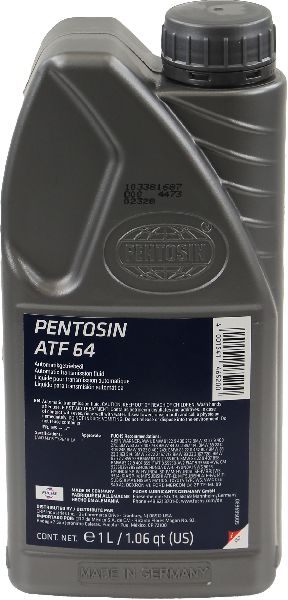
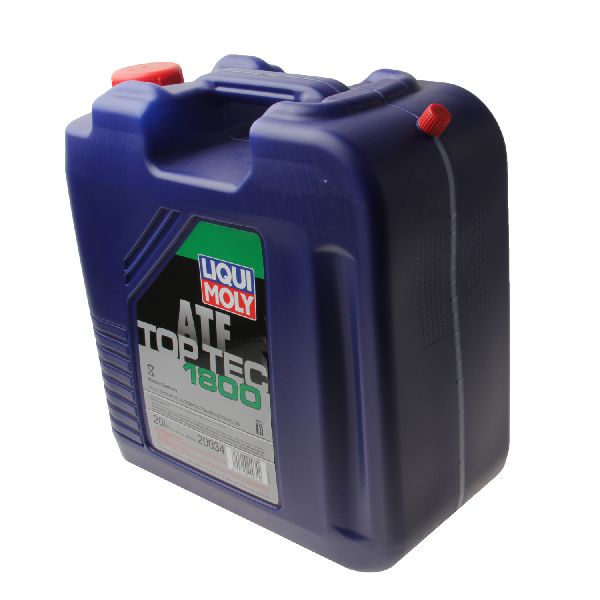
Aftermarket price range: $40-$80 - Kia SP-IV Automatic Transmission Fluid — Required when replacing the internal temperature sensor or performing a fluid service. Using the correct fluid is critical for transmission health. Approximately 4-5 quarts are needed for a drain and fill.
Trusted brands: Kia/Hyundai OE, Idemitsu, Eneos (compatible)
OEM price range: $15-$20 per quart
Aftermarket price range: $10-$15 per quart
Related Codes That Often Appear With This One
- P0711 — Indicates 'Transmission Fluid Temperature Sensor 'A' Circuit Range/Performance', a common companion code for a failing temp sensor.
- P0712 — Indicates 'Transmission Fluid Temperature Sensor 'A' Circuit Low', meaning the sensor is shorted, which is the most common failure mode for this part.
- P0713 — Indicates 'Transmission Fluid Temperature Sensor 'A' Circuit High', meaning the sensor circuit is open.
- P0705 — Indicates a fault in the Transmission Range Sensor (Inhibitor Switch) circuit.
Technical Service Bulletins (TSBs) & Recalls
- TRANS 043 - Addresses the common failure of the transmission fluid temperature sensor for codes P0711, P0712, and P0713. It explicitly states to replace the sensor and not the entire transaxle. It applies to multiple Kia models including the Optima, Sorento, and Sportage.
- TRA 049 (REV 1) - Provides the procedure to reset and relearn transmission adaptive values using the Kia GDS/KDS scan tool after a transmission or TCM/PCM replacement.
- SA499 - A service action related to protecting the transmission control harness from contacting a bracket bolt, which could cause wiring damage. It involves adding protective conduit and tape.
Platform-Specific Known Issues
- A known high failure rate of the internal transmission fluid temperature sensor is the most significant issue related to this code for the 2011-2015 Optima.
- The internal transmission wiring harness is also a known weak point and may be replaced along with the temperature sensor.
Mechanic-Grade Diagnostic Values
- Transmission Fluid Temperature Sensor Resistance — expected: ~2.5 kΩ (kilo-ohms) at 68°F (20°C). Failure: A reading near zero ohms indicates a shorted sensor. An open circuit (infinite resistance) indicates a broken sensor or wire.
- Transmission Main Connector Pins for Temp Sensor Test — expected: Pins 9 and 13 on the main transmission case connector.. Failure: Testing resistance across these two pins from outside the transmission allows you to test the sensor and internal harness without opening the case.
- Shift Solenoid Resistance (VFS type) — expected: 5.1 ohms. Failure: A reading significantly higher or lower than 5.1 ohms suggests a faulty solenoid.
Scan Tool Commands That Help
- Kia GDS/KDS: Resetting Auto T/A values (Option Treatment) — This function should be used after replacing the transmission, valve body, TCM, or performing an internal repair like replacing the temperature sensor or solenoids. It clears the learned shift adaptations, forcing the TCM to relearn shift pressures and timing.
- Kia GDS/KDS: Adaptive Values Relearn Drive Cycle — After resetting the adaptive values, a specific drive cycle must be performed. This involves accelerating gently (10-20% throttle) through all gears and performing specific P-R-N-D shifts while stationary to allow the TCM to properly relearn shift points.
Wiring & Ground Locations
- Transmission Control Harness Chafe Point — Near the transmission control harness clip and the shift cable bracket bolt.. Kia Service Action SA499 identifies a potential for the transmission wiring harness to rub against a bracket bolt, which can cause shorts or open circuits, leading to various transmission fault codes including P0700. The fix involves adding protective conduit to the harness in this area.
Real Owner Repair Stories
- eBay Buyer Feedback (Kia (model/year not specified, but part is for this generation)) — Unspecified problem causing transmission issues.
✅ What actually fixed it Replacing the OEM transmission oil temperature sensor (P/N 46386-3B900) immediately remedied the problem. The buyer confirmed the part was new, genuine, and fixed the issue. - Carly Community Forum (2018 Kia Optima Hybrid (newer generation, but similar A6 transmission architecture)) — Gearbox stuck in emergency mode, ABS light on, grinding noises when shifting.
❌ Tried (didn't work) Initial speculation about internal transmission failure.
✅ What actually fixed it A damaged wiring harness was diagnosed and repaired by a workshop. This resolved all transmission issues and warning lights for a cost of 180€. This confirms that wiring issues can mimic major component failure. - NHTSA ODI #11080071 (Kia Spectra - Cross-Manufacturer Reference) — An owner reported the check engine light coming on and off with fault codes P0700 and P0748. The report noted some type of fault with the transaxle or a failed transaxle control module.
OEM Part Supersession History
46386-3B000, 46386-3B010→46386-3B900— Updated design for the Transmission Fluid Temperature Sensor.
Heads up: The newer part is backward compatible and is the correct replacement for the older numbers.42700-26500, 42700-26000→42700-26700— Updated design for the Transmission Range Sensor (Inhibitor Switch).
Heads up: The 42700-26700 part number replaces numerous older versions and has wide application across many Kia/Hyundai models.
Model Year Variations Within This Range
- 2011-2012: The original internal transmission wiring harness may have been a single assembly. Later models (2013+) and replacement harnesses separate the temperature sensor, making it individually replaceable. It is recommended to upgrade to the later style harness if performing this repair on an early model.
Diagnostic Flowchart
Other Known Issues on This Vehicle
Issues unrelated to this code that are worth knowing about as an owner of this generation:
- Catastrophic Theta II Engine Failure 🔴 High — Widespread across 2.0L and 2.4L GDI engines. Can occur at various mileages, sometimes under 100,000 miles. Caused by manufacturing debris restricting oil flow to rod bearings. (Ref: Recall SC147; Numerous class-action lawsuits and a lifetime warranty extension for original and subsequent owners who complete a required Knock Sensor Detection System (KSDS) software update.)
- Worn MDPS Steering Coupler 🟠 Medium — Very common. Owners typically notice a clicking or ticking sound from the steering column when turning the wheel, especially when stationary. The rubber coupler disintegrates over time. (Ref: TSB CHA-072 / Customer Satisfaction Program CS1604. Kia extended the warranty for this specific part to 10 years/unlimited mileage.)
- Intake Valve Carbon Buildup 🟠 Medium — Inherent to all Gasoline Direct Injection (GDI) engines, including the Theta II. Becomes problematic after 60,000-80,000 miles, causing misfires, rough idle, and loss of power.
- Ticking Noise from Steering Gear Yoke 🟡 Low — Common issue causing a ticking noise when turning the wheel, caused by a worn lining on the steering gear yoke assembly. (Ref: TSB CHA091 provides a procedure to replace the yoke plug and assembly with updated parts.)
Used vs. New Parts: Buying Guide for This Vehicle
When a used part is the smart pick: For this specific repair, sourcing a used part is generally not recommended for the sensors themselves due to their low cost when new and high failure rate. However, a used valve body cover or external connectors from a junkyard could be a cost-effective choice if the original parts are damaged during the repair.
Donor-vehicle mileage cap: roughly under 80000 miles for the part to have meaningful remaining life.
What to inspect on the donor part:
- For any used part, verify the donor vehicle was not in a severe front-end collision.
- Inspect plastic connectors for brittleness, cracks, or broken locking tabs.
- If considering a complete used transmission, ask for any available service history and check the fluid condition if possible.
OEM-only on this vehicle (don't cheap out):
- Transmission Fluid Temperature Sensor: Given the extremely high failure rate and low cost of the OEM part (46386-3B900), using a genuine Kia/Hyundai sensor is the safest bet to ensure a lasting repair.
- Transmission Fluid: Only use fluids that explicitly meet the Kia SP-IV specification. Using a generic or incorrect fluid type can cause shift problems and long-term damage.
Aftermarket brands forum-validated for this vehicle:
- Standard Motor Products (SMP) is a reputable aftermarket manufacturer for sensors like the temperature sensor (TX300) and range switch.
Brands owners have reported issues with on this vehicle:
- Avoid unbranded, no-name sensors from online marketplaces, as their quality control and accuracy can be highly questionable, potentially leading to a repeat repair.
Real Owner Stories
Aggregated from forums and TSBs cited above. Mileages and costs reflect what owners reported in those sources.
2012 Kia Optima
Symptoms: Hard shifting and a check engine light; the owner described the fix as addressing P0713 and P0711 codes.
What fixed it: Replacement of the transmission fluid temperature sensor.
Source hint: YouTube - 'KIA OPTIMA TRANSMISSION FLUID TEMP SENSOR REPLACEMENT P0713 P0711 - HARD SHIFTING FIXED' by 'Carbo-Fix'
Related OBD-II Codes
Frequently Asked Questions
My 2012 Kia Optima is slamming into gear and the check engine light is on. Does Kia have a technical service bulletin for this?
What specific codes should I look for to confirm the transmission temperature sensor is bad on my Optima?
Is there a risk of wiring damage causing transmission issues on this model?
My dashboard gear indicator doesn't match the shifter position and the car won't start in Park. Is this related to P0700?
I'm replacing the temperature sensor myself; is there anything I should be careful of?
After I fix the transmission sensor, do I need to do anything else for the car to shift correctly?
Helpful Videos

We Have This Part in Stock


The information in this article is provided for general reference and educational purposes only. Vehicle specifications, procedures, and part compatibility can vary by production date, trim level, and region. Always consult your vehicle's factory service manual and verify part numbers before purchasing or performing repairs. Safety-critical components such as airbags, seat belts, and braking systems should be installed by a qualified professional.
- Kia Optima:
- 🧭 Diagnostic Flowchart
- 🎬 Helpful Videos
- 🛍️ Shop This Part
- What's Unique About the 2011-2015 Kia Optima
- Symptoms You May Notice
- Most Likely Causes
- Rare But Worth Checking
- Diagnosis Steps
- Parts You'll Likely Need
- Related Codes That Often Appear With This One
- Technical Service Bulletins (TSBs) & Recalls
- Platform-Specific Known Issues
- Mechanic-Grade Diagnostic Values
- Scan Tool Commands That Help
- Wiring & Ground Locations
- Real Owner Repair Stories
- OEM Part Supersession History
- Model Year Variations Within This Range
- Other Known Issues on This Vehicle
- Used vs. New Parts: Buying Guide for This Vehicle
- Real Owner Stories
- 2012 Kia Optima
- Related OBD-II Codes
- Frequently Asked Questions
- 🎟️ Get 5% Off