

P0700 on 2008-2010 Saturn Vue: Transmission Control System Malfunction Causes and Fixes
P0700 on a 2008-2010 Saturn Vue means the transmission has a problem. For V6 models with the 6T70/6T75 transmission, this is very often a failed 3-5-R wave plate or a bad Transmission Control Module (TCM), both requiring major repair. The wave plate failure was so common GM issued a special warranty extension (14404B). The first step is always a full transmission scan to find the specific fault codes that triggered the P0700.
- P0700 is a generic code; you MUST use an advanced scanner to read the specific fault codes from the Transmission Control Module (TCM).
- On V6 models, be highly suspicious of a broken 3-5-R wave plate (if you have shifting flares and lost gears) or a failed TCM (if you have electronic fault codes).
- Fixing this code is almost never a simple DIY job. Both common causes require either transmission removal or complex internal work and programming.
- Always check the transmission fluid level and condition first, but understand this is a sealed transmission without a dipstick, requiring a specific procedure.
- Do not let a shop replace the entire transmission without confirming the specific internal fault. A TCM replacement or a targeted rebuild for the wave plate is often the correct, more affordable repair.
What's Unique About the 2008-2010 Saturn Vue
The 2008-2010 Saturn Vue with a V6 engine uses the GM 6T70 or 6T75 transmission, which is highly susceptible to two specific major failures that trigger a P0700 code. The first is the fracturing of the 3-5-R (3rd, 5th, and Reverse) wave plate, a well-documented manufacturing defect that led to GM issuing Special Coverage bulletin 14404B, extending the warranty to 10 years/120,000 miles for this specific part. The second is the failure of the Transmission Control Module (TCM) itself, often called the TEHCM (Transmission Electro-Hydraulic Control Module), which is located inside the transmission housing on the valve body, making its replacement a complex and labor-intensive job. These two issues are far more common on this platform and its mates (like the GMC Acadia and Chevy Traverse) than on many other vehicles.
Symptoms You May Notice
- Check Engine Light is on
- Engine RPMs flare up between shifts (shift flares), especially on the 2-3, 4-5, or 5-6 shifts.
- Harsh, banging, or erratic shifting
- Delayed or no engagement when shifting into Drive or Reverse, often followed by a hard bang.
- Complete loss of Reverse, 3rd, and 5th gears.
- Vehicle gets stuck in one gear (limp mode) and will not shift, sometimes resolved temporarily by turning the car off and on.
- Inability to drive over a low speed, such as 30 MPH
- A burning smell from the transmission fluid may be noticeable.
- Replacing the Engine Control Module (ECM) will not fix this code, as P0700 originates from the transmission's separate control module (TCM).
- Clearing the code without reading the underlying TCM codes. The P0700 will simply return until the root cause in the transmission is addressed.
- Assuming any single solenoid is bad. On this platform, multiple solenoid codes often point to a failure of the entire TEHCM assembly, not just one component.
Most Likely Causes
- Broken 3-5-R Wave Plate (V6 Models) 🔴 High Probability Vues with the 6T70/6T75 6-speed automatic transmission were subject to a known manufacturing defect where the 3-5-R wave plate would fracture due to a design flaw. GM acknowledged this by issuing Special Coverage bulletin 14404B, extending the warranty.
How to confirm: Symptoms are a key indicator: specifically, flaring RPMs on shifts and the eventual loss of Reverse, 3rd, and 5th gears. A transmission specialist can find metal debris in the pan and valve body, confirming an internal hard part failure. Associated codes often include P0776 or P0777. NHTSA ODI #10533722 describes a situation where the transmission started to slip when shifting from 3rd to 4th gear and hesitated to upshift from 5th to 6th gear, logging codes P0700 and P0777.
Typical fix: The transmission must be removed from the vehicle, completely disassembled, and rebuilt with an updated, more robust wave plate. All debris must be thoroughly cleaned from the entire transmission to prevent repeat failures. This is a major, labor-intensive repair often costing $2,800 - $4,200.
Est. part cost: $200-$500 for a full rebuild kit with updated parts - Failed Transmission Control Module (TCM/TEHCM) 🔴 High Probability → Shop Transmission Assembly The TCM is integrated with the valve body and solenoids (as a TEHCM) and is located inside the transmission, exposed to constant heat and vibration, leading to a high failure rate of its internal electronics and pressure switches.
How to confirm: A professional scan tool may show no communication with the TCM or specific TCM internal fault codes like P1621 (Control Module Memory Performance) or codes for pressure switches like P0877 or P0989. 🎬 Watch: How to repair the TEHCM pressure switch membrane. Multiple solenoid performance codes (e.g., P0751, P0752) also strongly point to the TEHCM. NHTSA ODI #10927817 reports a failure to shift from 1st gear where RPMs went way up, and codes P0700, P0752, and P0989 were pulled.
Typical fix: The transmission fluid pan and side cover are removed to access and replace the TEHCM assembly. 🎬 Watch: How to replace the valve body without removing the transmission. The new module must be programmed to the vehicle's VIN using specialized dealer-level software. A repair can cost around $1,000-$1,500 at an independent shop. Note that some owners, such as in NHTSA ODI #11361220, have reported the P0700 code returning only three months after replacing the transmission control module.
Est. part cost: $300-$600 for the module - Low or Burnt Transmission Fluid 🟡 Medium Probability → Shop Transmission Assembly
How to confirm: The fluid level must be checked via a specific procedure using a check plug on the side of the transmission case, as there is no dipstick. The check must be done with the engine running and the fluid at operating temperature (180-200°F). Fluid should be bright red (DEXRON-VI) and not smell burnt. In NHTSA ODI #11443694, an owner reported that an OBD scanner pulled codes P0700 and P2723 while having the vehicle checked out.
Typical fix: Top off the fluid to the correct level or perform a fluid and filter change if the fluid is old or dirty. If the level was low, the source of the leak (e.g., axle seal, case porosity) must be identified and repaired.
Est. part cost: $60-$150 for fluid and filter
Rare But Worth Checking
- Wiring Harness Damage: The main electrical connector at the transmission case (X109) can become corroded or the terminals can lose tension, leading to communication errors (U-codes) that trigger a P0700. Always inspect this connector before condemning an internal part, as detailed in GM TSB 08-07-30-021H.
- Worn Solenoid Accumulator Bores: The bores for the accumulator/dampener pistons in the transmission channel plate can wear out, causing pressure loss. This leads to symptoms like delayed engagement, harsh shifts, and shift flares. This typically requires replacing the channel plate or using an aftermarket repair kit to install oversized pistons.
Diagnosis Steps
- Scan for Codes in the TCM: Use an advanced OBD-II scanner that can communicate with the Transmission Control Module (TCM). Record all codes stored in the TCM. This is the most critical step, as the P0700 is just an informational flag.
- Check Transmission Fluid: Verify the transmission fluid level and condition. This must be done via the fill/check plug on the side of the transmission while the vehicle is running and at operating temperature. If the fluid is low, dark, full of metal shavings, or smells burnt, it indicates a problem.
- Analyze TCM Codes: If codes like P0776 or P0777 are present along with symptoms of shift flares and/or loss of reverse, a broken 3-5-R wave plate is the primary suspect.
- Test for TCM/TEHCM Failure: If codes like P1621 are present, or if there are multiple solenoid/pressure switch codes (e.g., P0752, P0877, P0989), the TEHCM assembly is the most likely culprit.
- Inspect External Wiring: Check the main transmission wiring harness and connector for any signs of corrosion, damage, or loose pins before proceeding with internal repairs, per GM TSB 08-07-30-021H.
- Professional Diagnosis: If the cause is not obvious, take the vehicle to a reputable transmission shop. A forum user reported a specialist shop charged $1065 for a TEHCM replacement, versus a dealer quote of $5800 for a full transmission. Further diagnosis requires dropping the pan and likely removing the transmission.
Parts You'll Likely Need
- Transmission Electro-Hydraulic Control Module (TEHCM)
(OEM #ACDelco 24256861 (This part number has been superseded multiple times; always verify with VIN))— This is the combined Transmission Control Module (TCM), valve body, and solenoids. It is a very common failure point due to heat and vibration, causing various electronic fault codes. It must be programmed after installation.
Trusted brands: ACDelco (OEM), Dorman
OEM price range: $400-$700
Aftermarket price range: $250-$500 - Transmission Rebuild Kit (with updated wave plate)
(OEM #ACDelco 24254103 (3-5-R wave plate only))— Required to fix the common 3-5-R wave plate failure. A full kit includes all necessary gaskets, seals, and the redesigned, hardened wave plate to perform a full rebuild.
Trusted brands: Transtar, Sonnax, Raybestos
OEM price range: N/A (for full kit)
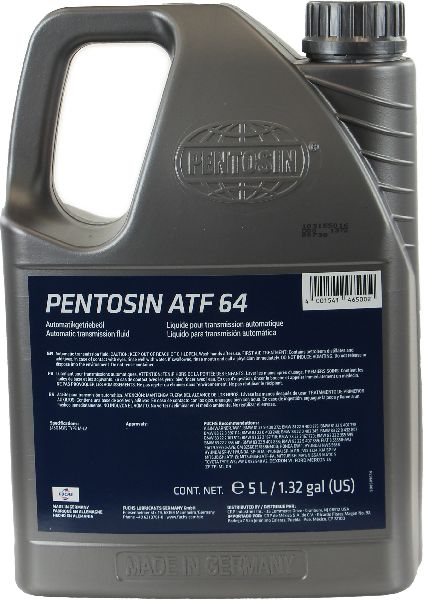
Aftermarket price range: $200-$500 - DEXRON-VI Automatic Transmission Fluid — This is the required fluid for the 6T70/6T75 transmission. A fluid and filter change is a basic first step, and a full refill (approx. 9-10 quarts) is required for any internal repair.
Trusted brands: ACDelco, Valvoline, Castrol
OEM price range: $8-$12 per quart
Aftermarket price range: $6-$10 per quart
Related Codes That Often Appear With This One
- P0776, P0777, P0796 — These are codes for pressure control solenoids and clutch pressure. P0776 (Clutch Pressure Control Solenoid 2 Stuck Off) is particularly common with the 3-5-R wave plate failure.
- P1621 — This code means 'Control Module Long Term Memory Performance' and directly indicates an internal failure of the Transmission Control Module (TCM).
- P0842, P0872, P0877, P0989 — These codes relate to transmission fluid pressure switch circuits. The switches are integrated into the TEHCM. When they fail, they often break apart, and these codes strongly suggest a faulty TEHCM that needs replacement.
Technical Service Bulletins (TSBs) & Recalls
- Special Coverage Adjustment 14404B: This is the key document for the 3-5-R wave plate issue. It extends warranty coverage for the specific failure to 10 years or 120,000 miles from the vehicle's in-service date. It covers the 2008-2009 Saturn Vue (among other GM models) with the 6T70/6T75 transmission. It instructs dealers to replace the 3-5-R clutch plate at no charge if the condition is confirmed. The bulletin was revised multiple times (A, B) to add vehicles like the Vue and clarify repair procedures.
- GM Bulletin No.: 08-07-30-021H: Addresses a loss of high-speed GMLAN communications which can cause a P0700, no-start, no-shift, and other electronic issues. It points to potential terminal corrosion or damage in the main transmission harness connector as a possible cause, which should be inspected before condemning internal components.
- ATSG Technical Video (GM 6T70-75 Engagement Issues): A technical video from the Automatic Transmission Service Group (ATSG) explains that delays into drive, 2-3 flares, and harsh reverse can be caused by wear in the six solenoid accumulator bores in the channel casting. For a long time, the only fix was replacing the channel plate and separator plate (GM P/N 24260039), but aftermarket kits are now available to ream the bores and install oversized dampener pistons.
Platform-Specific Known Issues
- GM Special Coverage bulletin 14404B specifically addresses the broken 3-5-R wave plate. It extended the warranty on this specific failure to 10 years or 120,000 miles. While this coverage has likely expired for most 2008-2010 vehicles based on time, its existence is a definitive acknowledgment of the widespread manufacturing defect.
- The 4-cylinder Saturn Vue models (2.4L engine) from this period used a different transmission (4T45 or 6T45) and are NOT subject to the 6T70/6T75's common wave plate and TEHCM failures.
Mechanic-Grade Diagnostic Values
- Shift Solenoid Resistance — expected: 20 - 40 Ohms. Failure: A reading outside this range indicates a faulty solenoid coil.
- PWM VBS (Variable Bleed Solenoid) Resistance — expected: 4 - 7 Ohms. Failure: A reading outside this range indicates a faulty solenoid coil. Note: These values will vary with temperature.
Hidden / Shadow Codes Worth Checking
- P0752, P0872, P0877, P0989: These are not 'shadow codes' in format, but are 'hidden' from basic OBD-II readers. They indicate specific faults within the TEHCM, such as 'Shift Solenoid A Stuck On' (P0752) or 'Transmission Fluid Pressure Switch D Circuit Low' (P0877). Finding these codes is critical for diagnosis. (see via A professional scan tool capable of reading manufacturer-specific transmission codes, such as a GM Tech 2 or equivalent aftermarket tool.)
Scan Tool Commands That Help
- GM Tech 2 / GDS2 or equivalent: Solenoid Electrical Function Check / Solenoid Test — After removing the TEHCM, a technician can use a special test plate (e.g., DT-47825) with shop air. The scan tool is used to command each solenoid on and off to verify it actuates correctly by checking for air pressure changes. This isolates a single bad solenoid within the TEHCM assembly.
- GM Tech 2 / GDS2 or equivalent: Service Fast Learn Adapts — This procedure is mandatory after replacing the TEHCM, valve body, or performing any internal transmission repair. It allows the TCM to relearn clutch apply volumes and shift characteristics. Failure to perform this step will result in poor shift quality.
- GM Tech 2 / GDS2 or equivalent: Clear All Adaptive Data — Used before performing the 'Service Fast Learn' to ensure the TCM starts from a clean slate. It erases all learned shift pressure adjustments.
Wiring & Ground Locations
- G106 — On the engine block, at the left front top corner for both 3.5L & 3.6L engines.. This is a primary engine and component ground. A poor connection here can cause erratic behavior in various electronic modules, including the ECM and TCM, potentially leading to communication errors or incorrect sensor readings.
- G108 — Behind the left headlight assembly (for 3.6L V6 models).. This ground point serves components in the front of the engine bay. Corrosion or a loose connection can cause intermittent electrical issues that are difficult to trace.
- Main TEHCM Connector (X109) — On the outside of the transmission case, where the main vehicle harness connects to the transmission.. As noted in TSB 08-07-30-021H, this connector is a known point of failure due to corrosion or poor pin tension, which can cause communication loss with the TCM and trigger a P0700 code.
Real Owner Repair Stories
- Saturn Forum user (2008 Saturn Vue) — P0700 code appeared, transmission would not shift out of 1st gear (limp mode).
❌ Tried (didn't work) A GM Dealer quoted $5800 for a complete transmission replacement., A local general mechanic refused to work on the transmission.
✅ What actually fixed it Took it to a transmission specialist shop. They diagnosed a failed TEHCM (Transmission Electro-Hydraulic Control Module) and replaced it for a total cost of $1,065. The car shifted fine after the repair.
OEM Part Supersession History
24256861 (and others)→Multiple newer part numbers— Revisions to improve reliability and address common failure modes.
Heads up: The TEHCM is VIN-specific and must be programmed. Using a part number from a different model year or vehicle (even if it looks identical) can result in a no-start or no-communication condition. Always verify the correct, most current part number with the vehicle's VIN before ordering.
Model Year Variations Within This Range
- 2008-2012 (Gen 1) vs 2013+ (Gen 2): The 2008-2010 Vue uses the 'Gen 1' 6T70/75 transmission. Around 2013, GM introduced the 'Gen 2' version. The TEHCMs are not interchangeable. The Gen 2 TEHCM eliminated the failure-prone pressure switches and uses a different 'clutch pulse learning' strategy. The solenoids were also changed from Variable Bleed (VBS) to Variable Feed (VFS). Using Gen 2 parts in a Gen 1 transmission will not work.
Diagnostic Flowchart
Used vs. New Parts: Buying Guide for This Vehicle
When a used part is the smart pick: A complete, low-mileage used transmission assembly can be a viable option if the original transmission has a catastrophic internal failure (like a broken wave plate that sent metal throughout the unit) or a confirmed case porosity leak. It can be more cost-effective than a full rebuild.
Donor-vehicle mileage cap: roughly under 80000 miles for the part to have meaningful remaining life.
What to inspect on the donor part:
- Verify the donor vehicle's mileage.
- Ask the salvage yard to drain a small sample of the transmission fluid. It should be bright red (DEXRON-VI), not dark brown, black, or smelling burnt.
- Inspect the exterior case for any cracks or heavy corrosion, especially around seals and the main connector.
- If possible, get the VIN of the donor car to check its history.
OEM-only on this vehicle (don't cheap out):
- Transmission Electro-Hydraulic Control Module (TEHCM): Due to the requirement for VIN-specific programming, a new ACDelco (OEM) part is the safest choice. While some aftermarket units exist, their long-term reliability and programming compatibility can be questionable.
Aftermarket brands forum-validated for this vehicle:
- Sonnax: Widely respected in the transmission industry for high-quality internal repair and upgrade parts. Their updated wave plates and 'Zip Kits' (which address valve body wear and pressure leaks) are considered standard components for a quality 6T70 rebuild.
Brands owners have reported issues with on this vehicle:
- Unnamed/white-box TEHCMs from online marketplaces: These are a significant gamble due to the high probability of programming issues and premature electronic failure.
Real Owner Stories
Aggregated from forums and TSBs cited above. Mileages and costs reflect what owners reported in those sources.
2008 Saturn Vue V6 — 92000 miles
Symptoms: Symptoms consistent with a 3-5-R wave plate failure, prompting the owner to investigate warranty coverage.
What fixed it: The owner was navigating the process to have the transmission repaired under GM's Special Coverage 14404B for the known wave plate defect.
Source hint: SaturnFans.com - '14404B trans wave plate – Communicating w GM'
2008 Saturn Vue
Symptoms: Transmission shifting problems that prompted a visit to a dealer and then a specialist.
What fixed it: A transmission specialist diagnosed and replaced the TEHCM (Transmission Electro-Hydraulic Control Module), which resolved the issue.
Cost: $1065-$1065
Source hint: SaturnFans.com - '2008 vue transmission problem?'
Saturn Vue (V6)
Symptoms: Delayed and banging engagement into Reverse, along with poor shifting into 3rd and 5th gears on a replacement transmission.
What fixed it: The owner recognized these as the classic symptoms of another failing 3-5-R wave plate, indicating the transmission needed to be rebuilt again.
Source hint: BobIsTheOilGuy.com - 'Vue Transmission about to fail. AGAIN?'
Saturn Vue Owner Report
Symptoms: An owner reported that their transmission failed to shift from 1st gear, causing the RPMs to go way up while the car kept moving.
What fixed it: After pulling codes P0700, P0752, and P0989, the vehicle had to be sent to a transmission shop for specialized repair.
Source hint: NHTSA ODI #10927817
Related OBD-II Codes
Frequently Asked Questions
My 2009 Saturn Vue V6 is losing Reverse and the RPMs flare between shifts. Is this a known problem?
I heard about a warranty extension for the wave plate failure. Is my 2008 Vue still covered?
My mechanic says the Transmission Control Module (TEHCM) failed. Why is this part so unreliable on the Vue?
I have a 4-cylinder Saturn Vue. Do I need to worry about the expensive wave plate or TEHCM issues?
The dealer quoted me almost $6,000 for a new transmission. Are there cheaper options?
What other specific codes should I look for if I suspect a broken wave plate is causing my P0700?
My Vue has a P0700 and won't shift. Could it be something simple like a wiring issue?
Helpful Videos
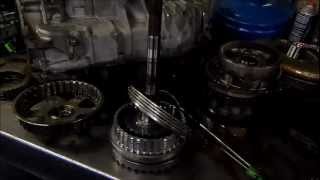
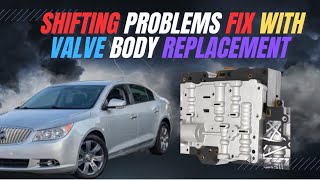
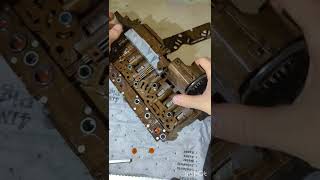
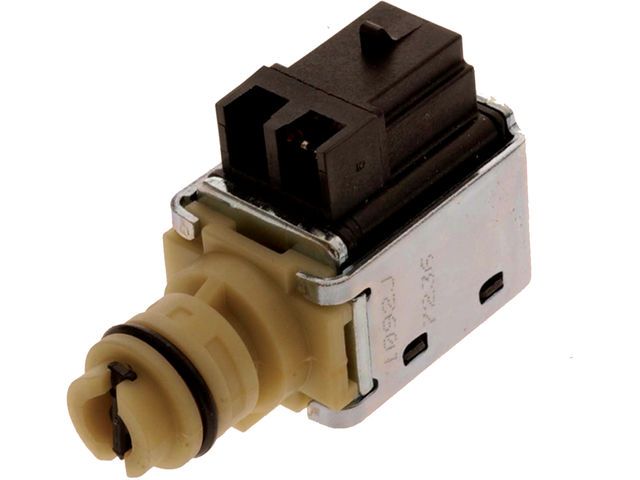
We Have This Part in Stock

The information in this article is provided for general reference and educational purposes only. Vehicle specifications, procedures, and part compatibility can vary by production date, trim level, and region. Always consult your vehicle's factory service manual and verify part numbers before purchasing or performing repairs. Safety-critical components such as airbags, seat belts, and braking systems should be installed by a qualified professional.
- Saturn Vue:
- 🧭 Diagnostic Flowchart
- 🎬 Helpful Videos
- 🛍️ Shop This Part
- What's Unique About the 2008-2010 Saturn Vue
- Symptoms You May Notice
- Most Likely Causes
- Rare But Worth Checking
- Diagnosis Steps
- Parts You'll Likely Need
- Related Codes That Often Appear With This One
- Technical Service Bulletins (TSBs) & Recalls
- Platform-Specific Known Issues
- Mechanic-Grade Diagnostic Values
- Hidden / Shadow Codes Worth Checking
- Scan Tool Commands That Help
- Wiring & Ground Locations
- Real Owner Repair Stories
- OEM Part Supersession History
- Model Year Variations Within This Range
- Used vs. New Parts: Buying Guide for This Vehicle
- Real Owner Stories
- 2008 Saturn Vue V6 — 92000 miles
- 2008 Saturn Vue
- Saturn Vue (V6)
- Saturn Vue Owner Report
- Related OBD-II Codes
- Frequently Asked Questions
- 🎟️ Get 5% Off