

P0730 on 2004-2011 Audi A6: Incorrect Gear Ratio Causes and Fixes
P0730 on a 2004-2011 Audi A6 indicates a transmission gear ratio error, meaning the transmission is slipping. The most common cause is low or degraded transmission fluid. For Quattro models with the ZF 6HP19 automatic, this often stems from leaks at the mechatronic sealing sleeve. For FWD models with the Multitronic CVT, it can indicate internal clutch or chain failure, which are known issues with this transmission type.
- P0730 means the transmission is slipping and requires immediate attention to prevent catastrophic failure.
- The first and most important diagnostic step is to check the transmission fluid level and condition correctly.
- The root cause is highly dependent on your drivetrain: FWD models likely have an internal CVT issue, while Quattro models often suffer from fluid leaks or mechatronic problems.
- Due to the complexity and need for special tools, diagnosing and fixing a P0730 code is best left to a professional technician specializing in European vehicles.
- Do not replace the TCM unless all mechanical and hydraulic possibilities have been exhausted.
What's Unique About the 2004-2011 Audi A6
The 2004-2011 Audi A6 (C6 generation) was available with two very different automatic transmissions, leading to distinct causes for P0730. Front-wheel-drive (FWD) models use a Multitronic Continuously Variable Transmission (CVT), while all-wheel-drive (Quattro) models use a conventional ZF 6-speed automatic (the 6HP19A, also designated 09L). On Multitronic models, P0730 often points to known internal weaknesses like failing clutch packs or a slipping CVT chain. Audi issued TPI 2004856 which details a possible conversion from a 6-plate to a 7-plate clutch pack to address this weakness. On Quattro models with the ZF transmission, the code is more commonly traced to hydraulic pressure loss caused by low fluid from leaks (especially the mechatronic sealing sleeve) or failing valve body solenoids.
Symptoms You May Notice
- Check Engine Light and/or flashing PRNDS indicator
- Transmission entering 'limp mode' (stuck in a single gear, often 3rd or 4th)
- Harsh, jerky, or delayed shifting
- Engine RPMs flare up between shifts without an increase in vehicle speed (slipping)
- Inability to engage forward or reverse gears, or a long delay before engagement
- Noticeable decrease in fuel economy
- Vehicle stalling when coming to a stop
- A whining noise from the transmission, particularly between 30-40 mph on Quattro models
- Replacing the Transmission Control Module (TCM) first. The issue is far more likely to be mechanical or hydraulic (low fluid, bad solenoids, worn clutches) than a failed computer.
- Assuming an engine misfire. Severe transmission slipping can sometimes feel like an engine misfire or hesitation.
Most Likely Causes
- Low or Contaminated Transmission Fluid 🔴 High Probability → Shop Transmission Assembly On ZF transmissions (Quattro), the plastic mechatronic sealing sleeve is a very common leak point that hardens and cracks over time, leading to fluid loss. On all models, the 'lifetime' fluid recommendation is often misunderstood, leading to fluid degradation and viscosity breakdown over 60,000-80,000 miles, which reduces hydraulic pressure.
How to confirm: Check the transmission fluid level and condition. This must be done with the engine running, on a level surface, and with the transmission fluid at a specific temperature (typically 30-45°C), monitored with a scan tool. The fluid should be clear red or light brown and not smell burnt. Dark, burnt-smelling fluid with metal particles indicates severe internal wear.
Typical fix: Top off the fluid and repair any leaks. If the fluid is dark or contaminated, a full fluid and filter change is required. On ZF units, this often includes replacing the pan/filter assembly and the mechatronic sealing sleeve (Part No. 09L321371).
Est. part cost: $150-$400 - Faulty Mechatronic Unit / Valve Body (ZF Quattro Models) 🟡 Medium Probability → Shop Transmission Valve Body The mechatronic unit, which is the electro-hydraulic control center of the transmission, contains solenoids that wear out, causing pressure loss and erratic shifting. This is a common failure point after 80,000 miles. Internal seals and gaskets on the valve body also degrade, exacerbating pressure loss.
How to confirm: A technician will use a diagnostic scan tool to monitor solenoid operation and hydraulic pressures in real-time. Specific solenoid-related fault codes may also be present. A key indicator is harsh downshifting, especially from 2nd to 1st gear when stopping.
Typical fix: Replacement of the shift solenoids (often sold as a kit), the mechatronic sealing sleeve, and the four small tube seals between the valve body and transmission case. In some cases, the entire mechatronic unit is replaced. After replacement, the transmission adaptations must be reset with a diagnostic tool.
Est. part cost: $400-$800 for a solenoid kit, $1500-$2500 for a remanufactured mechatronic unit. - Internal Clutch Pack Failure (Multitronic FWD Models) 🟡 Medium Probability The Multitronic CVT in this generation is known for issues with its forward clutch pack. Audi issued a Technical Product Information (TPI 2004856) bulletin related to upgrading from a 6-plate to a 7-plate clutch pack, indicating a known design weakness.
How to confirm: Diagnosis typically involves a stall test and analysis of transmission data blocks. If fluid level and pressure are good, but slipping occurs (especially when trying to engage a high manual gear like 7th), internal failure is likely. Burnt, dark fluid is a strong indicator.
Typical fix: The transmission must be removed and rebuilt with an upgraded clutch pack. Many shops recommend a full transmission replacement with a rebuilt unit due to the complexity and specialized nature of CVT repair.
Est. part cost: $2000-$5000 (for a rebuilt transmission) - Worn Internal Components (Torque Converter, Clutches) ⚪ Low Probability This is usually a secondary failure caused by prolonged operation with low fluid or other issues that lead to overheating and excessive wear. On the ZF 6HP19, the torque converter lock-up clutch can wear excessively, contaminating the fluid with debris that can clog the oil cooler.
How to confirm: A torque converter stall test can help identify a failing converter. Metal debris found in the transmission pan during a fluid service is a definitive sign of internal mechanical failure.
Typical fix: Requires a complete transmission rebuild or replacement.
Est. part cost: $2000-$5000
Rare But Worth Checking
- Faulty Transmission Control Module (TCM): → Shop Transmission Assembly While rare, the TCM itself can fail, causing incorrect calculations or commands. On C6 models, the TCM is located inside the transmission as part of the mechatronic unit. On earlier C5 models, it was located under the passenger-side carpet and was prone to water damage, a less common issue for the C6 generation. This should only be considered after all other mechanical and hydraulic causes have been ruled out, as the issue is far more likely to be mechanical.
Diagnosis Steps
- Scan the TCM for P0730 and any other related codes. Note any gear-specific or solenoid codes.
- With the engine running and a scan tool monitoring transmission fluid temperature, perform a fluid level and condition check. The fluid must be at the correct level within the 30-45°C temperature window.
- If fluid is low, inspect for leaks, paying close attention to the transmission pan gasket, electrical connector sleeve (on ZF models), and cooler lines.
- If fluid is correct, take a sample. Note if it is dark, discolored, or has a burnt odor, which indicates internal wear and fluid degradation.
- Drive the vehicle while monitoring live data from the input and output speed sensors to confirm the slippage and in which gears it occurs.
- If equipped with a ZF transmission, a technician may perform a torque converter stall test and check solenoid command signals and hydraulic pressures.
- If all external checks pass, the likely cause is internal, requiring removal of the transmission pan for inspection of the valve body/mechatronic unit and for signs of metal debris.
Parts You'll Likely Need
- Transmission Filter and Fluid Service Kit
(OEM #09L325429 (ZF Pan/Filter), G055005A2 (ZF Fluid))— The most common and first-step fix is to address low or degraded fluid. A clogged filter is also a known cause of slippage.
Trusted brands: ZF (OEM for Quattro), Vaico, Febi, Blauparts
OEM price range: $250-$400
Aftermarket price range: $150-$250 - Mechatronic Sealing Sleeve (for ZF/Quattro)
(OEM #09L321371)— This is a very common leak point on the ZF 6HP19 transmission, leading to fluid loss that causes P0730. It is a plastic sleeve that hardens and cracks.
Trusted brands: ZF (OEM), CRP Automotive
OEM price range: $20-$30
Aftermarket price range: $10-$20 - Mechatronic Valve Body Seal Kit (for ZF/Quattro)
(OEM #24107536339, 24107536340, 24107536341 (BMW PNs, but same seals))— Along with the main sealing sleeve, there are four smaller tube seals between the valve body and transmission case that also degrade and cause pressure loss. They should be replaced anytime the mechatronic unit is serviced.
Trusted brands: ZF (OEM), Sonnax
OEM price range: $40-$60
Aftermarket price range: $20-$40
Related Codes That Often Appear With This One
- P0731-P0736 — These are gear-specific ratio error codes (e.g., P0731 - Gear 1 Incorrect Ratio). They often accompany the general P0730 code and can help pinpoint which gear circuit has the problem.
- P2700-P2703 — These codes relate to transmission clutch application timing. An Audi TPI (2020766 for RoW, 2021292 for NAR) notes that these codes can appear with P0730 on certain automatic transmissions due to a clogged ATF filter.
Technical Service Bulletins (TSBs) & Recalls
- TPI 2004856: Relates to the Multitronic (CVT) transmission and the need to upgrade the forward clutch from a 6-plate to a 7-plate design to address slipping and juddering.
- TPI 2020766: Notes that P0730 can appear with clutch timing codes (P2700-P2703) due to a clogged ATF filter.
- TSB 2019948: Referenced for the procedure of manually cleaning carbon deposits from the intake valves on FSI engines.
- TSB 2014753/8 / 01-23-41: Discusses issues caused by poor gasoline quality, leading to carbon deposits. While not directly for P0730, it's relevant to overall engine health on FSI models.
Platform-Specific Known Issues
- Multitronic (FWD): These transmissions have a known history of forward clutch pack failure. An official Audi TPI suggests an upgrade from a 6-clutch to a 7-clutch pack to improve durability.
- ZF Automatic (Quattro): The mechatronic sealing sleeve, a small plastic part with O-rings, frequently hardens and leaks, causing significant fluid loss over time. This is a primary cause of fluid starvation and subsequent slipping that triggers P0730.
Hidden / Shadow Codes Worth Checking
- Audi TPI 2020766 / 2021292: Technical Product Information bulletins from Audi that relate P0730, when seen with P2700-P2703, to a clogged ATF filter causing slippage. (see via These are not DTCs but service bulletins a dealer or specialist would reference when diagnosing these codes together.)
- Audi TPI 2004856: Technical Product Information bulletin for Multitronic (01J) transmissions detailing the possibility of converting from a 6-plate to a 7-plate clutch pack to fix underlying slipping issues that cause P0730. (see via A service bulletin referenced by technicians, not a code visible on a standard scan tool.)
Scan Tool Commands That Help
- VCDS (VAG-COM): Transmission Adaptation Reset — After replacing the transmission fluid, solenoids, mechatronic unit, or the entire transmission, the learned values (adaptations) must be cleared to prevent harsh shifting or damage. The process involves going to Module [02 - Auto Trans], then [Basic Settings - 04], and selecting the appropriate group (e.g., Group 060 or 061) to reset clutch or throttle adaptations.
- VCDS (VAG-COM): Clutch Adaptation Procedure (for S-Tronic/DSG, similar principles apply to resetting adaptations) — For dual-clutch gearboxes, a specific clutch adaptation is required after service. For the C6's Tiptronic and Multitronic, the general adaptation reset is used. The procedure involves calibrating clutch valves and distance sensors, then performing an adaptation drive cycle. This ensures the TCM learns the new clutch engagement points.
Wiring & Ground Locations
- TCM Location (Quattro Tiptronic) — Inside the transmission, integrated into the mechatronic valve body assembly.. Unlike earlier models where the TCM was in the cabin and prone to water damage, the C6's integrated design means a TCM failure requires removing the transmission pan and valve body. The main electrical connection point to check is the large round connector on the outside of the transmission case.
- TCM Fuses — In the engine bay fuse box. Specifically, a 10A fuse at position F10 and a 15A fuse at position F31 in the 'FIA1' fuse box have been identified as related to the TCM.. A blown fuse can cause a loss of power to the TCM, leading to communication errors and fault codes. This is a simple but critical check before assuming the TCM or transmission has failed.
- Main Chassis Grounds — Key ground points are located on the bulkhead in the engine compartment and under the driver/passenger carpet in the interior.. A poor ground connection between the engine, chassis, and TCM can introduce electrical noise and voltage drops, potentially causing the TCM to make incorrect calculations and trigger a P0730 code.
Real Owner Repair Stories
- MHH Auto forum user (Audi A6 with 7-speed Multitronic CVT) — Car runs perfectly, but when 7th gear is manually selected, it throws DTC P0730 after a few seconds. In automatic mode, the transmission refuses to select 7th gear.
❌ Tried (didn't work) The user had already replaced a bad CVT chain, which resolved other issues but not the P0730 in 7th gear.
✅ What actually fixed it The final diagnosis pointed to an incorrect component match. A forum expert suggested that either the transmission was not original to the car, or someone had previously replaced the variators or chain with incorrect parts for that specific TCM software and transmission code. The fix requires ensuring all major components (TCM, variators, chain) are the correct, matched part numbers for the vehicle's VIN. - AudiWorld Forums user (Audi A6 (year not specified, but C5/C6 context)) — Car went into limp mode with P0730 after a massive transmission fluid leak from a loose cooler line screw.
❌ Tried (didn't work) Tightening the cooler line screw stopped the leak, but the code remained and the car was still in limp mode.
✅ What actually fixed it The problem was purely the significant loss of transmission fluid. The fix was to perform a complete and correct fluid fill procedure. This involves getting the car level, filling until overflow with the engine off, starting the engine, and continuing to fill with a pump while monitoring temperature with VCDS until it overflows again within the 30-45°C window. Driving the car without the correct fluid level is what caused the P0730 and limp mode.
OEM Part Supersession History
Various, e.g., 1071.198.853, 1071.198.854→Later revisions from ZF or Audi— Mechatronic units and their internal solenoids are often updated to improve reliability, address shift quality issues, or change hydraulic logic. Early 6HP19 units had more issues with valve body wear.
Heads up: It is critical to match the mechatronic part number to the specific 10-digit transmission code and vehicle VIN. While a unit from another car may physically fit, differences in software and solenoid calibration can cause codes like P0730 or poor performance. Always verify compatibility with the supplier.
Model Year Variations Within This Range
- 2008-2011 (Facelift models): The C6 platform received a facelift for the 2009 model year (introduced in late 2008). While the core transmissions (6HP19 Quattro, Multitronic FWD) remained the same, the facelift introduced updated engines (like the 3.0 TFSI) and a new generation MMI 3G infotainment system. There may be subtle software updates to the TCM in later models, but the primary causes for P0730 remain consistent across the 2004-2011 range. The facelift did not fundamentally change the transmission hardware related to this code.
Diagnostic Flowchart
Other Known Issues on This Vehicle
Issues unrelated to this code that are worth knowing about as an owner of this generation:
- Carbon Buildup on Intake Valves (FSI Engines) 🔴 High — Inevitable on all direct-injection (FSI) engines (e.g., 3.2L V6). Typically requires cleaning every 40,000-60,000 miles to prevent misfires, rough idle, and power loss. (Ref: TSB 2019948 details the cleaning procedure. TSBs were also released to update ECU software to adjust valve timing to help mitigate buildup.)
- Timing Chain Tensioner Failure 🔴 High — Affects V6 and V8 engines. A rattling noise on cold starts is the primary symptom. Failure can cause the chain to jump time, leading to catastrophic engine damage. The tensioners are located at the rear of the engine, requiring engine removal for replacement. (Ref: Subject of multiple class-action lawsuits. Audi issued TSBs but no official recall for many affected models.)
- MMI System Failure (Black Screen) 🟠 Medium — The Multi Media Interface (MMI) screen can go black and become unresponsive. This is often caused by a failure in the fiber optic loop connecting various modules (Radio, Amp, Nav). Water intrusion in the trunk is a common cause of amplifier or radio module failure.
- Oil Leaks from Valve Covers & Camshaft Tensioners 🟠 Medium — Common on higher mileage C6 models, particularly the V6 and V8 engines. Leaks from the valve cover gaskets and camshaft chain tensioner seals are frequently reported.
- Electronic Parking Brake Motor Failure 🟡 Low — The motors on the rear brake calipers can fail due to corrosion or internal faults, preventing the parking brake from engaging or disengaging.
Used vs. New Parts: Buying Guide for This Vehicle
When a used part is the smart pick: A complete used transmission assembly from a low-mileage, documented donor car can be a cost-effective solution if your transmission has catastrophic internal failure. It is often cheaper than a full rebuild. A used mechatronic unit is very risky due to software/hardware matching issues and unknown wear, and is generally not recommended unless you can verify the exact part number and history.
Donor-vehicle mileage cap: roughly under 80000 miles for the part to have meaningful remaining life.
What to inspect on the donor part:
- Verify the donor vehicle's VIN to confirm compatibility.
- Obtain mileage documentation if possible.
- Inspect the fluid from the donor transmission. If it's dark, burnt, or contains metal, reject the part.
- Check for any external damage to the case, pan, or electrical connector.
- Ask for a warranty, even if it's only 30-90 days. This provides some protection against receiving a dead-on-arrival unit.
OEM-only on this vehicle (don't cheap out):
- Mechatronic Unit/TCM: Due to the need for precise software and hardware matching to the vehicle's VIN, a new or professionally remanufactured and programmed unit from Audi or ZF is the safest bet.
- Transmission Fluid: Only use the specified fluid (e.g., ZF Lifeguard 6 for the 6HP19). Using a generic 'universal' fluid is a leading cause of transmission failure.
Aftermarket brands forum-validated for this vehicle:
- Sonnax: For valve body repair kits, oversized valve kits, and other internal rebuild components.
- ZF: As the Original Equipment Manufacturer, ZF provides new and remanufactured mechatronic units, solenoids, and service kits that are guaranteed to be correct.
- Blauparts, FCP Euro, ECS Tuning: These are reputable suppliers known for providing high-quality kits (often using OEM components) for fluid changes and mechatronic service.
Brands owners have reported issues with on this vehicle:
- Unnamed/generic solenoid kits from online marketplaces: These often have high failure rates and inconsistent quality. While cheaper, they frequently lead to doing the job twice.
- Cheap, unbranded mechatronic units: A 'new' mechatronic for a few hundred dollars is likely a poorly rebuilt unit with no quality control.
Real Owner Stories
Aggregated from forums and TSBs cited above. Mileages and costs reflect what owners reported in those sources.
2009 Audi A6 4.2L
Symptoms: The car threw a P0730 Incorrect Gear Ratio code. Initial thoughts were low fluid.
What fixed it: Experienced forum members warned that the likely cause was internal clutch pack failure that would require a transmission rebuild.
Source hint: https://www.audiforums.com/forum/audi-a6-5/p0730-incorrect-gear-ratio-help-132333/
Audi A6 (C6 Platform)
Symptoms: P0730 Incorrect Gear Ratio code was present.
What fixed it: The problem was caused by a massive fluid leak from a cooler line. The fix was repairing the line and performing a proper fluid fill procedure, which required monitoring the fluid temperature with a scan tool.
Source hint: https://www.audiworld.com/forums/a6-s6-c6-platform-discussion-194/p0730-incorrect-gear-ration-2856230/
Audi A6 (Multitronic CVT)
Symptoms: P0730 Incorrect Ratio code appeared, but only when shifting into 7th gear, occurring after a transmission chain replacement.
What fixed it: The diagnosis pointed towards either incorrect parts being used during the chain replacement or a failure to perform the necessary transmission adaptations after the repair.
Source hint: https://mhhauto.com/Thread-audi-a6-cvt-7-speed-p0730-incorrect-ratio
Related OBD-II Codes
Frequently Asked Questions
I have a Quattro A6. What is the most common cause of a P0730 code on my car?
My A6 is front-wheel-drive (Multitronic). Are there any known issues that cause P0730?
Is the 'lifetime' transmission fluid in my Audi A6 really good for life?
How is the transmission fluid level properly checked on a 2004-2011 A6?
My mechanic found metal debris in the transmission pan. What does this indicate?
What does Audi TPI 2020766 say about code P0730?
The shop wants to replace the mechatronic solenoids. Is this a common repair for the P0730 code?
We Have This Part in Stock
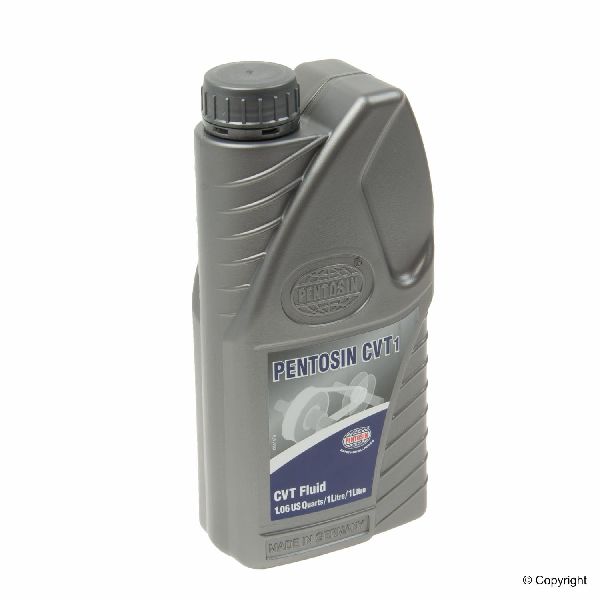

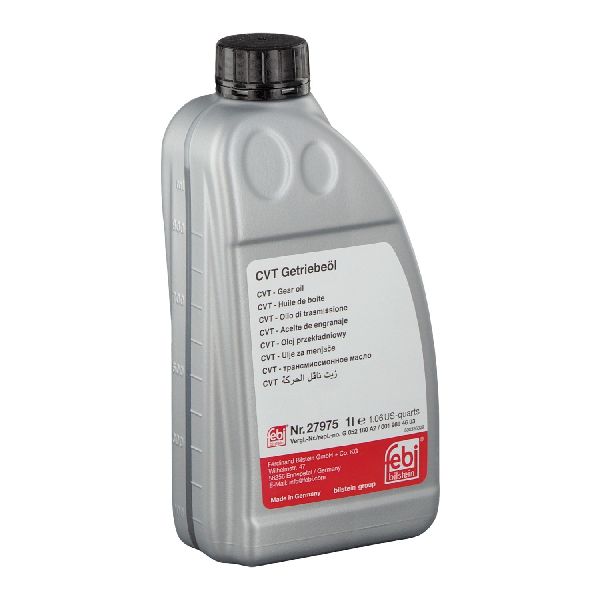

The information in this article is provided for general reference and educational purposes only. Vehicle specifications, procedures, and part compatibility can vary by production date, trim level, and region. Always consult your vehicle's factory service manual and verify part numbers before purchasing or performing repairs. Safety-critical components such as airbags, seat belts, and braking systems should be installed by a qualified professional.
- Audi A6:
- 🧭 Diagnostic Flowchart
- 🛍️ Shop This Part
- What's Unique About the 2004-2011 Audi A6
- Symptoms You May Notice
- Most Likely Causes
- Rare But Worth Checking
- Diagnosis Steps
- Parts You'll Likely Need
- Related Codes That Often Appear With This One
- Technical Service Bulletins (TSBs) & Recalls
- Platform-Specific Known Issues
- Hidden / Shadow Codes Worth Checking
- Scan Tool Commands That Help
- Wiring & Ground Locations
- Real Owner Repair Stories
- OEM Part Supersession History
- Model Year Variations Within This Range
- Other Known Issues on This Vehicle
- Used vs. New Parts: Buying Guide for This Vehicle
- Real Owner Stories
- 2009 Audi A6 4.2L
- Audi A6 (C6 Platform)
- Audi A6 (Multitronic CVT)
- Related OBD-II Codes
- Frequently Asked Questions
- 🎟️ Get 5% Off