

P0733 on 2008-2012 Chevrolet Malibu: 3rd Gear Incorrect Ratio Causes and Fixes
On a 2008-2012 Malibu, P0733 means the transmission is slipping in 3rd gear. The most common cause is low or burnt transmission fluid. If a fluid and filter change doesn't fix it, suspect a faulty shift solenoid or a more serious internal issue like a broken 3-5-R wave plate in the 6-speed 6T40 transmission, a well-documented failure requiring a transmission rebuild.
- P0733 means your Malibu's transmission is slipping in third gear, which is a serious issue.
- Your first and cheapest step is to check the transmission fluid level and condition. Low or burnt fluid is the most common cause.
- If you have a 6-speed automatic, a broken 3-5-R wave plate is a known, common failure that causes this code and requires a professional rebuild.
- Do not ignore this code. Continued driving can quickly turn a moderate repair (like a fluid change or solenoid) into a catastrophic and expensive transmission failure.
What's Unique About the 2008-2012 Chevrolet Malibu
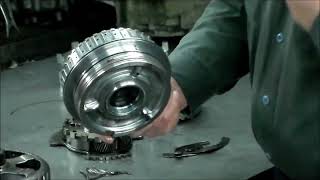
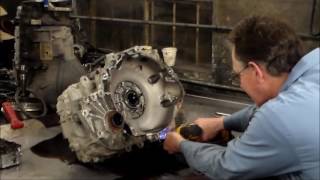
The 2008-2012 Malibu with the 2.4L engine used two different transmissions. Early models (2008-2009) could have a 4-speed (4T45-E), but most in this range have the 6-speed automatic (6T40, also known as GF6). While both can suffer from low fluid or bad solenoids, the 6-speed GM transmissions of this era are known for a specific internal failure: a broken 3-5-R wave plate. 🎬 Watch: Common 6T40 transmission problems explained This mechanical failure was so common that GM issued Special Coverage Adjustment 14404B for it on some models, though it has since expired. This failure can lead to a loss of third, fifth, and reverse gears and trigger a P0733 code, often requiring a transmission rebuild to fix.
Symptoms You May Notice
- Check Engine Light is on
- Transmission slipping or engine revs high before shifting
- Harsh, delayed, or failed shifts into 3rd gear
- Complete loss of 3rd, 5th, and Reverse gears (strong sign of wave plate failure)
- Vehicle may enter 'limp mode,' getting stuck in a lower gear
- Poor acceleration
- Reduced fuel economy
- Metal shavings found in transmission fluid during service
- Replacing input or output speed sensors when no specific sensor codes (like P0717 or P0722) are present. P0733 is almost always a hydraulic or mechanical issue inside the transmission.
- Replacing only a shift solenoid when the root cause is a broken wave plate. The metal debris from the plate will quickly destroy the new solenoid.
Most Likely Causes
- Low, Burnt, or Dirty Transmission Fluid 🔴 High Probability → Shop Transmission Assembly Fluid level can drop due to minor leaks over time, and fluid breaks down with heat and mileage, losing its hydraulic properties. This is the most common and first-to-check cause of transmission slipping across all vehicles.
How to confirm: Check the transmission fluid level and condition using the dipstick (if equipped) or the check plug. The fluid should be bright red and not smell burnt. Dark brown or black fluid with a burnt smell indicates a problem.
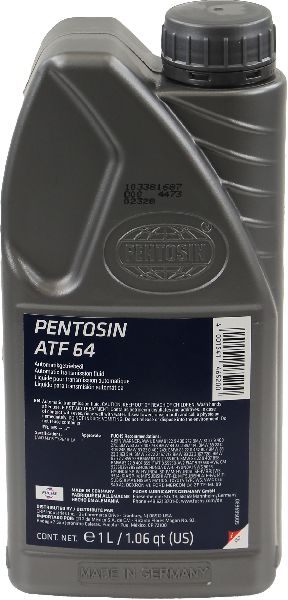
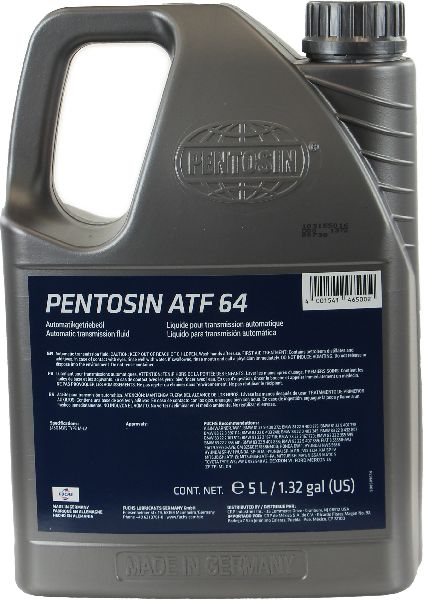
Typical fix: Perform a transmission fluid and filter change using DEXRON-VI fluid. If the level was just low, top it off and inspect for leaks.
Est. part cost: $50-$120 - Failed Shift Solenoid 🟡 Medium Probability → Shop Transmission Valve Body Solenoids are electro-mechanical valves that control fluid flow to engage gears. They operate on every shift and can fail electrically or become mechanically stuck over time, often due to contamination from internal wear or wave plate debris.
How to confirm: A professional can use a scan tool to command the specific solenoid on and off to check for a response. Resistance can also be checked with a multimeter once the transmission pan is removed. Often accompanied by solenoid-specific codes like P0756.
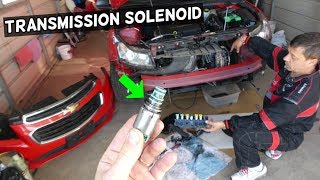
Typical fix: Replace the faulty shift solenoid or solenoid pack. This requires draining the fluid and removing the transmission pan to access the valve body. 🎬 Watch: How to replace the transmission solenoid Note: If metal debris is found, the new solenoid will likely fail again without a full rebuild.
Est. part cost: $40-$100 - Broken 3-5-R wave plate (6-Speed 6T40 Only) 🔴 High Probability The 3-5-R wave plate in this family of GM transmissions is a well-documented weak point due to improper hardening during manufacturing. The plate can fracture, sending metal debris through the transmission and causing a loss of pressure for the 3rd, 5th, and Reverse gear clutch packs.
How to confirm: Diagnosis is strongly suggested by the simultaneous loss of 3rd, 5th, and Reverse gears, often accompanied by codes P0735 or P0776. Finding significant metal shavings in the transmission pan during a fluid service is a definitive indicator.
Typical fix: This requires a complete transmission disassembly and rebuild to replace the wave plate with an updated, stronger part and to clean all metal debris from the valve body, torque converter, and other components.
Est. part cost: $1500-$4000 (for a rebuild or remanufactured unit)
Rare But Worth Checking
- Worn or Damaged 3rd Gear Clutch Pack: While less common than a wave plate failure on the 6-speed, the internal friction clutches for 3rd gear can simply wear out at high mileage, causing slippage. This also requires a transmission rebuild.
- Faulty Transmission Control Module (TCM): → Shop Transmission Assembly In some cases, the computer that controls the transmission (also called TEHCM) can fail. This is rare and should only be considered after all mechanical and hydraulic causes have been ruled out.
- Valve Body Issues: → Shop Transmission Valve Body Debris from normal wear or a failing wave plate can clog passages or cause check balls to stick within the valve body, leading to incorrect hydraulic pressure and slipping.
Diagnosis Steps
- Check and verify the transmission fluid level and condition. Top off or replace as needed with DEXRON-VI. This is the first and most crucial step.
- Use an OBD-II scanner to check for any other pending or stored trouble codes, especially P0735, P0776, or P0700.
- Inspect the transmission for any external fluid leaks.
- With a professional scan tool, monitor live data for transmission input and output speed sensors to confirm they are reading correctly.
- If fluid and sensors are good, the next step is to remove the transmission pan.
- Inspect the fluid in the pan and the magnet for excessive metal debris. Fine gray material is normal wear, but large flakes or chunks indicate serious internal mechanical failure (like a broken wave plate).
- If the pan is clean, test the resistance of the shift solenoids and inspect the valve body for issues.
- If significant metal is found, the transmission must be removed and disassembled for inspection and repair by a qualified technician.
Parts You'll Likely Need
- Transmission Fluid and Filter Kit — This is required for the most common and basic fix: a fluid and filter service. Use fluid that meets the DEXRON-VI specification.
Trusted brands: ACDelco, Wix, ATP
OEM price range: $60-$100
Aftermarket price range: $40-$70 - Shift Solenoid Kit
(OEM #ACDelco 24253434 (Example for 6T40, verify by VIN))— A common electrical failure point inside the transmission that can cause this specific gear ratio code. Often replaced as a set.
Trusted brands: ACDelco, Bosch, Rostra
OEM price range: $150-$250 (for a kit)
Aftermarket price range: $80-$150 - Transmission Rebuild Kit (with Updated Wave Plate)
(OEM #Updated 3-5-R Wave Plate is often included in kits, e.g., ACDelco 24254103.)— For the common 3-5-R wave plate failure in 6-speed models, a full rebuild is necessary. The kit includes new clutches, seals, and an updated, stronger wave plate.
Trusted brands: Sonnax (known for 'drum saver' kits), Transtar, Pioneer
OEM price range: $400-$700
Aftermarket price range: $250-$500
Related Codes That Often Appear With This One
- P0700 — Transmission Control System Malfunction. This is a generic code indicating the TCM has stored a fault. It will almost always appear with any specific transmission code like P0733.
- P0735 — Incorrect Ratio in 5th Gear. If seen with P0733, this is a very strong indicator of a broken 3-5-R wave plate, as both clutch packs are affected by the failure.
- P0776 / P0777 — Pressure Control Solenoid 'B' Performance/Stuck. These codes are specifically mentioned in GM's TSBs about the wave plate failure and often appear as a direct result of the mechanical damage.
- P0894 — Transmission Component Slipping. This is a general slipping code that often appears alongside specific gear ratio codes like P0733, confirming the computer has detected a slip.
Technical Service Bulletins (TSBs) & Recalls
- PIP4379 (K, M, N revisions): Addresses multiple transmission DTCs including P0733, delayed engagement, and no reverse. It emphasizes checking the fluid level first before proceeding with more complex diagnostics.
- Bulletin #PIP4379N: Notes that technicians may find P0733 alongside symptoms like delayed engagement into drive, no engagement into reverse, or a range inhibit.
Platform-Specific Known Issues
- A GM Technical Service Bulletin (TSB #PIP4379 and its revisions) addresses a wide range of transmission issues, including P0733. It often advises technicians to meticulously check the fluid level before suspecting major component failure, as low fluid is a very common cause.
- GM Special Coverage Adjustment 14404B specifically addressed the broken 3-5-R wave plate in 6T70/6T75 transmissions, which are related to the 6T40. It extended the warranty to 10 years/120,000 miles for this specific failure on many vehicles, including some 2008-2009 Malibus. This coverage is now expired for all vehicles by age.
Mechanic-Grade Diagnostic Values
- Pressure Control (PC) Solenoid Resistance — expected: 3-5 Ohms. Failure: A reading outside this range indicates a faulty solenoid.
- Shift Solenoid (On/Off type) Resistance — expected: 16-20 Ohms. Failure: A reading outside this range indicates a faulty solenoid.
- Valve Body Check Ball Size (Gen 1) — expected: Six check balls, all 0.250 inches. Failure: Missing, stuck, or incorrect size check balls can cause hydraulic pressure issues.
- GMLAN Data Line Voltage at DLC — expected: Square wave DC signal at approximately 2.5 volts. Failure: No signal or incorrect voltage suggests a communication issue between modules.
Scan Tool Commands That Help
- Tech2 / GDS2: Solenoid Cleaning Procedure — This automated process cycles the solenoids with the system pressurized to dislodge small debris. It should be performed before deeper diagnosis if a sticking solenoid is suspected.
- Tech2 / GDS2: Transmission Adaptive Values Learn — This procedure must be performed after replacing the transmission, valve body, TEHCM, or performing any internal repairs. Failure to do so can result in poor shift quality and new DTCs.
- Tech2 / GDS2: Solenoid ON/OFF Cycling Test — When used with a pressure gauge (like Kent Moore tool DT-48616), this allows a technician to command individual solenoids on and off to verify their mechanical function and see if they hold pressure correctly.
- Tech2 / GDS2: TCM Reprogramming (SPS) — Required when a new TEHCM (TCM) is installed. The new module must be programmed with the correct software and VIN for the vehicle.
Wiring & Ground Locations
- Main Transmission Connector (X181 on some diagrams) — External connector on the transmission case where the main vehicle harness connects to the internal TEHCM.. This is the primary interface for all power, ground, and data communication (GMLAN) to the transmission controls. A corroded pin or loose connection here can cause a wide range of transmission codes, including P0733. Key pins include +12V power, Ground, and GMLAN High/Low.
- TEHCM (Transmission Electro-Hydraulic Control Module) — Inside the transmission, bolted to the valve body. Requires removing the side pan for access.. This module is the 'brain' of the transmission, containing the TCM, solenoids, and sensors. All diagnostic tests for solenoids and internal sensors ultimately lead back to this component. A failure here is a common cause after ruling out fluid issues.
OEM Part Supersession History
Varies (part of original drum assembly)→ACDelco 24254103 (Waved, 3-5-Reverse)— The original wave plate was prone to fracturing due to improper manufacturing. The updated OE part is shot-peened for increased durability.OEM Waved Plate→Sonnax 144555K (Drum Saver Kit)— The Sonnax aftermarket solution redesigns the plate to be toothless, eliminating the high-stress points where the OE plates (even updated ones) can fracture. It includes a cupped steel plate to maintain alignment and can be used to salvage drums with minor spline damage from a previous failure.
Heads up: This is a well-regarded upgrade over the OEM design.
Model Year Variations Within This Range
- 2008-2011 (approx.): These models use the 'Gen 1' 6T40 transmission. The TEHCM has pressure switches, and the 4-5-6 clutch pack uses four frictions and a wave plate. The TEHCM identifier's 8th digit is a number (1, 2, or 3).
- 2012+: These models use the 'Gen 2' 6T40. The TEHCM has no pressure switches, and the 4-5-6 clutch pack uses five frictions with no wave plate. The TEHCM identifier's 8th digit is a letter (B, C, or D). Many internal components, including the valve body and solenoids, were changed and are not interchangeable with Gen 1.
Diagnostic Flowchart
Other Known Issues on This Vehicle
Issues unrelated to this code that are worth knowing about as an owner of this generation:
- Excessive Oil Consumption 🔴 High — Very common, often starting around 70,000 miles. Caused by faulty low-tension piston rings. Can lead to consumption rates of 1 quart per 1,000-2,000 miles. (Ref: Special Coverage Adjustment #14882 (for platform mates like Equinox) and TSB 15285C addressed this for the 2.4L engine, leading to piston/ring replacement.)
- Stretched Timing Chain & Failed Guides 🔴 High — Common after 100,000 miles, often accelerated by low oil levels from the consumption issue. Symptoms include rattling on startup. (Ref: No specific recall for the Malibu, but a well-documented failure of the 2.4L Ecotec. The same issue on the Chevy Equinox was more widely acknowledged by GM.)
- Sudden Loss of Electric Power Steering 🔴 High — Common enough to warrant a major safety recall. Can occur at any time while driving. (Ref: Safety Recall N140115 (also known as GM bulletin 14116). Dealers were to replace the torque sensor assembly or other related components.)
- Cracked Exhaust Manifold 🟠 Medium — A common failure on the 2.4L Ecotec, causing a loud exhaust leak that sounds like a tractor.
- Faulty Door Lock Actuators 🟡 Low — A frequent annoyance where one or more door locks stop responding to the key fob or interior switch.
Used vs. New Parts: Buying Guide for This Vehicle
When a used part is the smart pick: A complete used transmission assembly can be a cost-effective alternative to a rebuild, especially if the original transmission has catastrophic hard-part damage. It is most viable if the donor vehicle is a later model year (2012+) to get the Gen 2 updates and has verifiable low mileage.
Donor-vehicle mileage cap: roughly under 80000 miles for the part to have meaningful remaining life.
What to inspect on the donor part:
- Check the transmission build date tag; later is better.
- Pull the dipstick or check plug on the donor transmission; the fluid should be bright red, not brown, black, or smelling burnt.
- Ask for a vehicle history report (VIN) from the donor car to verify mileage and check for accident history.
- If possible, get a warranty from the salvage yard (typically 30-90 days).
OEM-only on this vehicle (don't cheap out):
- Transmission Fluid (DEXRON-VI specification is mandatory)
- TEHCM/TCM (While used units exist, they must be reprogrammed or cloned, making a new, correctly programmed unit a safer bet to avoid compatibility issues).
Aftermarket brands forum-validated for this vehicle:
- Sonnax: Widely considered the top-tier brand for transmission repair and upgrade parts. Their Zip Kits for valve bodies and Drum Saver kits for the 3-5-R wave plate are industry-standard fixes for the 6T40's known flaws.
Brands owners have reported issues with on this vehicle:
- Unbranded, exceptionally cheap solenoid kits or rebuild kits from online marketplaces. These often have high failure rates, using inferior quality seals and electronics that cannot withstand the transmission's heat and pressure, leading to a repeat failure.
Real Owner Stories
Aggregated from forums and TSBs cited above. Mileages and costs reflect what owners reported in those sources.
2011 Chevrolet Malibu 2.4L
Symptoms: The vehicle threw multiple gear ratio codes including P0700, P0733, and P0734.
What fixed it: A full transmission rebuild was recommended by forum members to address the 3-5-R wave plate failure rather than a simple solenoid swap.
Source hint: chevy-malibu.com Forum Thread - '2011 Malibu P0700, P0733, P0734'
2011 Chevrolet Malibu 2.4L Ecotec — ~100000 miles
Symptoms: Rattling noise on startup and issues related to the timing chain and plastic guides.
What fixed it: Complete timing kit replacement including chains and guides.
Source hint: Reddit r/MechanicAdvice - '2011 Malibu 2.4 timing chain issue'
Related OBD-II Codes
Frequently Asked Questions
Does GM Technical Service Bulletin PIP4379 apply to my Malibu's P0733 code?
Is the 3-5-R wave plate failure covered under a special warranty for my 2008-2012 Malibu?
My Malibu has P0733 and I've lost 3rd, 5th, and Reverse gears. Is this a solenoid issue?
Can low engine oil cause transmission codes like P0733 on the 2.4L Malibu?
What type of transmission fluid should I use to top off my 2011 Malibu?
Is there a recall for the electric power steering on this model year?
Helpful Videos
We Have This Part in Stock

The information in this article is provided for general reference and educational purposes only. Vehicle specifications, procedures, and part compatibility can vary by production date, trim level, and region. Always consult your vehicle's factory service manual and verify part numbers before purchasing or performing repairs. Safety-critical components such as airbags, seat belts, and braking systems should be installed by a qualified professional.
- Chevrolet Malibu:
- 🧭 Diagnostic Flowchart
- 🎬 Helpful Videos
- 🛍️ Shop This Part
- What's Unique About the 2008-2012 Chevrolet Malibu
- Symptoms You May Notice
- Most Likely Causes
- Rare But Worth Checking
- Diagnosis Steps
- Parts You'll Likely Need
- Related Codes That Often Appear With This One
- Technical Service Bulletins (TSBs) & Recalls
- Platform-Specific Known Issues
- Mechanic-Grade Diagnostic Values
- Scan Tool Commands That Help
- Wiring & Ground Locations
- OEM Part Supersession History
- Model Year Variations Within This Range
- Other Known Issues on This Vehicle
- Used vs. New Parts: Buying Guide for This Vehicle
- Real Owner Stories
- 2011 Chevrolet Malibu 2.4L
- 2011 Chevrolet Malibu 2.4L Ecotec — ~100000 miles
- Related OBD-II Codes
- Frequently Asked Questions
- 🎟️ Get 5% Off