

P0733 on 2007-2014 Ford Edge 3.5L: Gear 3 Incorrect Ratio Causes and Fixes
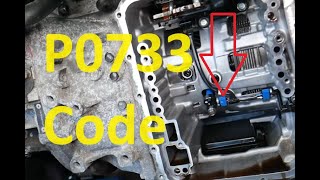
This code indicates the transmission is slipping in 3rd gear. The most common causes are low or burnt transmission fluid. If the fluid is fine, the issue is likely an internal problem like a worn 3-5-R clutch pack or a faulty solenoid in the 6F50 transmission, requiring professional diagnosis and repair.
- P0733 on a 2007-2014 Ford Edge means the transmission is slipping in third gear and should be addressed immediately to avoid further damage.
- Always start diagnosis by checking the transmission fluid level and condition. This is the simplest and most common cause.
- If the fluid is fine, the problem is internal and requires professional help. Common culprits are worn clutches or faulty solenoids inside the 6F50 transmission.
- Do not mistake this for a simple sensor issue if you can physically feel the transmission slipping; the sensor is likely just reporting the mechanical problem.
- Due to the complexity and need for special tools, this is not a recommended DIY repair. Expect costs to range from a few hundred dollars for a solenoid replacement to several thousand for a full transmission rebuild.
What's Unique About the 2007-2014 Ford Edge
The 2007-2014 Ford Edge uses the 6F50 automatic transmission, a joint-venture design with GM (who call it the 6T70/6T75). Unlike some newer Ford transmissions that have well-documented TSBs pointing to a single specific part for this code (like a CDF clutch drum), the P0733 code on the Edge is more general. Diagnosis typically follows a more traditional path, starting with fluid and moving to internal components like the 3-5-R clutch pack and solenoids. While speed sensor failures can cause similar issues, they often set their own specific codes (like P0720 or P0722) and are a known, but separate, failure point on these transmissions, particularly in earlier 2007-2010 models. A key wear point leading to P0733 in the 6F50 is the 3-5-R (Direct) clutch pack, which can lead to pressure loss and slippage specifically affecting 3rd gear.
🎬 Watch: Understanding P0733 gear 3 incorrect ratio causes and fixesGeneration note: This range covers the entire first generation of the Ford Edge, including the pre-facelift (2007-2010) and post-facelift (2011-2014) models. Both use the 3.5L V6 and 6F50 transmission, and there are no significant documented differences in the cause or repair of code P0733 between them. The facelift in 2011 brought cosmetic updates and a power increase for the 3.5L V6, but the core transmission hardware remained the same.
Symptoms You May Notice
- Check Engine Light is on
- Harsh, delayed, or erratic shifting, especially involving third gear
- Transmission slipping (engine RPMs increase but vehicle speed does not)
- Vehicle enters 'limp mode' (gets stuck in one gear to protect the transmission)
- Flashing overdrive or transmission warning light on the dashboard
- Vehicle may buck or lurch when shifting
- Reduced fuel efficiency
- Replacing the input or output speed sensors when the true cause is an internal mechanical failure like a worn clutch. If you can physically feel the transmission slipping (engine revs flare during a shift), the sensors are likely doing their job correctly by reporting the slip to the PCM.
Most Likely Causes
- Low or Burnt Transmission Fluid 🔴 High Probability → Shop Transmission Assembly Fluid can be consumed by small leaks over time or degrade from heat, which is common in all automatic transmissions. Contaminated fluid loses its hydraulic properties and can't maintain the pressure needed to hold clutches engaged.
How to confirm: Check the transmission fluid. Note: The 6F50 in the Edge does not have a traditional dipstick. The fluid level must be checked via a plug on the side of the transmission case with the engine running and the fluid at operating temperature (around 180-200°F). This is a difficult and potentially dangerous procedure for a DIYer. The fluid should be red (Motorcraft MERCON LV is specified) and not smell burnt or contain metallic particles.
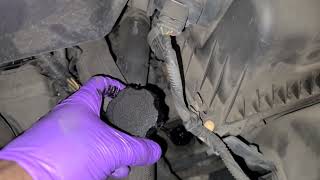
Typical fix: Top off the fluid to the correct level or perform a transmission fluid and filter change if the fluid is dirty or burnt. 🎬 Watch: How to drain and fill 6F50 transmission fluid This is often the first step in any diagnosis.
Est. part cost: $50-$150 - Internal Mechanical Failure (Worn 3-5-R Clutch Pack/Seals) 🟡 Medium Probability The 3-5-R (3rd, 5th, Reverse) clutch pack and its associated seals in the 6F50 transmission are a known wear point. When the friction materials wear down or the seals harden and leak, hydraulic pressure is lost, causing the clutch to slip under load, specifically triggering codes like P0733.
How to confirm: This requires a professional diagnosis. A mechanic will perform a stall test and hydraulic pressure tests. If pressures are low in circuits related to 3rd gear, it confirms an internal leak. Final confirmation requires transmission disassembly to visually inspect the clutch drum and clutch packs for burnt friction material, warped steel plates, or damaged seals.
Typical fix: Transmission overhaul or rebuild. This involves replacing the worn clutch packs, steels, seals, and any other damaged internal components. This is often done with a master rebuild kit.
Est. part cost: $500-$1200 for a rebuild kit - Faulty Shift Solenoid or Solenoid Body 🟡 Medium Probability → Shop Transmission Valve Body Solenoids are electro-mechanical valves that control fluid flow to engage gears. They can fail electrically (open or shorted coil) or mechanically (get stuck from debris in the fluid). A solenoid responsible for activating the 3rd gear clutch circuit can cause this code.
How to confirm: A professional scan tool can command the solenoids to operate to check for response and monitor for solenoid-specific trouble codes. Resistance of the solenoid coil can also be checked with a multimeter. This requires removing the transmission side pan to access the valve body and solenoid pack.
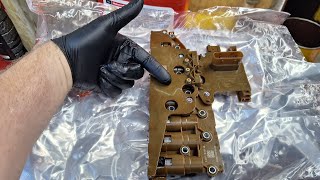
Typical fix: Replace the specific solenoid or the entire solenoid pack. Given the labor involved to access them, replacing the entire pack is often recommended as a preventative measure. The solenoid body must be programmed with the original strategy numbers from the old unit or the tag on the transmission case.
Est. part cost: $150-$400 for a solenoid pack - Failed Valve Body ⚪ Low Probability → Shop Transmission Valve Body The valve body is the hydraulic brain of the transmission. Bores within the aluminum body can wear over time from the movement of steel valves, causing pressure leaks. Sticking valves can also result from fluid contamination or debris.
How to confirm: Diagnosis involves pressure testing specific ports and visual inspection for wear and debris. A transmission specialist may use a vacuum tester on individual valve bores to check for leaks.
Typical fix: Replace the valve body with a new or remanufactured unit. Sometimes, oversized valves and reaming tools are available to repair worn bores.
Est. part cost: $400-$800
Rare But Worth Checking
- Failed Input/Output Speed Sensors (TSS/OSS): While these sensors are a known failure point on the 6F50 transmission, they typically set their own specific codes (P0715-P0723). It's rare for them to cause only a P0733, but it's possible if the sensor is failing intermittently or providing an erratic signal without setting its own code.
- Damaged Wiring or Connectors: A damaged wire or corroded connector leading to the transmission can interrupt signals from sensors or to solenoids, causing incorrect ratio codes. This could be at the main transmission harness connector (C168) or at the PCM connector (C175T).
- Faulty Powertrain/Transmission Control Module (PCM/TCM): → Shop Transmission Assembly This is very rare. The module itself can fail, but all other potential causes, especially wiring and grounds, should be exhausted before condemning the PCM or TCM.
Diagnosis Steps
- Check and verify the transmission fluid level and condition. This is the first and most crucial step. Since there is no dipstick, this may require a visit to a shop. If the fluid is dark, burnt, or contains metal shavings, a serious internal problem is likely.
- Use a professional scan tool to check for any other pending or stored transmission codes. Codes for specific sensors or solenoids can help pinpoint the issue.
- Perform a road test to confirm the symptoms. Note exactly when the slipping or harsh shifting occurs (e.g., only on the 2-3 shift, or when the transmission is hot vs. cold).
- If the fluid is okay and the problem persists, perform a transmission fluid pressure test using gauges connected to the transmission's test ports. Low pressure in the 3rd gear circuit indicates an internal leak, a worn pump, or a clogged filter. The 6F50 does not have a line pressure sensor, so a mechanical gauge is required.
- If pressure tests are inconclusive, the next step is to remove the transmission side pan to inspect and test the shift solenoids and wiring. Solenoid resistance can be checked with a multimeter.
- If solenoids test okay, the final step is transmission removal and disassembly to inspect the 3-5-R clutch pack, seals, and other internal mechanical components for wear or damage.
Parts You'll Likely Need
- Automatic Transmission Fluid (MERCON LV)
(OEM #XT-10-QLVC)— A fluid and filter change is the first step in diagnosis and is required for any internal repair. Using the specified MERCON LV fluid is critical for proper 6F50 operation.
Trusted brands: Motorcraft
OEM price range: $10-$15 per quart
Aftermarket price range: $8-$12 per quart - Transmission Filter
(OEM #FT-187)— Should be replaced any time the transmission pan is removed, especially if the fluid is contaminated.
Trusted brands: Motorcraft, Wix, ATP
OEM price range: $30-$50
Aftermarket price range: $15-$30 - Solenoid Body Assembly
(OEM #AA5Z-7Z369-B)— This assembly contains all the shift solenoids. It's a common failure point for shifting issues and is often replaced as a complete unit. Requires programming.
Trusted brands: Motorcraft, Dorman
OEM price range: $300-$450
Aftermarket price range: $200-$350 - 3-5-Reverse Clutch Drum
(OEM #7T4Z-7G384-A)— This drum houses the clutch pack responsible for 3rd gear. It is a primary suspect for internal failure causing P0733 and requires a full transmission teardown to replace.
Trusted brands: Ford (OEM)
OEM price range: $150-$250 - Transmission Overhaul Kit — If a full rebuild is necessary, this kit contains all the required seals, gaskets, and friction plates to restore the transmission.
Trusted brands: Transtar, Transtec
Aftermarket price range: $350-$500
Related Codes That Often Appear With This One
- P0731, P0732, P0734, P0735 — These are incorrect gear ratio codes for other gears. Seeing multiple ratio codes together strongly suggests a systemic problem like low fluid, a failing torque converter, a clogged filter, or major internal damage, rather than an issue specific to one gear's clutch pack.
- P0720, P0722 — These codes point directly to a fault with the Output Speed Sensor (OSS). A failing OSS can cause P0733 because the PCM can't get a reliable reading to calculate the gear ratio.
- P0729 — Incorrect Gear 6 Ratio. If seen with P0733, it could point towards a more widespread hydraulic or clutch issue affecting multiple gear sets.
Technical Service Bulletins (TSBs) & Recalls
- TSB 11-7-10: While for the 6R140 transmission in F-Super Duty trucks, it mentions DTC P0733 caused by solenoid issues and requiring a PCM/TCM reflash, showing a pattern of Ford addressing shift issues via software and solenoids.
- Bulletin #TSB 26-2046: This manufacturer bulletin notes that P0733, along with other ratio codes like P0731 and P0734, may be stored in the PCM or TCM due to internal transmission faults.
Platform-Specific Known Issues
- Owner Experience: Multiple Gear Ratio Codes: An owner on fordedgeforum.com reported P0733, P0734, and P0729 codes simultaneously. The shop diagnosed the issue as a failed 3-5-R clutch drum assembly. The repair involved a complete transmission rebuild, which resolved the issue. This highlights that multiple ratio codes often point to a significant internal mechanical failure.
- DIY Warning: No Dipstick: Multiple forums confirm the 6F50 transmission in the Ford Edge lacks a fluid dipstick, making a simple fluid check a complex task that involves raising the vehicle, getting it level, and removing a check plug while the vehicle is running and at temperature. This complicates initial DIY diagnosis significantly.
Mechanic-Grade Diagnostic Values
- Shift Solenoid (SSA, SSB, SSC, SSD) Resistance — expected: 16-45 Ohms. Failure: A reading outside this range indicates a faulty solenoid coil.
- Pressure Control Solenoid (PCA, PCB, PCC) Resistance — expected: 3.3-7.5 Ohms. Failure: A reading outside this range suggests a problem with the pressure control solenoid.
- Torque Converter Clutch (TCC) Solenoid Resistance — expected: 9-16 Ohms. Failure: An out-of-spec reading points to a faulty TCC solenoid.
- Turbine/Intermediate/Output Speed Sensor (TSS/ISS/OSS) Resistance — expected: 325-485 Ohms @ 70°F. Failure: Resistance outside this range indicates a failed speed sensor.
- Wiring Harness Circuit Resistance (PCM to Transmission) — expected: Less than 5 Ohms. Failure: Resistance greater than 5 Ohms indicates excessive resistance or an open in the wiring between the PCM and the transmission harness connector.
Scan Tool Commands That Help
- Ford IDS (or equivalent professional scan tool): Output Test Mode (OTM) / All On — This command attempts to energize all solenoids simultaneously. It's an initial step to verify that the TCM can communicate and command the solenoid pack.
- Ford IDS (or equivalent professional scan tool): Solenoid Body Strategy Programming — This is mandatory after replacing the solenoid body/TCM. The scan tool is used to write the 13-digit Solenoid Strategy number and 7-digit Solenoid Body ID from the new part into the PCM. Failure to do this will result in harsh/incorrect shifting.
- Ford IDS (or equivalent professional scan tool): Clear Transmission Adaptive Tables — After any transmission repair, especially component replacement, the adaptive learning tables should be cleared. This forces the TCM to relearn shift pressures and timing from a baseline, preventing erratic shifts based on old data.
Wiring & Ground Locations
- C168 — The main 20-pin vehicle harness connector that plugs into the transmission solenoid body.. This is the primary electrical interface for all solenoids. Corrosion or pushed-out pins here can interrupt the signal for the 3rd gear solenoid, causing P0733.
- C175T / C175B — The main engine/transmission connectors at the Powertrain Control Module (PCM), located on the firewall.. This is the other end of the circuit from the transmission. A bad connection here can mimic a failed component inside the transmission. Pinpoint tests often require checking resistance between C168 and C175T.
- Main Chassis Ground — A primary ground connection point is located to the right of the battery, near the engine compartment fuse box.. A poor ground connection for the PCM or TCM can cause erratic behavior, including incorrect sensor readings and false transmission codes. Verifying clean, tight grounds is a critical step in diagnosing electronic faults.
Real Owner Repair Stories
- Reddit user in r/MechanicAdvice (2007 Infiniti G35 Sedan (Note: Different vehicle, but same code and similar component failure)) — Over-revving, stuck in 1st or 3rd gear, initially had P0720 (Output Speed Sensor).
❌ Tried (didn't work) Initially had a P0720 code for the output speed sensor. The owner replaced the entire valve body because the sensor was integrated into it.
✅ What actually fixed it After replacing the valve body, the P0720 code was gone, but a new P0733 code appeared and the car was stuck in 3rd gear. This indicates the initial diagnosis was partially correct (bad sensor) but the replacement part or subsequent adaptation process created a new issue related to 3rd gear control. The final fix was not posted, but the story highlights how a sensor fault can lead to a ratio code and how replacing a major component can introduce new problems if not done correctly. - NHTSA ODI #11709703: An owner reported that their transmission started whining from the pump and then immediately lost power. Electronic diagnosis found code P0733, and the dealership recommended a torque converter replacement and transmission overhaul.
- NHTSA ODI #11482898: A report describes a situation where the transmission was commanding gears incorrectly and causing a slip, with codes P0731, P0733, P0734, and P0735 observed. The report noted the vehicle would eventually stop moving completely.
- NHTSA ODI #11593017: An owner experienced multiple codes including P0732 and P0733 along with engine over-temperature and over-speed conditions, resulting in the need for a transmission rebuild.
- NHTSA ODI #11673377: A report mentions jerky and slipping gear changes between 3rd-4th and 5th-6th gears, with codes P0733 and P0734 stored and occasionally no drive.
OEM Part Supersession History
7T4Z-7Z369-F (and earlier variants)→AA5Z-7Z369-B— Updates to solenoid design and materials to improve durability and performance.
Heads up: When replacing the solenoid body, the Solenoid Body ID and Strategy numbers printed on the part MUST be programmed into the PCM/TCM. These numbers are unique to each unit. Failure to program them will cause severe shift quality issues.
Model Year Variations Within This Range
- 2007-2010: Early production 6F50 transmissions in the 2007-2010 Edge models were noted to be more prone to failures of the Turbine Shaft Speed (TSS) and Output Shaft Speed (OSS) sensors, which can sometimes contribute to or be misdiagnosed as a gear ratio fault.
- 2011-2014: The 2011 facelift introduced a redesigned interior with the MyFord Touch system and a slight power bump for the 3.5L V6. However, the core 6F50 transmission hardware and common causes for P0733 remained consistent with the earlier models.
Diagnostic Flowchart
Other Known Issues on This Vehicle
Issues unrelated to this code that are worth knowing about as an owner of this generation:
- Internal Water Pump Failure 🔴 High — A notorious issue for the 3.5L Cyclone V6. Failure can occur as early as 80,000 miles. When the pump's seal fails, it leaks coolant directly into the engine oil crankcase, leading to catastrophic engine failure if not caught immediately.
- Power Transfer Unit (PTU) Leak/Failure (AWD Models) 🔴 High — The PTU is prone to overheating and fluid breakdown due to its small capacity and proximity to the hot exhaust. This leads to seal failure and leaks. If the fluid leaks out completely, the PTU will fail, resulting in loss of AWD and expensive repairs. (Ref: TSB 09-25-7)
- Faulty Electronic Throttle Body (ETB) 🟠 Medium — Common on 2011-2012 models, but can affect others. Internal contamination can cause the vehicle to suddenly enter 'limp mode' with reduced power, illuminating the wrench light. (Ref: Customer Satisfaction Program 16B23)
- Faulty Brake Booster 🟠 Medium — The internal diaphragm can tear, causing a hissing noise when the brake pedal is pressed and leading to a hard or spongy pedal feel, reducing braking effectiveness. (Ref: Warranty Extension Program (13N02))
- Door Ajar Sensor Failure 🟡 Low — A very common annoyance where the sensor within the door latch fails, causing the 'Door Ajar' light to stay on. This can prevent doors from locking automatically and can distract the driver. (Ref: TSB 18-2013)
Used vs. New Parts: Buying Guide for This Vehicle
When a used part is the smart pick: A complete, low-mileage used transmission from a reputable salvage yard can be a cost-effective alternative to a full rebuild, especially if the vehicle's value is low. This is most practical if a shop has confirmed major internal hard-part damage (like a cracked drum or planetary gear set) where the cost of a rebuild would exceed the cost of a used unit.
Donor-vehicle mileage cap: roughly under 80000 miles for the part to have meaningful remaining life.
What to inspect on the donor part:
- Check the donor vehicle's VIN to confirm the year and model to ensure compatibility.
- Ask for a vehicle history report if possible to check for reported accidents or maintenance.
- Inspect the fluid from the donor transmission if possible. It should not be black, smell burnt, or contain excessive metal particles.
- Look for external damage to the transmission case, connectors, and sensors.
- Get a warranty from the salvage yard (typically 30-90 days) that covers the part, if not the labor.
OEM-only on this vehicle (don't cheap out):
- Solenoid Body Assembly: While aftermarket options exist, OEM (Motorcraft) solenoid bodies often have better long-term reliability and are less likely to have programming issues. Given the high labor cost, using an OEM part is a safer bet.
- Internal Hard Parts (Drums, Planetary Gears): If rebuilding, using OEM hard parts is strongly recommended as the tolerances and material quality are critical for transmission longevity.
Aftermarket brands forum-validated for this vehicle:
- Transtec / Transtar: For transmission overhaul kits (gaskets, seals, clutches). They are well-regarded in the transmission repair industry.
- Sonnax: For valve body repair kits (oversized valves, springs, end plugs). They specialize in fixing common wear points in valve bodies.
Brands owners have reported issues with on this vehicle:
- Unbranded, no-name solenoid bodies from online marketplaces. These often have high failure rates or cannot be programmed correctly, leading to repeat repairs.
Real Owner Stories
Aggregated from forums and TSBs cited above. Mileages and costs reflect what owners reported in those sources.
2008 Ford Edge 3.5L V6
Symptoms: Owner reported receiving a P0733 code.
What fixed it: The specific fix is discussed in the context of the Ford Forums thread, often involving diagnostic steps for the 6F50 transmission.
Source hint: https://www.fordforums.com/threads/p0733-code-on-2008-ford-edge.169137/
Ford Edge 3.5L V6
Symptoms: P0733, P0734, and P0729 codes occurring simultaneously.
What fixed it: A complete transmission rebuild due to a failed 3-5-R clutch drum assembly.
Source hint: fordedgeforum.com thread titled 'P0733, P0734, P0729 codes help'
Related OBD-II Codes
Frequently Asked Questions
How do I check the transmission fluid level on my 2007-2014 Ford Edge to see if it's causing the P0733 code?
What specific transmission fluid should I use for my Ford Edge 3.5L Cyclone V6?
Does TSB 11-7-10 apply to my Ford Edge P0733 issue?
If I replace the solenoid pack to fix P0733, is there any special setup required?
My Edge is throwing P0733 along with P0734 and P0729; does this mean I have multiple broken parts?
Diagnostic Flowchart
Helpful Videos
We Have This Part in Stock

The information in this article is provided for general reference and educational purposes only. Vehicle specifications, procedures, and part compatibility can vary by production date, trim level, and region. Always consult your vehicle's factory service manual and verify part numbers before purchasing or performing repairs. Safety-critical components such as airbags, seat belts, and braking systems should be installed by a qualified professional.
- Ford Edge:
- 🧭 Diagnostic Flowchart
- 🎬 Helpful Videos
- 🛍️ Shop This Part
- What's Unique About the 2007-2014 Ford Edge
- Symptoms You May Notice
- Most Likely Causes
- Rare But Worth Checking
- Diagnosis Steps
- Parts You'll Likely Need
- Related Codes That Often Appear With This One
- Technical Service Bulletins (TSBs) & Recalls
- Platform-Specific Known Issues
- Mechanic-Grade Diagnostic Values
- Scan Tool Commands That Help
- Wiring & Ground Locations
- Real Owner Repair Stories
- OEM Part Supersession History
- Model Year Variations Within This Range
- Other Known Issues on This Vehicle
- Used vs. New Parts: Buying Guide for This Vehicle
- Real Owner Stories
- 2008 Ford Edge 3.5L V6
- Ford Edge 3.5L V6
- Related OBD-II Codes
- Frequently Asked Questions
- 🎟️ Get 5% Off