

P0740 on 2003-2009 Kia Sorento: Torque Converter Clutch Circuit Causes and Fixes
This code indicates an electrical fault in the torque converter clutch (TCC) circuit. The most common fix is replacing the TCC solenoid inside the transmission pan, which costs around $55-$550 for the part. However, the issue is often misdiagnosed, and the actual failure may be the torque converter itself. Low or dirty transmission fluid can also be the cause.
- P0740 points to an electrical problem with the torque converter clutch circuit, not necessarily a major mechanical failure.
- Start your diagnosis by checking the transmission fluid level and condition; this is the easiest and cheapest first step.
- The most likely part to fail is the TCC solenoid, which is located inside the transmission pan.
- Driving for an extended period with this code can cause excessive heat and lead to severe transmission damage.
- Due to the complexity of transmission work, seeking professional help is recommended if you are not an experienced DIYer.
What's Unique About the 2003-2009 Kia Sorento
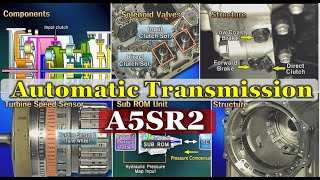
The first-generation Kia Sorento (2003-2009) used several different automatic transmissions, making diagnosis and parts sourcing model-year specific. Sorentos from 2003-2004 with the 3.5L V6 were equipped with a 4-speed automatic. For the 2005 model year, this was replaced with a 5-speed automatic (often identified as the A5SR1 or A5SR2), which continued through 2009 with various engines (3.5L, 3.8L, and 3.3L V6s). It is crucial to identify the specific transmission in your Sorento before ordering parts like the TCC solenoid, as they are not interchangeable. This platform is also known for the actual torque converter clutch failing mechanically, even though the code points to an electrical circuit issue.
Symptoms You May Notice
- Check Engine Light is on
- Transmission may not shift into the highest gear (overdrive)
- Vehicle may stall when coming to a stop
- Shuddering or vibration at highway speeds, similar to driving over rumble strips
- Noticeable decrease in fuel economy
- Engine RPMs are higher than usual at cruising speeds
- Harsh, delayed, or erratic shifts
- Transmission overheating or a burning smell from the fluid
- Replacing the entire transmission without first diagnosing the TCC solenoid, wiring, or fluid condition.
- Replacing the TCC solenoid when the actual problem is a mechanically failed torque converter clutch. This may cause the code to return shortly after the repair.
Most Likely Causes
- Faulty Torque Converter Clutch (TCC) Solenoid 🔴 High Probability → Shop Automatic Transmission Torque Converter Solenoids are a common failure point in automatic transmissions as they age due to heat and electrical cycles. The internal coil can burn out or the valve can become stuck from contaminated fluid.
How to confirm: After dropping the transmission pan, the solenoid can be tested with a multimeter for proper resistance. For the 5-speed A5SR1/A5SR2 transmission, the lockup clutch solenoid should have a resistance of 12.9 ± 0.6 ohms. A reading of infinite resistance (open) or near-zero (short) indicates failure.
Typical fix: Replace the TCC solenoid. This part is located inside the transmission, usually on the valve body.
Est. part cost: $55-$550 - Low or Dirty Transmission Fluid 🟡 Medium Probability → Shop Transmission Assembly Neglected maintenance can lead to fluid breakdown, which causes poor hydraulic pressure and can clog solenoid passages or cause the torque converter clutch itself to slip.
How to confirm: Check the transmission fluid dipstick for level and condition. The fluid should be bright red and not smell burnt. If it's dark, brown, or has metallic particles in it, it's contaminated and may indicate a more severe mechanical issue.
Typical fix: Perform a transmission fluid and filter change. In cases of severe contamination, a full flush may be needed, but this can sometimes dislodge debris and cause further issues in high-mileage transmissions.
Est. part cost: $50-$350 - Damaged Wiring or Connectors 🟡 Medium Probability The wiring harness leading to the transmission is exposed to heat and road debris, which can cause wires to fray, corrode, or break over time. The main external connector on the transmission is a known weak point for corrosion.
How to confirm: Visually inspect the external wiring harness to the transmission for any signs of damage. Disconnect the main connector and check for corrosion or bent pins. Test for continuity and voltage at the transmission connector using a multimeter and a wiring diagram.
Typical fix: Repair or replace the damaged section of the wiring harness or clean/replace the corroded connector.
Est. part cost: $50-$550
Rare But Worth Checking
- Faulty Torque Converter: → Shop Automatic Transmission Torque Converter While the code points to an electrical circuit issue, a mechanical failure within the torque converter's clutch mechanism is a very common underlying cause for this code on many vehicles, including the Sorento. Some experienced mechanics report that a bad torque converter is more often the true culprit than the solenoid itself. A key indicator is finding significant metallic debris or clutch material on the transmission pan magnet.
- Faulty Transmission Control Module (TCM): → Shop Transmission Assembly It is rare for the TCM to fail, but it can happen. The TCM's internal driver for the TCC circuit can burn out, causing the P0740 code. This should be the last part to suspect after all other possibilities, including the torque converter itself, have been ruled out.
Diagnosis Steps
- Check the transmission fluid level and condition. Top off or change the fluid and filter if necessary.
- Use an OBD-II scanner to check for other related transmission codes.
- Visually inspect the transmission wiring harness and connectors for any visible damage, corrosion, or loose connections. Pay close attention to the main connector at the transmission case.
- Using a multimeter and a vehicle-specific wiring diagram, test for power and ground at the transmission connector for the TCC solenoid circuit.
- If external wiring is good, drop the transmission pan to access the TCC solenoid. Crucially, inspect the pan and magnet for excessive metal shavings or clutch material. This is a strong indicator of a mechanical torque converter failure.
- Test the resistance of the TCC solenoid itself with a multimeter. Compare the reading to the manufacturer's specifications. For the 5-speed A5SR1/A5SR2, the spec is 12.9 ± 0.6 ohms.
- If the solenoid tests good and there are no significant metal shavings, the issue may be in the internal wiring harness or a clogged valve body.
- If significant metal is found, the torque converter itself is likely faulty and needs replacement.
Parts You'll Likely Need
- Torque Converter Clutch (TCC) Solenoid
(OEM #46313-3B770 (Potential cross-reference, verify by VIN))— This solenoid is the most common failure point for a P0740 code, as it directly controls the circuit that the computer has flagged as faulty. Note: The part number 46313-3B770 is listed for Kia 'Torque Converter Clutch' applications but must be verified for the specific Sorento model year and transmission.
Trusted brands: Standard Motor Products, TC Remanufacturing, Genuine Kia
OEM price range: $150-$300
Aftermarket price range: $55-$180 - Transmission Filter and Pan Gasket Kit — This is required when dropping the transmission pan to access the TCC solenoid. It's essential for routine service and to ensure a proper seal.
Trusted brands: Wix, ATP, Beck/Arnley
OEM price range: $40-$80
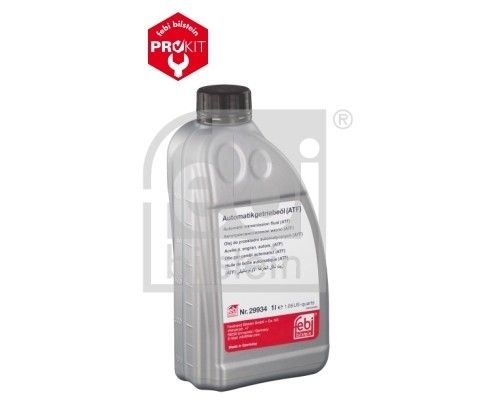
Aftermarket price range: $20-$50 - Automatic Transmission Fluid — The correct type and amount of fluid are critical for transmission function. Low or dirty fluid is a primary cause of transmission problems. Always use fluid that meets Kia's specifications for your specific transmission (e.g., SP-III).
Trusted brands: Kia Genuine SP-III, Valvoline MaxLife ATF, Castrol Transmax
OEM price range: $15-$25 per quart
Aftermarket price range: $8-$15 per quart
Related Codes That Often Appear With This One
- P0741 — P0741 ('TCC Circuit Performance or Stuck Off') indicates a performance problem (e.g., slipping) rather than a purely electrical one. They can appear together if the circuit fault (P0740) leads to a performance issue, or if the computer flags both electrical and mechanical aspects of the failure.
- P0743 — P0743 ('TCC Solenoid Circuit Electrical') is a more specific electrical fault code. If both are present, it strongly points to an electrical issue with the solenoid or its wiring, such as a short or open.
Technical Service Bulletins (TSBs) & Recalls
- No specific TSB for P0740 on the 2003-2009 Kia Sorento was identified during research. However, Kia has issued TSBs for later model years (e.g., TSBTRA051R1 for 2011-2015 models) regarding solenoid replacement for similar codes, indicating a history of addressing solenoid-related issues.
Platform-Specific Known Issues
- Transmission Model Variance: → Shop Transmission Assembly The 2003-2009 generation spans both a 4-speed (2003-04) and a 5-speed automatic (2005-09). Parts like solenoids and filters are not interchangeable. You must confirm which transmission your vehicle has before ordering parts.
- Solenoid vs. Torque Converter Failure: → Shop Automatic Transmission Torque Converter There is significant anecdotal evidence from mechanics that the P0740 code on these and similar vehicles is often caused by a failing torque converter clutch, not the solenoid itself. Replacing only the solenoid may not be a permanent fix if the pan contains significant metallic debris.
Mechanic-Grade Diagnostic Values
- TCC (Lock-Up) Solenoid Resistance (A5SR1/A5SR2) — expected: 12.9 ± 0.6 Ohms. Failure: A reading of infinite ohms (open circuit) or near-zero ohms (short circuit).
- Variable Force Solenoid (VFS) Resistance (A5SR1/A5SR2) — expected: 6.1 ± 0.5 Ohms. Failure: A reading significantly outside this range.
Scan Tool Commands That Help
- Kia GDS (Global Diagnostic System) or equivalent professional scanner: Actuator Test / Bidirectional Control for TCC Solenoid — This command allows a technician to manually activate the TCC solenoid while the vehicle is stationary (or during a road test) to verify if the solenoid clicks and if the command from the TCM is being sent and received. Monitoring the 'TCC SOLENOID DUTY' parameter while driving can also confirm if the TCM is attempting to control the circuit.
- Kia GDS (Global Diagnostic System) or equivalent professional scanner: TCM Learning / Sub ROM Reset — After replacing the transmission, valve body, or sometimes even just solenoids, the TCM's adaptive learning values may need to be reset. For the A5SR2, if the Sub ROM data is erased, a specific learning procedure must be performed by driving the vehicle through a sequence of shifts multiple times.
Wiring & Ground Locations
- Transmission Control Module (TCM) — For the A5SR2-equipped Sorento, the TCM is typically located at the lower part of the driver's side A-pillar, inside the cabin.. This is the control unit that commands the TCC solenoid. All wiring for the solenoid circuit originates from or terminates at this module, making it a key testing point for diagnosing opens or shorts in the harness.
- Transmission Ground Wire — There are multiple grounding points on the vehicle chassis and engine block. A primary ground strap connects the transmission case to the chassis to ensure a good ground path for all electrical components within it.. A corroded or loose transmission ground can cause intermittent and strange electrical issues for all transmission solenoids, including the TCC solenoid, leading to a P0740 code even if the solenoid and wiring are otherwise intact.
Model Year Variations Within This Range
- 2006-2009: Sorentos from 2006-2009 use the A5SR2 transmission, a modification of the Jatco JR507E. This transmission is known for wear on the torque converter lockup clutch, which can shed material and clog the valve body, leading to P0740. This is a more specific known issue than for the earlier 4-speed models.
Diagnostic Flowchart
Used vs. New Parts: Buying Guide for This Vehicle
When a used part is the smart pick: A used torque converter can be a cost-effective option if a reputable transmission shop has inspected and flushed it. Given that a failed torque converter is a common cause of this code, sourcing a complete used transmission from a low-mileage donor vehicle can sometimes be more economical than attempting multiple individual component repairs (solenoid, then converter).
Donor-vehicle mileage cap: roughly under 80000 miles for the part to have meaningful remaining life.
What to inspect on the donor part:
- Check the color and smell of the transmission fluid from the donor vehicle if possible. It should be bright red and not smell burnt.
- Ask for a vehicle history report of the donor car to check for regular maintenance and accident history.
- Look for a warranty from the salvage yard, even if it's only 30-90 days. This provides some protection against a dead-on-arrival part.
OEM-only on this vehicle (don't cheap out):
- Transmission Control Module (TCM)
Aftermarket brands forum-validated for this vehicle:
- For solenoids: Standard Motor Products (SMP), Rostra
- For fluid: Valvoline MaxLife ATF, Castrol Transmax (ensure it meets SP-III spec)
Brands owners have reported issues with on this vehicle:
- Unbranded, no-name solenoid kits from online marketplaces are a significant risk and often fail prematurely.
Real Owner Stories
Aggregated from forums and TSBs cited above. Mileages and costs reflect what owners reported in those sources.
2003-2009 Kia Sorento
Symptoms: Check Engine Light on with code P0740.
What fixed it: Multiple users reported that the P0740 code returned after a solenoid-only replacement, indicating that the permanent fix required replacing the torque converter as well.
Source hint: kia-forums.com - Discussions on this forum for the first-gen Sorento frequently feature the P0740 code.
2003-2009 Kia Sorento
Symptoms: Shuddering at highway speeds and higher-than-normal RPMs.
What fixed it: The repair process involved dropping the transmission pan, checking for metal shavings to differentiate between a solenoid or torque converter failure, and testing the solenoid's resistance.
Source hint: kiasorento.org - Owners on this forum confirm common symptoms like shuddering at highway speeds and higher-than-normal RPMs.
Related OBD-II Codes
Frequently Asked Questions
My mechanic wants to replace just the TCC solenoid for my P0740 code. Is this the right fix for my Sorento?
I have a 2004 Sorento. Will a TCC solenoid for a 2008 model fit?
How can I test the TCC solenoid myself on my 2006 Kia Sorento?
Is there a specific recall or TSB from Kia for the P0740 code on my 2007 Sorento?
What aftermarket transmission fluid is safe to use for a fluid change on my Sorento?
Besides the solenoid, what's a common electrical cause for P0740 on this Sorento?
Helpful Videos
We Have This Part in Stock

The information in this article is provided for general reference and educational purposes only. Vehicle specifications, procedures, and part compatibility can vary by production date, trim level, and region. Always consult your vehicle's factory service manual and verify part numbers before purchasing or performing repairs. Safety-critical components such as airbags, seat belts, and braking systems should be installed by a qualified professional.
- Kia Sorento:
- 🧭 Diagnostic Flowchart
- 🎬 Helpful Videos
- 🛍️ Shop This Part
- What's Unique About the 2003-2009 Kia Sorento
- Symptoms You May Notice
- Most Likely Causes
- Rare But Worth Checking
- Diagnosis Steps
- Parts You'll Likely Need
- Related Codes That Often Appear With This One
- Technical Service Bulletins (TSBs) & Recalls
- Platform-Specific Known Issues
- Mechanic-Grade Diagnostic Values
- Scan Tool Commands That Help
- Wiring & Ground Locations
- Model Year Variations Within This Range
- Used vs. New Parts: Buying Guide for This Vehicle
- Real Owner Stories
- 2003-2009 Kia Sorento
- 2003-2009 Kia Sorento
- Related OBD-II Codes
- Frequently Asked Questions
- 🎟️ Get 5% Off