

P0741 on 2002-2006 Audi A4 3.0L V6: Torque Converter Clutch Causes and Fixes
On a 2002-2006 Audi A4 3.0L, code P0741 almost always indicates a failed torque converter due to a faulty internal seal. While checking the transmission fluid is a first step, expect to replace the torque converter, which is a major repair costing between $2,000 and $4,000. This is a well-documented issue on the ZF 5HP19 transmission used in this and other European vehicles of the era.
- P0741 on a 2002-2006 Audi A4 3.0L is a strong indicator of a failing torque converter, not just a minor fluid or sensor issue.
- Symptoms include high RPMs at highway speeds and a noticeable shudder.
- The first diagnostic step is always to verify the transmission fluid level and condition, following the specific temperature-dependent procedure.
- The repair is expensive and complex, as it requires removing the transmission to access and replace the torque converter.
- Do not ignore this code, as continued driving can cause severe overheating and damage to the rest of the transmission.
What's Unique About the 2000-2006 Audi A4
The Audi A4 of this era with the 3.0L V6 uses a ZF 5HP19 automatic transmission (Audi designation 01V). This transmission, while generally robust, has a well-documented weakness related to the torque converter. A specific internal turbine shaft seal inside the converter is prone to deterioration and failure, causing a loss of hydraulic pressure that prevents the lock-up clutch from engaging. This failure is so common that Audi issued a Technical Service Bulletin (TSB 32-07-02 / 2010879/10) about it. As a result, unlike on many other vehicles where a P0741 might point to a simple solenoid or fluid issue, on the B6 A4 3.0L it is very frequently a direct indicator of a failed torque converter requiring replacement.
Generation note: The 2000-2006 year range covers two Audi A4 generations: the B5 (ending in 2001) and the B6 (2002-2006). However, the 3.0L V6 engine was only available in the B6 generation, so this guide is specifically applicable to the 2002-2006 Audi A4.
Symptoms You May Notice
- Check Engine Light is illuminated.
- Engine RPM is higher than usual at highway speeds (e.g., 300-500 RPM higher).
- A shuddering or vibration felt during light acceleration or at cruising speeds.
- Noticeable decrease in fuel economy.
- Harsh or delayed gear shifts, particularly a 'bang' when accelerating from a stop.
- Transmission overheating, potentially triggering a warning light.
- Hesitation or a feeling that the transmission is 'thinking' before engaging a gear from a stop.
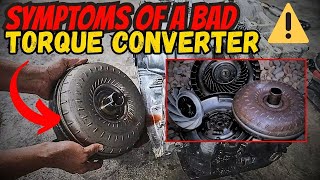
- Car feels sluggish or lacks power. 🎬 Watch: See these common torque converter symptoms in action.
- Replacing only the TCC solenoid when the torque converter itself has failed. While the solenoid is part of the control circuit, the mechanical failure of the converter's internal seal is the more common culprit on this platform.
- Assuming a simple fluid change will fix the problem. While correct fluid level is critical, if the torque converter has already failed internally, a fluid change will not resolve the P0741 code.
- Replacing the entire transmission when only the torque converter is needed. While a major job, replacing just the converter is significantly less expensive than a full transmission replacement.
Most Likely Causes
- Internal Torque Converter Failure 🔴 High Probability → Shop Automatic Transmission Torque Converter A specific internal turbine shaft seal within the original equipment torque converter is a known failure point on the ZF 5HP19 transmission used in this vehicle, leading to a loss of hydraulic pressure for the lock-up clutch. This is documented in Audi TSB 32-07-02.
How to confirm: After confirming correct fluid level and that the TCM is commanding lock-up via a scan tool (like VCDS), the persistent slippage (monitored via RPM difference between engine and transmission input) points to a mechanical failure inside the converter. The seal itself is brownish-orange and about 1 inch in diameter; it cannot be inspected without removing the converter.
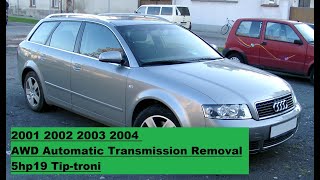
Typical fix: The transmission must be removed from the vehicle to replace the torque converter. It is typically replaced with a remanufactured unit. The torque converter cannot be repaired without being professionally cut open, rebuilt, and re-welded.
Est. part cost: $350-$700 - Low or Contaminated Transmission Fluid 🟡 Medium Probability → Shop Transmission Assembly Leaks can develop over time, and fluid check/fill procedures on this transmission are complex, leading to incorrect levels. While a possible cause, it often isn't the root failure for this specific code but can accelerate wear.
How to confirm: Check the transmission fluid level and condition. This must be done with the vehicle level and the transmission fluid at a specific temperature (35-45°C or 95-113°F), typically monitored with a scan tool. The correct fluid is essential, such as ESSO ATF LT 71141 or an equivalent spec.
Typical fix: Perform a transmission fluid and filter service using the correct OEM-spec fluid. If the fluid is black or contains significant metal debris, internal damage is likely and a fluid change alone will not fix P0741.
Est. part cost: $100-$200 - Faulty Torque Converter Clutch (TCC) Solenoid ⚪ Low Probability → Shop Automatic Transmission Torque Converter While solenoids can fail on any vehicle, for the ZF 5HP19 with a P0741 code, it is far less common than the internal torque converter seal failure.
How to confirm: The solenoid (often labeled N94 or part of a solenoid pack) is located on the valve body and can be tested for resistance with a multimeter. This requires draining the fluid and removing the transmission oil pan for access.
Typical fix: Replace the faulty solenoid. This is often done as a set with other solenoids while the pan is off. However, doing this repair without also replacing a known-bad torque converter is a common misdiagnosis.
Est. part cost: $50-$150
Rare But Worth Checking
- Worn Transmission Valve Body: → Shop Transmission Valve Body Wear in the valve body bores, specifically the pressure regulator valve bore, can cause hydraulic pressure spikes and drops. This is now believed to be a root cause of the torque converter seal failure. Upgraded pressure regulator valves (e.g., from TransGo) are available to prevent recurrence.
- Wiring Harness Issue: Damage to the wiring between the TCM and the transmission can cause a loss of signal to the TCC solenoid. This is uncommon but worth inspecting, especially if other transmission codes are present or if there is visible damage to the harness.
Diagnosis Steps
- Scan the Transmission Control Module (TCM) with an OBD-II scanner (VCDS is preferred for VW/Audi) to confirm P0741 is the primary code and check for others like P1624.
- Check the transmission fluid level and condition. This is a critical first step. The procedure requires the vehicle to be level and the fluid temperature to be between 35-45°C (95-113°F). If the fluid is low, top it off and re-test. If it's dark, burnt, or full of debris, suspect internal damage.
- Using a diagnostic tool capable of reading live data (like VCDS), monitor Measuring Value Block 007 in the transmission module while driving at a steady highway speed.
- Observe the TCC solenoid command and the torque converter clutch slippage RPM. The TCM will command lock-up (shown by amperage change and status changing to 'Closed'). If the slippage RPM does not drop to or near zero, it confirms the clutch is slipping mechanically.
- If the fluid level and condition are good, but the clutch still slips under command, the failure is almost certainly the internal seal of the torque converter.
- Given the high rate of torque converter failure on this model, as documented in TSBs, the next step is to plan for torque converter replacement. It is also highly recommended to address the root cause by installing an updated pressure regulator valve in the valve body at the same time.
Parts You'll Likely Need
- Torque Converter
(OEM #01V323593A (Verify by VIN))— This is the most common failure point for code P0741 on the B6 A4 3.0L due to a known issue with an internal seal.
Trusted brands: ZF (OEM), Sachs, LuK, Various remanufacturers
OEM price range: $800-$1200
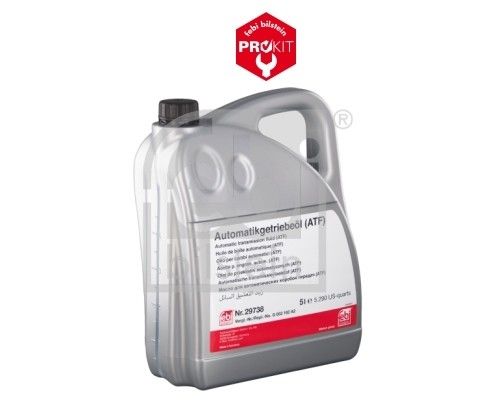
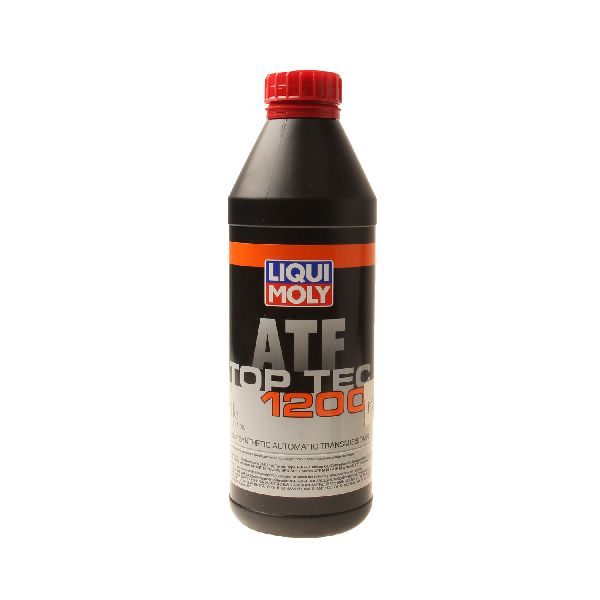
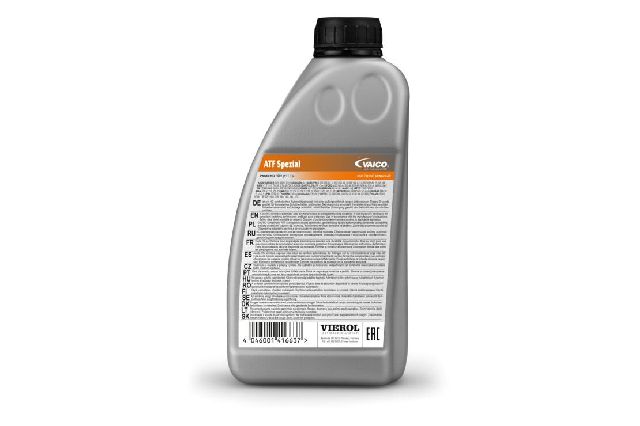
Aftermarket price range: $350-$700 - Automatic Transmission Fluid and Filter Kit — Required for any service involving opening the transmission, including torque converter replacement. Must meet LT 71141 specification.
Trusted brands: Vaico, ZF, Blauparts, Febi
OEM price range: $150-$250
Aftermarket price range: $80-$150 - Valve Body Pressure Regulator Valve Kit — Recommended to install an upgraded valve to prevent pressure spikes that cause the new torque converter seal to fail prematurely.
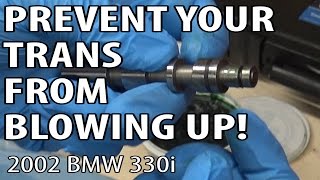
Trusted brands: TransGo (SK 5HP-19) 🎬 See how to install the TransGo pressure regulator valve.
OEM price range: N/A
Aftermarket price range: $50-$100
Related Codes That Often Appear With This One
- P1624 (18032) - MIL Request Signal Active: This is a generic code indicating that the Transmission Control Module (TCM) has requested the Check Engine Light to be turned on. It will always be present when a transmission-specific fault like P0741 is the root cause.
Technical Service Bulletins (TSBs) & Recalls
- TSB 32-07-02 (also listed as 2010879/10): Referenced by Ross-Tech for Audi vehicles with the 01V transmission concerning torque converter failure issues, specifically a failed internal oil seal.
- TSB 01-07-22 (also listed as 2011908): Referenced for similar internal torque converter seal failures in the VW/Audi group, particularly for VW Passat with the same 01V transmission.
Platform-Specific Known Issues
- The ZF 5HP19 (01V) transmission is known for torque converter failure that specifically triggers code P0741. Technical Service Bulletins have been issued regarding this exact problem.
- A forum user on AudiWorld with a 2004 A4 3.0 Quattro experienced the c
Mechanic-Grade Diagnostic Values
- Torque Converter Clutch (TCC) Solenoid (EDS 4) Resistance — expected: 6.2 - 7.8 Ω. Failure: A resistance reading outside of this range indicates a faulty solenoid coil.
- Other Valve Body Solenoids (MV 1, 2, 3) Resistance — expected: 30 - 34 Ω. Failure: While not the direct cause of P0741, checking these while the pan is off is wise. Readings outside this range indicate failure.
- VCDS Live Data - MVB 007, Field 3 (TCC Status) — expected: Should switch from 'Open' to 'Lock-up' or 'Closed' when cruising at highway speed.. Failure: If the status does not change to 'Closed' or 'Lock-up' when commanded, it points to a control-side issue (solenoid, wiring).
- VCDS Live Data - MVB 007, Field 4 (TCC Slippage) — expected: Should drop to 0 RPM or very close to it when the TCC status is 'Closed'/'Lock-up'.. Failure: If the slippage remains high (e.g., >50-100 RPM) when lock-up is commanded, it confirms a mechanical slip inside the torque converter.
Hidden / Shadow Codes Worth Checking
- 17125: This is the VAG-specific Diagnostic Trouble Code (DTC) that corresponds to the generic OBD-II code P0741. It means 'Torque Converter Clutch: Stuck OFF / No Power being transferred'. (see via This code will be displayed when scanning the Transmission Control Module (02-Auto Trans) with a VAG-specific scan tool like VCDS (VAG-COM).)
Wiring & Ground Locations
- Transmission Control Module (TCM) — Located in the electronics box in the plenum chamber (under the plastic cowl cover) at the left rear of the engine compartment.. This is the computer that controls the transmission and logs the P0741 fault. Its connections are critical for TCC solenoid operation.
- Main Transmission Connector — A large, multi-pin (often 16-pin) round connector on the transmission housing where the main vehicle harness connects.. This is the primary electrical interface to the transmission. Corrosion or damage here can interrupt the signal to the TCC solenoid.
- Ground Strap - Engine to Body — Connects from the passenger side front frame rail to the engine mount area.. A poor engine ground can cause a variety of electrical issues, including erratic sensor readings and improper solenoid operation. This is a critical ground path.
- Ground Point G12 — Located at the center of the firewall in the engine bay.. This point grounds several components, including the transmission range switch, which provides gear selection information to the TCM.
Real Owner Repair Stories
- Audi Revolution forum user 'Revolv0' (Audi A6 (with same 01V transmission)) — P0741 Check Engine Light came on after having the torque converter remanufactured and the torque converter seal replaced.
❌ Tried (didn't work) The initial repair (remanufactured TC, new seal, new fluid and filter) did not prevent the code from returning.
✅ What actually fixed it The suspected cause for the code's return was an incorrect transmission fluid level. After a major service like torque converter replacement, the converter and cooler can absorb a significant amount of fluid as it circulates, causing the level to drop below the required minimum after the initial fill. The final fix is to re-check and top off the fluid level according to the precise temperature-controlled procedure after a short period of driving. - NHTSA ODI #10643907 (Audi A6 with same 01V transmission) — An owner reported failing an emissions test because the check engine light was illuminated due to code P0741. A technician confirmed that the torque converter required replacement to resolve the issue.
OEM Part Supersession History
01V323571L→01V323593A— Part revision and update by the manufacturer.
Heads up: The newer part number 01V323593A is the correct replacement. Note that as of the early 2020s, this part is often discontinued from Audi/VW and is primarily available as a remanufactured unit from OEM suppliers like ZF or other aftermarket rebuilders.
Diagnostic Flowchart
Used vs. New Parts: Buying Guide for This Vehicle
When a used part is the smart pick: For this specific P0741 repair, sourcing a USED torque converter from a salvage yard is STRONGLY DISCOURAGED. The failure is a known design/wear issue, meaning a used converter is highly likely to have the same internal seal defect or contain metal debris from its donor transmission's failure. A used complete transmission assembly is a possibility, but only if it has very low mileage and a solid warranty.
Donor-vehicle mileage cap: roughly under 60000 miles for the part to have meaningful remaining life.
What to inspect on the donor part:
- For a complete transmission: Check the donor vehicle's VIN for any reported accidents.
- Ask for a video of the donor car running and driving, if possible.
- Inspect the fluid from the donor transmission; if it's dark, burnt, or contains shiny particles, reject the part.
- Ensure a parts warranty of at least 6 months is provided.
Aftermarket brands forum-validated for this vehicle:
- Torque Converter (Remanufactured): ZF (OEM rebuilder), Sachs, LuK.
- Valve Body Pressure Regulator Kit: TransGo (specifically the SK 5HP-19 kit).
Brands owners have reported issues with on this vehicle:
- Unknown or unbranded 'cheap' remanufactured torque converters from online marketplaces. Forum consensus suggests the quality control is too risky for such a labor-intensive job.
Real Owner Stories
Aggregated from forums and TSBs cited above. Mileages and costs reflect what owners reported in those sources.
2004 Audi A4 3.0L Quattro
Symptoms: The owner experienced high RPMs at highway speeds, a common symptom of the torque converter clutch failing to lock up.
What fixed it: The eventual and correct repair was a complete torque converter replacement.
Cost: $3000-$4000
Source hint: AudiWorld.com thread from 2009 titled 'P0741 - 17125 - Torque Converter Clutch Circuit Performance or Stuck Off.'
Related OBD-II Codes
Frequently Asked Questions
I have a P0741 code on my 2004 Audi A4 3.0L. Is this a common problem?
My mechanic suggests replacing the TCC solenoid first. Is that the right fix for P0741 on this car?
What is the specific part that fails inside the torque converter to cause this code?
Will a simple transmission fluid and filter change fix my P0741 code?
Are other cars affected by this same P0741 torque converter issue?
Is there anything else I should replace while the transmission is out for the torque converter?
Helpful Videos
We Have This Part in Stock


The information in this article is provided for general reference and educational purposes only. Vehicle specifications, procedures, and part compatibility can vary by production date, trim level, and region. Always consult your vehicle's factory service manual and verify part numbers before purchasing or performing repairs. Safety-critical components such as airbags, seat belts, and braking systems should be installed by a qualified professional.
- Audi A4:
- 🧭 Diagnostic Flowchart
- 🎬 Helpful Videos
- 🛍️ Shop This Part
- What's Unique About the 2000-2006 Audi A4
- Symptoms You May Notice
- Most Likely Causes
- Rare But Worth Checking
- Diagnosis Steps
- Parts You'll Likely Need
- Related Codes That Often Appear With This One
- Technical Service Bulletins (TSBs) & Recalls
- Platform-Specific Known Issues
- Mechanic-Grade Diagnostic Values
- Hidden / Shadow Codes Worth Checking
- Wiring & Ground Locations
- Real Owner Repair Stories
- OEM Part Supersession History
- Used vs. New Parts: Buying Guide for This Vehicle
- Real Owner Stories
- 2004 Audi A4 3.0L Quattro
- Related OBD-II Codes
- Frequently Asked Questions
- 🎟️ Get 5% Off