

P0741 on 2017-2018 Genesis G90: Torque Converter Clutch Causes and Fixes
For a 2017-2018 Genesis G90, code P0741 is most often caused by a faulty torque converter clutch (TCC) solenoid, an issue recognized by Genesis in a technical service bulletin (TSB 19-AT-002HG). This TSB provides a specific diagnostic path for dealers. The solenoid part itself is around $90-$130, but professional replacement is recommended due to the complexity of accessing it within the transmission valve body.
- P0741 on a 2017-2018 G90 is a known issue with a manufacturer-documented fix.
- The most probable cause is a faulty Torque Converter Clutch (TCC) solenoid, not a complete transmission failure.
- Do not ignore this code. While the car is drivable, doing so risks overheating and causing more extensive damage to the transmission.
- This is not a simple DIY fix. The repair requires dropping the transmission pan and valve body, and the fluid level check procedure is complex.
- Ensure your mechanic is aware of TSB 19-AT-002HG to follow the most efficient diagnostic path.
What's Unique About the 2017-2018 Genesis G90
Genesis and its parent company Hyundai are aware of this issue on the 8-speed A8LR1/A8TR1 automatic transmission used in the G90 and other rear-wheel-drive platforms. They released Technical Service Bulletin (TSB) 19-AT-002HG, which specifically addresses P0741 and a host of other related solenoid codes. This TSB provides a direct diagnostic path for technicians, strongly suggesting the cause is a specific faulty solenoid inside the transmission rather than a more catastrophic failure. This makes diagnosis more straightforward for technicians familiar with the bulletin and the specific solenoid part numbers it contains.
Symptoms You May Notice
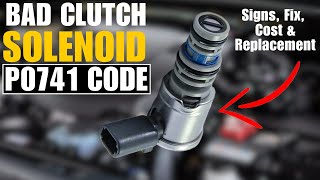
🎬 Watch: Learn more about TCC solenoid symptoms and replacement costs.- Check Engine Light is on
- Noticeably worse fuel economy
- Engine RPMs are higher than normal when cruising at highway speeds
- A sensation of shuddering, vibration, or feeling like driving over cobblestones, especially during light acceleration or when shifting at lower speeds.
- Transmission may feel like it's slipping or shifts may be delayed or harsh
- In some cases, a transmission overheat warning may appear due to increased fluid temperature from slippage
- Engine may stall in some applications (less common on G90)
- Replacing the entire transmission without first attempting to replace the specific solenoid identified in TSB 19-AT-002HG.
- Replacing the torque converter when the issue is electrical (solenoid or wiring) or hydraulic (fluid/valve body).
- Assuming a simple fluid change will fix a solenoid that is already electrically failed or mechanically stuck.
- On AWD models, confusing transfer case shudder with torque converter clutch shudder.
Most Likely Causes
- Faulty Torque Converter Clutch (TCC) Solenoid 🔴 High Probability → Shop Automatic Transmission Torque Converter This is a known issue acknowledged by Hyundai/Genesis via TSB 19-AT-002HG, which lists P0741 and points to a failure of the TCC solenoid (Part Code 46202A).
How to confirm: A technician will use a diagnostic scan tool to monitor the commanded state of the TCC solenoid versus its actual state (slip RPM). If the TCM commands lock-up but significant slip remains, and electrical tests on the circuit show no open or short, the solenoid is the prime suspect. 🎬 See this video for a guide on fixing P0741 codes. The solenoid's internal resistance can also be tested with a multimeter and should be within a specific range. For the VFS-type solenoids in the A8LR1 transmission, the specification is 5.3Ω at 25°C (77°F).
Typical fix: Replace the faulty solenoid inside the transmission. This involves removing the transmission pan and valve body to access the solenoid, as detailed in TSB 19-AT-002HG.
Est. part cost: $90-$130 - Low, Burnt, or Incorrect Transmission Fluid 🟡 Medium Probability → Shop Transmission Assembly The Hyundai-designed 8-speed transmission is sensitive to fluid level and condition. Low fluid can cause a drop in hydraulic pressure needed to operate solenoids and the TCC, while old, contaminated, or incorrect fluid can cause solenoids to stick or passages to clog.
How to confirm: Check the transmission fluid level and condition. This procedure must be done with the vehicle level and the fluid at a specific temperature (122-140°F / 50-60°C) as there is no dipstick. 🎬 Watch: How to check transmission fluid level without a dipstick. If the fluid is dark, smells burnt, or contains metallic particles, it indicates a problem that could be causing the code.
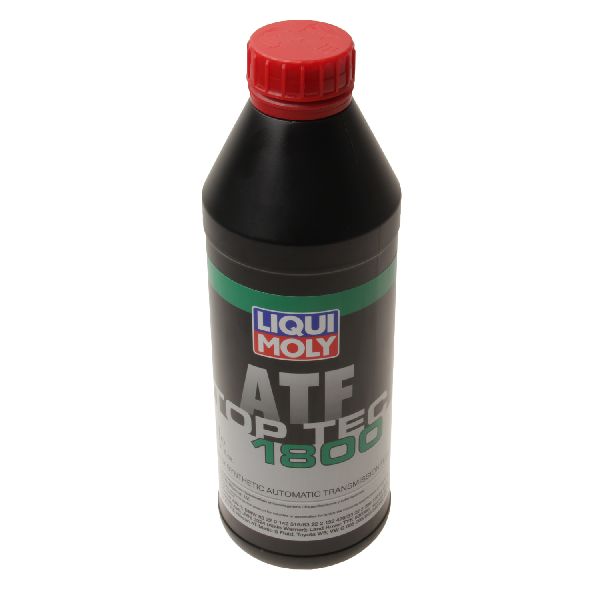
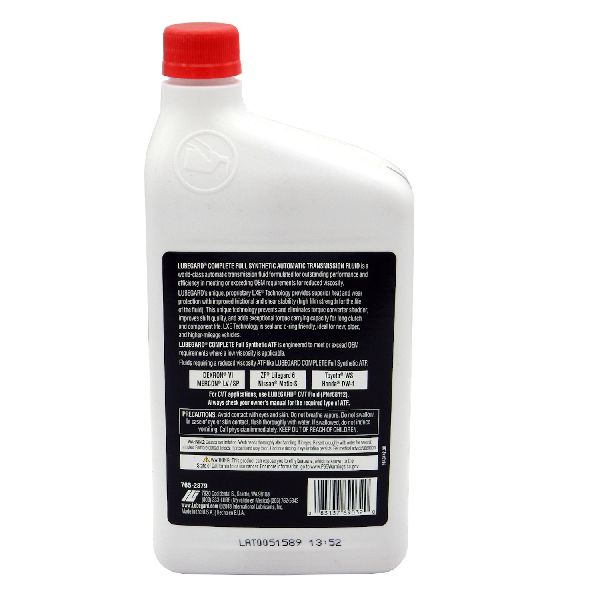
Typical fix: Perform a transmission fluid drain and fill using the correct OEM-spec fluid (Hyundai/Genesis ATF SPH-IV-RR). If the fluid is very contaminated, a full flush may be considered, but this may not solve the problem if the solenoid is already damaged or clogged.
Est. part cost: $200-$300 for fluid and filter kit - Wiring Harness or Connector Damage ⚪ Low Probability
How to confirm: Visually inspect the wiring harness leading to the transmission for any signs of damage, corrosion, or loose connections. The main connector is located on the passenger side of the transmission. A technician would perform a continuity test on the TCC solenoid circuit from the TCM connector to the transmission connector to rule out wiring faults.
Typical fix: Repair or replace the damaged section of the wiring harness or the connector itself.
Est. part cost: $50-$500 depending on the extent of damage
Rare But Worth Checking
- Worn Internal Torque Converter Clutch: → Shop Automatic Transmission Torque Converter If the solenoid, wiring, and fluid are all confirmed to be good, the mechanical clutch inside the torque converter itself may be worn out and unable to lock. This is a much more expensive and labor-intensive repair requiring transmission removal.
- Faulty Transmission Valve Body: → Shop Transmission Valve Body The valve body houses the solenoids and hydraulic passages. A crack, blockage from debris, or a warped surface could prevent proper hydraulic pressure from reaching the TCC, even with a new solenoid. Replacement can cost from $400 to over $3,500 depending on the vehicle.
- Failing Transfer Case (AWD Models): On all-wheel-drive models, some owners have reported that a shuddering or jerky feeling, sometimes misdiagnosed as a transmission issue, was ultimately caused by a failing transfer case or degraded transfer case fluid. While this may not directly cause P0741, its symptoms can overlap and lead to diagnostic confusion.
- Failing Powertrain/Transmission Control Module (PCM/TCM): → Shop Transmission Assembly This is extremely rare and should only be considered after all other mechanical and electrical components have been exhaustively tested and ruled out. The TCM in these vehicles is a standalone module, and its exact location can vary, but it may be under the dashboard or in the engine bay.
Diagnosis Steps
- Verify the code P0741 is present using an OBD-II scanner and check for any other related codes.
- Check for any Technical Service Bulletins (TSBs) related to the code. For this vehicle, TSB 19-AT-002HG is directly relevant and provides the primary diagnostic path.
- Check the transmission fluid level and condition. This must be done with the vehicle level and the fluid at a specific temperature (122-140°F / 50-60°C). Note fluid color and smell for signs of burning or contamination.
- Inspect the transmission wiring harness and connectors for any visible damage, corrosion, or loose connections.
- Using an advanced scan tool (like the Genesis GDS), monitor live data for Torque Converter Clutch command vs. actual slip RPM. If the TCM is commanding lock-up (solenoid duty cycle increases) but the slip remains high, it points to a mechanical or hydraulic issue rather than a control module problem.
- Follow the TSB procedure to test the TCC solenoid circuit for proper resistance, shorts, or open circuits. The resistance for the VFS TCC solenoid should be approximately 5.3Ω at 25°C.
- Using the GDS, perform an 'Actuation Test' on the Torque Converter Clutch Solenoid. A 'Success' message and an audible click from the transmission indicate the solenoid is likely functional electrically, while a 'Failure' message points towards a circuit or solenoid issue.
- If the circuit tests okay but the actuation test fails or slip is still present, the solenoid itself is the likely culprit. The TSB recommends replacement of the specific solenoid associated with the code.
- If the solenoid is replaced, drain the transmission fluid, remove the transmission pan and valve body, and replace the solenoid.
- Refill the transmission with the correct OEM fluid (SPH-IV-RR) to the proper level, following the manufacturer's specific procedure.
- Clear the DTC and perform a test drive, ensuring the vehicle reaches cruising speed to confirm the torque converter clutch now engages correctly and the code does not return.
Parts You'll Likely Need
- Torque Converter Clutch Solenoid
(OEM #46313-3B010)— This is the part identified by TSB 19-AT-002HG as the most likely cause of the P0741 code on this vehicle. It is also described as a 'Damper Clutch' solenoid.
Trusted brands: Hyundai/Genesis Genuine
OEM price range: $90-$130
Aftermarket price range: $70-$110 - Automatic Transmission Fluid
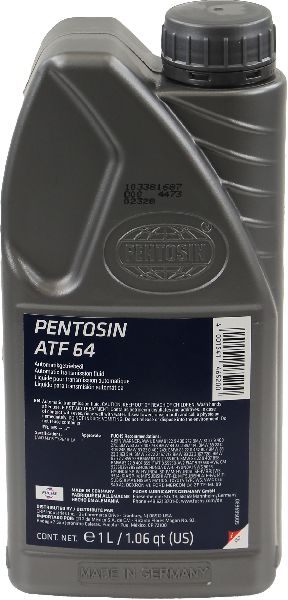
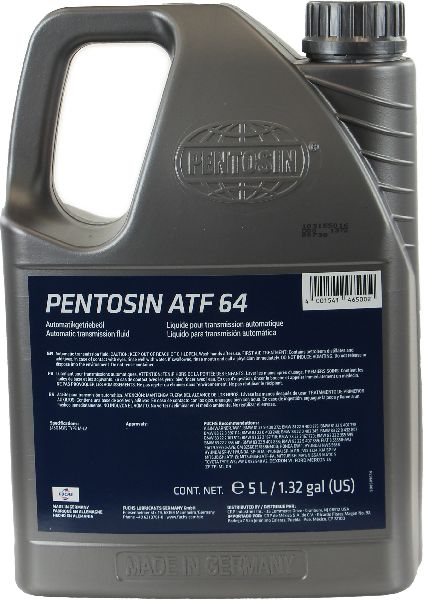
(OEM #00232-19052)— Fluid must be replaced when the pan is dropped for solenoid service. Only the specified SPH-IV-RR fluid should be used to ensure proper shift quality and transmission health.
Trusted brands: Hyundai/Genesis Genuine, Ravenol ATF T-ULV
OEM price range: $20-$30 per liter
Aftermarket price range: $15-$25 per liter - Transmission Filter and Pan Gasket Kit
(OEM #46240-4G000 (Filter), 45285-4G000 (Gasket) - Varies, confirm with VIN)— The filter and gasket should always be replaced when the transmission pan is removed for service.
Related Codes That Often Appear With This One
- P0743 — This code indicates a purely electrical fault (open or short) in the TCC circuit, whereas P0741 is a performance fault (slippage). They can appear together if the electrical issue is causing the performance problem. TSB 19-AT-002HG covers both codes.
- P0700 — This is a general transmission fault code requested by the TCM. It simply means there is a transmission-related DTC stored, such as P0741, and serves as a generic alert to the main engine computer.
Technical Service Bulletins (TSBs) & Recalls
- 19-AT-002HG: AUTOMATIC TRANSMISSION SOLENOID DTC P0741... - This TSB confirms the code definition and provides the diagnostic procedure, pointing to a faulty solenoid (Part #46313-3B010) for P0741 and P0743. It covers a wide range of solenoid codes for the G80 and G90.
- Bulletin #5NP-W7J6Y-11: This manufacturer bulletin addresses automatic transmission solenoid and sensor replacement for a variety of codes including P0741 and P0743 on related platforms.
- 17-AT-002: 8-speed automatic transmission fluid level - This TSB details the specific and complex procedure for checking the ATF level, which is critical for diagnosis as it must be done at a precise temperature.
Platform-Specific Known Issues
- Genesis TSB 19-AT-002HG directly addresses this code, providing a clear repair path that involves replacing the specific solenoid (Part #46313-3B010 for P0741) and potentially the E-module within the transmission if multiple solenoid codes are present.
- For AWD models, owners on forums have reported shuddering symptoms that were ultimately traced to the transfer case fluid breaking down, not the transmission. This can be a point of misdiagnosis.
Mechanic-Grade Diagnostic Values
- TCC Solenoid (VFS Type) Resistance — expected: 5.3Ω at 25°C (77°F). Failure: A reading significantly higher or lower than 5.3Ω, or an open/infinite reading, indicates a failed solenoid coil.
- TCC Slip RPM (Live Data) — expected: Near 0 RPM when TCC is commanded to lock.. Failure: Consistently high slip RPM (e.g., >160 RPM) when the scan tool shows the TCC solenoid is commanded ON (100% duty cycle).
Hidden / Shadow Codes Worth Checking
- P074100: This is the full format of the P0741 code as displayed on the Genesis GDS, providing a more specific identifier than the standard P0741. (see via Genesis GDS (Global Diagnostic System) or equivalent high-level scan tool.)
Scan Tool Commands That Help
- Genesis GDS (Global Diagnostic System): Actuation Test > Torque Converter Clutch Solenoid Valve — This bidirectional test is used to command the TCC solenoid on and off while the engine is off. A technician can listen for an audible click from the transmission to confirm the solenoid's mechanical and electrical response, helping to isolate a faulty solenoid from a wiring or hydraulic issue.
- Genesis GDS (Global Diagnostic System): S/W Management > Resetting Auto T/A Values — This function should be performed after replacing the transmission, valve body, or TCM to clear learned shift adaptations. It helps the transmission relearn shift points with the new components.
- Genesis GDS (Global Diagnostic System): S/W Management > AT Adaptation Mode — After resetting the adaptive values, this guided procedure helps the TCM quickly relearn the pressure characteristics and fill times for smooth shifting.
Wiring & Ground Locations
- Main Transmission Harness Connector — On the passenger side of the transmission housing.. This is the primary connection point between the TCM and all internal transmission electronics, including the TCC solenoid. It's a critical place to check for corrosion, damage, or loose pins when diagnosing electrical faults like P0743 or ruling out wiring issues for P0741.
- Transmission Control Module (TCM) — Not integrated into the valve body (as in some transmissions). It is a separate module. Its exact location can vary but is typically found either in the cabin under the dashboard or in the engine bay near the firewall.. This module sends the command to the TCC solenoid. While rarely the cause, a fault in the TCM's driver circuit for the solenoid could mimic a solenoid or wiring failure. Knowing its location is necessary for advanced circuit testing.
Diagnostic Flowchart
Used vs. New Parts: Buying Guide for This Vehicle
When a used part is the smart pick: For this specific repair, a used part is generally not recommended. The TCC solenoid is a known failure point and is located inside the transmission, making the labor to replace it significant. A used solenoid carries a high risk of premature failure. A complete, low-mileage used valve body assembly from a reputable dismantler could be considered if the cost is significantly lower than a new OEM solenoid plus labor, but it still carries risk.
Donor-vehicle mileage cap: roughly under 50000 miles for the part to have meaningful remaining life.
What to inspect on the donor part:
- Verify the donor vehicle's VIN to ensure it had the same A8LR1/A8TR1 transmission.
- Ask for the donor vehicle's mileage; anything over 50,000 miles increases risk.
- Inspect the electrical connector pins on the valve body for any signs of corrosion or damage.
- If possible, get a warranty from the seller.
OEM-only on this vehicle (don't cheap out):
- Torque Converter Clutch (TCC) Solenoid
- Transmission Fluid (SPH-IV-RR)
Aftermarket brands forum-validated for this vehicle:
- Ravenol (for SPH-IV-RR compatible fluid)
Brands owners have reported issues with on this vehicle:
- Unbranded, no-name solenoids from online marketplaces are extremely high-risk due to the significant labor cost if the part fails.
Real Owner Stories
Aggregated from forums and TSBs cited above. Mileages and costs reflect what owners reported in those sources.
2017 Genesis G90 3.3T AWD
Symptoms: jerky acceleration
What fixed it: The issue was re-diagnosed as a bad transfer case after the dealer initially misdiagnosed a bad transmission.
Source hint: Genesis G90 Forum - 2017 G90 Jerky Acceleration
2019 Genesis G90 AWD
Symptoms: A 'jerky' or 'judder' feeling on moderate acceleration.
What fixed it: A transfer case fluid change resolved the issue, which was caused by fluid breakdown, not the transmission.
Source hint: Reddit r/GenesisMotors - Jitter on Acceleration in 2019 Genesis G90 AWD
Related OBD-II Codes
Frequently Asked Questions
Is there a Technical Service Bulletin (TSB) for the P0741 code on my 2017 Genesis G90?
My AWD G90 is shuddering during acceleration. Is it definitely the transmission?
What part is usually needed to fix the P0741 code according to the official Genesis procedure?
How do I check the transmission fluid level on my G90?
What is the correct transmission fluid for a 2017-2018 Genesis G90?
My mechanic is testing the TCC solenoid. What is the correct electrical resistance for it?
Helpful Videos

We Have This Part in Stock

The information in this article is provided for general reference and educational purposes only. Vehicle specifications, procedures, and part compatibility can vary by production date, trim level, and region. Always consult your vehicle's factory service manual and verify part numbers before purchasing or performing repairs. Safety-critical components such as airbags, seat belts, and braking systems should be installed by a qualified professional.
- Genesis G90:
- 🧭 Diagnostic Flowchart
- 🎬 Helpful Videos
- 🛍️ Shop This Part
- What's Unique About the 2017-2018 Genesis G90
- Symptoms You May Notice
- Most Likely Causes
- Rare But Worth Checking
- Diagnosis Steps
- Parts You'll Likely Need
- Related Codes That Often Appear With This One
- Technical Service Bulletins (TSBs) & Recalls
- Platform-Specific Known Issues
- Mechanic-Grade Diagnostic Values
- Hidden / Shadow Codes Worth Checking
- Scan Tool Commands That Help
- Wiring & Ground Locations
- Used vs. New Parts: Buying Guide for This Vehicle
- Real Owner Stories
- 2017 Genesis G90 3.3T AWD
- 2019 Genesis G90 AWD
- Related OBD-II Codes
- Frequently Asked Questions
- 🎟️ Get 5% Off