

P0741 on 2011-2016 Hyundai Elantra: Torque Converter Clutch Fixes
For a 2011-2016 Elantra, code P0741 most often points to a faulty Torque Converter Clutch (TCC) solenoid inside the transmission. After checking fluid, this is the next step. Expect to pay a professional, as it's an internal transmission repair. Hyundai has issued multiple TSBs confirming this is a known issue and the primary repair path.
- The P0741 code on a 2011-2016 Elantra is a serious issue that should be addressed promptly to avoid transmission damage.
- Always start by checking the transmission fluid level and condition. This is the simplest and cheapest potential fix.
- The most likely culprit is a failed Torque Converter Clutch (TCC) solenoid, a known issue backed by Hyundai TSBs.
- Repairing this code is not a simple DIY job for beginners; it requires accessing internal transmission components.
- Do not immediately assume you need a new transmission. A targeted repair of the TCC solenoid and internal harness is often the correct and most cost-effective solution.
What's Unique About the 2011-2016 Hyundai Elantra
For this generation of Elantra (MD/UD) with the 6-speed A6GF1 automatic transmission, Hyundai has issued multiple Technical Service Bulletins (TSBs) that directly address the P0741 code. 🎬 Watch: Understanding P0741 causes and common fixes TSBs like 19-AT-015H and its successors specifically instruct technicians to replace the Torque Converter Clutch (TCC) solenoid and the internal valve body wiring harness. This indicates a known, widespread issue with these specific components, making them a much more likely cause than on other vehicles where the diagnosis might be more varied. The official guidance is to replace these parts, not the entire transmission, as the first step after verifying fluid condition.
Symptoms You May Notice
- Check Engine Light is on
- Reduced fuel economy
- Engine RPM is higher than usual at highway speeds (fails to 'shift' into overdrive)
- A feeling of shuddering or vibration at cruising speeds, sometimes described as driving over rumble strips
- Vehicle may enter 'limp mode,' limiting power and speed
- Transmission may feel like it's slipping or hesitating during shifts
- Engine may stall when coming to a stop
- Noticeable 'hiccup' or slip feeling around 3,000 RPM when the TCC is supposed to engage
- Replacing the entire transmission without first diagnosing the TCC solenoid. Per Hyundai's own TSBs and numerous forum reports from technicians, replacing the solenoid and harness is the prescribed first step after checking the fluid.
- Replacing the torque converter when the issue is only a cheap, replaceable solenoid. This is a much more expensive and labor-intensive repair that may not be necessary.
Most Likely Causes
- Low or Dirty Transmission Fluid 🔴 High Probability → Shop Transmission Assembly These transmissions are 'sealed' and lack a dipstick, making it easy for owners to neglect fluid checks and changes. Old, degraded fluid can cause solenoids to stick or valve body passages to clog. Using the incorrect fluid type is also a common cause of issues.
How to confirm: A technician must raise the vehicle, locate the fill and overflow plugs on the side of the transmission, and check the fluid level and condition at a specific temperature. Dark, burnt-smelling fluid indicates a problem.
Typical fix: Perform a transmission fluid drain-and-fill using the correct Hyundai-specific fluid (SP-IV). A full flush is sometimes debated on higher-mileage vehicles, as it can sometimes cause more problems if the transmission has not been regularly serviced.
Est. part cost: $50-$100 for fluid - Faulty Torque Converter Clutch (TCC) Solenoid 🔴 High Probability → Shop Automatic Transmission Torque Converter Hyundai has issued multiple TSBs (e.g., 19-AT-015H, 20-AT-008H) specifically pointing to this solenoid as the primary cause for P0741, suggesting it's a known failure point in the A6GF1 transmission. Forum discussions are filled with owners and technicians confirming this is the most common fix.
How to confirm: After ruling out fluid issues, a technician can use a scan tool to monitor the commanded state of the TCC solenoid versus the actual torque converter slip RPM. If the command is sent but slip continues, the solenoid is the prime suspect. Visual inspection often reveals black sludge on the solenoid.
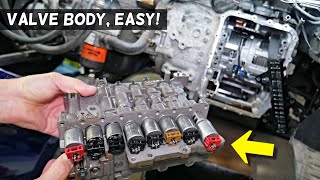
Typical fix: Replace the TCC solenoid located on the transmission's valve body. This requires draining the fluid, removing the oil pan, and accessing the valve body. Per TSBs, the internal wiring harness is often replaced at the same time.
Est. part cost: $60-$150 - Worn or Failed Torque Converter 🟡 Medium Probability → Shop Automatic Transmission Torque Converter If the vehicle is driven for an extended period with the P0741 code, the resulting heat and slippage can damage the torque converter's internal clutch lining itself. This is often the result of not addressing the initial solenoid failure promptly.
How to confirm: This is typically diagnosed after replacing the TCC solenoid and verifying fluid level and quality do not fix the issue. Excessive metal debris or clutch material in the transmission pan is a strong indicator. A transmission specialist may quote this repair upfront.
Typical fix: Complete replacement of the torque converter, which requires removing the entire transmission from the vehicle.
Est. part cost: $200-$500 for a remanufactured unit - Damaged Internal Transmission Wiring Harness ⚪ Low Probability → Shop Transmission Assembly The harness lives in a harsh environment of hot fluid. Over time, connectors can become brittle or wires can develop shorts or high resistance, leading to intermittent solenoid operation.
How to confirm: Visual inspection during solenoid replacement. A technician may also test for continuity from the main transmission connector to the solenoid. Because it's difficult to test reliably, it's often replaced preventatively.
Typical fix: Replace the internal wiring harness. 🎬 See this step-by-step solenoid replacement walkthrough This is strongly recommended by Hyundai TSBs to be done at the same time as a TCC solenoid replacement.
Est. part cost: $50-$100
Rare But Worth Checking
- Worn or Clogged Valve Body: → Shop Transmission Valve Body If the transmission fluid is very dirty, the small passages in the valve body can become clogged with debris, preventing proper hydraulic pressure from reaching the TCC. In this case, replacing just the solenoid might not fix the problem, and the valve body may need to be cleaned or replaced.
- TCM Software Issue: In some cases, particularly on newer models but relevant as a diagnostic step, Hyundai has issued TSBs to update the Transmission Control Unit (TCU) logic to be less sensitive to minor slip, which can resolve the P0741 code without mechanical repair. TSB 23-AT-005H is an example for a newer Santa Fe. It's worth checking if any software updates are available for the Elantra.
Diagnosis Steps
- Verify the code with a quality OBD-II scanner. Note any other transmission-related codes.
- Check the transmission fluid level and condition. This is the most important first step. The fluid should be bright red and not smell burnt. Note: This requires lifting the vehicle as there is no dipstick and must be checked at a specific temperature.
- If fluid is low, top it off with Hyundai SP-IV ATF, clear codes, and test drive to see if the code returns.
- If fluid is old and dirty, perform a drain-and-fill (not a high-pressure flush), clear codes, and test drive.
- If the code returns, the next step is to inspect the TCC solenoid and internal wiring harness, following Hyundai's TSBs.
- Drain the transmission fluid and remove the transmission oil pan.
- Remove the valve body to access the solenoids.
- Locate and replace the Torque Converter Clutch (TCC) solenoid. It is highly recommended to also replace the internal wiring harness at the same time, per Hyundai TSB 19-AT-015H.
- Inspect the pan for excessive metal shavings or clutch material, which would indicate a more serious failure (e.g., the torque converter itself).
- Reassemble with a new pan gasket, fill with new Hyundai SP-IV fluid to the correct level, clear codes, and perform a thorough test drive.
- If the problem persists after replacing the solenoid and harness, the issue is likely the torque converter itself or the valve body, requiring more extensive repairs.
Parts You'll Likely Need
- Torque Converter Clutch (TCC) Solenoid
(OEM #46313-3B030 (Verify with VIN))— This is the most common point of failure for P0741 on this vehicle, as identified by Hyundai's own Technical Service Bulletins.
Trusted brands: Hyundai (OEM), Rostra, Transtar
OEM price range: $60-$120
Aftermarket price range: $40-$80 - Automatic Transmission Fluid (ATF)
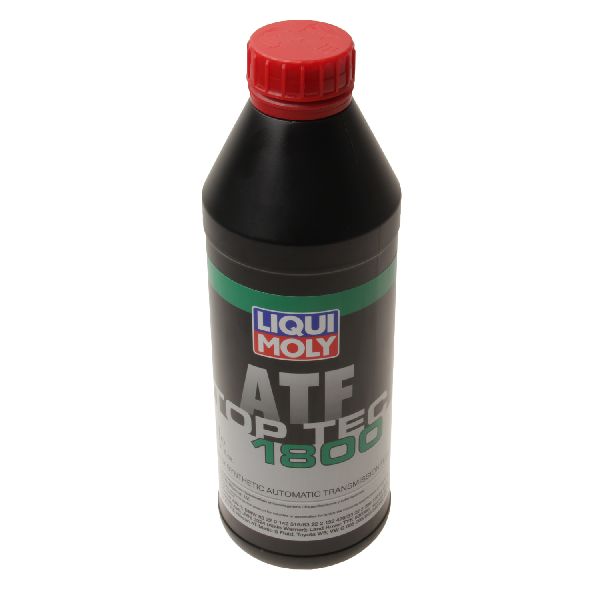
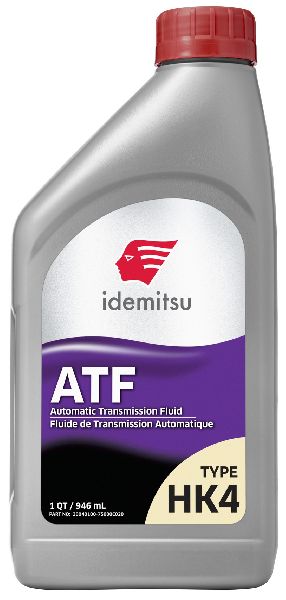
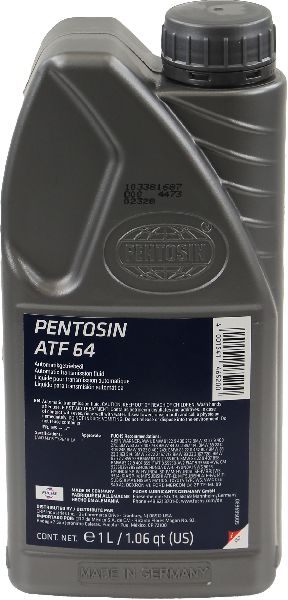
(OEM #Hyundai SP-IV / SPH-IV)— Required for any service involving opening the transmission. Using the correct fluid is critical for Hyundai transmissions. You will need approximately 4-5 quarts for a drain and fill.
Related Codes That Often Appear With This One
- P0743 — This code indicates an electrical fault (open or short) in the TCC solenoid circuit, whereas P0741 is a performance problem (stuck off). They can appear together if the solenoid has both an electrical and mechanical failure.
- P0730-P0735 — These are incorrect gear ratio codes. Severe TCC slippage can sometimes be misinterpreted by the computer as a gear ratio problem, or they can indicate wider internal transmission wear.
Technical Service Bulletins (TSBs) & Recalls
- TSB 19-AT-015H: Specifically addresses P0741 for the 2011-2016 Elantra (MD/UD) and instructs to replace the related solenoid and oil pressure harness. This TSB covers the 'Generation1' 6-speed automatic with 8 solenoids.
- TSB 20-AT-008H: Supersedes 19-AT-015H, adding more models but retaining the same repair procedure for the Elantra. Confirms the procedure is to replace the solenoid and harness, not the transaxle.
- TSB 14-AT-003: An earlier TSB that also instructs technicians not to replace the transmission for solenoid DTCs, but to replace the specific part (in this case, the T/C solenoid for P0741).
- TSB Bulletin #22-01-030H: A manufacturer service bulletin notes that a software update is available to optimize the distance traveled since DTCs were cleared (CLR_DIST) display for several TCU codes, including P0741.
- TSB Bulletin #20-01-028H: This bulletin describes a TCU and ECU update to resolve conditions associated with code P0741 and other transmission-related faults.
Platform-Specific Known Issues
- Owner Experience 1: A user on Reddit with a 2014 Elantra at 250k miles reported getting P0741 and limp mode. Their suspicion, confirmed by community feedback, was the TCC solenoid. This highlights the DIY possibility for a mechanically inclined owner.
- Owner Experience 2: On Reddit's /r/MechanicAdvice, a user described their experience trying to fix P0741. They found the TCC solenoid covered in black sludge, cleaned it, but the problem persisted. This suggests that once a solenoid begins to fail mechanically, cleaning is often not a permanent solution and replacement is necessary.
- Technician Insight: A Hyundai technician on Reddit shared a flowchart they are required to follow for warranty repairs, which starts with replacing the associated solenoid for codes like P0741. They noted that while it's a messy job, it's possible for a DIYer, but also warned that if the solenoid doesn't fix it, the next step is often a full transmission replacement.
Mechanic-Grade Diagnostic Values
- TCC Solenoid (VFS Type) Resistance — expected: 5.1 - 5.3 Ω at 25°C (77°F).. Failure: A reading significantly outside this range, or an open/short circuit, indicates a failed solenoid.
- On/Off Type Solenoids Resistance (in same valve body) — expected: 10 - 11 Ω.. Failure: This helps differentiate the TCC solenoid from other solenoids during bench testing.
- Live Data - Torque Converter Slip Speed — expected: Near 0 RPM when TCC is commanded to lock at cruising speed.. Failure: A sustained slip speed of >100 RPM for more than 5 seconds while lock-up is commanded will trigger the P0741 code.
- Transmission Fluid Temperature for Level Check — expected: 50 - 60°C (122 - 140°F).. Failure: Checking the fluid level when it is too cold or too hot will result in an inaccurate reading, leading to under-filling or over-filling.
Scan Tool Commands That Help
- Hyundai GDS (or compatible advanced scanner): Resetting Auto T/A Values — This is a mandatory procedure after replacing the valve body, solenoids, or the entire transmission. It erases the learned adaptive values, forcing the TCM to relearn shift pressures and clutch application timing with the new components, preventing the code from returning.
- Hyundai GDS (or compatible advanced scanner): Data Analysis / Live Data Monitoring — Used to monitor the TCC solenoid command (On/Off or duty cycle %), engine RPM, transmission input speed, and calculated torque converter slip. This allows a technician to see if the TCM is commanding lock-up and if the transmission is physically responding.
- Advanced Scan Tool: TCC Solenoid Bidirectional Test — To manually command the TCC solenoid on and off while the vehicle is stationary (engine running) to verify the solenoid clicks and the circuit is functional. This helps isolate an electrical fault from a hydraulic or mechanical one.
Wiring & Ground Locations
- Transmission Connector Pins (TCC Solenoid) — On the main pass-through connector of the A6GF1 transmission case.. Pin 10 is the power supply for the TCC solenoid, and Pin 2 is the control (ground) from the TCM. A technician can test for voltage and continuity at these specific pins to diagnose a wiring or TCM driver issue without opening the transmission.
- PCM/TCM Location — Under the driver's side dashboard, near the steering column. The TCM is integrated into the PCM.. Unlike vehicles with a separate TCM on the transmission, all wiring for the transmission controls routes back to this interior location. Any diagnosis of the control side of the circuit ends at this module.
- Ground Point GE02 — Left front corner of the engine compartment, on the chassis.. This is a primary chassis ground. While not exclusive to the transmission, a poor connection here can cause widespread electrical issues for the PCM/TCM, potentially leading to erratic behavior and fault codes like P0741.
Real Owner Repair Stories
- Reddit user in r/Hyundai (2019 Hyundai Santa Fe) — Check engine light with P0741 code.
❌ Tried (didn't work) N/A - went to dealer.
✅ What actually fixed it The dealership replaced a faulty solenoid under warranty. The repair took 5 days due to parts availability. - YouTube video by 'Fix It All' (2019 Hyundai Santa Fe) — P0741 code, transmission shuddering.
❌ Tried (didn't work) Initial thought was a bad solenoid or torque converter.
✅ What actually fixed it The problem was resolved by cleaning the electrical contacts on the main transmission harness connector and the Transmission Control Module (TCM) connector. The fix was still holding at the time of the video's creation. - Reddit user in r/AskMechanics (2010 Hyundai Elantra (2.0L)) — Check engine light with P0741 after the car sat for two weeks.
❌ Tried (didn't work) A fluid flush was suggested but not performed.
✅ What actually fixed it The user was advised that the code usually indicates worn internals requiring a transmission replacement or rebuild. The user ultimately decided to junk the car.
OEM Part Supersession History
46313-3B030→46313-3B073 (for plastic pan models)— Part update and clarification. The A6GF1 transmission can have different TCC solenoids depending on the oil pan type.
Heads up: The TCC solenoid for A6GF/A6MF transmissions with a plastic oil pan is specifically part number 46313-3B073. Part number 46313-3B030 may be for a different solenoid in the valve body or for earlier/different versions. Ordering by VIN is critical to avoid getting the wrong part.46313-3B020→46313-3B030— Standard part revision.
Model Year Variations Within This Range
- 2009-2012 (including early 2011-2012 Elantras): The Transmission Fluid Temperature (TFT) sensor is a stand-alone component. On later models, it is integrated into the main internal wiring harness. A faulty stand-alone sensor on an early model can prevent TCC lock-up and is a separate part to diagnose and replace.
- All (2011-2016): The TCC solenoid part number may vary depending on whether the transmission is equipped with a steel or plastic oil pan. This requires visual confirmation or careful checking via VIN before ordering parts.
Diagnostic Flowchart
Other Known Issues on This Vehicle
Issues unrelated to this code that are worth knowing about as an owner of this generation:
- Engine Ticking / Piston Slap (1.8L Nu Engine) 🔴 High — Common, especially on cold starts. Can lead to excessive oil consumption and eventual engine failure. Onset can be as early as 70,000 miles. (Ref: Subject of class-action lawsuit (Brown v. Hyundai) which resulted in extended warranties (10yr/120k miles) for the engine short block.)
- Worn Steering Coupler 🟠 Medium — Extremely common. Owners report a clicking or clunking noise in the steering column when turning the wheel. The small rubber coupler in the electronic power steering motor disintegrates. (Ref: No official recall, but a very well-documented issue with a cheap part and moderate DIY difficulty. Some dealers may have replaced it under warranty.)
- Premature Brake Wear 🟡 Low — Often reported that brake pads and rotors wear out faster than expected, sometimes under 30,000 miles, likely due to soft pad material.
- Suspension Noises (Sway Bar Links) 🟡 Low — Clunking or knocking sounds from the front suspension when going over bumps is common, usually caused by worn sway bar end links or bushings. A relatively inexpensive fix.
Used vs. New Parts: Buying Guide for This Vehicle
When a used part is the smart pick: A complete used transmission assembly from a low-mileage donor vehicle can be a cost-effective choice if the original transmission has widespread internal damage beyond a simple solenoid or torque converter failure.
Donor-vehicle mileage cap: roughly under 60000 miles for the part to have meaningful remaining life.
What to inspect on the donor part:
- Verify the donor vehicle's VIN to ensure compatibility of the A6GF1 model.
- If possible, check the color and smell of the transmission fluid from the donor unit. It should be bright red and not smell burnt.
- Look for a donor vehicle with documented service history.
- Inspect the exterior of the transmission case for cracks, damage, or signs of severe leaks.
OEM-only on this vehicle (don't cheap out):
- Internal Wiring Harness: Aftermarket harnesses can have quality control issues; given the labor to access it, OEM is the safer bet.
- Transmission Control Module (TCM/PCM): While not a common failure for this code, if needed, it requires precise VIN programming. A new or professionally reprogrammed OEM unit is the only reliable option.
Aftermarket brands forum-validated for this vehicle:
- Rostra (Solenoids)
- Transtar (Solenoids and rebuild kits)
Brands owners have reported issues with on this vehicle:
- Unbranded, no-name solenoids from online marketplaces are a significant risk and often fail prematurely, requiring the labor to be done a second time.
Real Owner Stories
Aggregated from forums and TSBs cited above. Mileages and costs reflect what owners reported in those sources.
2014 Hyundai Elantra — 250000 miles
Symptoms: Check engine light with code P0741 and the vehicle entering limp mode.
What fixed it: The owner identified the TCC solenoid as the likely cause, consistent with Hyundai's TSB repair flowcharts.
Source hint: Reddit: 2014 Hyundai Elantra - Code P0741
2011-2016 Hyundai Elantra (A6GF1 Transmission)
Symptoms: A 'hiccup' or slip feeling around 3,000 RPM when the TCC is supposed to engage; solenoid found covered in black sludge.
What fixed it: The owner attempted to clean the sludged-up TCC solenoid, but the problem persisted, indicating a need for full solenoid replacement.
Source hint: Reddit: Torque Converter Clutch or something else? P0741
2011-2016 Hyundai Elantra
Symptoms: Transmission issues resulting in a P0741 code.
What fixed it: A transmission shop quoted a full torque converter replacement, though TSBs suggest a solenoid and harness swap is the primary official fix.
Cost: $3,000-$3,000
Source hint: Reddit: Need Advice ASAP Code P0741 Transmission Issue
Related OBD-II Codes
Frequently Asked Questions
My 2013 Elantra is throwing P0741; is there an official Hyundai repair procedure for this?
Can I check the transmission fluid level myself on my 2015 Elantra to see if that's causing the P0741 code?
The dealership quoted me for a full transmission replacement for code P0741. Is this necessary according to Hyundai?
What specific transmission fluid should I use for my 2011-2016 Elantra to avoid TCC issues?
I see black sludge on my TCC solenoid; can I just clean it to fix the P0741 code?
Is it recommended to replace the wiring harness when fixing the TCC solenoid?
Helpful Videos




We Have This Part in Stock


The information in this article is provided for general reference and educational purposes only. Vehicle specifications, procedures, and part compatibility can vary by production date, trim level, and region. Always consult your vehicle's factory service manual and verify part numbers before purchasing or performing repairs. Safety-critical components such as airbags, seat belts, and braking systems should be installed by a qualified professional.
- Hyundai Elantra:
- 🧭 Diagnostic Flowchart
- 🎬 Helpful Videos
- 🛍️ Shop This Part
- What's Unique About the 2011-2016 Hyundai Elantra
- Symptoms You May Notice
- Most Likely Causes
- Rare But Worth Checking
- Diagnosis Steps
- Parts You'll Likely Need
- Related Codes That Often Appear With This One
- Technical Service Bulletins (TSBs) & Recalls
- Platform-Specific Known Issues
- Mechanic-Grade Diagnostic Values
- Scan Tool Commands That Help
- Wiring & Ground Locations
- Real Owner Repair Stories
- OEM Part Supersession History
- Model Year Variations Within This Range
- Other Known Issues on This Vehicle
- Used vs. New Parts: Buying Guide for This Vehicle
- Real Owner Stories
- 2014 Hyundai Elantra — 250000 miles
- 2011-2016 Hyundai Elantra (A6GF1 Transmission)
- 2011-2016 Hyundai Elantra
- Related OBD-II Codes
- Frequently Asked Questions
- 🎟️ Get 5% Off