

P0741 on 2010-2015 Lexus RX 350: Torque Converter Clutch Fixes and Causes
On a 2010-2015 Lexus RX 350, code P0741 most often points to a faulty torque converter lock-up solenoid (Shift Solenoid SL/SLU) or old, degraded transmission fluid. A fluid drain-and-fill is the first step; if that fails, expect to replace the solenoid for $300-$600 at a shop. In some cases, wear in the valve body or the torque converter itself may be the cause.
- P0741 on your RX 350 means the torque converter is failing to lock up at highway speeds, which hurts fuel economy and can cause transmission damage over time.
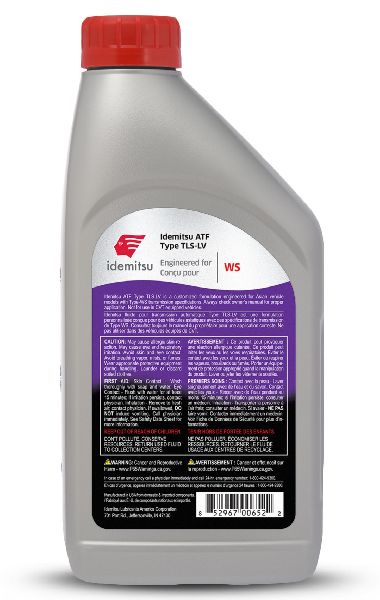
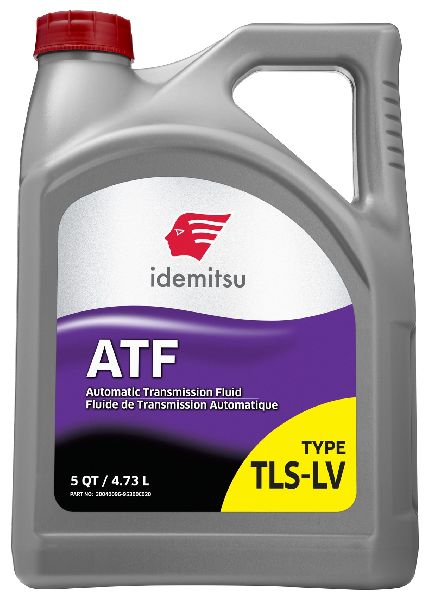
- Before considering expensive repairs, start by checking the transmission fluid. If it's old, dark, or low, a drain-and-fill with Toyota WS fluid may solve the problem.
- The most likely failed part is the 'Shift Solenoid Valve SL', which controls the lock-up function. Replacing it is a job for a professional but is much cheaper than a new transmission.
- Do not immediately agree to a full transmission replacement. The issue is very often a serviceable part within the transmission.
- This code is often paired with P2757, reinforcing that the problem lies within the torque converter's hydraulic control circuit.
What's Unique About the 2010-2015 Lexus RX 350
The 2010-2015 RX 350 uses the U660E/F 6-speed automatic transmission. For this specific transmission, Lexus service documents identify the 'Shift Solenoid Valve SL' as the component that directly controls the torque converter lock-up function. While many vehicles have a dedicated 'TCC solenoid,' on this platform, the diagnostic focus hones in on this specific 'SL' solenoid (also referred to as SLU), the valve body it's housed in, and the quality of the Toyota WS (World Standard) transmission fluid. The U660E is known for valve body bore wear and a 'Flex Lock Up' strategy that can cause shuddering, making diagnosis more nuanced.
Symptoms You May Notice
- Check Engine Light is on
- Noticeable decrease in fuel economy
- Engine RPM is higher than usual at steady highway speeds
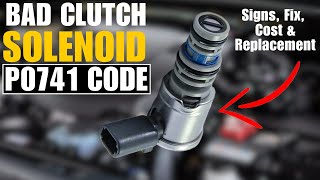
- Slight RPM fluctuations or a 'shudder' feeling while cruising at a constant speed, sometimes described as driving over rumble strips. 🎬 Watch: Common symptoms and fixes for a bad TCC solenoid
- Transmission may feel like it's slipping
- In some cases, the vehicle may stall when coming to a stop if the clutch were to get stuck 'on' instead of 'off'
- Immediately replacing the entire transmission. Dealers or shops may recommend this costly repair, but the issue is often a much cheaper, serviceable component like a solenoid or even just old fluid.
- Replacing the torque converter first. The torque converter itself is a possible cause, but it's far less likely than a bad solenoid or fluid, and the diagnostic path should start with the easier and cheaper fixes.
Most Likely Causes
- Low, Dirty, or Incorrect Transmission Fluid 🔴 High Probability → Shop Transmission Assembly The U660E/F transmission is sensitive to fluid condition. Many of these vehicles have 'lifetime' fluid that is rarely changed, leading to breakdown and deposit formation that can clog solenoids and valve body passages.
How to confirm: Check the transmission fluid level and condition. The fluid should be bright red and clear, not dark brown, black, or smell burnt. This transmission does not have a traditional dipstick; the level must be checked via a specific procedure involving an overflow plug at a designated fluid temperature 🎬 Watch: How to correctly set the transmission fluid level (typically 95-113°F or 35-45°C).
Typical fix: Perform one or more transmission fluid drain-and-fills using only Toyota/Lexus WS (World Standard) fluid. A full flush is generally not recommended on higher-mileage vehicles where the original fluid has never been changed.
Est. part cost: $70-$150 for fluid - Faulty Shift Solenoid Valve SL (TCC Solenoid) 🔴 High Probability → Shop Transmission Valve Body This solenoid is the primary actuator for the lock-up clutch. It can fail electrically or mechanically (sticking) due to age or contamination from old fluid. It is a very common point of failure for P0741 on the U660E.
How to confirm: A professional technician can use a diagnostic scan tool like Toyota's Techstream to command the solenoid on and off while monitoring engine and transmission speeds to see if it responds. The solenoid's electrical resistance can also be tested after removing the transmission pan and valve body; it should be between 11-13 ohms at 20°C (68°F).
Typical fix: Replace the Shift Solenoid Valve SL (or SLU). This requires removing the transmission pan and valve body assembly. 🎬 See this walkthrough on replacing the shift solenoid
Est. part cost: $80-$200 - Worn or Contaminated Transmission Valve Body 🟡 Medium Probability → Shop Transmission Valve Body Debris from normal wear or degraded fluid can score the bores within the valve body, particularly the lock-up control valve and secondary regulator valve bores, causing valves to stick and preventing proper hydraulic pressure from reaching the torque converter clutch.
How to confirm: After removing the valve body, a technician must visually inspect it for scoring, blockages, and stuck valves. This is typically done after fluid and solenoid replacement have failed to solve the issue. Specialized tools can be used to vacuum test the valve bores for wear.
Typical fix: The valve body may be cleaned and serviced with an aftermarket kit (e.g., Sonnax Zip Kit U660E-ZIP) to address known wear points, or replaced entirely.
Est. part cost: $500-$1200 for a remanufactured or new valve body - Failing Torque Converter ⚪ Low Probability → Shop Automatic Transmission Torque Converter This is a mechanical failure of the clutch inside the torque converter itself. While less common than solenoid or fluid issues, it is the final possibility if all other components check out. The internal seals of the clutch piston can fail, or the clutch lining can wear out.
How to confirm: This is a diagnosis by elimination. If the fluid, solenoids, and valve body are all confirmed to be in good working order, the torque converter is the presumed culprit. An excessive amount of metallic debris in the transmission pan is a strong indicator.
Typical fix: Replace the torque converter. This is a major repair that requires removing the entire transmission from the vehicle.
Est. part cost: $300-$800 for the part, plus significant labor
Rare But Worth Checking
- Wiring Harness Damage: Damage to the wiring leading to or inside the transmission can cause an electrical fault in the solenoid circuit. This is worth checking before beginning major parts replacement.
- Faulty ECM/TCM: A failure of the Engine or Transmission Control Module is very rare but possible. On some U660E models, the TCM is bolted directly to the transmission case and can be susceptible to heat and vibration over time. This should only be considered after all other mechanical and electrical possibilities have been exhausted.
Diagnosis Steps
- Check the transmission fluid level and condition. This requires a specific procedure using the overflow plug at a specified temperature (typically 95-113°F or 35-45°C). If the fluid is dark, burnt, or low, perform a drain-and-fill.
- Use an advanced OBD-II scanner (like Toyota Techstream) to monitor live data. Observe the 'TCC Command' status and compare it to the engine RPM and transmission input/output speeds while driving at highway speed. If the computer is commanding lock-up but the RPMs don't drop and match, the lock-up is not occurring.
- If fluid is good, the next step is to inspect the internal components. Drop the transmission oil pan and inspect for excessive metal debris on the magnets. A small amount of fine, dark fuzz is normal, but large flakes or chunks of metal indicate serious internal damage.
- Remove the transmission valve body to access the solenoids.
- Test the resistance of the Shift Solenoid Valve SL and compare it to the manufacturer's specification (typically 11-13 ohms at 20°C/68°F).
- Apply 12V power directly to the solenoid to listen for a 'click', confirming mechanical operation.
- While the valve body is out, inspect its channels and smaller valves for any scoring or stickiness. Consider vacuum testing the bores for wear, especially the lock-up control valve bore.
- If the solenoid and valve body appear to be in good condition, the final suspect is a mechanical failure within the torque converter itself.
Parts You'll Likely Need
- Shift Solenoid Valve SL (TCC Lock-Up)
(OEM #35280-52040 (also referred to as SLU solenoid))— This solenoid is directly responsible for actuating the lock-up clutch. It is the most common mechanical point of failure for this code.
Trusted brands: Toyota/Lexus (OEM), Aisin, Rostra
OEM price range: $100-$180
Aftermarket price range: $60-$120 - Automatic Transmission Fluid (Toyota WS)
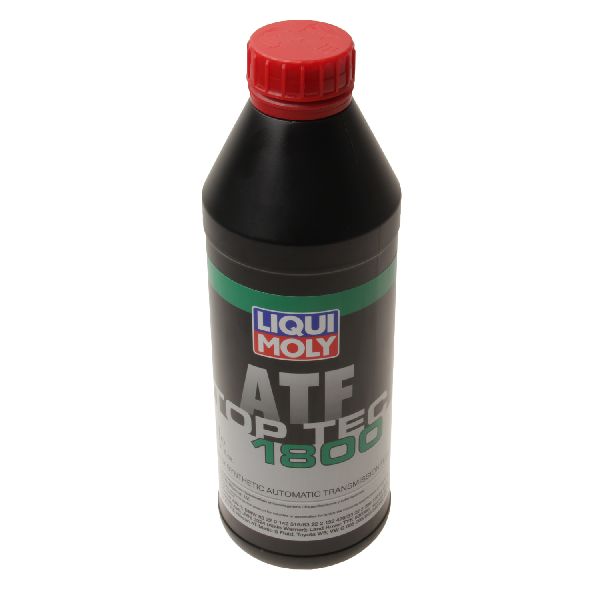
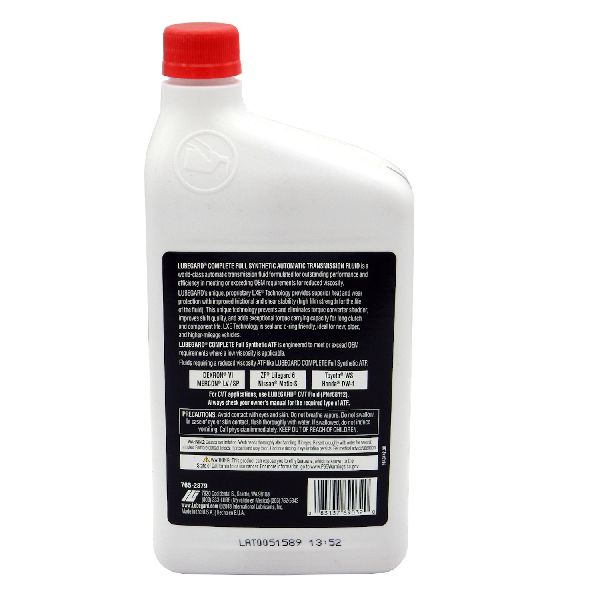
(OEM #00289-ATFWS)— Old, degraded fluid is a primary cause of solenoid and valve body issues. A fluid change is a required first step and part of any component replacement.
Trusted brands: Toyota/Lexus (OEM), Aisin, Idemitsu
OEM price range: $12-$18 per quart
Aftermarket price range: $8-$15 per quart - Transmission Pan Gasket and Filter Kit
(OEM #35330-48020 (Filter), 35168-21020 (Gasket))— The pan must be removed to access the solenoid and valve body, and the gasket should always be replaced. It is highly recommended to replace the filter (strainer) at the same time.
Trusted brands: Toyota/Lexus (OEM), Wix, ATP
Related Codes That Often Appear With This One
- P2757 — P2757 refers to 'Torque Converter Clutch Pressure Control Solenoid Control Circuit Performance/Stuck Off'. It is very common to see with P0741 on this vehicle as they both point to a failure in the hydraulic control system for the lock-up clutch. Forum discussions frequently show these two codes appearing together.
Mechanic-Grade Diagnostic Values
- Shift Solenoid Valve SL (TCC/Lock-up Solenoid) Resistance — expected: 11 to 13 Ω at 20°C (68°F). Failure: A resistance reading outside of this range indicates a faulty solenoid coil.
- Torque Converter Slip (Techstream Live Data) — expected: Less than 20 RPM difference between engine speed (NE) and input turbine speed (NT) when lock-up is commanded ON.. Failure: A difference of 100 RPM or more when lock-up is commanded ON will trigger the P0741 code.
Scan Tool Commands That Help
- Toyota Techstream: Active Test: Control the Lock-Up — This function allows a technician to manually command the SL solenoid ON or OFF while driving at speeds over 37 mph (60 km/h). It is used to verify if the solenoid is responding to commands and if the lock-up clutch is mechanically capable of engaging without having to remove any parts. The technician monitors engine RPM and turbine speed during the test to confirm engagement.
- Toyota Techstream: Live Data Monitoring (Data List) — Used to monitor key parameters like 'Engine Speed (NE)', 'Input Turbine Speed (NT)', and the status of the lock-up command. This helps confirm the conditions under which the fault occurs, such as seeing the computer command lock-up but observing a persistent RPM difference between the engine and transmission input shaft.
Wiring & Ground Locations
- Transmission Control Module (TCM/ECM) — On the U660E transmission in this vehicle, the TCM is often bolted directly to the transmission case, with the main connector plugging directly into the solenoid case connector. In some diagrams, it is also shown at the left front of the engine compartment.. Its location on the transmission case makes it susceptible to heat and vibration, which can lead to rare failures. It is the component that sends the voltage command to the SL solenoid, so its function is critical. A poor connection at the main transmission connector can also interrupt this signal.
- Junction Connectors F63, F64, F93 — Located on the left side of the dashboard, behind the kick panel area.. These connectors are part of the data line and power distribution network that communicates with the TCM. While not a primary failure point, any corrosion or damage in this area from water intrusion could potentially cause communication or power issues for the transmission control system.
Real Owner Repair Stories
- ClubLexus Forum User (2010 Lexus RX 350 AWD, 85,000 miles) — Check Engine Light with codes P0741, P2757, and P0990. No noticeable shifting problems.
❌ Tried (didn't work) Replaced the transmission pressure sensor., Replaced the transmission line pressure solenoid., Performed a drain and fill with 5 quarts of Toyota WS fluid., Tested resistance on all solenoids, which were within specification.
✅ What actually fixed it The user's thread ended without a final confirmed fix. They were advised to perform another fluid change, but the outcome is unknown. This highlights a scenario where initial common fixes do not resolve the issue, pointing towards a more complex problem like the valve body, torque converter, or wiring.
OEM Part Supersession History
35280-52040→This part number appears to be stable for the SLU (TCC) solenoid.— N/A
Heads up: While the part number is stable, it's crucial to distinguish the SLU solenoid from other solenoids in the U660E valve body. A full solenoid kit (e.g., part #35290-33040) contains multiple different solenoids; only the SLU solenoid directly controls lock-up for P0741.
Model Year Variations Within This Range
- 2010-2015: While the U660E/F transmission was used throughout this generation, minor changes to software and internal components are possible. For example, some service bulletins for shift quality or surging apply to later models in the range (e.g., 2018-2019), indicating that Lexus continuously updated the control logic. However, for the core P0741 issue, the fundamental hardware and diagnostic approach remain consistent across the 2010-2015 range.
Diagnostic Flowchart
Other Known Issues on This Vehicle
Issues unrelated to this code that are worth knowing about as an owner of this generation:
- Rubber Oil Cooler Line Rupture 🔴 High — Common on early 2010 models. The rubber section of the line can burst, leading to rapid and catastrophic oil loss. An updated all-metal part is the fix. (Ref: L-SB-0154-11 covered some earlier models, but the issue can persist on early 3rd gen RXs.)
- Timing Cover Oil Leak 🟠 Medium — A common oil leak that develops on higher-mileage 2GR-FE engines. The leak itself is minor but the repair is extremely labor-intensive, often requiring the engine to be removed.
- Water Pump Failure 🟠 Medium — A relatively common failure item on the 2GR-FE. Can lead to coolant loss and overheating if not addressed. Look for pink, crusty residue near the drive belt pulley.
- Sticky/Melting Dashboard 🟡 Low — Affects vehicles in high-heat, high-humidity climates. The dashboard material degrades and becomes sticky or shiny, causing a glare on the windshield. While the warranty enhancement program (ZLZ) has expired, this is a well-documented issue. (Ref: Lexus Warranty Enhancement Program ZLZ (Expired))
- VVT-i Oil Line Leak (Bank 1) 🔴 High — Similar to the oil cooler line, some early 2010 models may have a rubber section on the rear VVT-i oil line that can degrade and leak, potentially causing engine damage from oil starvation. An all-metal line is the updated part. (Ref: Limited Service Campaign (LSC) 90K for earlier models.)
Used vs. New Parts: Buying Guide for This Vehicle
When a used part is the smart pick: A used valve body from a low-mileage, verified-running donor vehicle can be a cost-effective option if valve body wear is diagnosed. Since the entire assembly is being swapped, it can be cheaper than paying a specialist for a rebuild of the original. A used torque converter is generally not recommended due to the high labor cost of installation and the unknown wear on the internal clutch.
Donor-vehicle mileage cap: roughly under 80000 miles for the part to have meaningful remaining life.
What to inspect on the donor part:
- For a valve body, look for a donor vehicle with a documented history and no prior transmission complaints.
- Inspect the fluid from the donor transmission if possible; it should be reddish and not burnt-smelling.
- Avoid parts from vehicles that were in major accidents, as this can cause unseen internal damage.
- Verify the exact part number matches, as there can be subtle variations.
OEM-only on this vehicle (don't cheap out):
- Transmission Control Module (TCM) - Aftermarket or incorrectly programmed modules can cause significant issues. A used OEM module is a viable alternative if new is unavailable or too costly.
Aftermarket brands forum-validated for this vehicle:
- Sonnax (for valve body Zip Kits and individual repair components)
- Aisin (often the OEM supplier for Toyota/Lexus, a good alternative for fluid and hard parts)
- Rostra (for aftermarket solenoids)
Brands owners have reported issues with on this vehicle:
- Unbranded, generic solenoid kits from marketplace websites have a high rate of being defective or having incorrect specifications, leading to repeat repairs.
Real Owner Stories
Aggregated from forums and TSBs cited above. Mileages and costs reflect what owners reported in those sources.
2010 Lexus RX 350 2GR-FE — 85000 miles
Symptoms: Owner experienced P0741 and P2757 codes. Attempted to fix by replacing a pressure sensor and line pressure solenoid along with a partial fluid change, but the codes returned.
What fixed it: The source highlights diagnostic frustration where initial part replacement failed; it suggests the codes often appear together and may require deeper valve body or solenoid work.
Source hint: ClubLexus: 'Trans help... P0741 & P2757'
Lexus RX 350 (2nd Gen/Early 3rd Gen)
Symptoms: Vehicle triggered code P0741. Dealer quoted a full transmission replacement.
What fixed it: Forum members advised against the $6,800 replacement, suggesting fluid changes and second opinions from independent shops to avoid unnecessary transmission replacement.
Cost: $6,800-$6,800
Source hint: ClubLexus: 'code PO 741'
Related OBD-II Codes
Frequently Asked Questions
Can I check the transmission fluid level myself on my 2010-2015 Lexus RX 350?
What type of transmission fluid does my RX 350 require to fix P0741?
Is there a specific solenoid known for failing on the RX 350 U660E transmission?
My 2010 RX 350 has a leak near the front; could this be related to the transmission code?
Should I get a full transmission flush to clear the P0741 code?
What is the correct electrical resistance for the TCC solenoid in my Lexus?
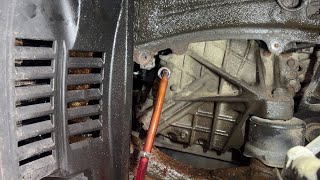
Helpful Videos

We Have This Part in Stock
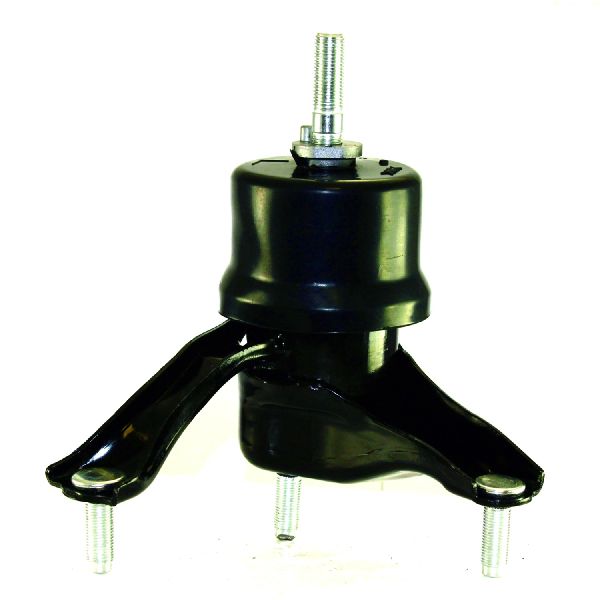

The information in this article is provided for general reference and educational purposes only. Vehicle specifications, procedures, and part compatibility can vary by production date, trim level, and region. Always consult your vehicle's factory service manual and verify part numbers before purchasing or performing repairs. Safety-critical components such as airbags, seat belts, and braking systems should be installed by a qualified professional.
- Lexus RX 350:
- 🧭 Diagnostic Flowchart
- 🎬 Helpful Videos
- 🛍️ Shop This Part
- What's Unique About the 2010-2015 Lexus RX 350
- Symptoms You May Notice
- Most Likely Causes
- Rare But Worth Checking
- Diagnosis Steps
- Parts You'll Likely Need
- Related Codes That Often Appear With This One
- Mechanic-Grade Diagnostic Values
- Scan Tool Commands That Help
- Wiring & Ground Locations
- Real Owner Repair Stories
- OEM Part Supersession History
- Model Year Variations Within This Range
- Other Known Issues on This Vehicle
- Used vs. New Parts: Buying Guide for This Vehicle
- Real Owner Stories
- 2010 Lexus RX 350 2GR-FE — 85000 miles
- Lexus RX 350 (2nd Gen/Early 3rd Gen)
- Related OBD-II Codes
- Frequently Asked Questions
- 🎟️ Get 5% Off