

P0751 on 2011-2018 Kia Optima: Shift Solenoid 'A' Performance Causes and Fixes
On a 2011-2018 Kia Optima, code P0751 almost always points to a failing shift solenoid inside the transmission. The most common fix is to replace the internal transmission solenoid assembly, which is a known high-failure part on these models. This is a mechanical/hydraulic performance issue, not purely electrical.
- P0751 on a 2011-2018 Optima is most likely caused by a failed shift solenoid, a very common problem for this vehicle.
- Before assuming a major repair, always have the transmission fluid level and condition checked by a professional.
- The correct fix is typically to replace the internal solenoid assembly, not the entire transmission, which saves significant cost.
- Driving with this code is not recommended as it can lead to more severe and expensive transmission damage.
What's Unique About the 2011-2018 Kia Optima
The 6-speed automatic transmission (A6MF family) used in this generation of Kia Optima has a well-documented history of premature shift solenoid failure. The internal wire harness and the solenoids themselves become brittle and fail from constant heat cycles and vibration. While Kia has issued a Technical Service Bulletin (TSBTRA051R1) for related *electrical* fault codes like P0753, this P0751 *performance* code points to the same fundamental weakness in the solenoid pack. The issue is so common that owners and technicians on forums like kia-forums.com immediately suspect the solenoid pack for any shifting problem on this platform, rather than a more complex internal failure.
Generation note: This range covers the third generation (TF, 2011-2015) and the fourth generation (JF, 2016-2018) Optima. Both generations primarily used the 6-speed automatic transmission (A6MF1/A6MF2) which is prone to this solenoid issue. Some 2016+ models with the 1.6L Turbo engine used a 7-speed Dual-Clutch Transmission (DCT) which has different, unrelated issues. This guide applies to the more common 6-speed automatic.
Symptoms You May Notice
- Check Engine Light is on
- Harsh, abrupt, or delayed gear shifts, sometimes described as 'slamming' into gear.
- Transmission gets stuck in a single gear (often 3rd gear limp mode).
- Vehicle feels sluggish or hesitates on acceleration.
- Transmission slipping between gears or 'flaring' (RPMs rise between shifts).
- Reduced fuel economy.
- In some cases, the transmission may overheat and produce a burning smell. 🎬 Watch: Common symptoms of a failing Kia transmission
- Replacing the entire transmission. Kia's own TSB for related codes advises against this, recommending solenoid replacement instead as it is a known component-level failure. Many owners have successfully fixed the issue for under $1,000 by replacing only the solenoid pack, versus the $3,000+ for a transmission replacement.
Most Likely Causes
- Failed Shift Solenoid 'A' / Solenoid Assembly 🔴 High Probability → Shop Transmission Valve Body The internal solenoids on the A6MF-family transmission are a known high-failure part due to heat and vibration causing mechanical sticking or internal electrical faults. The plastic harness they are attached to can also become brittle and crack.
How to confirm: A mechanic can use a scan tool to command the solenoid on and off while monitoring transmission pressure data. The solenoid's electrical resistance can also be tested with a multimeter after removing the transmission pan; it should be within 10-11 ohms for on/off solenoids or around 5.1 ohms for variable force solenoids. A reading outside this range or an open circuit confirms failure.
Typical fix: Replace the entire solenoid wire harness assembly inside the transmission. While individual solenoids can be replaced, it is highly recommended to replace the complete block as other solenoids are likely near the end of their service life.
Est. part cost: $150-$400 - Low or Dirty Transmission Fluid 🟡 Medium Probability → Shop Transmission Assembly These transmissions are often considered 'sealed' and lack a traditional dipstick, leading owners to neglect fluid service. 🎬 See how to check fluid levels without a dipstick Kia's 'lifetime fluid' claim is misleading; old, degraded fluid loses its hydraulic properties and can cause solenoids to stick and passages to clog.
How to confirm: The fluid level and condition must be checked by a technician via the fill/check plug with the vehicle level and at a specific temperature (122-140°F / 50-60°C). Dark, burnt-smelling fluid indicates a problem and likely contamination.
Typical fix: Perform a transmission fluid drain-and-fill. If the fluid is very contaminated, a solenoid or valve body failure may have already occurred or be imminent.
Est. part cost: $100-$200 for fluid and filter - Clogged Valve Body Passages ⚪ Low Probability → Shop Transmission Valve Body Debris from normal clutch wear or from burnt, degraded fluid can block the small hydraulic passages within the valve body, preventing the solenoid from controlling the gear shift correctly even if the solenoid itself is functional.
How to confirm: This is diagnosed after confirming the solenoid is functional but the shifting problem persists. It requires removing and inspecting the valve body, which is a job for a transmission specialist.
Typical fix: The valve body may need to be professionally cleaned or replaced.
Est. part cost: $500-$1200 for a remanufactured valve body
Rare But Worth Checking
- Faulty Transmission Fluid Temperature Sensor: → Shop Transmission Assembly A faulty transmission fluid temperature sensor can cause the TCM to command incorrect line pressures, leading to harsh and erratic shifting that can be misdiagnosed as a solenoid issue. Codes like P0711, P0712, or P0713 often accompany this failure. Since this sensor is part of the same internal wire harness as the solenoids, it is often replaced at the same time.
- Faulty Transmission Control Module (TCM): → Shop Transmission Assembly While rare, a failing TCM can send incorrect signals or fail to command the solenoid properly. This is usually suspected only after all other mechanical and electrical parts have been ruled out.
- Damaged Wiring Harness (External): Damage to the wiring harness leading to the transmission can cause an electrical interruption. This is less common than the internal solenoid failure but should be visually inspected for corrosion or physical damage.
Diagnosis Steps
- Verify the code with an OBD-II scanner.
- Check the transmission fluid level and condition. This is a critical first step. The fluid must be checked at the proper operating temperature (122-140°F / 50-60°C). The fluid should be red and not smell burnt.
- Inspect the external transmission wiring harness and connectors for any signs of damage, corrosion, or loose connections.
- Using a professional scan tool, monitor live data for solenoid 'A' commanded status vs. actual gear, and also monitor the transmission fluid temperature for erratic readings.
- If the fluid and wiring are good, the next step is to drain the fluid and remove the transmission oil pan.
- Visually inspect the fluid in the pan for excessive metal shavings, which would indicate a more severe mechanical failure.
- Locate Shift Solenoid 'A' and test its coil resistance with a multimeter. Compare the reading to the manufacturer's specification (approx. 5.1 ohms for variable force solenoids, 10-11 ohms for on/off solenoids). An out-of-spec reading confirms a bad solenoid.
- If the solenoid tests bad or is borderline, replace it. It is highly recommended to replace the entire solenoid pack/harness assembly due to the high failure rate of all solenoids and the integrated temperature sensor. 🎬 Watch: Step-by-step guide to replacing the solenoid assembly
- If the solenoid tests good, the issue may be a blockage in the valve body, which may require professional cleaning or replacement.
Parts You'll Likely Need
- Automatic Transmission Solenoid Assembly (Wire Harness)
(OEM #46313-3B075 (or 46313-3B030, 46313-3B065 depending on year/model, verify with VIN))— This is the most common point of failure for the P0751 code on this specific transmission. Replacing the entire assembly addresses the faulty solenoid, any other aging solenoids, and the integrated wiring/temperature sensor.
Trusted brands: Kia/Hyundai (OEM), Rostra, Standard Motor Products
OEM price range: $250-$400
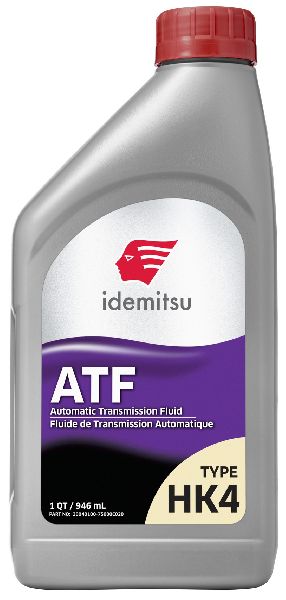
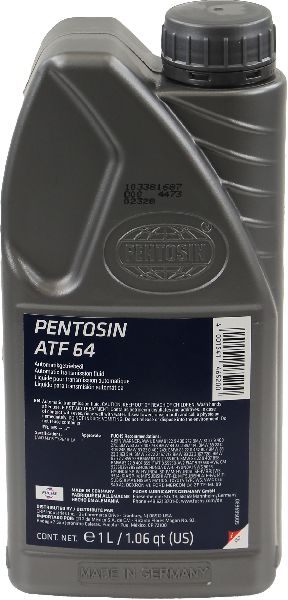
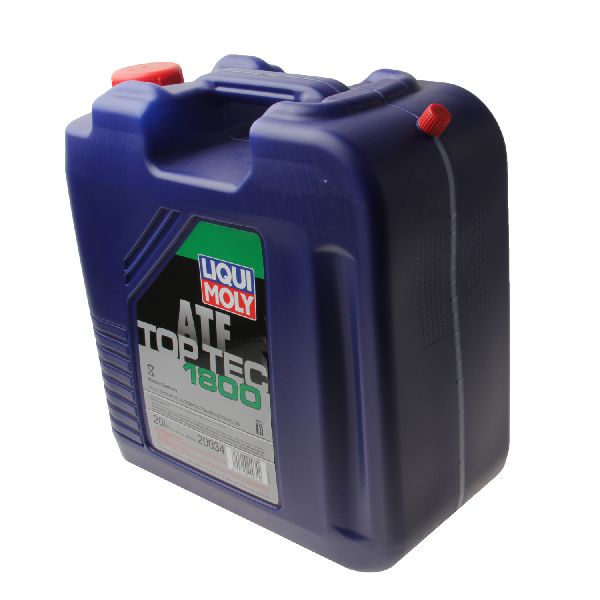
Aftermarket price range: $150-$250 - Automatic Transmission Fluid (Kia SP-IV)
(OEM #UM010-CH046 (or equivalent))— The correct type of fluid is required when refilling the transmission after service. Using non-specified fluid can cause shifting problems. Approximately 5-6 quarts are needed for a pan drop.
Trusted brands: Kia/Hyundai (OEM), Idemitsu TLS-LV, ENEOS Eco ATF
OEM price range: $15-$25 per quart
Aftermarket price range: $10-$18 per quart - Automatic Transmission Filter and Pan Gasket
(OEM #Filter: 46321-3B600, Gasket: 45285-3B610 (Verify with VIN))— These should always be replaced when the transmission pan is removed for service to ensure a proper seal and filtration of the new fluid.
Related Codes That Often Appear With This One
- P0753 — This code indicates an electrical fault (open/short) in the same Shift Solenoid 'A' circuit. They often point to the same failed component, with P0753 being electrical and P0751 being a performance/mechanical fault.
- P0700 — This is a generic code indicating that the Transmission Control Module (TCM) has stored a fault code. It will almost always be present alongside a specific transmission code like P0751.
- P0711, P0712, P0713 — These codes relate to the transmission fluid temperature sensor. A faulty sensor can cause erratic shifting and may be present if the internal wiring harness, which contains the sensor, is failing.
Technical Service Bulletins (TSBs) & Recalls
- TSBTRA051R1: While not explicitly for P0751, this TSB covers multiple other solenoid electrical fault codes (P0753, P2709, etc.) and confirms the high failure rate of solenoids in the A6MF transmission, recommending their replacement.
- TSB TRA-040: Addresses harsh upshifts/downshifts on these transmissions and may recommend a TCM re-flash or component replacement, which can be relevant if other shifting issues are present.
Platform-Specific Known Issues
- A Technical Service Bulletin (TSBTRA051R1) exists for a range of solenoid electrical fault codes on the 6-speed automatic transmission, confirming this is a recognized issue by Kia. The bulletin advises replacing the solenoids, not the entire transmission. While P0751 is a 'performance' code, the root cause is the same failing hardware addressed in the TSB.
- Another related TSB (TRA-040) addresses harsh shifting and may involve a TCM software update in addition to potential hardware replacement.
Mechanic-Grade Diagnostic Values
- Shift Solenoid 'A' (SSA) and 'B' (SSB) Resistance (On/Off type) — expected: 10 - 11 ohms. Failure: A reading significantly outside this range, or an open/short circuit, indicates a failed solenoid coil.
- Variable Force Solenoid Resistance (e.g., 3-5-R, UD, OD) — expected: 5.1 ohms. Failure: A reading outside this specification suggests a faulty solenoid. These are often replaced as a complete block.
- Transmission Fluid Temperature Sensor Voltage at 104°F (40°C) — expected: ~3.2 Volts. Failure: An erratic or incorrect voltage reading for the corresponding temperature can cause the TCM to calculate incorrect line pressures, leading to shifting issues.
- Solenoid Power Supply Voltage at Harness Connector (Key On) — expected: ~12.6 V (Battery Voltage). Failure: Voltage deviation greater than 0.5V indicates excessive resistance in the wiring or a poor power feed from the TCM/fuse block.
Scan Tool Commands That Help
- Kia GDS (Global Diagnostic System): Resetting Auto T/A Values — This function must be performed after replacing the transmission, valve body, or solenoid assembly. It clears the learned adaptive values from the TCM, forcing it to relearn shift pressures and timing with the new components.
- Kia GDS (Global Diagnostic System): Transmission Adaptive Value Relearn (Drive Cycle) — After resetting the adaptive values, a specific drive cycle is required. This involves accelerating smoothly from a stop to allow shifts through all gears (1-6) at 10-20% throttle, then decelerating to a stop slowly. This must be repeated 5 times to teach the TCM the correct solenoid operation.
- Professional Bidirectional Scan Tool: Solenoid Activation Test — This command manually energizes and de-energizes individual solenoids while the engine is off. A technician can listen for an audible 'click' from the transmission pan, confirming the solenoid is mechanically moving. No click indicates a stuck or failed solenoid.
Wiring & Ground Locations
- Transmission Main Connector — On the front of the transmission case, typically below and to the side of the battery tray.. This is the main interface between the external vehicle harness and the internal transmission harness/solenoids. The two power sources for the solenoids, typically a green and an orange wire, are in this connector. Corrosion or damage here can cause a wide range of transmission codes, including P0751.
- Transmission Case Ground — A grounding wire or strap is typically bolted from the transmission case directly to the vehicle's chassis or a main grounding point on the engine block.. A poor or corroded transmission ground can cause erratic behavior in all transmission electronics, including the solenoids. The TCM may misinterpret solenoid performance due to floating ground voltage, potentially setting a P0751 code even if the solenoid itself is good.
- Main Fuse Panel Ground Bolt — On many Kia models, there is a primary grounding bolt with multiple wires attached located on the chassis metal next to the interior fuse panel, often behind the driver's side kick panel.. This is a common grounding point for many interior modules. While not a direct cause for P0751, ensuring this ground is clean and tight is a crucial step in diagnosing any complex electrical issue, as it can affect the stability of the entire vehicle's electrical system.
Real Owner Repair Stories
- kia-forums.com user (2014 Kia Forte (uses same A6MF1 transmission)) — Delayed shifts, drop in fuel economy, and codes P0750 and P0753.
❌ Tried (didn't work) Checked transmission fluid level and condition (was clean and full)., Cleared codes, but they returned immediately.
✅ What actually fixed it The user tested the solenoid resistance and found it to be within spec (12.4 ohms). They also confirmed 5V at the harness. Despite the solenoid testing electrically okay, they replaced the individual solenoid with an aftermarket unit, which resolved all shifting issues and codes. This indicates the solenoid was mechanically sticking, a failure mode that electrical tests cannot always detect.
OEM Part Supersession History
46313-3B072→46313-3B075— Part revision and improvement by the manufacturer. Newer versions often have improvements to address known failure points.
Heads up: The newer part number (46313-3B075) is the correct replacement for the older one. Always use the latest revision available.
Model Year Variations Within This Range
- 2011-2018: The 2.0L and some 2.4L engines were typically paired with the A6MF1 transmission, while higher-output 2.4L engines may have used the slightly more robust A6MF2. While functionally similar and sharing the same solenoid failure pattern, the A6MF2 has a higher torque rating (210 lb-ft vs 170 lb-ft for the A6MF1). When sourcing parts, especially a complete transmission, it is critical to match the exact transmission model number etched on the case.
Diagnostic Flowchart
Used vs. New Parts: Buying Guide for This Vehicle
When a used part is the smart pick: A used part is almost never a smart choice for this specific repair. The solenoid pack is a known high-failure component due to heat and vibration. A used part from a junkyard has been subjected to the same wear and is likely near failure itself, offering no long-term reliability.
Donor-vehicle mileage cap: roughly under 30000 miles for the part to have meaningful remaining life.
What to inspect on the donor part:
- If forced to buy used, source from a vehicle with the lowest possible mileage.
- Verify the part number on the used component matches the latest OEM supersession.
- Inspect the plastic harness for any signs of brittleness, cracking, or heat discoloration.
OEM-only on this vehicle (don't cheap out):
- Transmission Solenoid Assembly
Aftermarket brands forum-validated for this vehicle:
- Rostra
- Standard Motor Products (SMP)
Brands owners have reported issues with on this vehicle:
- Unbranded, no-name solenoid kits from online marketplaces are a significant gamble. While some may work initially, failure rates are high, and you risk having to perform the labor-intensive repair a second time.
Real Owner Stories
Aggregated from forums and TSBs cited above. Mileages and costs reflect what owners reported in those sources.
2011 Kia Optima EX
Symptoms: The transmission was stuck in 3rd gear and manual shifting would not work.
What fixed it: The owner successfully repaired the vehicle by replacing the internal solenoid harness assembly.
Source hint: kia-forums.com thread titled '2011 Optima EX Transmission Problem P0751'
Kia Optima
Symptoms: Owner was experiencing general shifting issues with the transmission.
What fixed it: A DIY replacement of the entire solenoid pack resolved the shifting problems, saving thousands compared to a dealer quote for a new transmission.
Source hint: optimaforums.com thread titled 'Transmission solenoid replacement'
Related OBD-II Codes
Frequently Asked Questions
My 2011 Optima is shifting very harshly. Is there a known issue or TSB for this?
The dealership quoted me for a full transmission replacement for code P0751. Is that necessary?
Can I just replace the single failed Shift Solenoid 'A' to save money?
Why is my Kia Optima so prone to this P0751 transmission code?
How do I check the transmission fluid level on my 2014 Optima?
I have a 2015 Hyundai Sonata with the same P0751 code. Does this information apply to my car?
Helpful Videos



We Have This Part in Stock




The information in this article is provided for general reference and educational purposes only. Vehicle specifications, procedures, and part compatibility can vary by production date, trim level, and region. Always consult your vehicle's factory service manual and verify part numbers before purchasing or performing repairs. Safety-critical components such as airbags, seat belts, and braking systems should be installed by a qualified professional.
- Kia Optima:
- 🧭 Diagnostic Flowchart
- 🎬 Helpful Videos
- 🛍️ Shop This Part
- What's Unique About the 2011-2018 Kia Optima
- Symptoms You May Notice
- Most Likely Causes
- Rare But Worth Checking
- Diagnosis Steps
- Parts You'll Likely Need
- Related Codes That Often Appear With This One
- Technical Service Bulletins (TSBs) & Recalls
- Platform-Specific Known Issues
- Mechanic-Grade Diagnostic Values
- Scan Tool Commands That Help
- Wiring & Ground Locations
- Real Owner Repair Stories
- OEM Part Supersession History
- Model Year Variations Within This Range
- Used vs. New Parts: Buying Guide for This Vehicle
- Real Owner Stories
- 2011 Kia Optima EX
- Kia Optima
- Related OBD-II Codes
- Frequently Asked Questions
- 🎟️ Get 5% Off